We use cookies to make your experience better.
To comply with the new e-Privacy directive, you agree to the privacy policy and our use of cookies


Benefits of Inventory Management for Businesses
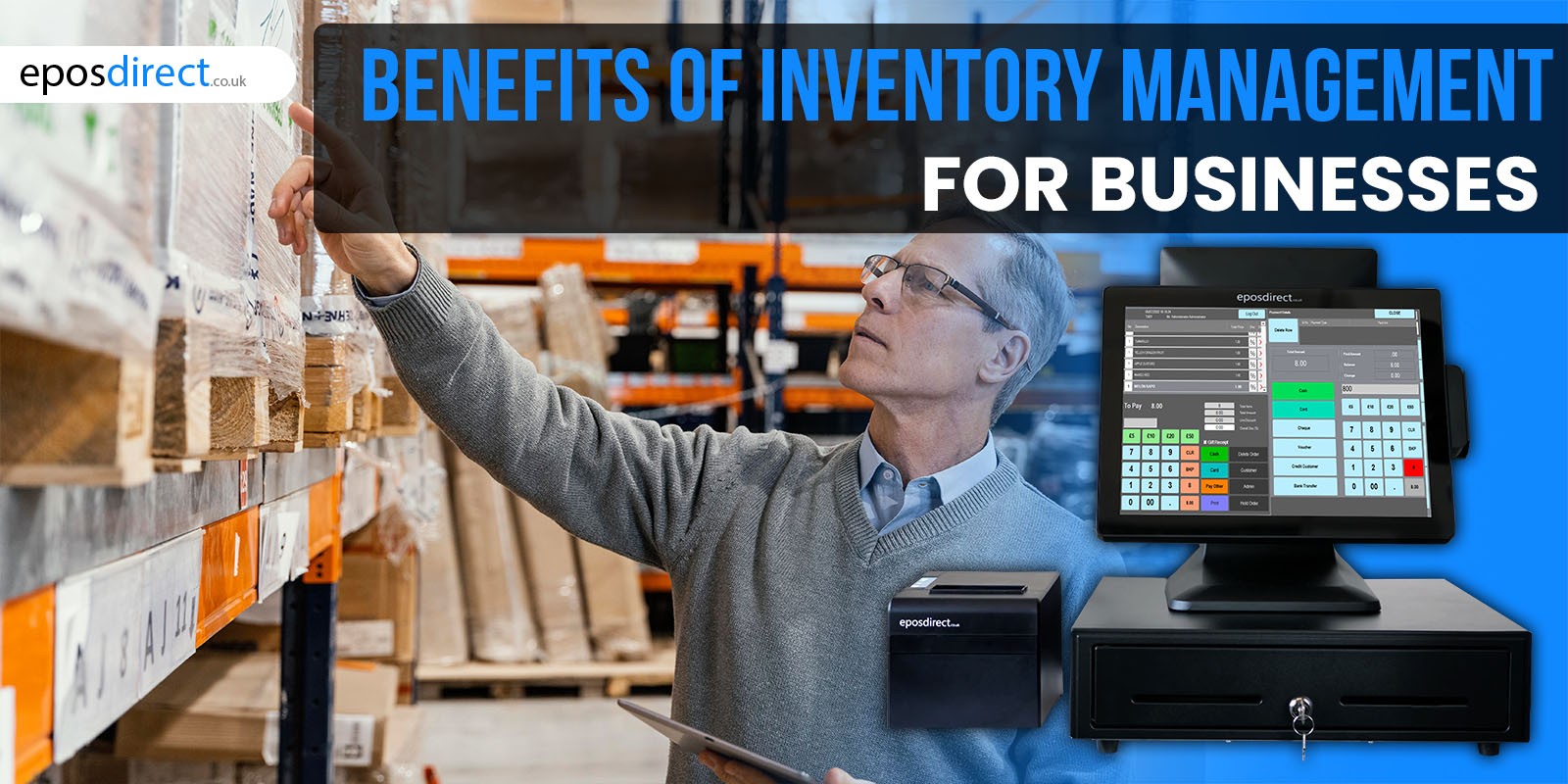
Inventory management is the process of monitoring, controlling and optimising a store's inventory of goods and materials. Inventory management involves planning, tracking and managing all aspects of a company's inventory, from procurement or manufacturing to the shelves to sales to consumers.
Benefits of Inventory Management
The quality or lack of inventory management directly impacts other aspects of a business, such as Customer satisfaction, sales and financial position.
Proper inventory management therefore has many benefits for retailers. Here are some of the benefits:
- Save Money and Time
Effective inventory management reduces storage costs and saves you a lot of time. For example, maintaining optimal stock levels helps you avoid the costs associated with stockouts and excess inventory. If employees' time is not monopolized by these types of issues, they can also focus on other more important tasks.
Storage costs
Effective inventory management helps reduce the costs associated with storing unsold goods (warehouse space, insurance, taxes, fees, employee salaries). The longer goods are stored before being sold, the more expensive they become and the more exposed they are to risks such as theft, obsolescence, loss, and natural disasters.
Maintenance Costs
By monitoring the condition of equipment (computers, barcode readers, RFID tags, shelves, forklifts, printers, etc.), applying inventory management best practices, and ensuring accurate inventory data, retailers can solve problems faster and know when to maintain their equipment. It is necessary to plan. This helps minimize unexpected failures, optimize maintenance schedules, and improve overall operational reliability. Thus, retailers reduce maintenance costs.
Save Time
Tracking inventory using software, etc., saves you the trouble of having to recalculate your inventory to ensure data accuracy. Automating certain inventory management tasks frees up your employees to focus on more important tasks and gives them more time to strategise for business growth.
This time and money no longer spent on inventory, out-of-stock, and excess stock can be better utilized elsewhere, helping to increase productivity.
- Improved Financial Health and Cash Flow
Inventory management directly impacts a company's financial performance. This impacts metrics such as profit margins, ROI, and cash flow, all of which are important indicators of a company's health and success.
A better understanding of availability and demand leads to improved inventory turns and, in turn, increased profits.
Through proper inventory management, retailers can also reduce capital mobilized in inventory. With less excess inventory, stores free up capital that can be used for other investments and operational purposes, and work on growing their business.
This helps companies maintain adequate working capital. This prevents excess capital from being tied up in inventory and allows funds to be used for other important aspects of the business, such as investments, debt, and day-to-day operations.
Effective inventory management ensures that resources are allocated wisely, improving the overall financial health of your company.
- Increased Efficiency
Inventory management and POS software helps automate processes, reducing the time and effort spent on tasks such as order fulfillment, replenishment, and inventory tracking. This automation makes warehouse processes more efficient.
Proper inventory management also leads to streamlining various business processes such as order fulfillment, replenishment, and production planning, reducing manual efforts, minimizing errors, and ultimately improving the efficiency of your operations.
In addition, recording accurate inventory data reduces order errors and customer complaints.
- Improved Inventory Knowledge
Proper inventory management allows you to know exactly what you have in stock and determine the optimal order quantities to meet demand. This inventory knowledge gives you an overview and prevents selling more products than you have in stock.
Through inventory tracking and inventory management, retailers gain greater product knowledge. This makes it easy to identify sales trends and keep track of recalled products and expiry dates.
Data-Driven Decision-Making
Having a good overview of your inventory helps you forecast demand more accurately. Inventory management systems provide you with valuable data, insights and analytics. These support decisions about stock levels, demand forecasting, replenishment, pricing and product offerings.
Analysing sales data and market trends also enables stores to more effectively match their inventory to customer demand.
- Closer Relationships With Suppliers
Inventory management also provides information about which products are being sold and in what quantities. Companies can use this information to negotiate favorable terms with suppliers. Suppliers are more likely to offer better prices and good terms to their customers with consistent and predictable ordering patterns.
In addition, good inventory management makes it easier to monitor supplier performance in terms of delivery times and product quality.
- Reduce Risk and Minimise Losses
Managing inventory reduces the risk of products becoming obsolete or obsolete. It also helps prevent merchandise theft and damage. By closely monitoring stock levels and stock turns, stores can minimize the impact of these risks.
Epos systems and inventory management software can help reduce the risk of overselling, especially if a retailer has multiple brick-and-mortar and online stores. Knowing exactly what is in stock and what are out of stock helps retailers protect them against this risk.
Inventory management requires forecasting demand for different periods of time. It helps retailers reduce excess storage costs, ensure they have enough stock to meet demand, and minimise losses from lost sales due to unsold or understocked items.
- Compliance with Regulations and Industry Standards
Certain industries, such as pharmaceuticals and food, have strict inventory management regulations in place to ensure product safety, traceability, and quality. Proper inventory management helps you comply with industry standards and regulations.
- Better Planning of Business Activities
Using insights from inventory management, retailers can better plan future operations and develop better marketing strategies to increase sales and profitability.
Good Scalability
An effective inventory management strategy allows retailers to quickly scale up or scale down operations depending on business and market realities. It gives them the flexibility they need to adapt to growth opportunities or economic downturns.
- Competitive Advantage
Retailers with effective inventory management systems often have a more competitive advantage. They can offer better prices, faster delivery times, and higher product availability than competitors with less effective inventory management.
- Organise Your Storage Space
Warehouses that arrange merchandise based on demand, frequently sold combinations, and other relevant factors not only reduce labor costs, but also speed up order fulfillment.
Optimise inventory levels
By maintaining strict inventory control and accurate sales data, retailers can accurately predict future customer needs. These predictions allow for optimal levels of product stocking, improving customer satisfaction.
Reduced Stock-Outs and Overstocks
Proper inventory management helps stores avoid overstocking and minimizes the number of days that products are out of stock during shortages. Click here to learn how to manage your retail out-of-stock register.
- Improved Operational Accuracy
Inventory management allows you to have the optimal amount of product on hand to fulfill orders. Accurately tracking inventory helps retailers eliminate excess stock and reduce the cost and effort of maintaining inventory.
Improved customer satisfaction
Optimal stock levels and increased accuracy in inventory management reduce stockouts and ensure faster order fulfillment. This increases customer satisfaction by ensuring you have the products that meet customer demand. A good inventory management strategy also reduces the risk of shipping the wrong item to a customer.
Customers who receive their ordered items (with the right products!) on time are happier. Satisfied customers are more likely to stay loyal to a store where they have had a great shopping experience. Products that are always in stock when customers want to buy, and orders that are fulfilled quickly and accurately, keep customers coming back.
So, inventory management has many advantages. It is very important strategically and has many benefits for your business. Investing in effective inventory management and taking advantage of the tools available can set your business up for sustainable growth and success.
Recent Posts