We use cookies to make your experience better.
To comply with the new e-Privacy directive, you agree to the privacy policy and our use of cookies


Blog
-
 Read more
As temperatures leaped into the high 20’s, with Thursday making the hottest April day for nearly 70 years. According to report from Waitrose a 400% rise in sun cream sales, a 270% jump in barbeque food and a 54% rise in rose wine.
It is also expected a 300% rise in ice-cube and a 150% boost in beer sales.
“Our forecasting team closely monitors the weather as a rise in temperature of even just a few degrees will see huge shifts in buying patterns,” a Waitrose spokesperson said.
In mean time Sainsbury’s was anticipating a 150% boost in ice-cream sales and a huge jump of 365% sales in the amount of barbeque coal purchased.
On the other side its biggest rival Tesco expected to sell 3 million ice-lollies, 2 million boxes of strawberries and 8 million sausages.
Argos also saw a 150% jump in sales of garden seating while selling twice as many barbeques as usual.
A sharp increase in sales also enjoyed by Fashion retailers as high street -
 Read more
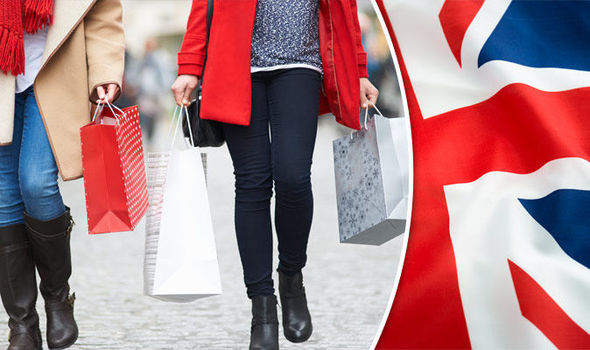
A further 77% said they had believed in a good quality product if it was made in Britain, rising from 60% in 2013.
“There’s a growing desire to buy more British, but a big challenge is where to find products that are made in Britain,” Make it British found Kate Hills said.
When it comes down to building trust in shoppers, knowing that a retailer is selling goods that are made in UK. This could be still one of the main things that can give shoppers confidence in buying them. -
 Read more
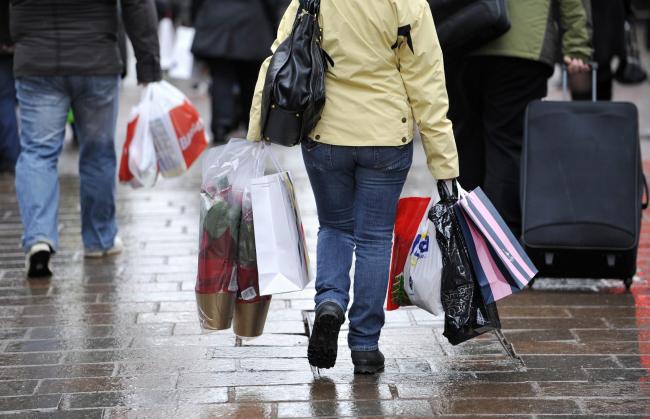
Latest figures from the Office for National Statistics (ONS) there is drop in inflation to 2.5% in March, coming in below both February’s inflation and analysts expectations of 2.7%.
Clothing prices began to slow significantly for the first time this year dropping to just 0.7% in March compared to 2% last year.
The largest upward pressure on inflation has been providing by clothing for most of the year to date, the relief is largely responsible for driving down overall rates.
Food price inflation also slowed seeing a 0.3% rise, dropped from 0.6% rise last year. This was largely driven down by fruit and fish falling 1.4% and 1.3% respectively.
“Inflation fell to its lowest rate in a year, with women’s clothing prices rising slower than usual for the first time this year,” ONS head of inflation Mike Hardie said.
Alcohol and tobacco also helped ease inflation pressures. Tobacco duty rises linked to the Budget not appearing this March thankin -
 Read more
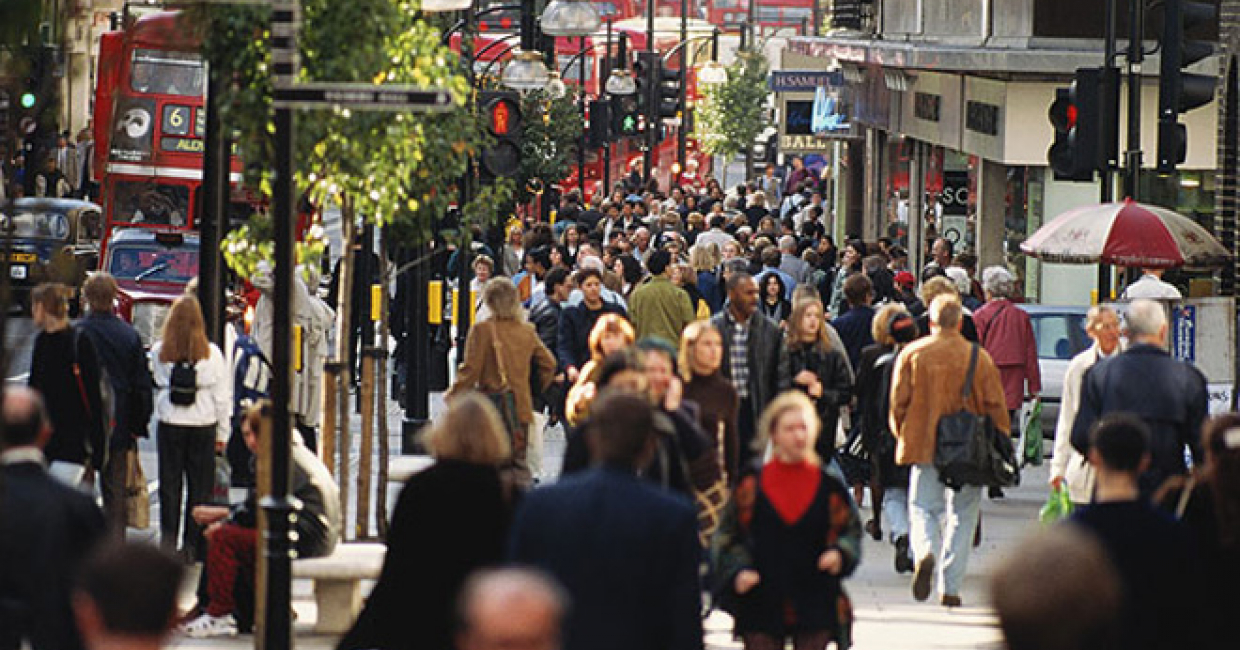
British Retail Consortium (BRC) published in its Springboard Footfall and Vacancies Monitor. This morning found a substantial decline in footfall past five weeks to March 31. It is an average drop of just 1.4% when compared in 2017.
Greater London was hit hardest with footfall down by 7.5%, South East down by 6.5% and the East Midlands dropped by 5.6%.
Overall in any UK region there was no footfall and fell in all destinations. High streets saw a decline of 8.6%, retail parks down by 1.8% and a drop of 4.8% in shopping centres.
BRC chief executive Helen Dickinson blamed more than just the weather for the results, stating, “whilst the prolonged period of bad weather has had an impact on shoppers visiting the high street, we are seeing a longer term trend of reduced footfall which highlights that shoppers face more choice in terms of how, where and when they shop.”
She added that “the retail environment is changing and retailers are investing in in -
 Read more
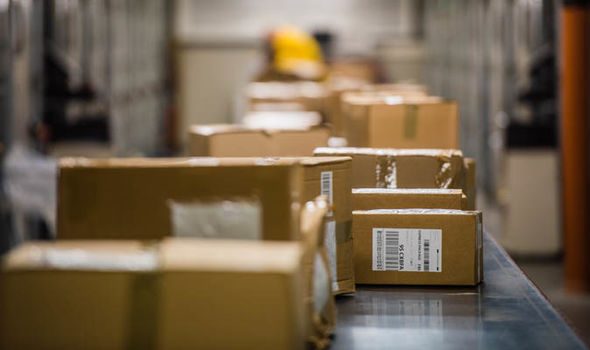
After a numerous complaints of a “postcode lottery” there were some additional delivery charges applied to more rural areas, the advertising watchdog has banned any retailers from claiming free delivery if the entire country is not covered.
It said that areas like the Scottish Highlands, Northern Ireland and the Isle of Wight were most commonly slapped with undisclosed surcharges. In addition that any restrictions or exclusions must now clearly made from the outset.
“Companies must honour the delivery claims they’re making or stop making them,” ASA chief executive Guy Parker said.
“It’s simply not fair to mislead people about whether parcels can be delivered to them, or how much it will cost.”
A study by Citizens Advice Scotland, customers in northern parts of Scotland pay 30% more for deliveries than the customers in rest of the UK. The customers those living who are in Scottish islands pay up to 50% more.
Richard Lochhead SNP MSP has bee -
 Read more
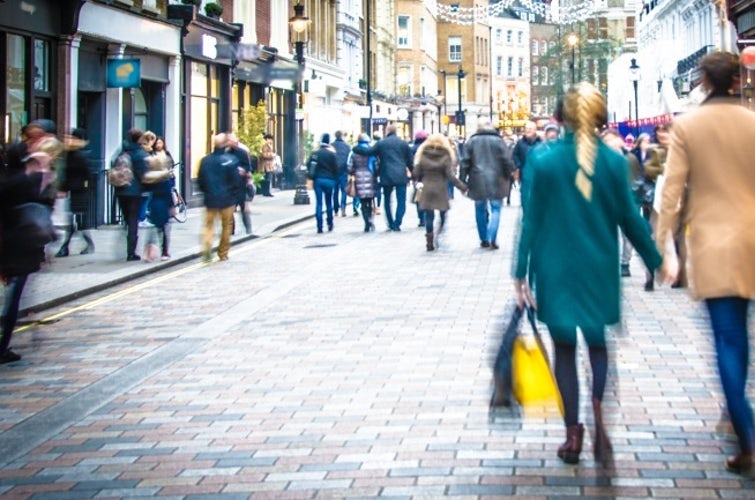
According to a research compiled by the Local Data Company (LDC) for PwC, an average of 16 high street stores closed every day last year making a total of 5,885 over the year while an average of 11 opened each day.
The daily openings on an average were down by 12 in 2016 and 15 in 2013.
The number of new high street stores opening in 2017 fell to 4,083 compared to 4,534 in 2016, with the second half of the year seeing substantially more closures and fewer openings than the first six months.
Beauty product stores, coffee shops, cafes and tearooms and ice cream parlours bucked the trend with the highest increase in net store numbers, while physical bookshops and vaping remained popular.
Lisa Hooker, consumer markets leader at PwC, said “2017 was tough for the British retail industry, particularly the second half of the year.”
Seeing volatility month to month and across different sectors as wage growth failed to keep up with inflation. It
Recent Posts