We use cookies to make your experience better.
To comply with the new e-Privacy directive, you agree to the privacy policy and our use of cookies


Why UK Retailers Lose Thousands Every Year Without Real-Time Stock Tracking

Running a retail business in the UK today is more competitive than ever. Whether it’s a convenience store, off-licence, pharmacy, or independent supermarket, profit margins are often tight. While business owners usually focus on increasing sales, a hidden problem quietly drains revenue every day - poor stock visibility.
Many small businesses still rely on manual stock counts or outdated tills that don’t track inventory properly. Without real-time stock tracking, retailers lose money through over-ordering, stockouts, and shrinkage.
This is where modern EPOS systems for retail are making a major difference.
The Hidden Cost of Poor Inventory Management
Stock control is one of the most overlooked areas of retail management. When inventory is not accurately tracked, several costly problems arise.
1. Overstocking Products That Don’t Sell
Without accurate data, businesses often order too much stock. Slow-moving items sit on shelves for months, tying up valuable cash flow.
Retailers frequently assume a product sells well simply because it looks popular. In reality, only detailed sales reports from a retail EPOS system can reveal the true performance of each item.
2. Running Out of Best-Selling Products
Equally damaging is the opposite problem - running out of high-demand items.
Customers who cannot find the product they want rarely wait for restocking. Instead, they go to a competitor. Over time, repeated stockouts can drive loyal customers away.
Modern EPOS systems automatically update stock levels after every sale, giving retailers accurate inventory data at all times.
3. Undetected Shrinkage and Stock Loss
Shrinkage from theft, damage, or administrative errors can quietly eat into profits. Without digital tracking, many retailers only discover missing stock during occasional manual counts.
How Real-Time Stock Tracking Works
A modern EPOS system connects sales transactions with inventory data in real time.
When an item is scanned at the checkout:
- The sale is recorded instantly
- The stock quantity automatically updates
- Sales data is stored for reporting and analysis
Retailers can view their inventory levels from the till, back-office dashboard, or even remotely through cloud reporting tools.
This level of visibility allows businesses to make smarter purchasing decisions and prevent common stock management mistakes.
With a modern EPOS system for small business, every product movement is recorded, making discrepancies easier to identify and investigate.
Why Retailers Are Switching to EPOS Systems
Across the UK, many retailers are upgrading from traditional cash registers to affordable EPOS systems that combine sales processing with inventory management.
Here are some of the most important benefits.
Faster Checkout and Barcode Scanning
Scanning barcodes speeds up transactions significantly compared to manual product entry. Faster checkout improves customer experience, especially during busy periods.
Accurate Stock Monitoring
With a proper EPOS system for retail, every product sold is automatically deducted from inventory. This eliminates the need for constant manual stock adjustments.
Detailed Sales Reporting
Retailers gain access to detailed reports that show:
- Best-selling products
- Slow-moving items
- Daily and weekly revenue trends
- Category performance
These insights help businesses optimise pricing, promotions, and purchasing decisions.
Smarter Purchasing Decisions
Because retailers can see exactly what sells and when, they can order stock more efficiently. This reduces waste and improves cash flow.
EPOS Systems in Different Retail Environments
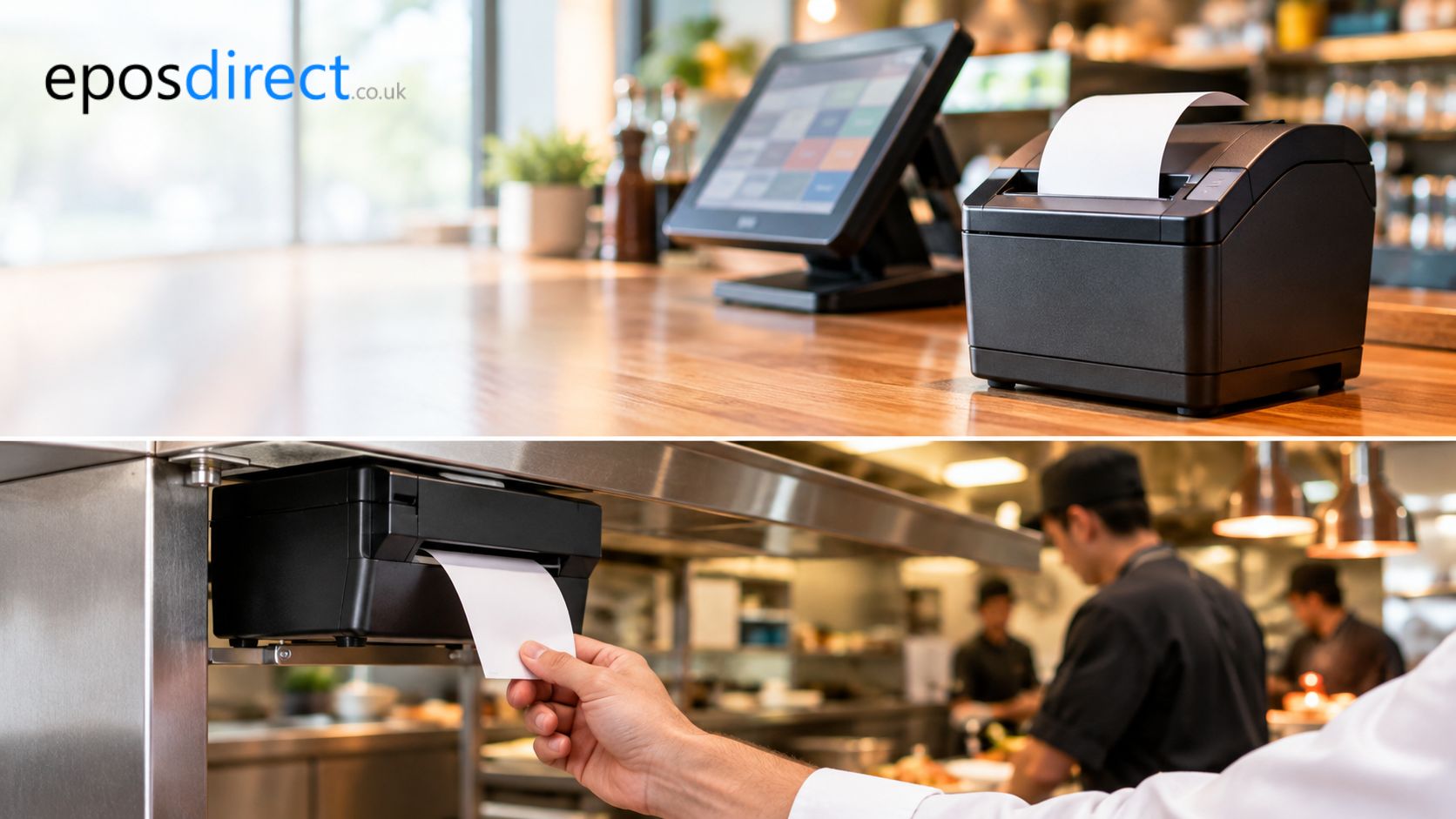
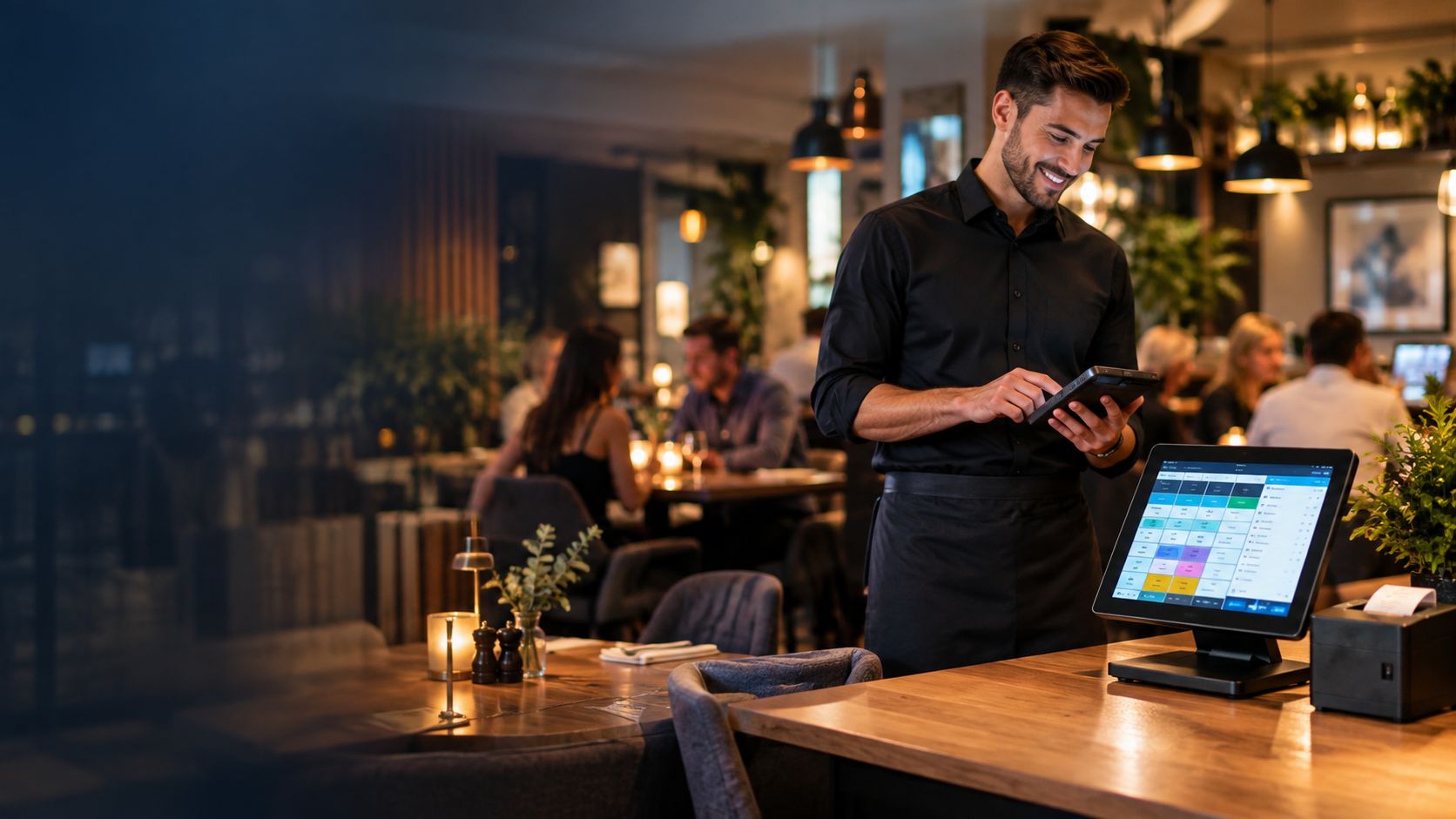
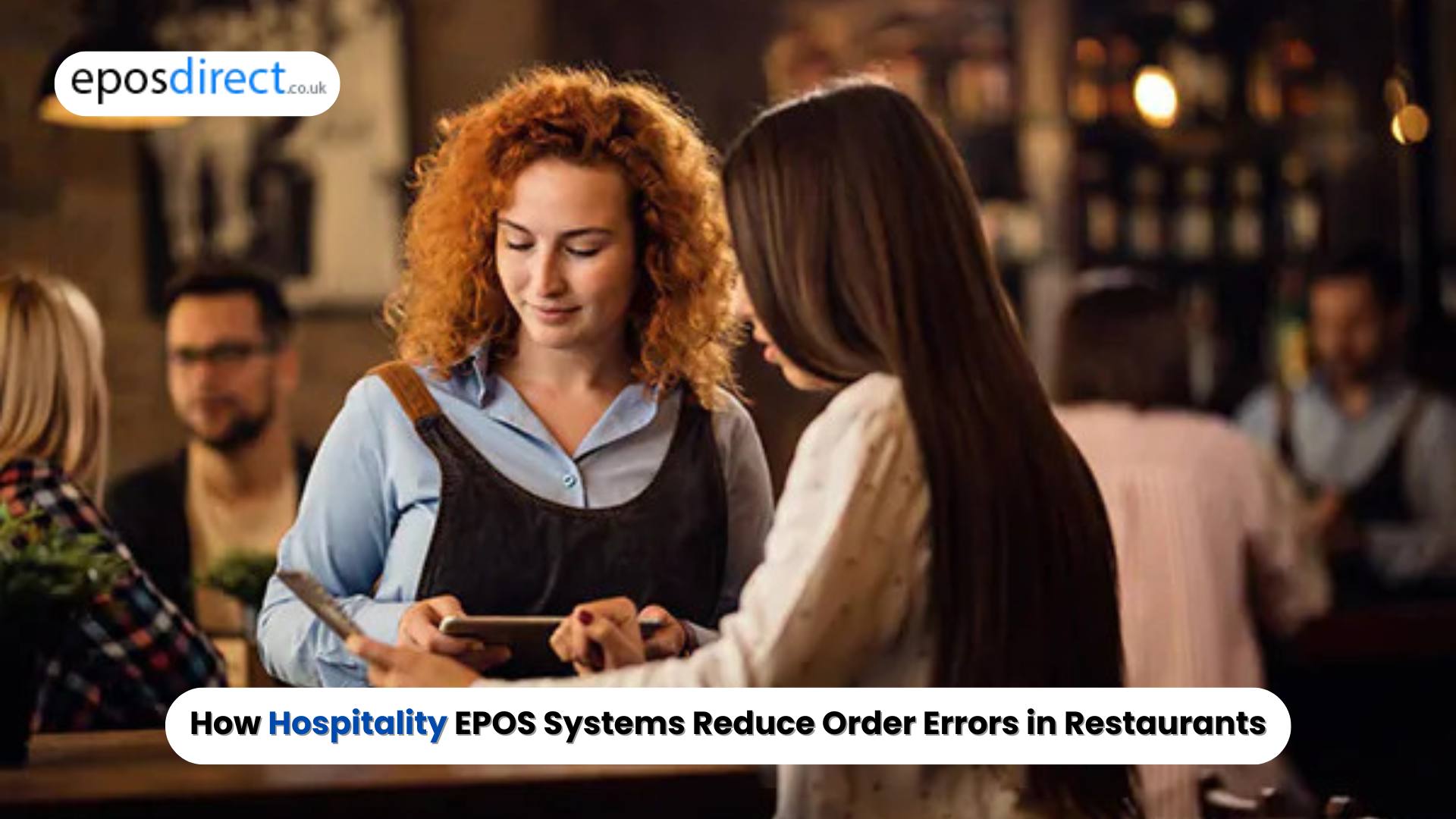
While inventory management is crucial in retail, EPOS systems are also widely used in hospitality businesses such as restaurants, cafés, and takeaways.
In hospitality environments, the system helps manage:
- Order processing
- Table management
- Kitchen communication
- Menu pricing updates
- Daily revenue tracking
An efficient EPOS system for hospitality ensures orders move quickly from the front-of-house to the kitchen while maintaining accurate billing and reporting.
Choosing the Best EPOS System for Small Business
Not all EPOS systems offer the same capabilities. When selecting a solution, UK businesses should consider several important factors.
Ease of Use
Staff should be able to learn the system quickly without extensive training.
Hardware Compatibility
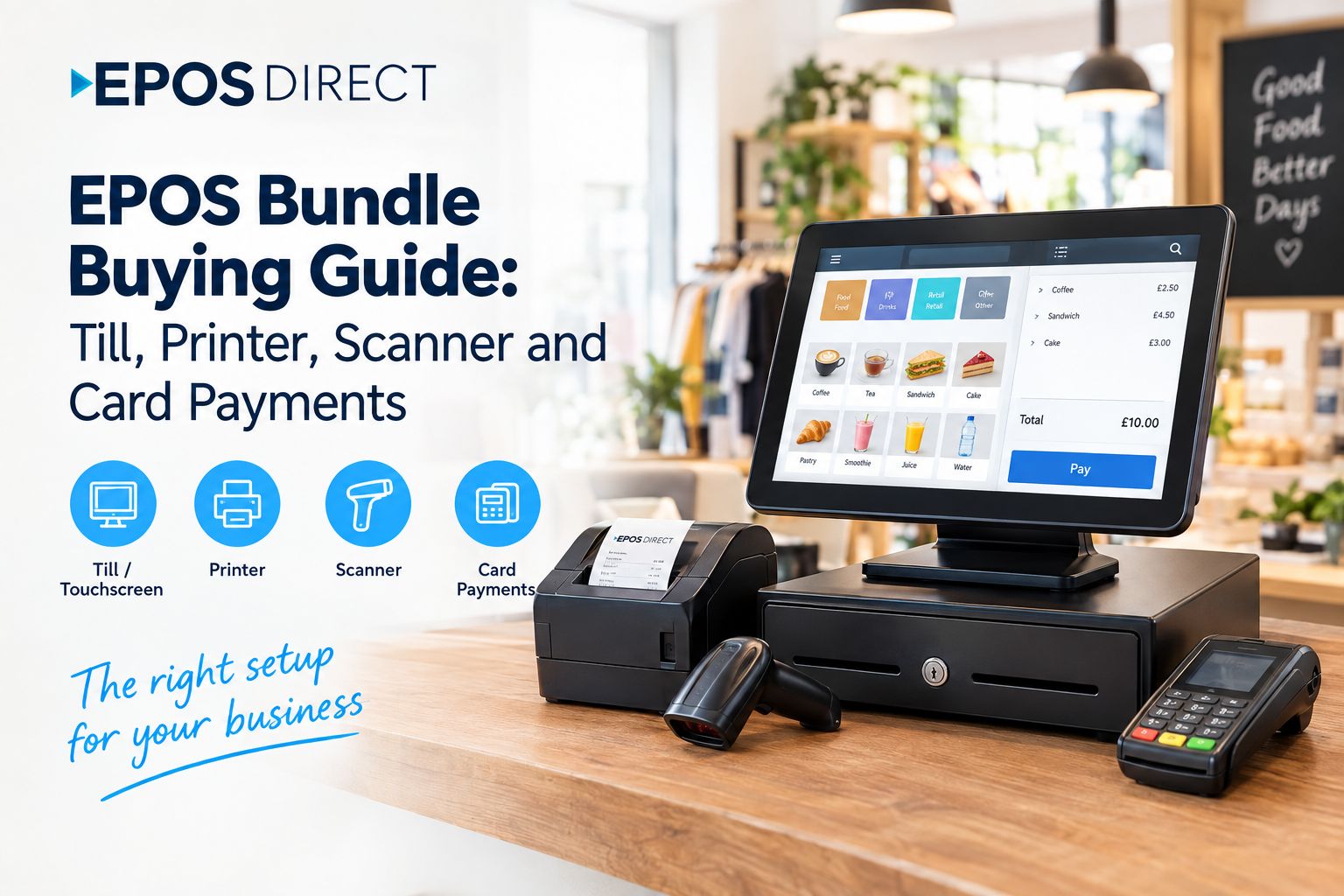
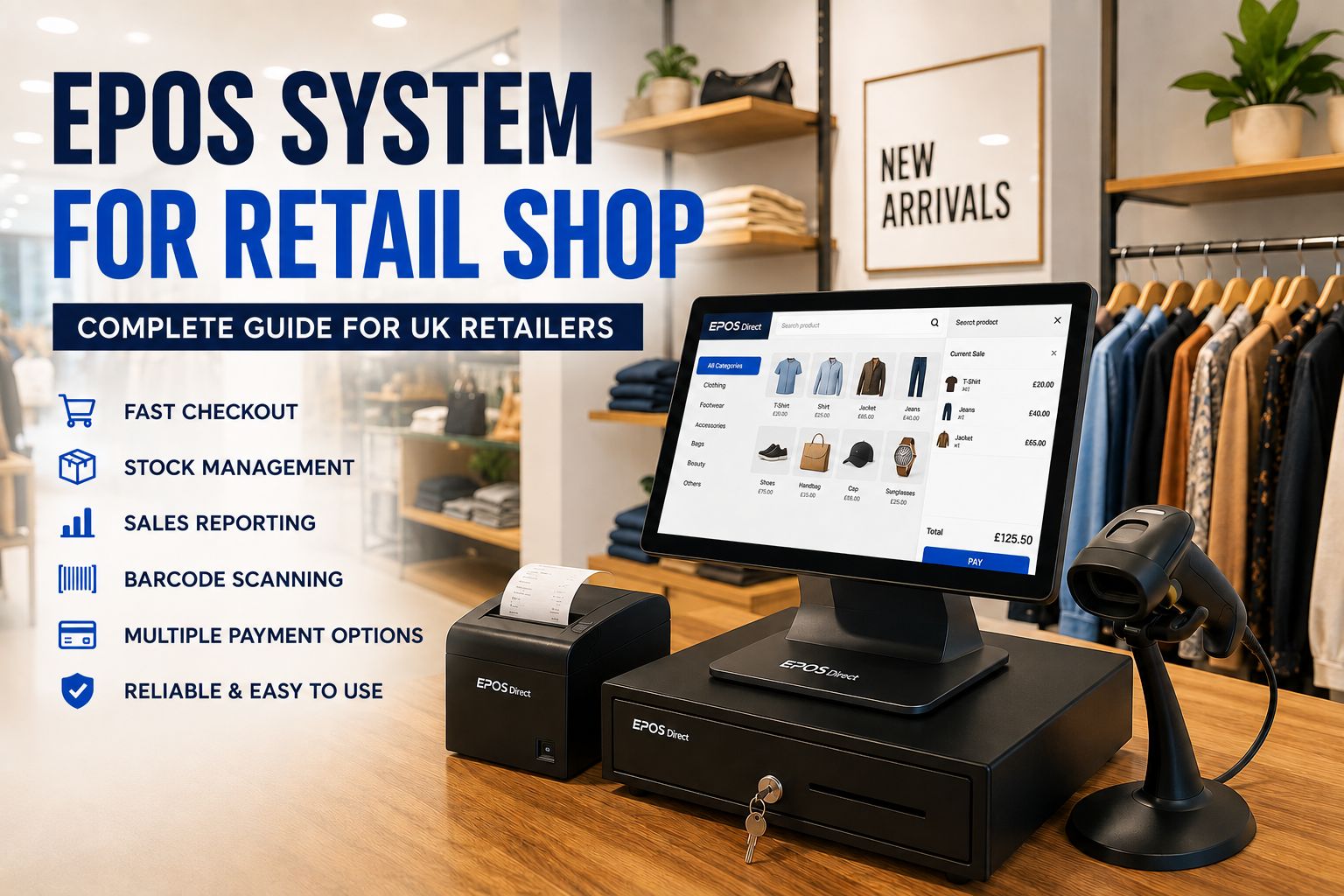
A complete setup typically includes:
- Touchscreen POS terminal
- Barcode scanner
- Receipt printer
- Cash drawer
Inventory and Reporting Tools
The best EPOS system for small business provides clear sales analytics and stock management features that help owners make data-driven decisions.
Long-Term Cost
Some providers charge expensive monthly subscriptions. Many businesses now prefer affordable EPOS systems that offer powerful functionality without ongoing software fees.
The Future of Retail Technology
Retail technology continues to evolve rapidly. Modern EPOS systems are no longer just payment tools - they are business management platforms that provide valuable insights into daily operations.
For small businesses competing in today’s fast-moving retail environment, access to accurate data and efficient workflows can make the difference between struggling and scaling successfully.
As more UK businesses adopt EPOS systems for retail and hospitality, those still relying on traditional tills risk falling behind.
Final Thoughts
Inventory mistakes, slow checkouts, and limited sales insights can cost retailers thousands every year. By implementing the right EPOS system, businesses gain the tools they need to operate more efficiently, manage stock accurately, and understand their sales performance in detail.
For small businesses looking to improve operational efficiency and customer experience, modern EPOS systems are no longer just a convenience - they are becoming an essential part of running a successful retail or hospitality business in the UK.

Recent Posts