We use cookies to make your experience better.
To comply with the new e-Privacy directive, you agree to the privacy policy and our use of cookies


Budget-Friendly EPOS Software for UK Retail & Hospitality: What to Look For
Affordable EPOS Software for UK Businesses: Get More for Less

Good EPOS software does not have to mean expensive EPOS software. For UK retailers, restaurants, cafés and independent traders, there are genuinely capable platforms available at every price point — the challenge is knowing which features are non-negotiable, where providers quietly add cost, and how to judge true value rather than headline price alone. This guide gives you the honest, practical framework to do exactly that.
What Is EPOS Software and Why Does the Price Vary So Much?
EPOS (Electronic Point of Sale) software is the brain of your till system. It processes transactions, manages stock, generates sales reports, handles staff permissions and — in more advanced builds — integrates with your accounting package, loyalty programmes and online ordering. The hardware (touchscreen terminals, receipt printers, card readers) is separate; the software is what makes it useful.
Price varies dramatically because the market is segmented into genuinely different tiers. At the lower end sit entry-level tablet-based apps with basic transaction recording and limited reporting. In the mid-range you find sector-specific platforms with real inventory management, table planning (for hospitality), and CRM tools. At the premium end, enterprise systems offer multi-site management, API integrations and dedicated account management. The right choice depends on your turnover, transaction volume and operational complexity — not simply on which option has the lowest monthly fee.
Two other major factors drive price variation: licensing model (subscription versus perpetual licence) and deployment model (cloud versus on-premise). Both are covered in detail below.
Key Features to Demand Even From a Budget EPOS System
Price concessions should never mean operational compromise on the essentials. Before you commit to any platform, confirm it delivers the following:
- Real-time stock management — automatic stock deduction at point of sale, low-stock alerts and the ability to run stock takes from the system.
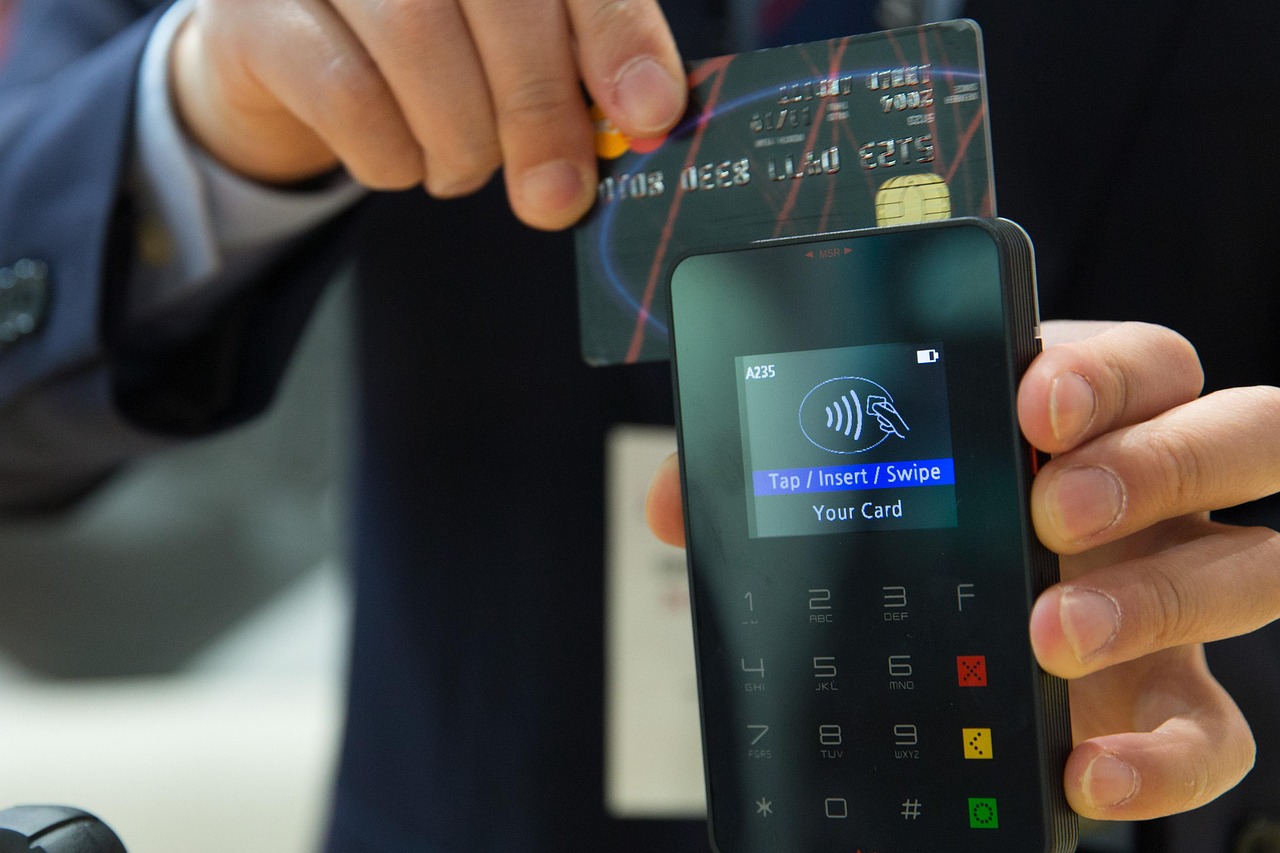
- Integrated card payments — seamless connection to your card machine removes manual keying errors and speeds up reconciliation. See our guide to combining a card machine and till system for why integration matters.
- End-of-day reporting — Z-reports, category sales breakdowns and staff performance data should be standard, not an upgrade.
- User permissions and staff management — the ability to restrict voids, refunds and discounts to authorised staff protects you against loss.
- HMRC-compliant VAT handling — the software must correctly apply and report VAT codes. UK businesses should verify compliance with Making Tax Digital (MTD) requirements; guidance is published at GOV.UK.
- Data backup and security — for cloud systems this is typically automatic; for on-premise installs, confirm the backup schedule and where data is stored.
- Reliable UK-based support — check support hours, contact channels and response-time commitments before you sign anything.
If a provider cannot confirm all seven of these as standard, the low price is not a saving — it is a risk.
How Much Does EPOS Software Actually Cost in the UK?
Costs in the UK market broadly fall into three tiers. These are indicative ranges based on typical market positioning and are not quotes — your actual cost will depend on the number of terminals, transaction volume and the specific feature set you require.
| Tier | Typical Monthly Cost (per terminal) | What You Generally Get | Best Suited To |
|---|---|---|---|
| Entry Level | Typically from £15–£40/month | Basic transactions, simple reporting, limited integrations | Sole traders, market stalls, very low-volume businesses |
| Mid-Range | Typically £40–£80/month | Stock management, staff controls, sector-specific features, card integration | Independent retailers, cafés, small restaurants, growing SMEs |
| Full-Featured / Professional | Typically £80–£150+/month | Multi-site management, advanced analytics, loyalty, full integrations, dedicated support | Multi-location retailers, busy restaurants, pharmacies, franchises |
Many providers also offer hardware-and-software bundles where the software licence is embedded into an all-inclusive monthly payment. This can make budgeting simpler, but always ask what happens to the hardware at the end of the contract term. For a broader look at total system costs, our guide to the most affordable EPOS systems for small UK businesses breaks this down further.
One question buyers consistently ask is: is there a decent till system that does not require a long contract? Yes — several providers, including EPOS Direct UK, offer flexible arrangements. Our guide to the best till systems for small businesses covers what to look for in contract terms.
Cloud-Based vs On-Premise EPOS: Which Is More Cost-Effective?
This is one of the most important structural decisions you will make, and "cheapest upfront" is rarely the right metric.
Cloud-Based EPOS Software
Software runs on remote servers and is accessed via the internet. Updates are automatic, data is backed up off-site and you can access reports from any device. Monthly subscription costs are predictable. The trade-off: you need a reliable broadband connection, and most cloud systems are designed to continue processing offline briefly before syncing — but prolonged internet outages can cause disruption. For most UK SMEs, cloud is the right default choice today.
On-Premise EPOS Software
Software is installed on a local server or terminal. There is typically a higher upfront licence fee (often running into several hundred to low thousands of pounds, depending on scale) with lower or zero ongoing subscription costs. Updates may need to be purchased or managed manually. On-premise can suit businesses in locations with poor connectivity, or those handling very high transaction volumes who want maximum local processing speed.
The Real Cost Comparison
When you account for hardware, installation, ongoing IT maintenance and the cost of updates, on-premise is rarely cheaper over a three-to-five-year window for businesses with one to three terminals. Cloud wins on total cost of ownership for most independents. Larger operations may find on-premise or hybrid models more economical at scale. Explore our EPOS software options to see which deployment model suits your setup.
EPOS Software for Retail vs Hospitality: Do You Need Different Solutions?
Yes — and this is a point that generic, low-cost platforms frequently get wrong. The operational logic of a clothing boutique and a restaurant are fundamentally different, and the software must reflect that.
Retail Requirements
Retail EPOS software needs robust SKU and barcode management, variant handling (size, colour, style), supplier purchase ordering, markdown and promotion management, and ideally an integration with any e-commerce platform you run alongside your physical shop. A clothing retailer, for example, needs the system to track a blue shirt in sizes 8 through 18 as distinct stock lines. Our article on the best EPOS systems for clothing shops in the UK goes into the specific requirements in detail.
If you sell in-store, view our retail EPOS offers or book a retail EPOS software demo to see the features in action.
Hospitality Requirements
A restaurant, café or pub needs table and course management, split billing, kitchen display system (KDS) integration, allergen and modifier handling, and often online ordering or reservation system links. Applying retail-focused software to a hospitality environment creates workarounds that slow service and introduce errors. If your business serves food or drink, explore our hospitality EPOS offers or request a restaurant EPOS software demo.
Specialist Sectors
Some industries — pharmacies being the most obvious example — require regulatory features that mainstream retail or hospitality platforms simply do not carry. Dispensing workflow management, PMR integration and controlled drug audit trails are not optional extras in that context. EPOS Direct UK offers a dedicated pharmacy solution; you can request a pharmacy EPOS software demo to see how it handles sector-specific compliance.
Hidden Costs to Watch Out for When Choosing Low-Cost EPOS Software
A headline monthly price rarely tells the whole story. Before signing any agreement, probe the following areas directly with the provider:
- Onboarding and installation fees — some providers charge separately for setup, data migration and staff training. Ask for a total first-year cost, not just the monthly subscription.
- Integration charges — connecting your EPOS to your accounting software, e-commerce platform or loyalty programme may incur an additional monthly fee per integration.
- Transaction or processing fees — certain platforms, particularly those offering built-in payments, apply a percentage per transaction. At meaningful volume this can dwarf the software subscription cost.
- Support tier limitations — entry-level plans often restrict you to email support or community forums. Phone and live-chat support may require a premium tier.
- Contract exit costs — check minimum terms and early-termination clauses. A seemingly affordable monthly fee attached to a five-year contract is a different proposition entirely.
- Hardware lock-in — some software licences are tied to proprietary hardware. If the hardware fails, you may be forced to purchase a replacement from the same supplier at their price.
- Feature gating — promotional pricing sometimes covers only a basic feature set; the features you actually need sit behind a higher tier. Always demo the version you intend to use.
Another question buyers frequently raise: can I use my own card machine, or must I take payments through the EPOS provider? This varies by platform. Our guide to the best wireless card machines for small businesses explains what to look for in payment flexibility.
Why EPOS Direct UK Offers Competitive Value Without Cutting Corners
EPOS Direct UK has been supplying point-of-sale systems to independent businesses, growing retailers and hospitality operators across the United Kingdom for many years. Our position is straightforward: competitive pricing should mean careful engineering and operational focus — not stripped-back features or opaque contract terms.
What that means in practice:
- Sector-specific software built for retail, hospitality and pharmacy — not generic platforms adapted awkwardly to fit.
- Transparent pricing structures with no hidden transaction levies on standard card processing.
- UK-based support teams who understand the operational realities of British SMEs.
- Flexible hardware options, including the ability to integrate with your existing card machine setup where compatible.
- Scalable licences that grow with your business — add terminals or locations without switching platforms.
For a complete overview of what we offer across all sectors, visit the EPOS Direct UK home page for current offers and further information, or read our complete guide to EPOS systems for small businesses for a deeper dive into the decision process.
Making the Right Choice: A Summary
Genuinely good-value EPOS software is defined by what it delivers per pound spent — not simply by its monthly price. For most UK businesses with one to five terminals, a cloud-based, sector-specific system in the mid-range tier will offer the best balance of capability, reliability and total cost. Avoid platforms that gate essential features, charge per transaction or bind you into long contracts without a clear exit path.
The EPOS Direct UK team works with businesses across retail, hospitality and specialist sectors every day, helping owners find a solution that fits their operation and their budget. Request a free demo to see our software in action with no obligation, or talk to an expert online if you would prefer to discuss your specific requirements first. There is no hard sell — just honest guidance from people who know the industry.
Written by the EPOS Direct UK team, specialists in EPOS and POS systems for UK businesses across retail, hospitality and specialist sectors.
Frequently asked questions
- What should a decent EPOS system cost for a small UK shop or café?
- For a single-terminal setup in the UK, entry-level EPOS software typically starts from around £20–£50 per month on a subscription model, while a full hardware and software bundle can range from £500 to £1,500 upfront. More advanced systems with multi-site management, stock control, and integrations may cost £75–£150 per month. EPOS Direct UK offers packages tailored to smaller businesses, so you only pay for what you actually need.
- Can I get reliable EPOS software without paying for features my business will never use?
- Yes. The best approach is to choose a provider that offers modular or tiered pricing, so you start with core functions like sales tracking, receipts, and basic stock control, then add modules such as table management or loyalty schemes only when your business needs them. EPOS Direct UK builds packages around your specific sector, avoiding unnecessary bloat.
- Is free or very cheap EPOS software safe to use for a UK business?
- Free EPOS solutions exist, but they often come with limitations on transaction volumes, limited UK-specific VAT reporting, poor customer support, and potential data security risks. For a trading business that relies on uptime and accurate financial records, investing in a reputable low-cost provider is far safer than using unsupported free software — especially when HMRC compliance and card payment integration are involved.
