We use cookies to make your experience better.
To comply with the new e-Privacy directive, you agree to the privacy policy and our use of cookies

Card Machine and Till System Combined: The Complete Guide for UK Businesses (2026)
Card Machine and Till System Combined: The Complete Guide for UK Businesses (2026)
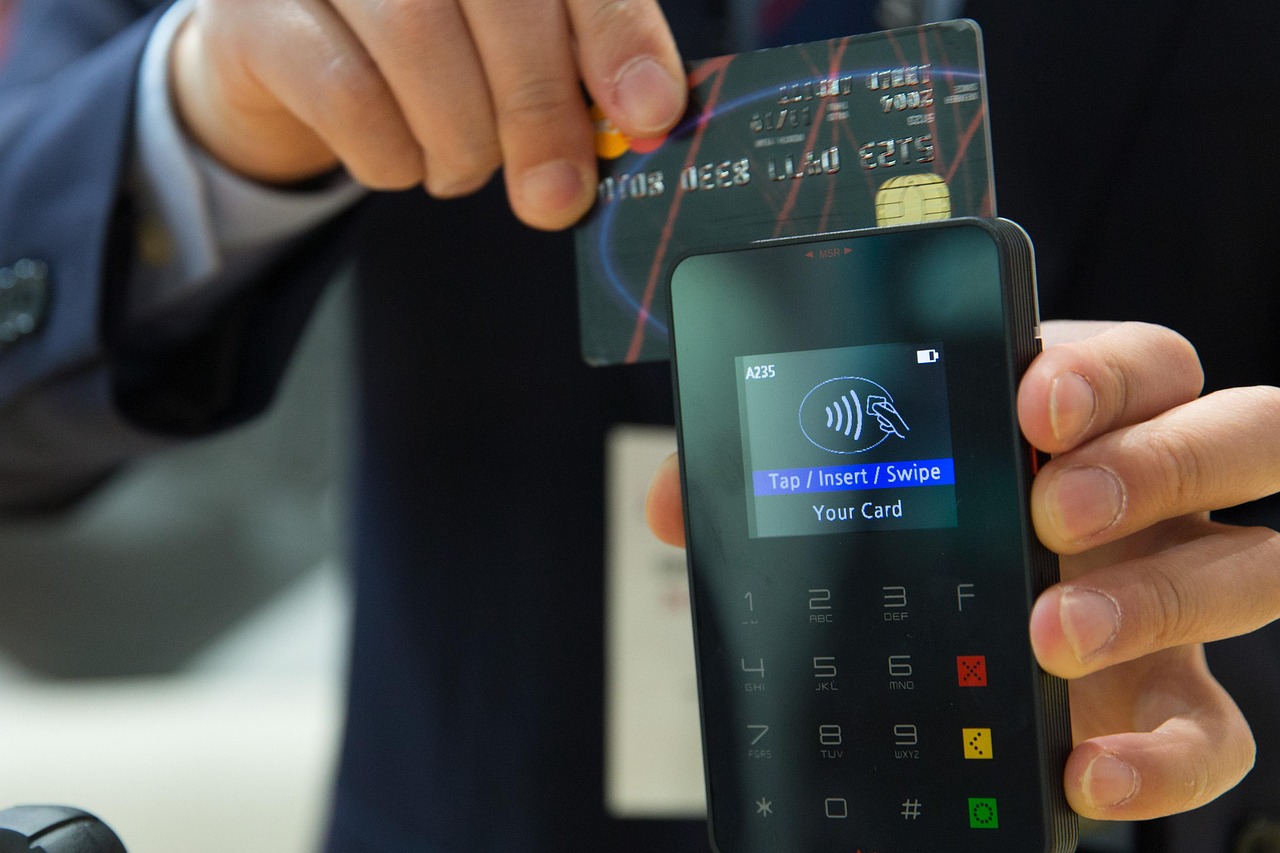
For UK businesses tired of juggling separate payment terminals, cash drawers and reporting systems, the answer is increasingly clear: a single, integrated till and card payment solution eliminates friction at the counter, reduces end-of-day reconciliation time, and gives owners a far cleaner view of their trading data. Modern all-in-one EPOS platforms combine touch-screen till software, inventory management and built-in card acceptance into one cohesive system — and choosing the right setup from the outset can save significant cost and operational headache down the line.
What Is an All-in-One EPOS and Payment Solution?
An integrated EPOS and card payment system is a point-of-sale setup in which the till software and the card terminal share a single data environment. Rather than a standalone card machine that sends transaction data to a separate back-office system, payment authorisation, receipt generation and sales reporting all happen within the same platform — automatically and in real time.
This contrasts with the traditional approach of pairing an independent card reader with a cash register or basic till. In that model, staff must manually reconcile two separate records, card payment totals and cash totals, at the end of every shift. With an integrated system, that reconciliation happens automatically, significantly reducing human error and saving time that is better spent serving customers.
The EPOS Direct UK team helps retailers, restaurants, cafés and service businesses across the United Kingdom choose and configure these systems every day — and the questions buyers ask most often are straightforward: Does it actually save time? Is it harder to set up than it looks? And what does it genuinely cost?
Key Benefits of Combining Your Till and Card Payments
The operational advantages of unifying your point of sale and payment acceptance are substantial, particularly for businesses with high transaction volumes or small teams.
- Faster checkout: Integrated systems push the transaction total directly to the card terminal, eliminating manual amount entry by staff and reducing the risk of keying errors.
- Accurate, unified reporting: Sales data, payment method breakdowns, and refund records are all captured in one report. No more comparing till rolls against card machine journals.
- Improved stock management: Every sale automatically updates inventory, whether paid by card or cash, giving you live stock levels without manual adjustment.
- Reduced training time: Staff learn one system rather than two separate interfaces, which is particularly valuable in high-turnover environments like hospitality.
- Simpler VAT and accounting: Integrated platforms can export clean transaction records directly to accounting software, reducing the bookkeeping burden at month end.
- Customer experience: A smooth, quick payment process — with no need for the cashier to type an amount into a separate terminal — creates a noticeably more professional impression.
For small businesses in particular, these efficiencies compound rapidly. If you are weighing up which setup is right for your size and budget, our practical guide to the best till systems for small businesses in the UK covers the decision framework in detail.
How Integrated Card Payments Actually Work with a Till System
Understanding the technical flow helps buyers ask better questions when evaluating suppliers. Here is how a typical integrated transaction works:
- The cashier processes items through the EPOS software and confirms the basket total.
- The EPOS software sends the exact transaction amount electronically to the paired card terminal — via a direct cable, local network connection, or cloud API, depending on the setup.
- The customer presents their card or device; the terminal handles authorisation through the payment processor's network (Visa, Mastercard, etc.).
- Authorisation result (approved or declined) is returned to both the terminal and the EPOS software simultaneously.
- If approved, the sale is recorded, stock is decremented, and a receipt can be printed or emailed — all without further staff input.
Modern systems use encrypted, PCI DSS-compliant connections between the EPOS software and the card terminal. The card data itself never passes through the till software, which keeps your compliance obligations straightforward. For a deeper look at integrated payment setups specifically, see our guide to EPOS systems with integrated card payments in the UK.
What to Look for When Choosing Your System
Not all integrated solutions are built equally. Below are the criteria that matter most when evaluating options for a UK retail or hospitality business.
Payment Processor Flexibility
Some EPOS providers lock you into a single payment processor, which removes your ability to negotiate transaction rates as your business grows. Look for systems that support multiple acquiring banks or processors, or at minimum offer transparent, competitive rates from the outset. Always ask whether you can bring your own merchant account.
Hardware Compatibility
Check whether the system uses proprietary hardware that can only be replaced through one supplier, or whether it runs on standard Android or Windows-based terminals. Proprietary ecosystems can mean higher replacement costs. If mobility matters — for tableside ordering, market stalls, or pop-up events — ensure the card terminal and software both support wireless operation. Our guide to the best wireless card machines for small businesses explores this in detail.
Software Features Relevant to Your Sector
A café needs table management and split-bill functionality. A retail shop needs barcode scanning, promotions management and purchase ordering. A pharmacy needs dispensing integration. Confirm the EPOS software is genuinely built for your sector rather than a generic system with surface-level customisation.
Reporting and Back-Office Access
Cloud-based back-office dashboards let owners review sales, stock levels and staff performance from any device. This is particularly valuable for multi-site businesses or owners who are not on-site every day. Ask whether reports can be exported in formats compatible with Xero, Sage or QuickBooks.
Support and Reliability
A till that goes down mid-service is a serious problem. Evaluate whether the provider offers UK-based telephone support, remote access troubleshooting, and an offline mode so the system continues to function if your internet connection drops.
| Selection Criteria | Why It Matters | Questions to Ask Your Provider |
|---|---|---|
| Payment processor flexibility | Affects your transaction rates long-term | Can I use my own merchant account? Are rates fixed or negotiable? |
| Hardware ownership model | Determines replacement cost and flexibility | Do I own the hardware outright, or is it leased? What happens at contract end? |
| Sector-specific software | Generic systems often lack critical features | Can I see a live demo configured for my business type? |
| Cloud reporting | Enables remote oversight and accountant access | Which accounting platforms does it integrate with natively? |
| Offline functionality | Prevents revenue loss during connectivity issues | What exactly works offline — payments, receipts, stock updates? |
| UK-based support | Reduces downtime during busy trading periods | What are support hours? Is telephone support included in the package? |
Integrated Till and Card Solutions for UK Retail and Hospitality
The right configuration varies considerably by sector. Here is how requirements typically differ — and what to prioritise in each context.
Retail
Retail setups benefit most from tight inventory integration: every card or cash sale should decrement stock in real time, with low-stock alerts and reorder triggers built in. Barcode scanning via a connected scanner or the till screen itself accelerates checkout, and promotions or discount management should be straightforward for staff to apply. If you are considering upgrading from an older cash register, our guide on switching from a cash register to a modern EPOS system walks through exactly what to expect. You can also explore our retail EPOS offers to see current packages.
Hospitality and Restaurants
For restaurants, cafés, bars and takeaways, the card terminal often needs to travel to the table — making a wireless, handheld integrated solution essential rather than optional. Table mapping, course management, kitchen display integration and split-bill payment are features that generic retail systems rarely handle well. If you run a food-service business, our hospitality and restaurant EPOS offers are configured specifically for these workflows, and you can book a restaurant EPOS software demo to see the platform in action.
Pharmacies and Specialist Retail
Pharmacies require dispensing system integration, age-verification prompts and prescription payment handling alongside standard retail transactions. A general-purpose system will rarely cover these adequately out of the box. If this applies to your business, a pharmacy EPOS software demo will show you exactly how the compliance and dispensing workflows are handled.
What Does an Integrated Till and Card Payment System Cost in the UK?
Pricing varies based on hardware specification, number of terminals, software tier and whether you purchase outright or subscribe monthly. The following ranges are honest indicative guidance for the UK market — not exact quotes — and your actual cost will depend on your specific configuration.
Indicative Cost Ranges
- Entry-level single-terminal setup (small retail or café): typically from around £20–£40 per month on a subscription model, or from approximately £500–£900 as a one-off hardware purchase with separate software licensing.
- Mid-range setup (multiple terminals, cloud back-office, receipt printer, cash drawer): most setups fall between £50–£120 per month on subscription, or £1,200–£2,500 for outright purchase with a software licence fee.
- Multi-site or hospitality configurations (kitchen displays, handheld terminals, table management): indicatively £100–£300+ per month depending on site count and feature requirements.
Transaction fees on card payments are separate from EPOS costs and are set by your acquiring bank or payment processor — typically ranging from around 0.5% to 1.75% per transaction for UK card payments, depending on volume and card type. Always request a full fee schedule from any provider before committing.
If you are weighing up whether a monthly subscription or outright purchase makes better financial sense for your business, our detailed analysis of monthly EPOS subscription versus outright purchase covers the break-even maths and contract considerations clearly. You will also find a wide range of current packages and pricing information on the EPOS Direct UK home page.
How to Get Started with EPOS Direct UK
Getting set up with an integrated till and card payment solution through EPOS Direct UK is a straightforward process designed to minimise disruption to your trading day.
- Understand your requirements: Consider how many terminals you need, whether you require wireless card acceptance, and which software features are non-negotiable for your sector.
- See the software live: Before committing to any system, watch it handle real scenarios relevant to your business. You can request a free demo at a time that suits you, or explore our EPOS software to review features in your own time.
- Get expert advice: Every business has different constraints around budget, layout and trading patterns. Talk to an expert online to get a recommendation tailored to your specific situation rather than a generic package.
- Review your options: Whether you run a small independent shop, a multi-site restaurant group or a specialist pharmacy, our team can configure a system around your needs rather than asking you to fit your business around a rigid product.
If you would prefer to speak directly with the team, you can also request a call back and one of our UK-based specialists will be in touch at a convenient time.
Making the Right Decision for Your Business
An integrated till and card payment setup is no longer a luxury reserved for large retail chains — it is a practical, accessible investment that pays for itself quickly through time saved, errors avoided and cleaner financial data. The key is choosing a system built for your sector, with transparent payment processing costs, genuine UK-based support, and software flexible enough to grow with your business.
If you are comparing providers and want an objective view of how solutions stack up, our complete 2026 EPOS competitor comparison guide provides an independent breakdown. And if you run a smaller independent shop, our focused guide to the best till systems for small shops in the UK covers the specific considerations that apply at that scale.
EPOS Direct UK has been helping businesses across the UK find, configure and support integrated EPOS and payment solutions for years. Whether you are opening your first site or consolidating a growing estate onto a single platform, our team is ready to help you make a confident, well-informed decision — without the jargon.
Written by the EPOS Direct UK team, who work with retail, hospitality and specialist businesses across the United Kingdom to select, configure and support integrated EPOS and payment systems every day.
Frequently asked questions
- Can I use one device as both a card machine and a till system?
- Yes. Modern all-in-one EPOS systems combine a touchscreen till with an integrated card payment terminal, allowing you to process sales, manage stock and accept card payments from a single device. Solutions like those from EPOS Direct UK are designed specifically for this purpose and work with major UK card payment providers.
- Do I need a separate card machine if I already have a till system?
- Not necessarily. If your existing till supports integrated payment processing, you can connect a card reader directly to it. However, many older till systems require a standalone terminal. Upgrading to a combined EPOS and card machine system eliminates the need for two separate devices, reduces transaction errors and speeds up the checkout process.
- What are the transaction fees for a combined till and card machine system in the UK?
- Transaction fees vary depending on your payment processor and contract. Typical UK rates range from 0.3% to 1.75% per transaction for card payments. With an integrated EPOS system from EPOS Direct UK, you can often negotiate competitive rates through partnered payment providers, and consolidating your hardware can also reduce your overall monthly costs.
