We use cookies to make your experience better.
To comply with the new e-Privacy directive, you agree to the privacy policy and our use of cookies

The Best Wireless Card Machines for Small Businesses in the UK: A Practical Guide
The Best Wireless Card Machines for Small Businesses in the UK: A Practical Guide
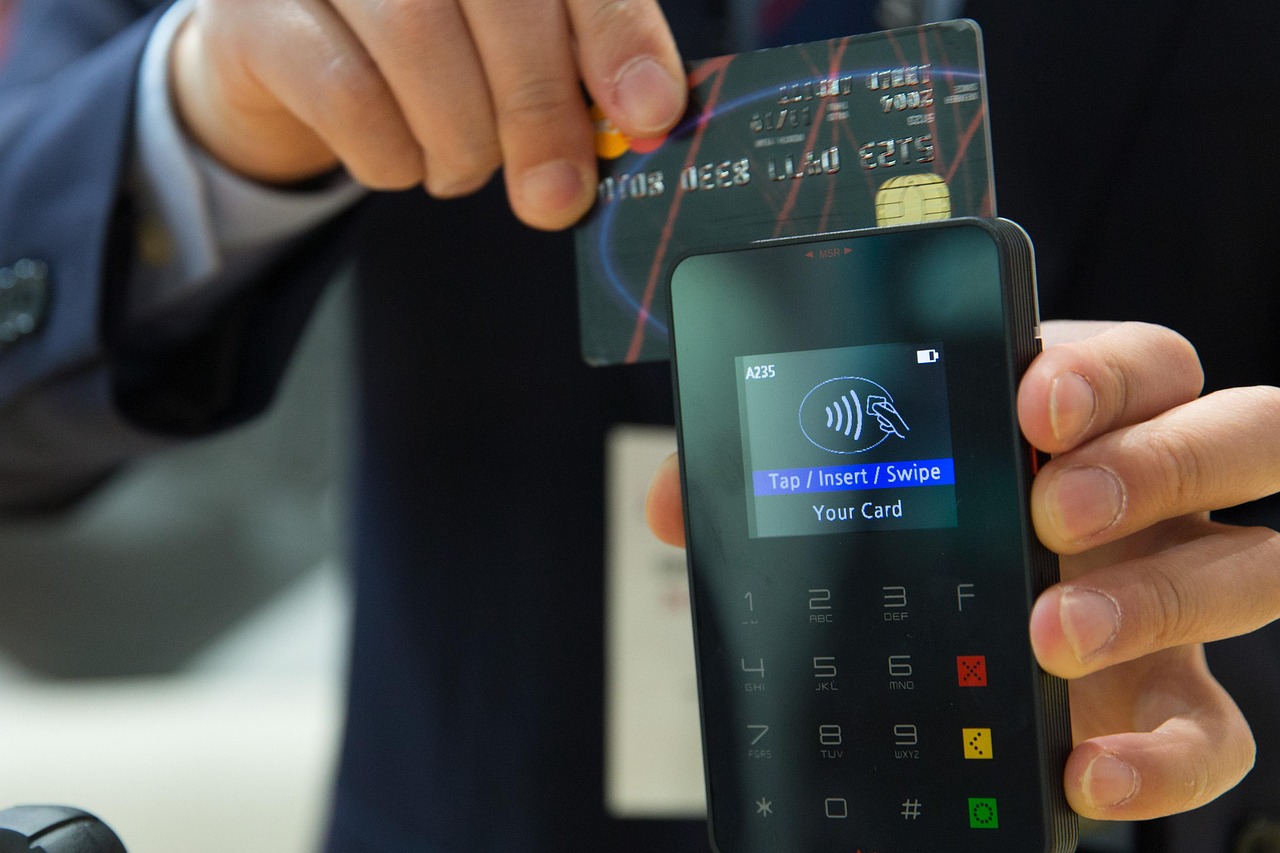
For UK small businesses — from independent retailers and market traders to cafés and mobile therapists — the ability to accept card payments anywhere, without being tethered to a counter, has become a fundamental operational requirement rather than a luxury. The right wireless card machine removes friction at the point of sale, reduces lost sales from cash-only frustration, and, when paired with a capable EPOS system, feeds real-time data into stock, sales, and reporting tools automatically. This guide cuts through the noise to help you identify which type of wireless payment terminal suits your business, what to expect on fees and contracts, and how to get the most from your investment.
Why Small Businesses Are Moving Away From Fixed Card Terminals
The shift is driven by practical necessity. Customers now expect to tap and pay — with a card, phone, or wearable — at any point of service, whether that is a table in a restaurant, a market stall, or a treatment room. Fixed card machines restrict where a transaction can happen, which directly affects average spend and customer satisfaction.
Beyond convenience, wireless terminals now deliver the same security standards as countertop units. All terminals sold in the UK must comply with PCI DSS (Payment Card Industry Data Security Standard), and contactless limits have matured to a point where the vast majority of everyday transactions complete with a single tap. The commercial case for going wireless is, for most small businesses, straightforward.
If you are also weighing up your broader technology setup, our guide to the best till systems for small businesses in the UK covers how payment hardware fits into a complete point-of-sale picture.
Key Features to Look for in a Wireless Card Machine
Not every wireless terminal is built for the same environment. Before shortlisting options, evaluate each of the following criteria against your specific trading conditions.
- Connectivity type: Wi-Fi, Bluetooth, and 4G/SIM-based connectivity each suit different scenarios (covered in detail below). Some terminals support multiple modes, which adds resilience.
- Battery life: For all-day trading — markets, festivals, or busy restaurant services — look for terminals rated at eight hours or more of active use. Confirm whether the battery is replaceable or hot-swappable.
- Receipt options: Built-in thermal printers are useful for retail environments; digital-only receipts (email or SMS) keep hardware minimal for mobile operators.
- Accepted payment methods: Chip-and-PIN, contactless, Apple Pay, Google Pay, and Samsung Pay are table stakes. If your customers use American Express, verify acceptance before committing.
- Screen quality and UI: A clear, responsive touchscreen reduces transaction errors during busy periods, particularly in hospitality where staff turnover is high.
- EPOS integration: A terminal that communicates with your till software eliminates double-entry, reduces reconciliation errors, and keeps stock levels accurate in real time.
- Contract flexibility: Some providers lock you in for 12–36 months; others offer rolling monthly arrangements. Understand early termination fees before signing.
Types of Wireless Card Machines: Wi-Fi, Bluetooth, and 4G Explained
Understanding the underlying connectivity helps you match the terminal to your environment rather than discovering a mismatch after deployment.
Wi-Fi Terminals
These connect to your premises' broadband router in the same way a smartphone does. They are well-suited to fixed or semi-fixed locations — a restaurant, a shop floor, or a salon — where reliable Wi-Fi coverage already exists. The trade-off is dependency on your internet connection; if the router goes down, so does the terminal unless a failover is built in.
Bluetooth Terminals
Bluetooth terminals pair directly with a tablet, phone, or EPOS device and are typically compact and lightweight. They are popular with sole traders, market traders, and mobile therapists. Range is limited (usually to around ten metres), which makes them ideal for close-proximity use rather than a large floor area.
4G/SIM-Enabled Terminals
These carry their own mobile data SIM, making them genuinely location-independent. A 4G terminal works at outdoor markets, festivals, pop-up events, or anywhere with a mobile signal. They are the most versatile option and the natural choice for any business that trades away from a fixed premises. Data costs are typically bundled into the terminal contract or rental fee.
Dual-Connectivity Models
An increasing number of mid-range and premium terminals support both Wi-Fi and 4G, automatically falling back to mobile data if the broadband connection drops. For a busy hospitality venue or a high-volume retailer, this redundancy is worth the modest additional cost.
How Wireless Card Machines Integrate With Your EPOS System
A standalone terminal that does not talk to your till creates reconciliation headaches and leaves your stock data perpetually out of sync. The real operational gain comes from pairing your payment hardware with EPOS software that handles the handshake automatically — the terminal receives the total from the till, processes the payment, and posts the confirmed transaction back to the system without any manual intervention.
This integration matters most in retail (where stock depletion needs to be immediate) and hospitality (where table management, split bills, and kitchen orders are all linked). Our dedicated guide to card machines and till systems combined explains the technical and commercial considerations in full, while our overview of EPOS systems with integrated card payments covers the leading UK options for businesses wanting a single, unified solution.
EPOS Direct's own software is purpose-built for this kind of integration. If you would like to see it in action before committing, you can book a retail EPOS software demo or, for food-service businesses, access a restaurant EPOS software demo online.
Transaction Fees and Contract Costs: What UK Businesses Actually Pay
This is the question every business owner asks first — and rightly so, because the headline terminal cost is rarely the whole story. The figures below are honest indicative ranges based on typical UK market conditions; your actual rates will depend on your monthly card turnover, business type, and chosen provider.
Transaction Rates
- Pay-as-you-go / no monthly fee models: Transaction rates are typically higher to compensate for the absence of a fixed fee — often in the range of 1.5%–2.5% per transaction for consumer cards. These suit very low-volume traders. For more detail, see our guide to card machines with no monthly fee.
- Fixed monthly fee models: A monthly subscription — typically from around £15 to £50 per month per terminal — unlocks lower per-transaction rates, often between 0.3% and 1.0% for consumer debit and credit cards. High-volume businesses almost always save money this way.
- Blended vs. interchange-plus pricing: Blended rates (a single percentage regardless of card type) are simpler to budget. Interchange-plus pricing passes the actual interchange cost through and adds a fixed margin — it is more complex but can be cheaper for businesses accepting a high proportion of premium or corporate cards.
Hardware Costs
- Purchase outright: Entry-level Bluetooth terminals can be purchased for as little as £20–£50 from some providers; mid-range 4G terminals with printers typically cost £150–£350 to buy outright.
- Rental / subscription: Many UK providers offer terminals on a rental basis, typically from £10–£30 per month per device, often with software updates and replacement included.
- EPOS bundle pricing: When hardware is taken as part of a complete EPOS system, the terminal cost is usually absorbed into the overall package — often making bundles the most cost-effective route for businesses that need both a till and payment processing.
Comparing Wireless Terminal Approaches: A Practical Overview
| Terminal Type | Best For | Connectivity | Typical Hardware Cost | Key Limitation |
|---|---|---|---|---|
| Bluetooth (compact) | Mobile traders, sole traders, therapy | Paired to phone/tablet | From ~£20–£80 (purchase) | Short range; depends on host device |
| Wi-Fi terminal | Shops, salons, fixed hospitality | Premises Wi-Fi | From ~£100–£250 (purchase) | Offline risk if broadband fails |
| 4G/SIM terminal | Markets, events, mobile businesses | Mobile network | From ~£150–£350 (purchase) | Signal-dependent; data costs apply |
| Dual (Wi-Fi + 4G) | High-volume retail and hospitality | Wi-Fi primary, 4G failover | From ~£200–£400 (purchase) | Higher upfront or rental cost |
| Integrated EPOS terminal | Any business wanting unified system | Wi-Fi / 4G (varies) | Part of EPOS bundle pricing | Requires compatible EPOS platform |
All cost ranges are indicative and reflect typical UK market conditions at the time of writing. Contact providers directly for current pricing tailored to your business.
Choosing the Right Terminal for Your Business Size and Sector
There is no universal best option — the right terminal depends on your trading environment, transaction volume, and whether you are working within an existing EPOS ecosystem or starting from scratch.
Independent Retail
Retailers generally benefit from a Wi-Fi or dual-connectivity terminal tightly integrated with their EPOS software, ensuring stock levels update the moment a sale completes. If you trade at weekend markets or fairs as well as in-store, a 4G-capable model gives you coverage in both settings. Our complete EPOS guide for small businesses is a useful companion resource here.
Cafés and Restaurants
Tableside payment is increasingly expected. A Wi-Fi-based handheld terminal that connects to your EPOS for split-bill processing and covers your whole floor area is the priority. For larger or multi-floor venues, dual-connectivity provides the resilience that busy services demand. You can explore our current hospitality and restaurant EPOS offers to see bundled configurations designed for F&B environments.
Market Traders and Mobile Businesses
A 4G terminal — or a Bluetooth terminal paired with a mobile phone's data connection — is the practical choice. Prioritise battery life above all else, and confirm that the SIM plan included (or available) covers the areas you trade in.
Salons, Clinics, and Service Businesses
A compact Bluetooth or Wi-Fi terminal that pairs with appointment and booking software is typically sufficient. Look for a provider whose software integrates with your existing booking platform to avoid re-keying transaction data manually.
Multi-Location or Growing Businesses
If you are operating across more than one site — or anticipate growth — choose a platform that supports centralised reporting across terminals. An integrated EPOS solution becomes significantly more valuable at this scale, giving you one dashboard for sales, stock, and performance across all locations. Our overview of EPOS systems for UK retail and hospitality covers what to look for as businesses scale.
Questions Worth Asking Before You Commit
What happens if the connection drops mid-transaction? Ask each provider whether their terminal stores transactions offline and processes them once connectivity is restored, or whether a dropped connection means a failed sale. For market traders and event caterers, offline mode is not optional.
Are there minimum monthly turnover requirements? Some UK merchant service providers require a minimum processing volume. If you are a seasonal or very early-stage business, pay-as-you-go may be more appropriate until your volume grows, even if the per-transaction rate is marginally higher.
What support is available if the terminal fails? Next-business-day hardware replacement is standard with many providers; same-day support is rarer and usually commands a premium. If a failed terminal means lost revenue, factor the support tier into your total cost comparison.
Conclusion: Getting the Setup Right From the Start
A wireless card machine is only as effective as the system it connects to. Businesses that pair capable payment hardware with well-integrated EPOS software see measurable gains in speed of service, stock accuracy, and end-of-day reconciliation time. Those that treat the terminal as an afterthought — buying on price alone without considering connectivity, battery life, or integration — often find themselves locked into contracts that do not fit their workflow.
EPOS Direct UK works with independent retailers, hospitality businesses, and service providers across the UK every day, helping them find payment and EPOS configurations that genuinely match their trading environment and ambitions. Whether you are equipping a single-person business or a multi-site operation, the right combination of hardware and software makes a tangible difference. Visit our home page for current offers and more information, or take the next step by speaking with a specialist: talk to an expert online, request a free demo, or request a call back at a time that suits you.
Written by the EPOS Direct UK team, who support UK businesses with EPOS and POS systems every day. For sector-specific guidance, explore our affordable EPOS systems guide for small businesses or read the complete EPOS Direct guide to understand everything our platform offers.
Frequently asked questions
- What is the difference between a standalone card machine and one linked to an EPOS system?
- A standalone card machine processes payments independently but does not sync with your stock, sales reports, or receipts. A card machine integrated with an EPOS system automatically updates inventory, records the sale against your reporting dashboard, and can trigger printed or digital receipts — saving time and reducing human error. For small businesses handling more than a handful of transactions daily, an integrated solution quickly pays for itself in staff efficiency alone.
- How much does a wireless card machine cost for a small business in the UK?
- Costs vary widely depending on the model and provider. Basic portable card readers from providers like SumUp or iZettle can start from around £19–£49 as a one-off hardware purchase, with transaction fees of 1.69%–2.5% per sale and no monthly contract. More capable countertop or mobile terminals integrated with an EPOS system typically cost £100–£350 for the hardware, with monthly service fees from around £15–£50 and lower negotiated transaction rates — often 0.3%–1% depending on your monthly turnover. Always compare the total cost of ownership over 12–24 months rather than just the upfront price.
- Can I use a wireless card machine outdoors or at markets and events?
- Yes — a 4G-enabled card machine is the best choice for outdoor use, markets, pop-up events, or any location without reliable Wi-Fi. These devices use a SIM card to connect to mobile data networks, so they work wherever you have a phone signal. Make sure to check the device's IP rating for dust and splash resistance if you will be trading outdoors regularly, and confirm that your provider's SIM covers the regions where you trade.
