We use cookies to make your experience better.
To comply with the new e-Privacy directive, you agree to the privacy policy and our use of cookies


The Best EPOS Systems for Clothing Shops in the UK: What Retailers Need to Know
EPOS Systems for Clothing Shops in the UK: Features, Costs and How to Choose
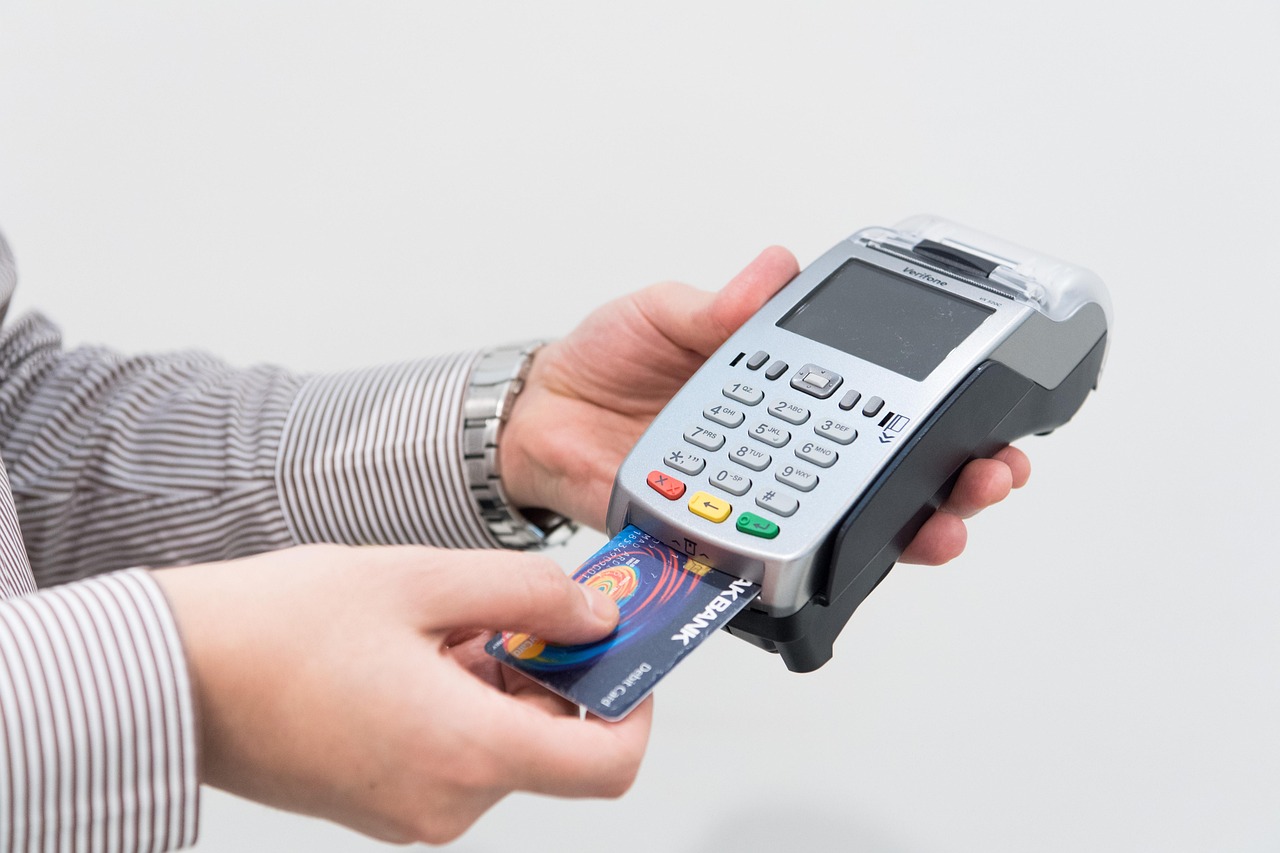
A well-chosen EPOS system transforms the day-to-day running of a clothing shop — from tracking hundreds of size and colour variants without losing a sale, to generating the sales intelligence that drives smarter buying decisions each season. For UK clothing retailers, whether you run a single boutique or a growing multi-branch operation, the right point-of-sale setup is less a luxury and more a fundamental trading tool. This guide covers everything you need to evaluate, select, and get the most from an EPOS solution built for fashion retail.
Why Clothing Retailers Have Unique Technology Needs
A standard cash register — or even a generic retail till — quickly becomes a liability in a clothing environment. Fashion stock is inherently complex: a single style of jeans may exist across six waist sizes, three leg lengths, and four washes. Multiply that across a full seasonal range and you have an inventory matrix that demands structured, intelligent management rather than manual workarounds.
Beyond stock complexity, clothing retailers deal with high volumes of exchanges and returns (sizing issues are unavoidable), seasonal demand swings, promotional pricing, loyalty customers who shop across multiple channels, and — increasingly — the need to sell online and in-store from a single unified inventory. A specialist retail EPOS system addresses all of these challenges in a way that a basic till simply cannot.
If you are evaluating your options more broadly, our complete guide to EPOS systems for small businesses provides a helpful wider context, and the EPOS Direct UK home page offers current deals and further information across all retail sectors.

Essential Features to Look for in a Clothing Shop EPOS System
Not every feature in a retail EPOS platform is relevant to a fashion business. Prioritise the following when building your shortlist:
- Matrix inventory management — the ability to create product variants by size, colour, and style, with individual SKUs, barcodes, and stock levels per variant.
- Barcode scanning and label printing — essential for speed at the till and for accurate stock takes; look for integrated or compatible label printers that handle clothing tags.
- Promotions and discount engine — percentage reductions, multi-buy offers, end-of-season clearance rules, and staff discounts need to be configurable without calling a developer.
- Customer profiles and loyalty — recording purchase history enables personalised recommendations, targeted marketing, and smooth handling of returns without a receipt.
- Integrated card payments — a seamless link between the till and your card terminal eliminates keying errors and speeds up transactions. For a detailed look at combined solutions, see our guide to card machines and till systems combined.
- Omnichannel stock sync — if you sell online as well as in-store, real-time inventory synchronisation prevents overselling and the customer service headaches that follow.
- Returns and exchanges workflow — a structured process that credits the right account, restocks the right variant, and produces a clear audit trail.
Managing Stock by Size, Colour and Variant: How EPOS Makes It Simple
This is where a clothing-specific EPOS earns its keep. Matrix or grid-based inventory lets you set up a parent product — say, a linen shirt — and then define attributes: size (XS through XXL), colour (white, navy, sage), and fit (slim, regular). The system generates individual variant records automatically, each with its own barcode, stock count, and reorder threshold.
At the point of sale, a single barcode scan pulls up the exact variant so there is no ambiguity about what has been sold. Stock levels update in real time. When a particular size begins to run low, the system flags it for reorder before you reach zero — preventing lost sales on your best-selling lines.
Stocktaking Made Manageable
Manual stock counts in a clothing shop can consume entire trading days. Modern EPOS platforms support rolling stocktakes using handheld scanners or even a tablet camera, allowing your team to count individual bays or rail sections without closing the shop. Discrepancies are flagged immediately, which is invaluable for identifying shrinkage by product type or location.
Supplier and Purchase Order Management
A good clothing EPOS system connects your reorder triggers to a purchase order module. When stock of a variant drops below your defined minimum, you can raise a purchase order directly within the system, email it to your supplier, and receive the delivery against that order — with variant-level stock automatically updated on receipt. This closes the loop between selling and buying in a way that manual spreadsheets simply cannot replicate.
Integrated Payments, Receipts and Returns for Fashion Retailers
Clothing customers expect a frictionless experience at the till. Long queues during peak periods — Saturday mornings, the January sales, back-to-school season — damage your reputation and cost you sales. Integrated card payments, where the till and the card terminal communicate directly, remove the double-keying step and reduce transaction time meaningfully.
Modern systems support contactless, chip and PIN, mobile wallets (Apple Pay, Google Pay), and gift cards through a single device. Digital receipts sent by email or SMS reduce paper waste and, importantly, give customers proof of purchase that cannot be lost — which simplifies genuine returns and makes fraudulent return attempts easier to identify.
For retailers exploring their payment hardware options, our guide to the best card payment machines for small businesses covers the UK market in detail. If minimising ongoing costs is a priority, you may also find our comparison of card machines with no monthly fee useful.
Handling Exchanges and Refunds Properly
Returns in fashion retail are among the highest of any sector. Your EPOS should make it simple for staff to process a refund to the original payment method, issue store credit, or convert a return directly into an exchange — all while restocking the correct variant and recording the transaction against the customer's profile. A clear, auditable returns workflow also protects you against return fraud, which is a genuine operational cost for clothing shops.
Cloud Reporting and Sales Insights for Clothing Boutiques and Multi-Branch Stores
The commercial decisions that define a profitable clothing business — what to buy, in what quantities, at what price point — are only as good as the data behind them. Cloud-based EPOS reporting gives owners and buyers access to performance data from anywhere, at any time, without needing to be on the shop floor.
Reports That Actually Drive Better Buying
- Best and worst sellers by variant — understand not just which styles sell, but which sizes and colours move fastest, so you never over-buy slow movers.
- Sell-through rate by category — measure how efficiently you are clearing each season's intake before markdown pressure builds.
- Hourly and daily footfall patterns — correlate transaction volumes with staffing levels to optimise your rota.
- Margin by supplier or category — identify where your most profitable stock comes from to inform future buying conversations.
- Cross-branch comparison — for multi-location retailers, a single cloud dashboard shows which branches are outperforming and which need attention, without requiring a physical visit.
To explore the reporting and management capabilities available, you can book a retail EPOS software demo with the EPOS Direct team and see the interface with your own eyes before committing.
What Does an EPOS System Cost for a UK Clothing Shop?
Cost is inevitably one of the first practical questions any retailer asks, and the honest answer is that pricing varies considerably depending on hardware specification, the number of tills, software tier, and payment processing arrangements. The following table gives indicative market ranges to help frame your budget — these are approximate guidance figures, not formal quotes.
| Setup Type | Typical Hardware Cost (one-off, indicative) | Typical Software Cost (per month, indicative) | Best Suited To |
|---|---|---|---|
| Single till, entry-level system | From approximately £300–£600 | From approximately £20–£40/month | New boutiques, market traders, pop-ups |
| Single till, full retail EPOS | From approximately £600–£1,200 | From approximately £40–£80/month | Established independents, single-location boutiques |
| Multi-till, single site | From approximately £1,200–£2,500 | From approximately £60–£120/month | Larger independents, small chains with busy peak periods |
| Multi-site cloud system | Hardware per branch as above | From approximately £80–£200+/month | Regional chains, franchise operators, growing brands |
All figures above are indicative ranges based on typical UK retail EPOS market pricing at time of writing. Actual costs depend on your specific requirements, chosen hardware, and commercial arrangement. Always request a tailored quote.
Is There a No-Monthly-Fee Option?
Some retailers — particularly those in early trading stages — ask whether it is possible to avoid ongoing software fees. This is worth exploring carefully, as the trade-offs (feature limitations, lack of cloud reporting, limited support) can cost more than they save in a growing clothing business. Our article on EPOS systems with no monthly fee sets out exactly what to expect from those arrangements so you can make an informed comparison.
Total Cost of Ownership
Beyond hardware and software, factor in installation and training, ongoing support contracts, payment processing rates, and any integration costs for connecting to your e-commerce platform. Viewed over a three-year horizon, a slightly higher monthly software fee from a reliable provider often delivers better value than a cheaper system with limited support and functionality gaps that require manual workarounds.
Choosing the Right System: A Quick Decision Framework
With several solutions available in the UK market, narrowing down your choice requires honest answers to a handful of questions:
- How complex is your variant structure? If you stock fewer than 50 SKUs, a simpler system may suffice. Hundreds of variants across multiple categories demands a proper matrix inventory engine.
- Do you sell online as well as in-store? If yes, omnichannel sync is non-negotiable. Confirm the specific e-commerce platforms (Shopify, WooCommerce, etc.) the system integrates with natively.
- How many locations do you operate? A single-site boutique has very different needs from a five-branch regional chain. Multi-branch cloud reporting changes the ROI calculation significantly.
- What level of support do you need? UK-based support, available during trading hours, is essential — not a nice-to-have — when your till goes down on a Saturday morning.
- What is your realistic budget? Separate capital budget (hardware) from ongoing operational cost (software, support, processing), and evaluate both. Our guide to affordable EPOS systems for small businesses can help if budget is a primary constraint.
Why UK Clothing Retailers Choose EPOS Direct
EPOS Direct has been supplying and supporting retail point-of-sale systems across the United Kingdom for many years, working with independent boutiques, fashion chains, and everything in between. The team understands the operational realities of clothing retail — the seasonal stock pressure, the variant complexity, the return volumes — and builds that understanding into every system recommendation and implementation.
Every setup is backed by UK-based support, with specialists available to help whether you are configuring your matrix inventory for the first time or expanding to a second site. Hardware, software, and payment processing are available as a joined-up package, removing the friction of managing multiple suppliers for different parts of your system.
If you are ready to see the platform in action, you can request a retail software demo at a time that suits you, or talk to an expert online to discuss your specific requirements without any commitment. Alternatively, browse the current retail EPOS offers to see what packages are available right now.
Written by the EPOS Direct UK team, who work with clothing retailers and other UK businesses every day to specify, install, and support point-of-sale systems that genuinely improve retail operations.
Conclusion
A clothing shop EPOS system is an investment in cleaner stock control, faster transactions, smarter buying, and a better customer experience — all of which translate directly into profitability. The key is choosing a system with genuine variant management capability, integrated payments, strong reporting, and dependable UK support behind it. EPOS Direct UK brings all of that together in one place. To get started, request a free demo or request a call back from the team — and discover how straightforward upgrading your retail setup can be.
Frequently asked questions
- Can an EPOS system handle clothing variants like sizes and colours?
- Yes. A good retail EPOS system lets you create product matrices so each item is tracked by size (XS to XL and beyond) and colour variant individually. This means you always know exactly what stock you have on the shelf, can reorder at the right time and avoid overselling popular lines. EPOS Direct's clothing retail solution includes full variant management as standard.
- How much should I expect to pay for an EPOS system for my clothing shop in the UK?
- Costs vary depending on the size of your shop and the hardware you need. For a single-till setup, UK clothing retailers typically pay anywhere from £300 to £800 for hardware (touchscreen terminal, barcode scanner, receipt printer and cash drawer) and a monthly software licence starting from around £25 to £60 per month. Multi-till or multi-site setups cost more but often benefit from volume pricing. EPOS Direct offers flexible pricing and finance options to suit independent boutiques and growing retail chains alike. It is always worth requesting a tailored quote.
- Will my EPOS system work if my internet connection drops?
- This is a common concern for retailers. The best EPOS solutions for clothing shops include offline mode functionality, meaning your till continues to process sales even when your broadband goes down. Transactions are then synced automatically once the connection is restored, so you never lose a sale during a busy period.
