We use cookies to make your experience better.
To comply with the new e-Privacy directive, you agree to the privacy policy and our use of cookies

Top EPOS Software for UK Retail & Hospitality Businesses
Top EPOS Software for UK Retail & Hospitality Businesses

Choosing the right EPOS software is one of the most consequential decisions a UK retailer or hospitality operator can make — it shapes how quickly staff serve customers, how accurately stock is managed, and how clearly owners understand their business performance. The strongest solutions combine an intuitive point-of-sale interface with deep back-office functionality: real-time reporting, integrated payments, loyalty tools, and seamless accounting connectivity. This guide covers the key features, cost expectations, and practical considerations to help you identify the software that genuinely fits your operation.
What to Look for in EPOS Software Before You Buy
Not all point-of-sale software is built equally, and the wrong choice can mean expensive retraining, lost sales data, or a system that cannot grow with your business. Before committing, experienced buyers focus on five core questions:
- Does it suit your sector? Retail and hospitality have fundamentally different workflows. Retail needs barcode scanning, multi-location stock, and returns management; hospitality needs table plans, course firing, and kitchen display integration. Generic software that tries to cover everything often does neither well.
- How reliable is offline mode? Internet outages happen. Software that completely stops working without a connection can cost you a trading session. Look for a system with local processing fallback and automatic sync when connectivity returns.
- What does genuine support look like? UK-based telephone support, a dedicated account manager, and a realistic response-time commitment matter far more than a glossy feature list. Ask prospective vendors what happens on a busy Saturday lunchtime if something goes wrong.
- Can it scale? A single-site café owner has different needs today than they might in three years if they open a second location. Choose software with multi-site management, user-permission controls, and a licensing model that scales sensibly.
- Is it Making Tax Digital (MTD) compatible? HMRC's MTD for VAT requirements apply to most VAT-registered businesses. Your EPOS software should produce VAT reports in a compliant format or integrate directly with an MTD-compatible accounting package. Verify current requirements at HMRC's official MTD guidance.
For smaller operations still weighing up their overall technology stack, our guide to the best till systems for small businesses in the UK offers a useful starting framework before diving into software specifics.
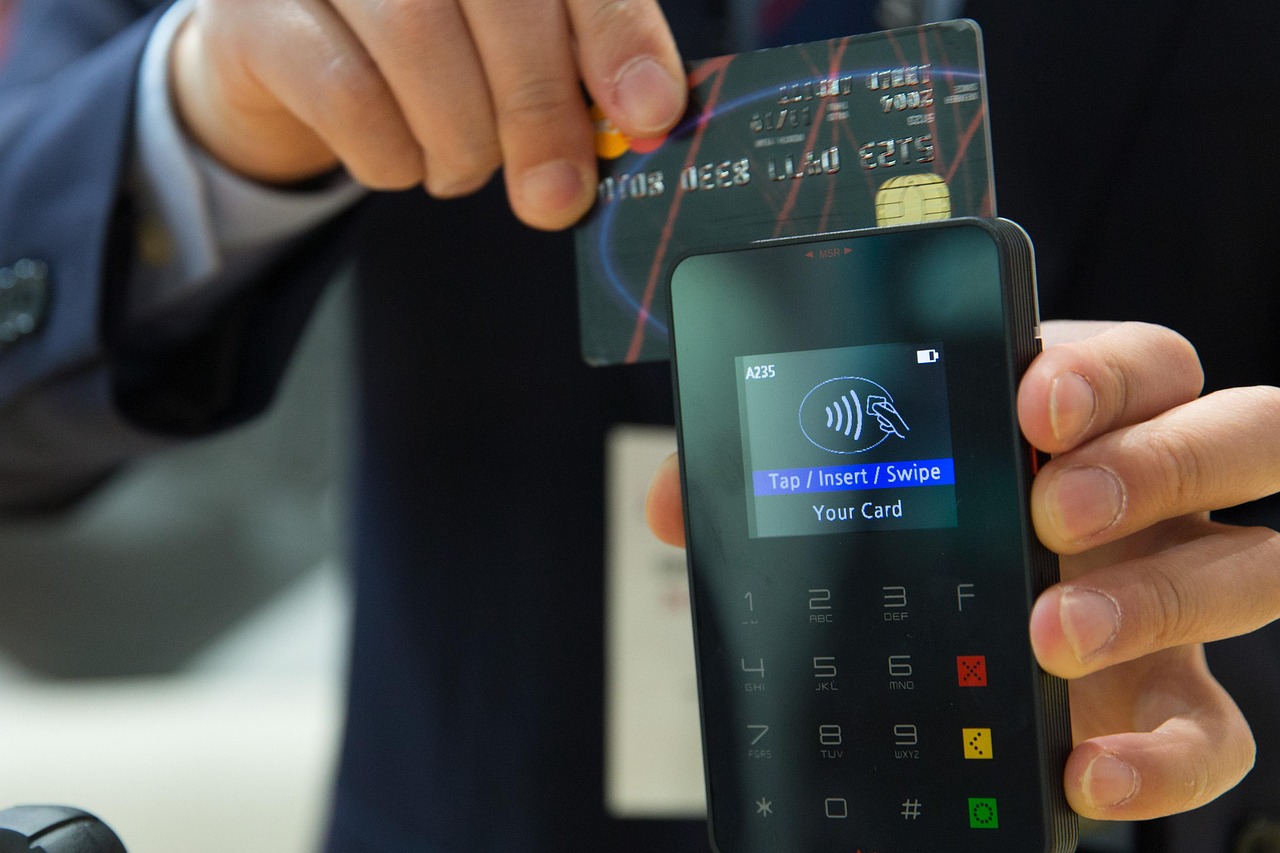
Best EPOS Software Features for Retail Businesses
Retail environments live or die on stock accuracy and transaction speed. The software features that matter most in a shop floor setting are distinct from those needed in a restaurant or bar.
Inventory Management
Real-time stock tracking — updated the moment a sale is made — prevents overselling and makes reordering straightforward. The best systems allow you to set low-stock alerts per SKU, manage variants (size, colour, material), and run automatic purchase orders to suppliers.
Multi-Location and Multi-Channel
If you sell across a physical shop and an online store, your EPOS software should sync stock and order data across both channels without manual reconciliation. This is especially important for clothing and fashion retailers — if you are evaluating software for a clothing business specifically, our article on the best EPOS systems for clothing shops in the UK covers variant management and seasonal stock in more depth.
Customer and Loyalty Tools
A built-in customer database, purchase-history tracking, and configurable loyalty schemes encourage repeat visits and give you genuine insight into buying patterns — far more valuable than aggregated till totals alone.
Promotions and Discounting Engine
Flexible discount rules — percentage off, buy-one-get-one, category-level promotions, time-limited offers — should be configurable without involving your software provider each time. Staff should be able to apply approved discounts quickly at the point of sale.
Ready to see retail-specific functionality in action? Try the EPOS Direct retail software demo to explore the interface before speaking to anyone.
Best EPOS Software Features for Hospitality and Restaurants
Hospitality software must handle the controlled chaos of a busy service — speed, accuracy, and communication between front-of-house and kitchen are non-negotiable.
Table Management and Floor Plans
A visual floor plan that shows table status at a glance — available, occupied, awaiting payment — reduces errors and helps front-of-house staff manage covers efficiently without constant verbal check-ins.
Kitchen Display Systems (KDS) and Ticket Printing
Orders entered at the till or via a tablet should fire instantly to the kitchen display or printer, with the ability to split orders by course, allergen flag, or station. This eliminates hand-written tickets and the miscommunication that comes with them.
Modifiers and Dietary Alerts
Customers increasingly expect to customise orders. Software should make it simple for servers to add notes, swap ingredients, or flag allergens — with those details appearing clearly on the kitchen display. This is not only about service quality; allergen disclosure has legal implications under the UK Food Information (Amendment) (England) Regulations 2019 (Natasha's Law). Operators should verify their current obligations via the Food Standards Agency.
Reservation Integration and Cover Tracking
Connecting your EPOS to a reservations platform means you know exactly how many covers are expected, can pre-assign tables, and can track average spend per cover over time — valuable intelligence for menu pricing and staffing decisions.
To see these features live, book a restaurant EPOS software demo with the EPOS Direct team. If you operate a pharmacy alongside a retail or café counter, a pharmacy EPOS software demo is also available.
Cloud-Based vs On-Premise EPOS Software: Which Is Right for You?
This is one of the most common questions buyers ask — and the honest answer depends on your operational context, not a universal rule.
| Factor | Cloud-Based | On-Premise |
|---|---|---|
| Internet dependency | Requires connection; good systems have offline fallback | Fully local; no internet required for core functions |
| Upfront cost | Lower — typically subscription-based | Higher — licence purchase and local server hardware |
| Software updates | Automatic, pushed by provider | Manual updates; may incur additional costs |
| Remote access to data | Anywhere, any device with a browser | Restricted to on-site or VPN access |
| Data control | Hosted by provider; check data residency and GDPR terms | Fully on your own hardware and premises |
| Multi-site management | Straightforward — all sites share one dashboard | Complex; requires additional networking infrastructure |
| Best suited to | Most modern SMEs, multi-site operators, mobile traders | High-volume sites with connectivity concerns, or those with specific data sovereignty requirements |
For the majority of UK retail and hospitality businesses opening or upgrading today, cloud-based software offers the better combination of flexibility, lower entry cost, and remote reporting capability. On-premise remains a legitimate choice for high-volume operations where a stable local network is already in place and granular data control is a priority.
How EPOS Software Integrates with Payments, Stock and Accounting
A point-of-sale system that sits in isolation — not speaking to your card terminal, your warehouse, or your bookkeeping software — creates manual reconciliation work every single day. The best EPOS software eliminates that friction through certified integrations.
Payment Integration
Integrated card payments mean transaction amounts pass directly from the EPOS screen to the card terminal, removing keying errors and speeding up checkout. Look for software compatible with major UK payment processors and terminals. For businesses evaluating their card acceptance options separately, our guides on the best wireless card machines for small businesses and combined card machine and till systems explain how these elements can work together.
Stock and Supplier Integration
When a sale fires, stock levels should update automatically. When a delivery is booked in via a purchase order, available quantities should rise. This closed loop removes the need for periodic manual stock counts and makes shrinkage (theft or waste) far easier to identify.
Accounting Software Connectivity
Direct integration with popular UK accounting platforms — such as Xero, Sage, or QuickBooks — means daily sales, VAT totals, and payment types flow into your accounts automatically. This not only saves bookkeeping time but supports MTD compliance by keeping financial records current and exportable in the correct format.
What Does EPOS Software Cost in the UK?
UK software costs vary significantly depending on the number of terminals, feature set, sector specialisation, and whether hardware is bundled. The figures below are indicative market ranges based on what UK businesses typically encounter — they are guidance only and should not be taken as a quote from any specific provider.
- Entry-level cloud software (single terminal, basic features): typically from around £20–£50 per month on a subscription basis.
- Mid-range retail or hospitality software (full feature set, 1–3 terminals): most setups fall between £50 and £150 per month, depending on add-ons such as loyalty, online ordering, or advanced reporting.
- Multi-site or enterprise-grade solutions: pricing tends to be negotiated individually; indicative ranges often start from £150 per month and scale with the number of locations and tills.
- Hardware bundles: if purchasing EPOS hardware alongside software, complete till setups (touchscreen terminal, receipt printer, cash drawer, card terminal) typically fall in the range of £500–£1,500+ per station as a one-off cost, or can be spread via finance arrangements.
- Installation and training: professional on-site setup and staff training adds value and varies; budget for this as part of the total investment rather than treating it as optional.
For businesses focused on keeping costs lean from the outset, our guide to the most affordable EPOS systems for small businesses in the UK examines how to get strong functionality without overspending. Similarly, the complete guide to EPOS systems for small businesses covers the full buying journey in one place.
All pricing ranges are indicative market guidance only. Contact providers directly for accurate quotes based on your specific requirements.
Why UK Businesses Choose EPOS Direct
EPOS Direct has been supplying and supporting EPOS and POS systems to UK businesses across retail, hospitality, pharmacy, and service sectors for many years. The team works with independent operators, growing multi-site businesses, and everything in between — which means the advice is grounded in real-world deployment rather than a sales script.
What Sets the Offer Apart
- Sector-specific software: purpose-built platforms for retail, restaurants, and pharmacy — not one generic system stretched to fit every use case.
- Integrated hardware and software: terminals, receipt printers, cash drawers, KDS screens, and card machines configured to work together from day one.
- UK-based support: a real support team based in the United Kingdom, accessible when your business is trading and needs help most.
- Flexible pricing: options to purchase outright, subscribe monthly, or bundle hardware and software in a way that suits cash flow.
- Free demonstrations: genuine software demos — retail, restaurant, and pharmacy — available without obligation, so you can evaluate before you commit.
You can explore the full software range and features at the EPOS Direct software hub, browse current offers on the EPOS Direct UK home page, or view specific packages for retail EPOS systems and hospitality and restaurant EPOS systems.
If you have specific questions about your setup, talk to an expert online — the team can advise on the right software tier, hardware configuration, and payment integration for your particular business without any hard sell.
Making the Right Choice for Your Business
The right EPOS software does far more than process sales — it gives you control over stock, clarity on performance, and the foundation to grow confidently. Whether you run a boutique retail store, a busy restaurant, or a multi-site operation, the decision deserves careful evaluation: the features you need now, the integrations that will save you time, and the support that will be there when things get busy.
EPOS Direct UK is ready to help you navigate that decision. Request a free demo today, or request a call back and speak directly with a specialist who understands the UK market.
Written by the EPOS Direct UK team, who work with UK retail and hospitality businesses every day to find, implement, and support EPOS and POS systems that fit real operational needs.
Frequently asked questions
- What is the difference between EPOS software and a basic till system?
- A basic till simply processes sales, while EPOS software provides a full electronic point of sale suite covering inventory management, sales reporting, staff management, customer loyalty, and integration with payment terminals and accounting tools like Xero or QuickBooks. For most UK businesses with more than one product line or member of staff, EPOS software delivers significantly more value and control.
- How much should a UK business expect to pay for EPOS software?
- In the UK, EPOS software pricing varies widely. Entry-level cloud-based plans typically start from around £15 to £40 per month per terminal. Mid-range systems with advanced stock control and reporting can range from £50 to £120 per month. A fully bundled EPOS package including hardware, software, and support from a provider like EPOS Direct is often available from around £300 to £800 upfront, or on flexible monthly payment plans. Always check whether card payment processing fees are included or charged separately.
- Can EPOS software work across multiple locations or sites?
- Yes. Most modern cloud-based EPOS software allows you to manage multiple locations from a single back-office dashboard. You can monitor stock levels, compare sales performance between sites, and manage staff rotas centrally. This makes multi-site EPOS software a strong choice for growing UK retail chains, restaurant groups, and franchise operations.
