We use cookies to make your experience better.
To comply with the new e-Privacy directive, you agree to the privacy policy and our use of cookies

Best EPOS Systems for Small Pubs in the UK: A Practical Buyer's Guide
Best EPOS Systems for Small Pubs in the UK: A Practical Buyer's Guide

For small pub owners across the UK, choosing the right EPOS system can be the difference between a smooth Saturday night service and a queue of frustrated customers at the bar. The best pub EPOS systems combine fast drink and tab management, integrated card payments, and real-time stock control — all in a package sized and priced for an independent venue. This guide cuts through the noise to help you find the right solution for your pub, whether you're running a quiet village local or a busy town-centre bar.
Why Small Pubs Need a Specialist EPOS System
A generic retail till simply doesn't reflect the way a pub operates. Bar tabs, split bills, round-by-round ordering, age verification prompts, and cellar stock management are all features that a hospitality-specific EPOS handles as standard — but that a basic cash register cannot.
Beyond the bar, a well-chosen system gives you visibility over your most profitable lines, flags when a keg or bottle is running low, and helps you comply with licensing requirements. For small pubs operating on tight margins, those insights aren't a luxury — they directly protect your bottom line.
- Tab management: Open, hold, and settle tabs quickly without holding up service.
- Age verification prompts: On-screen Challenge 25 reminders support your licensing obligations.
- Mixed payment splits: Handle cash, card, and vouchers at the same transaction.
- Cellar stock tracking: Monitor draught and bottled stock by unit or volume.
- End-of-day reporting: Reconcile tills accurately and spot wastage or discrepancies.
If you're also evaluating options for other types of small business, our practical guide to the best till systems for small businesses in the UK provides a useful broader comparison.
Key Features to Look for in a Pub EPOS System
Not all hospitality EPOS systems are built alike. Before you commit to any supplier, measure every option against these essential criteria.
Speed at the Point of Sale
Bar service is high-velocity. Your EPOS must respond instantly — a two-second lag per transaction adds up painfully on a busy Friday night. Look for responsive touchscreen hardware, logical menu layouts, and programmable quick-keys for your top-selling products.
Integrated Card Payments
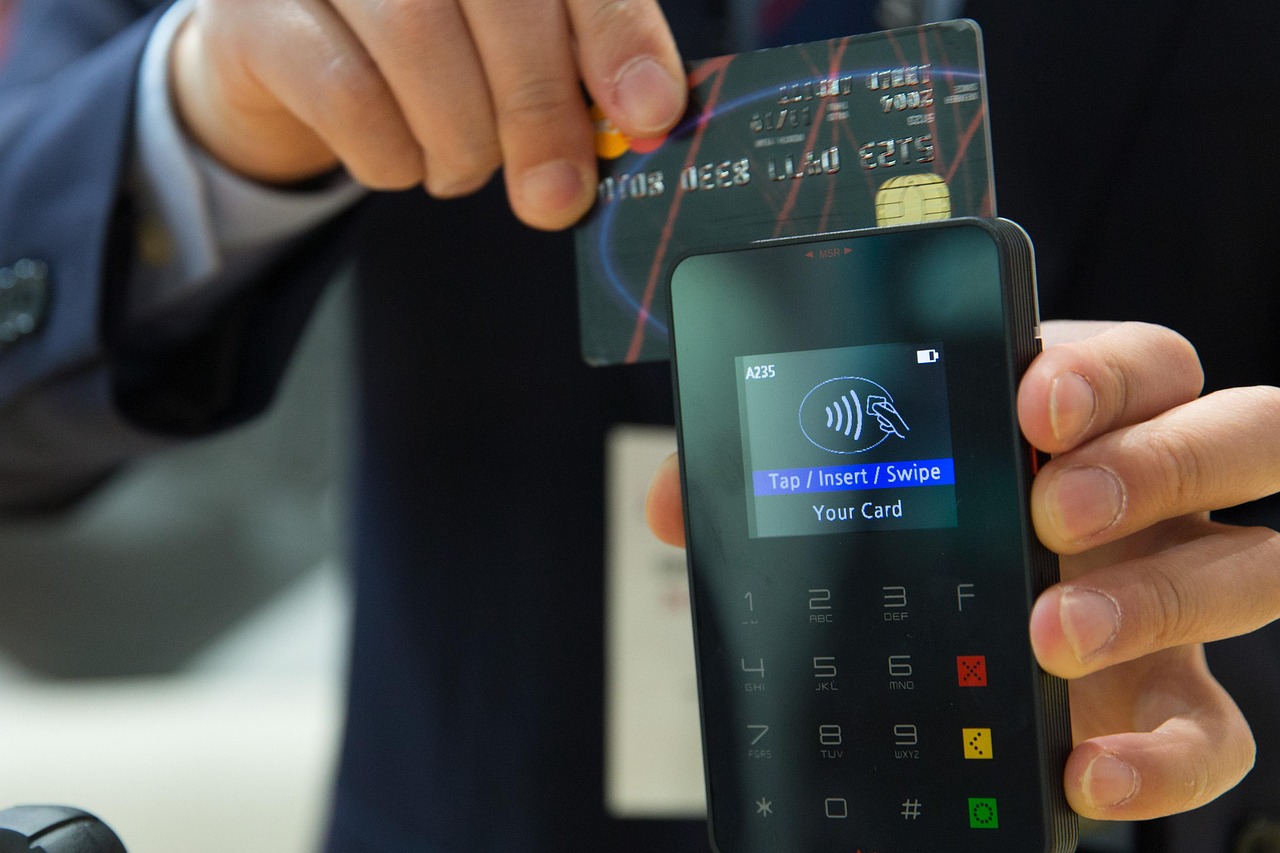
Card terminals that communicate directly with your till eliminate manual keying errors and speed up service. Integrated payments also mean your end-of-day figures reconcile automatically. Our guide to the best EPOS systems with integrated card payments in the UK explains exactly how this works and what to look for in a payment provider.
Table and Tab Management
Even in a pub without formal table service, the ability to assign orders to a named tab — and update it throughout an evening — is fundamental. Look for systems that let staff transfer tabs between terminals and settle them from any till on the network.
Stock and Cellar Management
A good pub EPOS tracks stock at SKU level and — for draught products — by pint or half-pint sold, calculating theoretical stock consumption against physical counts. This makes it far easier to identify over-pouring or shrinkage.
Reporting and Analytics
Daily, weekly, and hourly sales reports help you understand which sessions are most profitable, which products drive margin, and when to schedule staff. Cloud-based systems make these reports accessible from any device, even when you're off-site.
Reliability and Offline Mode
Internet outages happen. Your EPOS should continue processing sales locally when connectivity drops, then sync automatically when the connection is restored. Confirm offline capability before you sign any contract.
EPOS System Tiers for Small Pubs: A Comparison
Small pubs typically fall into one of three broad categories when it comes to EPOS complexity. The table below maps each profile to the features and investment level most likely to suit it.
| Pub Profile | Typical Setup | Must-Have Features | Indicative Monthly Cost |
|---|---|---|---|
| Quiet village local (1 till, low volume) | Single touchscreen terminal, receipt printer, cash drawer | Tab management, basic stock control, end-of-day reports, integrated card reader | Typically from £30–£60/month (software & support) |
| Community pub (1–2 tills, moderate volume) | Two terminals networked, kitchen/cellar printer, handheld optional | Multi-terminal tab sync, promotions engine, staff clocking, cloud reporting | Typically £60–£120/month |
| Busy town-centre bar (2–4 tills, high volume) | Multiple touchscreen tills, mobile ordering, integrated payments throughout | High-speed processing, loyalty scheme, advanced stock alerts, multi-user permissions | Typically £120–£250/month |
These are indicative market ranges for UK hospitality EPOS, not quotes. Your actual cost will depend on hardware, the number of terminals, your chosen payment provider, and the level of support included. View our current hospitality EPOS offers for accurate pricing tailored to your venue.
How Much Does a Pub EPOS System Cost in the UK?
One of the first questions any pub owner asks is: what will this actually cost me? The honest answer is that total cost depends on three components: hardware, software, and payment processing.
Hardware
A single pub-grade touchscreen terminal, cash drawer, and receipt printer typically starts from around £500–£900 as a one-off purchase, though many suppliers now offer lease or rental arrangements that spread this cost. Additional peripherals — kitchen printers, barcode scanners for bottled stock, customer-facing displays — add to the total.
Software and Support
Cloud-based pub EPOS software is almost always sold on a monthly subscription. For a small pub with one or two terminals, expect to pay somewhere in the range of £30–£120 per month, depending on the depth of features and whether 24/7 telephone support is included. Some providers charge per terminal; others offer site-wide licences.
Card Processing
Transaction fees vary by provider and your monthly card turnover. Most UK pubs pay between 1% and 1.75% per card transaction, though high-volume venues can often negotiate lower rates. Be cautious of headline "low fee" offers that hide monthly minimum charges or PCI compliance fees in the small print.
For small pubs weighing up total cost of ownership, our guide to the most affordable EPOS systems for small businesses in the UK provides a practical framework for calculating true value rather than just the sticker price.
Cloud-Based vs. Traditional EPOS: Which Is Right for Your Pub?
This is the question that most genuinely divides small pub owners, and the right answer depends on your priorities.
Cloud-Based EPOS
Cloud systems store your data remotely, giving you access to sales reports, stock levels, and staff performance from any smartphone or laptop — useful if you manage the pub remotely or own multiple sites. Updates are delivered automatically, so your software is always current. The trade-off is a reliance on internet connectivity, though reputable systems include offline mode as standard.
Traditional (On-Premise) EPOS
Legacy on-premise systems store data locally. They are entirely independent of internet availability, which appeals to pubs in rural locations with unreliable broadband. However, software updates, remote diagnostics, and off-site reporting are more limited, and the upfront hardware investment is typically higher.
For most small UK pubs opening or upgrading today, a cloud-based system with a robust offline mode represents the better long-term investment — lower upfront cost, easier scalability, and continuous improvement without manual updates.
You can also explore how card acceptance integrates with modern till setups in our complete guide to combined card machines and till systems for UK businesses.
Setting Up Your EPOS System: What to Expect
A well-managed EPOS installation should cause minimal disruption to your pub. Here's a realistic picture of the process with a reputable UK supplier.
- Discovery and scoping: A consultant reviews your venue layout, number of service points, and stock categories. This shapes the hardware specification and software configuration.
- Menu and product build: Your drinks menu, modifiers (e.g. pint/half/mixer options), pricing, and VAT categories are entered. Good suppliers do most of this for you before installation day.
- Hardware installation: Terminals, printers, and networking equipment are installed and tested. For a single-till pub, this typically takes a few hours.
- Staff training: Hands-on training for bar staff covers daily operations — processing sales, opening tabs, applying discounts, and cashing up. Most teams are confident within a single training session.
- Go-live support: Reputable suppliers provide on-site or remote support for the first trading period, so issues are resolved before they become problems.
If you'd prefer to see how a system works before committing, you can explore our restaurant and hospitality EPOS software via a free demo — it's the fastest way to assess whether the interface suits your team.
Questions Real Pub Owners Ask Before Buying
Can my staff learn it quickly without disrupting service?
The best pub EPOS systems are designed for fast onboarding. An intuitive layout — with products grouped logically, large tap targets, and colour-coded categories — means most bar staff reach operational confidence within a single shift. Ask any prospective supplier about their average training time and whether they provide on-site support on your first trading day.
What happens if the internet goes down on a busy night?
Any reputable cloud EPOS should continue processing transactions locally if the connection drops, then sync all data automatically once it's restored. Always confirm this during a demo — and test it yourself before you go live. An offline mode isn't optional; it's a fundamental requirement for any UK pub.
Is it worth paying for integrated card payments, or can I keep a separate card machine?
Standalone card terminals are cheaper to set up initially, but they create manual reconciliation work at the end of every day and introduce the risk of human error. Integrated systems pass the transaction total directly to the card reader, so figures match automatically. For a busy pub, the time saved and error reduction typically justify the slightly higher monthly cost. Our guide to the best wireless card machines for small businesses in the UK is useful if you're still evaluating your card acceptance options separately.
Why EPOS Direct Is a Trusted Choice for UK Pub Owners
EPOS Direct has been supplying EPOS and POS systems to UK businesses for many years, with particular depth of experience in the hospitality sector. Our systems are designed specifically for the pace and complexity of bar and pub environments — from fast tab management and cellar stock tracking to integrated card payments and cloud-based reporting that works whether you're behind the bar or at home.
We offer transparent pricing, UK-based support, and a straightforward setup process that minimises disruption to your trading. For small pub owners who want honest advice rather than a hard sell, our team is available to walk you through every option at your own pace.
You'll find our full range of current deals and hardware configurations on the EPOS Direct home page, where you can also read more about how our systems are helping UK businesses across hospitality and retail. If you're ready to see what the right pub EPOS looks like for your venue, talk to one of our experts online — no obligation, no pressure.
Written by the EPOS Direct UK team, who work with pub, bar, and hospitality businesses across the United Kingdom every day.
Ready to Find the Right EPOS System for Your Pub?
The right pub EPOS system pays for itself — in faster service, tighter stock control, and fewer end-of-night reconciliation headaches. EPOS Direct offers purpose-built hospitality solutions at every scale, from a single-terminal village local to a multi-bar operation. Request a free demo today and let our team show you exactly what your pub could look like with the right technology behind the bar.
Frequently asked questions
- What EPOS features matter most for running a small pub?
- For a small pub, the most important EPOS features include a fast, intuitive touchscreen till for quick drink orders, tab and table management, real-time stock tracking for barrels and bottles, age-verification prompts, integrated card payments and end-of-day sales reporting. Wet-led pubs in particular benefit from a system that handles split bills and round-buying efficiently without slowing down busy service periods.
- How much should I expect to pay for an EPOS system for my pub in the UK?
- For a small UK pub, a basic single-terminal EPOS setup typically costs between £500 and £1,200 upfront for hardware such as the touchscreen till, cash drawer and receipt printer. Software subscriptions usually run from £30 to £80 per month depending on the features included. Some providers, including EPOS Direct, offer leasing or finance options that can reduce upfront costs significantly, making it easier to spread the investment. Always check whether card payment processing fees are included or charged separately.
- Can I use an EPOS system if my pub has poor or unreliable internet?
- Yes. Many modern pub EPOS systems, including those supplied by EPOS Direct, offer an offline mode that allows your till to continue processing sales and storing transactions locally even when the internet drops. Once connectivity is restored, the system automatically syncs data to the cloud. This is especially important for rural pubs or older buildings where broadband can be inconsistent.
