We use cookies to make your experience better.
To comply with the new e-Privacy directive, you agree to the privacy policy and our use of cookies


Top EPOS Systems for Hair Salons & Barbers in the UK (2026 Guide)
Top EPOS Systems for Hair Salons & Barbers in the UK (2026 Guide)
Hair salons and barber shops have distinct operational demands that generic retail tills simply cannot meet — from appointment-linked payments and stylist commission tracking to retail product sales and client records. The right EPOS system for a UK hair salon unifies these workflows into a single, elegant point-of-sale solution, reducing admin, protecting revenue, and delivering a polished client experience at the chair. This guide covers everything you need to choose confidently, from essential features and hardware to realistic UK pricing and integration advice.
Why Hair Salons Need a Specialist EPOS System
A standard retail till handles products. A hairdresser's business handles people — their preferences, their appointment history, their loyalty, and the specific services each stylist delivers. Without a system built (or configured) for this environment, businesses routinely lose money through manual errors, missed retail upsells, and time wasted reconciling cash against appointment bookings at close of day.
A specialist salon EPOS system addresses these gaps directly. It connects the point of sale to the appointment diary, tracks each stylist's performance individually, manages a dual inventory of both services and physical retail products, and captures client records that inform genuinely personalised service. For multi-chair salons and barber shops with several staff members, these capabilities shift from convenient to essential.
Beyond efficiency, there is a compliance dimension. UK businesses processing card payments must adhere to PCI DSS standards, and salons collecting client data operate under UK GDPR obligations. A well-configured EPOS solution supports both, with audit trails, secure card processing, and data management tools built in rather than bolted on.
Key Features to Look for in a Hair Salon EPOS System
Not every EPOS platform is equally suited to salon environments. Before comparing options, establish which capabilities are non-negotiable for your business.
Appointment and Booking Integration
The most operationally significant feature is seamless connection between your booking diary and the till. When a client checks out, the system should pre-populate the service, the stylist, and any retail items added during the visit — eliminating double-entry and reducing the chance of revenue slipping through the cracks. Look for either native booking functionality or a documented, reliable integration with popular UK salon booking platforms.
Stylist Commission and Performance Tracking
Many salons operate on a commission or mixed remuneration model. Your EPOS should allow you to assign transactions to individual staff members, apply tiered commission rules, and generate clean reports per stylist — useful both for payroll and for motivating your team with transparent performance data.
Dual Inventory Management
Hair salons carry two categories of stock: consumable professional products used in treatments, and retail products sold to clients. A capable EPOS system distinguishes between these, tracks retail stock levels, alerts you when lines run low, and can process supplier orders directly. This prevents over-ordering, reduces waste, and supports accurate profit margin reporting by service versus retail.
Client Profiles and Loyalty
Retention is the lifeblood of a salon. EPOS systems that store client visit history, colour formulas, product preferences, and spend patterns enable staff to deliver genuinely personalised consultations — and allow management to identify high-value clients for targeted loyalty rewards or re-engagement campaigns.
Flexible Payment Acceptance
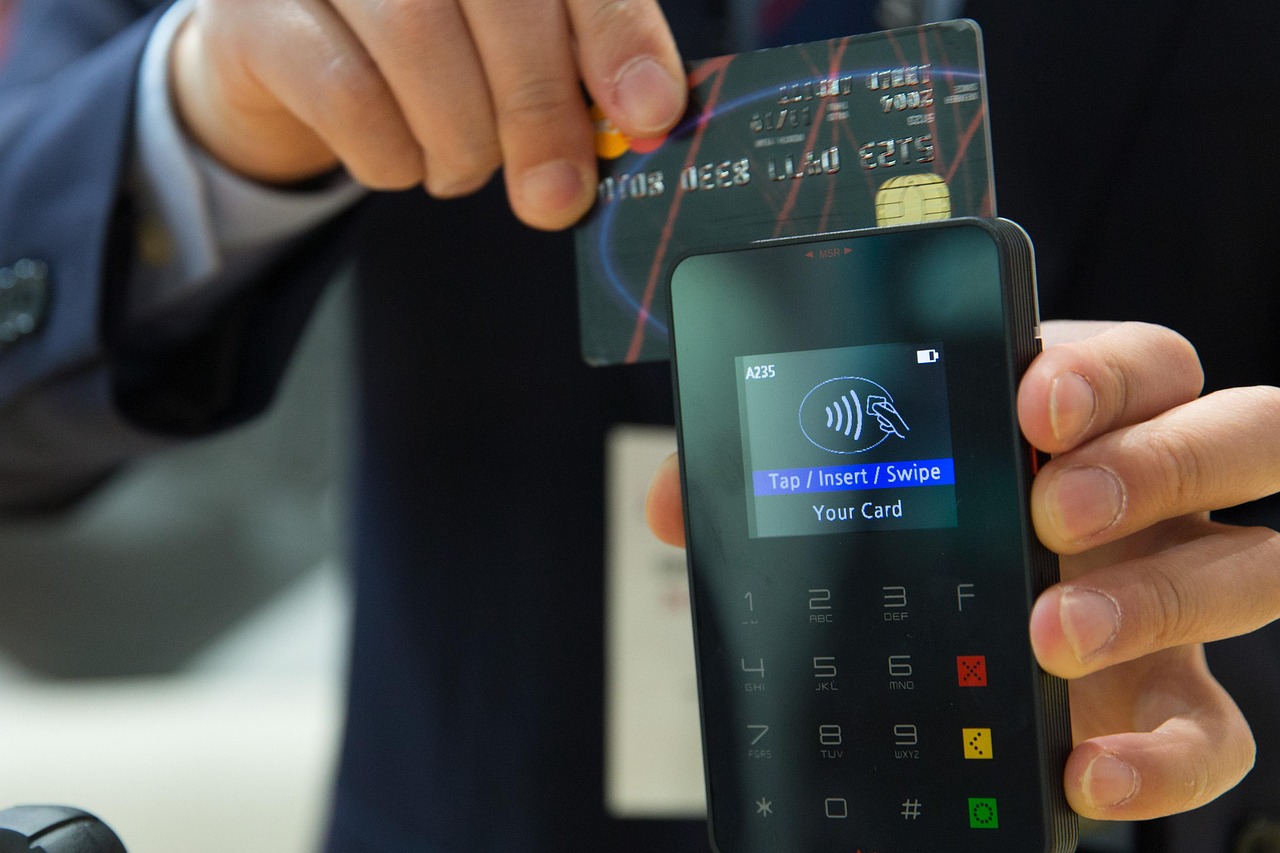
Modern clients expect to pay by card, contactless, or digital wallet as standard. Integrated card payment processing — where the card machine communicates directly with the EPOS rather than requiring manual amount entry — eliminates keying errors and speeds up checkout. If your salon takes deposits for bookings, your system should handle these gracefully too. For further guidance on payment hardware options, the best wireless card machines for small businesses in the UK is a useful companion read.
Reporting and End-of-Day Reconciliation
At close of business, you need a clear picture of takings by payment type, by stylist, by service category, and by retail product. Strong reporting tools make VAT returns straightforward and give owners actionable insight without requiring manual spreadsheet work.
Comparing EPOS Approaches for UK Hair Salons
There is no single "best" configuration — the right solution depends on your salon's size, team structure, and growth plans. The table below maps common business profiles to the EPOS approach that typically serves them best.
| Business Profile | Recommended Approach | Key Priority Features | Typical Setup Complexity |
|---|---|---|---|
| Solo stylist / home salon | Lightweight cloud EPOS with integrated card reader | Simple checkout, client records, card payments | Low — tablet-based, minimal hardware |
| Small salon (2–5 chairs) | Touchscreen till + integrated card machine + booking integration | Staff tracking, loyalty, dual inventory, reporting | Medium — single terminal, cloud software |
| Established salon with retail area | Full EPOS terminal + receipt printer + barcode scanner + card machine | Retail stock management, commission, advanced reporting | Medium–High — fuller hardware suite |
| Multi-site salon group or franchise | Networked EPOS with centralised cloud dashboard | Cross-site reporting, centralised product library, staff management | High — requires professional installation and onboarding |
| Barber shop with walk-ins & queues | Fast-checkout EPOS with queue management and mobile payment | Speed at till, tips handling, simple service menu | Low–Medium — speed and simplicity paramount |
Hardware Options for Salons and Barber Shops
The physical EPOS setup in a salon needs to be both functional and sympathetic to the environment — bulky or cluttered hardware at reception undermines the client experience you are trying to create.
Touchscreen Tills
A compact, all-in-one touchscreen terminal is the most popular choice for salon reception desks. Units with a 15-inch or 17-inch display offer sufficient screen real estate for a full service menu without dominating the desk. A secondary customer-facing display — showing itemised charges as they are rung through — is a particularly worthwhile addition for salons that also sell retail, as it reduces disputes and builds trust at checkout.
Integrated Card Readers
Integrated card machines that communicate directly with your EPOS software remove the most common source of human error at checkout: manually keying the amount into a separate terminal. For salons where the stylist may need to take payment at the chair rather than the desk, a wireless or mobile card reader gives that flexibility without compromising the payment audit trail. Read our guide to combining a card machine and till system for a deeper look at how integration works in practice.
Receipt Printers
While many clients now prefer email or SMS receipts, a thermal receipt printer remains practical for busy periods and for clients who prefer a paper record. Modern thermal printers are compact, reliable, and quiet — an important consideration in a salon environment where a noisy dot-matrix printer would feel jarring.
Barcode Scanners
If your salon carries a meaningful retail range — shampoos, conditioners, styling tools, accessories — a handheld barcode scanner dramatically speeds up stocktaking and ensures products are rung through accurately at the till rather than searched manually.
What Does a Hair Salon EPOS System Cost in the UK?
One of the most common questions from salon owners is straightforward: what will this actually cost? The honest answer is that it varies, but the ranges below reflect realistic UK market pricing for legitimate, supported systems — not budget imports or unsupported freeware.
Indicative UK Pricing (Guidance Only)
- Entry-level cloud EPOS (software only, tablet-based): typically from around £30–£60 per month on a subscription, with no large upfront hardware cost if you supply your own tablet.
- Small salon complete package (terminal, card machine, receipt printer, software): most setups fall between approximately £500–£1,200 upfront for hardware, plus a monthly software and support fee in the region of £40–£80.
- Established salon with full hardware suite and advanced software: hardware investment typically between £1,000–£2,500 depending on configuration, with monthly fees reflecting the additional features and support level.
- Multi-site deployments: priced on a per-site or per-terminal basis; meaningful economies of scale are usually available. Speak directly with a provider for an accurate quote.
These figures are indicative guidance for budgeting purposes only and not quotations. Actual pricing depends on the specific hardware, software tier, support package, and payment processing terms you choose. For a clear cost picture tailored to your salon, request a call back from the EPOS Direct team and they will provide a transparent, no-obligation breakdown.
For salons watching costs closely, our guide to affordable EPOS systems for small businesses covers how to balance features against budget without compromising on reliability.
How to Integrate Your EPOS with Salon Booking Software
Integration between your booking diary and EPOS is where the real operational gains are made — and where many salons run into avoidable problems by choosing platforms that do not communicate reliably.
What Good Integration Looks Like
A properly integrated system means that when a client's appointment is completed, the service (and any add-ons noted during the visit) flows automatically into the checkout screen. Payment is processed, a receipt issued, and the transaction recorded against that client's profile and the relevant stylist — all without manual re-entry. Stock adjustments for any retail items sold happen automatically in the background.
Questions to Ask Before You Buy
- Is the integration native or API-based? Native integrations (built by the EPOS provider) tend to be more stable than third-party connectors. Ask specifically how data is synced and what happens if the connection drops.
- Which booking platforms does it connect to? Confirm compatibility with your existing booking system before committing — switching booking platforms simultaneously with your EPOS is a significant additional upheaval.
- What does the onboarding process look like? A credible provider will offer structured setup support, staff training, and a testing period before you go live. Be cautious of providers who expect you to self-configure a complex integration without guidance.
If you are starting from scratch with both systems, you may find it easier to choose an EPOS platform that includes native booking functionality rather than integrating two separate tools. Either way, talking to an expert online before purchase will save time and prevent costly mismatches.
For broader context on how EPOS fits into a small business operation, the complete guide to EPOS systems for small businesses is well worth reading alongside this article.
Why UK Hairdressers Choose EPOS Direct
EPOS Direct has been supplying and supporting point-of-sale systems to UK businesses for many years, and the team understands that a hair salon's needs are meaningfully different from a standard retail environment. Rather than offering a one-size-fits-all package, EPOS Direct's approach is to match the right hardware and software configuration to each business — taking into account chair count, team structure, retail volume, and booking software already in use.
The EPOS Direct software platform is built for the realities of UK business operation: VAT-compliant reporting, integrated card payments, cloud-based access so you can review reports from anywhere, and a growing suite of salon-relevant features. Hardware is sourced from proven manufacturers, configured and tested before dispatch, and supported by a UK-based team after installation.
For salons considering a move, the most practical first step is to see the system in action. You can request a free demo with no obligation, or explore the EPOS Direct software to understand the platform's capabilities before any conversation about hardware or pricing.
You can also browse the full range of current configurations and offers on the EPOS Direct UK home page, where you will find more information and the latest available packages.
Making the Right Choice for Your Salon
The best EPOS system for a hair salon is the one that removes friction from your day — at reception, in the back office, and across every client interaction. That means appointment-linked checkout, honest stylist reporting, reliable integrated card payments, and software that gives you the reporting clarity to make confident business decisions without hours of manual reconciliation.
Start by mapping your must-have features against the profiles in the comparison table above, set a realistic hardware and software budget using the indicative ranges as a guide, and then speak to a specialist who can confirm compatibility with your booking setup before you commit.
EPOS Direct's UK team is ready to help — whether you are replacing an ageing till system, launching a new salon, or looking to bring a multi-site operation onto a single platform. Request a free demo or request a call back today, and let the team put together a tailored recommendation with transparent, no-obligation pricing.
Written by the EPOS Direct UK team, who work with hair salons, barber shops, and independent retailers across the United Kingdom every day, helping businesses find the right EPOS and POS solution for their specific environment.
Frequently asked questions
- Can a hair salon EPOS system integrate with appointment booking software?
- Yes, most modern salon EPOS systems can integrate with popular booking platforms such as Fresha, Treatwell or Timely. This allows you to sync client appointments with your till, manage staff rotas and track sales all in one place. EPOS Direct can advise on compatible solutions for your existing setup.
- How much should I expect to pay for an EPOS system for my hair salon in the UK?
- Costs vary depending on your requirements. A basic single-terminal EPOS setup for a small salon typically starts from around £300 to £600 for hardware, with software subscriptions ranging from £20 to £60 per month. Larger multi-chair salons requiring additional terminals, stock management and loyalty features may invest £800 to £1,500 or more upfront. EPOS Direct offers flexible packages and can provide a tailored quote based on your salon size and needs.
- What payment methods should my salon EPOS system accept?
- A good salon EPOS system should accept all major payment methods including contactless, chip and PIN, Apple Pay, Google Pay and traditional card payments. Many UK salon customers also appreciate the option to pay by mobile wallet or split bills across different payment types, so ensuring your card reader supports these is essential.
