We use cookies to make your experience better.
To comply with the new e-Privacy directive, you agree to the privacy policy and our use of cookies


Top EPOS Systems for UK Hospitality Businesses: The Complete Buyer's Guide
Top EPOS Systems for UK Hospitality Businesses: The Complete Buyer's Guide

Choosing the right EPOS system for a hospitality venue is one of the most consequential technology decisions a UK operator will make. The right platform streamlines service, protects margins and gives you the reporting clarity to grow; the wrong one creates bottlenecks at the busiest moments. Whether you run a neighbourhood bistro, a city-centre bar or a multi-site hotel, this guide covers everything you need to evaluate, compare and confidently invest in a system built for the demands of modern UK hospitality.
Written by the EPOS Direct UK team, who support hospitality and retail businesses across the United Kingdom with EPOS and POS system solutions every day.
What to Look for in a Hospitality EPOS System
Not all EPOS systems are created equal, and a solution designed for a boutique clothing retailer will fall short in a busy kitchen environment. Hospitality venues have specific operational pressures — high transaction volumes, split bills, table management, allergen compliance and the need to coordinate front-of-house with back-of-house in real time.
Before evaluating any system, a buyer should establish their non-negotiables:
- Table and floor plan management — the ability to map your venue layout, assign covers and track table status at a glance.
- Kitchen display system (KDS) integration — orders sent directly to the kitchen without paper tickets, reducing errors and speeding up service.
- Split billing and tab management — essential for bars and restaurants where groups share costs or run open tabs throughout an evening.
- Allergen and menu management — UK Food Information Amendment ("Natasha's Law") has made allergen labelling and menu-item tagging a legal necessity for many operators. Verify your compliance obligations directly with the Food Standards Agency.
- Integrated payments — a seamless link between your till and your card machine eliminates manual keying errors and speeds up end-of-day reconciliation.
- Offline resilience — hospitality never stops; your EPOS system should continue processing transactions even during internet outages.
- Reporting and stock control — knowing your best-selling dishes, your wastage levels and your labour costs in real time is a competitive advantage, not a luxury.
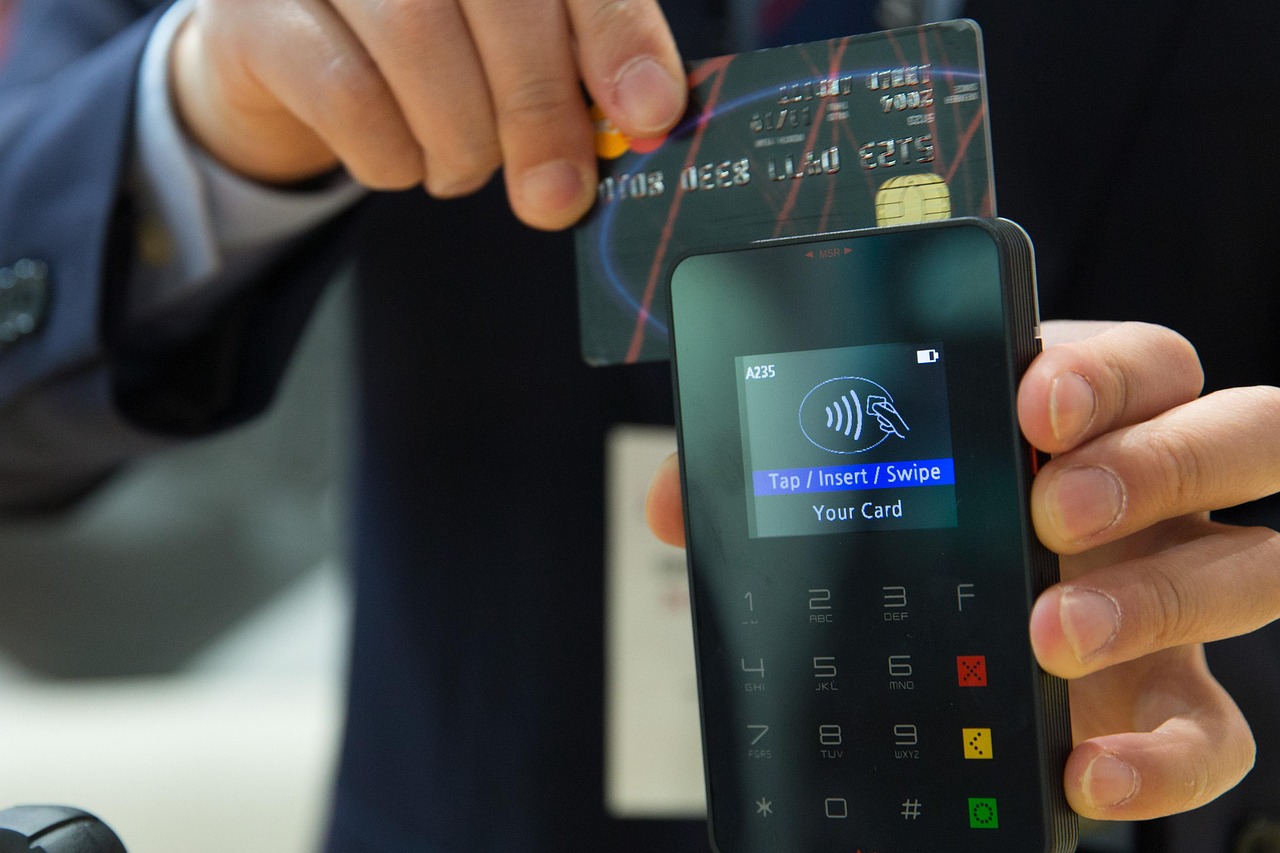
If you are also evaluating payment hardware alongside your till, our guide to combining a card machine and till system is a practical starting point for understanding how integrated setups work in practice.
Cloud-Based vs Traditional EPOS: Which Is Right for Your Venue?
This is one of the first questions hospitality operators ask, and the answer depends heavily on venue size, connectivity and how you want to manage your data.
| Criteria | Cloud-Based EPOS | Traditional (Server-Based) EPOS |
|---|---|---|
| Data access | Anywhere, any device, real-time dashboard | On-site only unless VPN configured |
| Upfront cost | Lower hardware outlay; subscription model | Higher initial investment; local server required |
| Software updates | Automatic, pushed centrally | Manual updates; may require engineer visit |
| Offline capability | Good modern systems cache locally; check specifics | Full offline operation; no internet dependency |
| Multi-site management | Excellent; single dashboard across venues | Complex; requires integration work per site |
| Scalability | Add terminals or locations instantly | Hardware procurement required for expansion |
| Best suited for | Growing independents, multi-site groups, hotels | High-volume venues with unreliable broadband |
For most UK hospitality businesses opening or upgrading today, a cloud-based system offers the better long-term return — particularly given the proliferation of fast, reliable broadband across UK towns and cities. That said, rural pubs or venues in areas with inconsistent connectivity should prioritise systems with robust local caching so that service is never disrupted.
Key Features Every Hospitality Till System Should Have
Front-of-House Essentials
- Customisable menu builder — add modifiers, portion sizes, set menus and timed pricing (e.g. happy hour) without needing a developer.
- Tableside ordering — handheld devices or QR-code ordering reduce server journeys and increase order accuracy.
- Reservations integration — link your booking platform directly to your till so covers are tracked against actual revenue.
- Loyalty and promotions engine — repeat guests are the backbone of any hospitality business; your EPOS should reward them automatically.
Back-of-House and Management
- Real-time stock depletion — ingredients are consumed as orders are placed, so you know when to order before you run out.
- Labour scheduling integration — connecting rotas to your sales data reveals your optimal staffing levels by day-part.
- Consolidated end-of-day reporting — Z-reports, VAT summaries and tip management all in one place, ready for your accountant.
- API and third-party integrations — whether you use a delivery aggregator, an accounting package such as Xero or Sage, or a property management system (PMS) for hotels, your EPOS must connect cleanly.
You can explore the full depth of EPOS Direct's hospitality functionality by viewing the restaurant EPOS software demo — it takes only minutes and gives you a hands-on sense of what modern hospitality software looks like in practice.
Top EPOS Systems for Restaurants, Bars and Hotels in the UK
Rather than ranking by brand name (which changes as software evolves), the more useful framework for a UK buyer is to match system tiers to venue type and operational complexity.
| Venue Type | Key Requirements | Recommended System Tier |
|---|---|---|
| Café or coffee shop | Fast transaction speed, simple menu, loyalty cards | Entry-level cloud EPOS with integrated payments |
| Independent restaurant | Table management, KDS, allergen tagging, reservations | Mid-tier hospitality EPOS with full F&B feature set |
| Bar or pub | Tab management, age verification prompts, high-speed processing | Mid-tier with bar-specific configuration |
| Hotel restaurant or bar | PMS integration, room billing, multi-outlet reporting | Enterprise-grade EPOS with PMS API support |
| Multi-site group | Centralised menu management, group-level analytics, staff permissions | Cloud enterprise with multi-site dashboard |
| Food truck or pop-up | Portable hardware, offline mode, wireless card processing | Mobile-first EPOS with compact terminal |
EPOS Direct UK works with operators across all these categories. To see current packages tailored to restaurants and hospitality venues, visit our hospitality and restaurant EPOS offers page for detailed configurations and pricing.
How Much Does a Hospitality EPOS System Cost in the UK?
Cost is always a central question, and the honest answer is that pricing varies significantly based on hardware, software tier, number of terminals and whether you opt for a subscription or outright purchase. The figures below are indicative market ranges to help you budget — they are not quotes, and your actual cost will depend on your specific requirements.
Typical UK Hospitality EPOS Cost Ranges
- Entry-level single-terminal setup (café, small café-bar): typically from around £300–£600 upfront for hardware, plus a monthly software subscription that most operators find falls in the region of £30–£70 per month.
- Mid-range restaurant system (two to four terminals, KDS, table management): hardware investment typically in the range of £800–£2,500, with monthly software licences commonly between £60–£150 per month depending on features and support tier.
- Multi-terminal or hotel system (five or more terminals, PMS integration, enterprise reporting): total project costs vary widely; budgeting from £3,000 upwards for hardware is a reasonable starting point, with monthly fees reflecting the complexity of the deployment.
Many UK hospitality operators prefer to spread the hardware cost through a finance or lease arrangement, which converts a large capital outlay into a predictable monthly line. If keeping upfront costs low is a priority, our guide to the most affordable EPOS systems for small businesses explores the options in detail.
It is also worth noting that integrated card processing can affect your overall cost profile. Operators curious about payment hardware should read our guide on the best wireless card machines for small businesses in the UK for an honest overview of the options.
Why UK Hospitality Businesses Choose EPOS Direct
EPOS Direct has been supplying and supporting EPOS systems to UK businesses for many years, with a dedicated focus on building solutions that work in real operational environments — not just in a demo room. For hospitality operators, this means:
- Purpose-built hospitality software — not a retail system with a few menu fields bolted on, but a platform designed from the ground up for F&B service.
- UK-based support — when something goes wrong during a Friday evening service, you need to speak to someone who understands hospitality and can resolve issues quickly.
- Scalable hardware options — from compact countertop terminals to handheld ordering devices and customer-facing displays, all sourced and configured as a cohesive system.
- Transparent pricing — clear package structures without hidden monthly add-ons appearing after the contract is signed.
- Integration ecosystem — connections to the tools hospitality businesses already use, from accounting software to delivery platforms.
If you would like to discuss your venue's specific requirements before committing to anything, you can talk to an expert online — the team is available to answer questions about system architecture, integration compatibility and the most suitable hardware for your space.
For a broader overview of everything EPOS Direct offers across both retail and hospitality, the EPOS Direct UK home page is your starting point for offers, guides and configuration tools.
How to Get Set Up: Installation, Training and Ongoing Support
A common concern among first-time buyers is the transition period — what happens between signing a contract and opening on your first day with a new system? A well-structured onboarding process makes all the difference.
What a Professional EPOS Installation Looks Like
- Discovery and configuration — your menus, modifiers, tax rates and table plans are built into the system before it arrives on site, so you are not starting from a blank screen.
- Hardware installation — terminals, printers, KDS screens and card machines are installed and networked, with cabling managed cleanly.
- Staff training — structured training sessions for front-of-house team members and a separate manager-level session covering reporting, end-of-day procedures and menu updates.
- Go-live support — a support contact available on or around your first live trading day to handle any unexpected questions in real time.
- Ongoing support and software updates — access to a helpdesk, regular software releases and, where appropriate, a dedicated account manager as your business grows.
The quality of onboarding varies considerably between providers, so it is worth asking any prospective supplier for a detailed breakdown of what is included in their implementation process before you sign. Questions worth asking include: Is training on-site or remote? How long does initial configuration take? What is the response time SLA for critical support issues?
To see the EPOS Direct software environment before committing, the free demo request is a no-obligation way to experience the platform with a member of the team walking you through it.
Making the Right Decision for Your Venue
The best EPOS system for a UK hospitality venue is the one that matches your operational model, your growth ambitions and your team's ability to adopt new technology — not simply the one with the longest feature list. Start with your must-have requirements, compare cloud and traditional architectures against your connectivity situation, and ensure the provider you choose offers genuine UK-based support that scales with your business.
EPOS Direct UK has helped operators across the country — from independent gastropubs to hotel groups — find systems that genuinely improve service and profitability. Request a call back from the EPOS Direct team today, or explore the full range of hospitality configurations on our hospitality EPOS offers page — and take the first step towards a system that works as hard as your team does.
Frequently asked questions
- How much does a hospitality EPOS system cost in the UK?
- Costs vary depending on the size of your venue and the features you need. For a single-terminal setup, UK hospitality businesses typically pay between £500 and £1,200 for hardware, with software subscriptions ranging from £30 to £100 per month. Larger multi-terminal or multi-site setups can range from £2,000 to £5,000+. EPOS Direct offers flexible packages with upfront purchase and monthly finance options to suit different budgets.
- Can a hospitality EPOS system handle table management and split bills?
- Yes, a good hospitality EPOS system should include table management, split billing, and course management as standard. These features allow your front-of-house team to track orders by table, split a bill between multiple guests, and communicate efficiently with the kitchen — all of which speed up service and reduce errors during busy periods.
- Is it difficult to switch from my current till system to a new EPOS?
- Switching is simpler than most business owners expect. A reputable EPOS provider will handle data migration, system configuration, and on-site or remote training. EPOS Direct provides full installation support and ongoing UK-based customer service, so your team can be up and running quickly with minimal disruption to daily operations.
