We use cookies to make your experience better.
To comply with the new e-Privacy directive, you agree to the privacy policy and our use of cookies


The Best Till Systems for a Busy Pub: What UK Landlords Need to Know
The Best Till Systems for a Busy Pub: What UK Landlords Need to Know

For any landlord running a high-volume UK pub, the till system sitting behind the bar is far more than a cash drawer with a screen — it is the operational backbone of every round served, every tab opened and every stock order placed. The right pub EPOS system reduces queuing, prevents costly stock discrepancies and gives you real-time insight into what is actually selling. This guide, written by the EPOS Direct UK team who work with hospitality businesses across the country every day, covers everything you need to make a confident, well-informed decision.
Why a Standard Till Simply Won't Cut It Behind a Busy Bar
A basic cash register handles transactions. A pub in full Saturday-night flow needs something considerably more capable. The difference between a standard till and a purpose-built hospitality EPOS system becomes painfully clear the moment you are running three bar staff, a kitchen printer, open tabs on a dozen tables and a queue six-deep at the bar.
- Speed under pressure: Every second a bartender spends navigating menus is a second a customer waits. Pub EPOS interfaces are built for rapid-fire ordering — large touchscreen buttons, drink-category shortcuts and a layout that mirrors how staff actually work.
- Tab management at scale: Opening, amending and closing a tab on a basic till is clunky and error-prone. A proper hospitality system holds multiple tabs simultaneously, links them to customer names or table numbers and lets any member of staff pick them up mid-service.
- Accountability: A pub's margins are tight. Without per-staff transaction tracking, over-pouring, under-ringing and "staff drinks" that never make it to the system become invisible losses. EPOS systems tie every transaction to an individual login.
- Wet-led stock complexity: Spirits sold by the measure, cask ales tracked by the firkin and draught lager measured per pint — the stock arithmetic behind a wet-led venue is far more intricate than a retail shop. Generic tills have no concept of these units.
If you are comparing options more broadly, our guide to the best till systems for small businesses in the UK provides a useful grounding in the fundamentals before you look at hospitality-specific requirements.
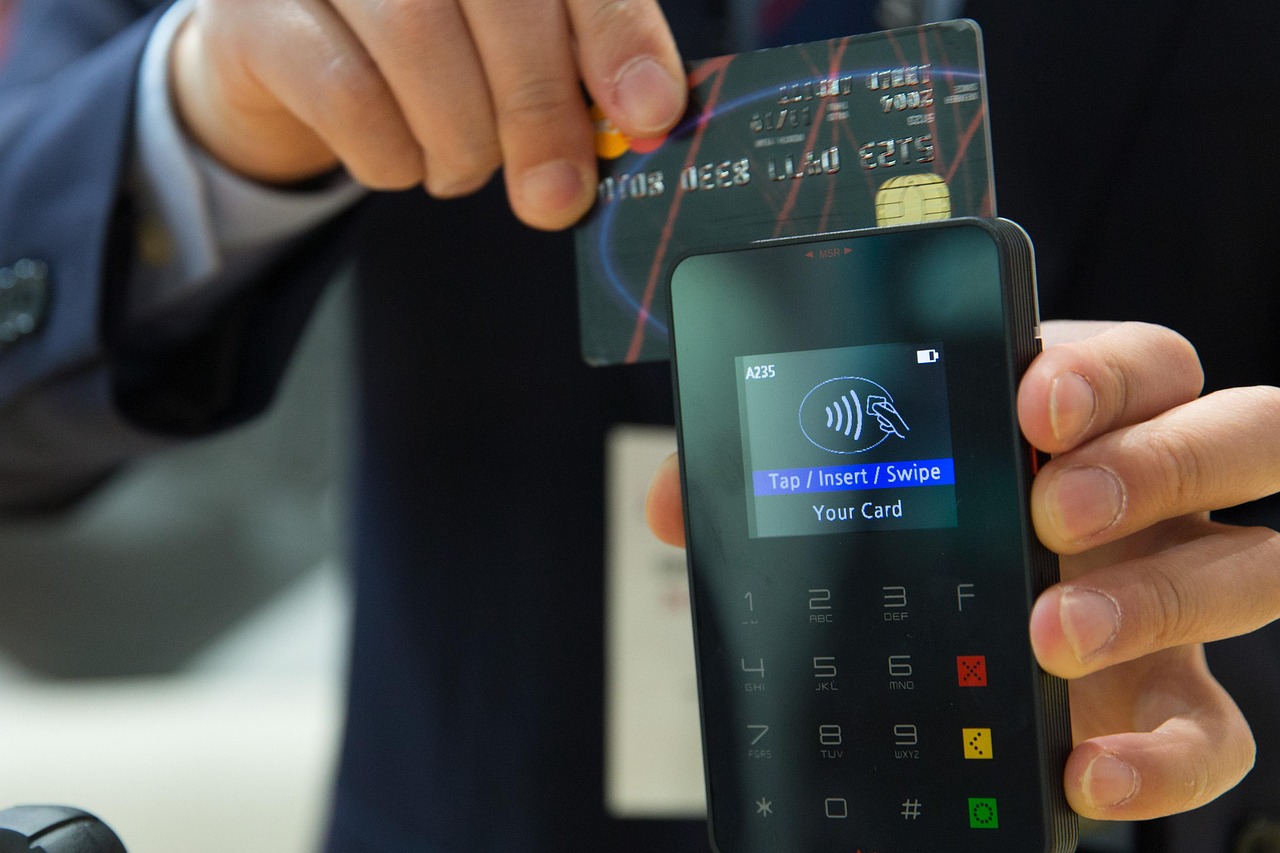
Key Features to Look for in a Pub EPOS System
Not every feature marketed to hospitality venues is equally important for a pub. Some are genuinely essential; others are impressive in a demo but rarely used behind a bar. Here is an honest breakdown.
Non-Negotiable Features
- Bar tab and account management — open tabs by name, table or room number, with the ability for multiple staff to add to the same tab without confusion.
- Split-bill functionality — allowing a round to be split evenly, by item, or in custom amounts is essential for groups and minimises awkward moments at closing time.
- Integrated card payments — card machines that communicate directly with the EPOS, eliminating the need to manually re-enter amounts and reducing human error at the point of payment.
- Stock depletion tracking — real-time inventory that decrements with each sale so you can see what needs restocking before you run dry on a busy night.
- Multi-printer routing — for pubs serving food, drink orders can go to the bar printer while kitchen orders route to a separate kitchen display or printer automatically.
- Age verification prompts — Challenge 25 prompts built into the checkout flow help staff comply with licensing conditions and protect your premises licence.
Highly Useful But Context-Dependent
- Table-management mapping — valuable if you run a food-led pub or gastro operation; less critical if you are purely wet-led.
- Loyalty schemes and customer accounts — useful for regulars and cask ale clubs.
- Online ordering or pre-order integration — growing in relevance post-pandemic but not essential for every pub model.
- Detailed allergen and calorie information — increasingly required for food menus under UK regulations; worth checking current government guidance on Natasha's Law and calorie labelling obligations, which are updated periodically.
Comparing Till System Approaches for High-Volume Pubs
The table below sets out the main types of pub EPOS solution available in the UK, comparing them across the criteria that matter most to a busy licensed venue.
| Solution Tier | Best Suited To | Tab Management | Stock Control | Integrated Payments | Typical Indicative Cost (Monthly) |
|---|---|---|---|---|---|
| Entry-level tablet EPOS | Quiet community locals, pop-ups | Basic or none | Limited | Sometimes add-on | Typically from £20–£50/mo (software only) |
| Mid-range hospitality EPOS | Busy pubs, food-led venues, multi-bar sites | Full multi-tab, split bills | Real-time wet-led stock | Integrated (included or low add-on) | Often £60–£150/mo all-in per terminal |
| Enterprise/multi-site EPOS | Pub groups, managed houses, large venues | Advanced, cross-venue | Centralised purchasing, wastage reporting | Full integration, multi-acquirer | Bespoke; typically £150+ per site per month |
| Cloud-only (software-as-a-service) | Small or seasonal operations | Varies by provider | Basic | Third-party integration required | From £30–£80/mo but hardware costs extra |
All figures are indicative market ranges based on typical UK hospitality EPOS pricing at the time of writing. Always request a tailored quote for your specific setup. You can view EPOS Direct's current hospitality and pub EPOS offers to see what is available for your venue type.
How to Handle Bar Tabs, Split Bills and Table Service
These three workflows are where a pub EPOS either earns its cost or creates chaos. Here is what good looks like in practice.
Bar Tabs
A well-implemented tab system allows a bartender to open a tab in seconds — by name, card pre-authorisation or table number — and then add rounds to it throughout the evening without losing track. Critically, any staff member should be able to add to or close any open tab, so that a shift handover mid-evening does not break the customer's experience.
Split Bills
The ability to split a bill is table-stakes functionality, but the quality varies enormously. Look for systems that allow splitting by custom amount, by equal share, or by individual items selected on screen. The best systems do all three and complete the process in under thirty seconds, which matters greatly at last orders.
Table Service and Order-at-Table
For pubs offering a full dining experience, handheld EPOS terminals or integrated order-at-table apps allow floor staff to send orders directly to the bar or kitchen without returning to a fixed terminal. This cuts ticket times and eliminates transcription errors — a genuine competitive advantage in a busy gastro-pub. You can explore this functionality in depth via a restaurant EPOS software demo to see how it maps to a pub environment.
Integration With Card Payments, Stock Control and Wet-Led Menus
Card Payment Integration
Integrated card payments — where the EPOS sends the total directly to the card terminal — remove the single biggest source of human error in pub transactions. Staff do not manually key amounts; the customer pays exactly what was rung through. This also speeds up every transaction by removing one step entirely. Our detailed guide to card machine and till system combinations explains exactly how this integration works and what to look for in a payment partner.
If your current setup uses standalone card machines and you are looking at options, our guide to wireless card machines for small businesses in the UK covers the key considerations around connectivity, fees and contract terms.
Stock Control for Wet-Led Menus
A wet-led pub's stock complexity is unique. Spirits sold as singles or doubles, ales available in pints or half-pints, cocktails with multiple component ingredients — all of these need to be mapped accurately at the product-setup stage so that stock depletion is calculated correctly. A system that simply deducts "one pint" without understanding that a firkin contains approximately 72 pints will produce stock reports that mean nothing.
Look for EPOS systems that allow you to define:
- Unit of measure per product (measure, pint, bottle, unit)
- Container size and portions per container
- Minimum stock alerts that trigger a re-order prompt
- Wastage and void tracking distinct from sales
What Does a Pub Till System Cost in the UK?
This is one of the most common questions any landlord asks, and one that deserves an honest, structured answer rather than vague marketing language.
A realistic pub EPOS setup in the UK involves three cost layers: hardware, software and payment processing.
- Hardware: A single bar terminal (touchscreen, receipt printer, cash drawer) typically costs from around £300–£800 to purchase outright, or is available as part of a monthly rental or lease arrangement. Multi-terminal setups for larger venues scale accordingly.
- Software: Monthly software licences for hospitality-grade EPOS typically range from around £40 to £150 per terminal per month, depending on feature depth and the number of locations. Some providers bundle hardware and software into a single monthly figure.
- Payment processing: Card transaction fees in the UK typically range from around 0.3% to 1.75% per transaction depending on card type, volume and your agreement with an acquiring bank or payment facilitator. Always read the full terms, including any monthly minimums or rental fees for card terminals.
Total monthly outgoings for a single-bar pub with one or two terminals typically fall somewhere between £80 and £250 per month all-in, though this varies meaningfully with transaction volume and contract structure. For a broader view of what different setups cost across business types, our guide to the most affordable EPOS systems for small businesses provides useful context.
If you want a transparent, itemised figure for your specific pub, the most efficient route is to talk to an expert online — you can describe your setup in plain terms and get a realistic quote without obligation.
How to Choose the Right System for Your Pub's Size and Setup
There is no single best answer — the right system depends on the specific operational profile of your venue. Use these four questions to frame your decision.
- How many terminals do you need? A single-bar local may run happily on one terminal. A multi-bar venue, beer garden with its own service point, and a kitchen operation may need four or more, each needing to communicate in real time.
- Are you wet-led, food-led, or both? A purely wet-led pub prioritises speed and tab management. A food-led or gastro operation needs table management, kitchen printing and allergen management on top of all the bar functionality.
- What is your current payment setup? If you are tied into a card processing contract, check compatibility before committing to an EPOS. Ideally, choose a provider whose EPOS and card machine integrate natively.
- Do you need multi-site reporting? If you run more than one pub — or plan to — centralised reporting and stock management across sites is worth paying for from day one. Retrofitting it later is painful.
For a broader exploration of EPOS features across business types, the complete guide to EPOS and POS systems for UK businesses is a thorough starting point. You can also request a free demo tailored to your specific venue type before making any commitment.
A Direct Answer: What Is the Best Till System for a Busy UK Pub?
The best till system for a high-volume UK pub is a purpose-built hospitality EPOS with full tab management, integrated card payments, real-time wet-led stock control and multi-printer routing. A mid-range hospitality EPOS — either purchased outright or taken on a monthly plan — delivers these capabilities at a cost that is recoverable through reduced wastage and faster service within months of deployment.
Ready to Find the Right Pub EPOS System?
EPOS Direct UK specialises in EPOS and POS systems designed for the realities of UK hospitality. Whether you run a community local, a high-volume sports bar or a multi-site pub group, the team can recommend and configure a system built around your operation — not a generic one-size-fits-all package.
Visit the EPOS Direct UK home page for the latest offers and more information, or take the next step now:
- Explore our hospitality and pub EPOS offers
- Request a free demo of our pub EPOS systems
- Talk to an expert online — no obligation, no jargon
- Request a call back at a time that suits you
Frequently asked questions
- Can a pub till system handle bar tabs and split bills at the same time?
- Yes — a purpose-built pub EPOS system lets bar staff open named or numbered tabs, add rounds throughout a session and split the final bill any way the customer needs. Look for systems that allow multiple open tabs simultaneously across different terminals without slowing down service.
- How much does a proper EPOS system cost for a UK pub?
- In the UK, a pub EPOS setup typically costs between £500 and £1,500 upfront for hardware (touchscreen terminal, receipt printer, cash drawer), with monthly software licences ranging from around £30 to £100 per terminal depending on features. Some providers, including EPOS Direct UK, offer leasing or finance options to spread the cost, making it accessible for smaller independents as well as multi-site operators.
- Will the system keep working if my internet goes down on a busy Friday night?
- The best pub EPOS systems include an offline mode that keeps processing sales, accepting card payments via a local connection and logging orders even without internet. Always confirm offline capability before committing — losing your till during peak hours is not a risk worth taking.
