We use cookies to make your experience better.
To comply with the new e-Privacy directive, you agree to the privacy policy and our use of cookies


Blog
-
 Read more
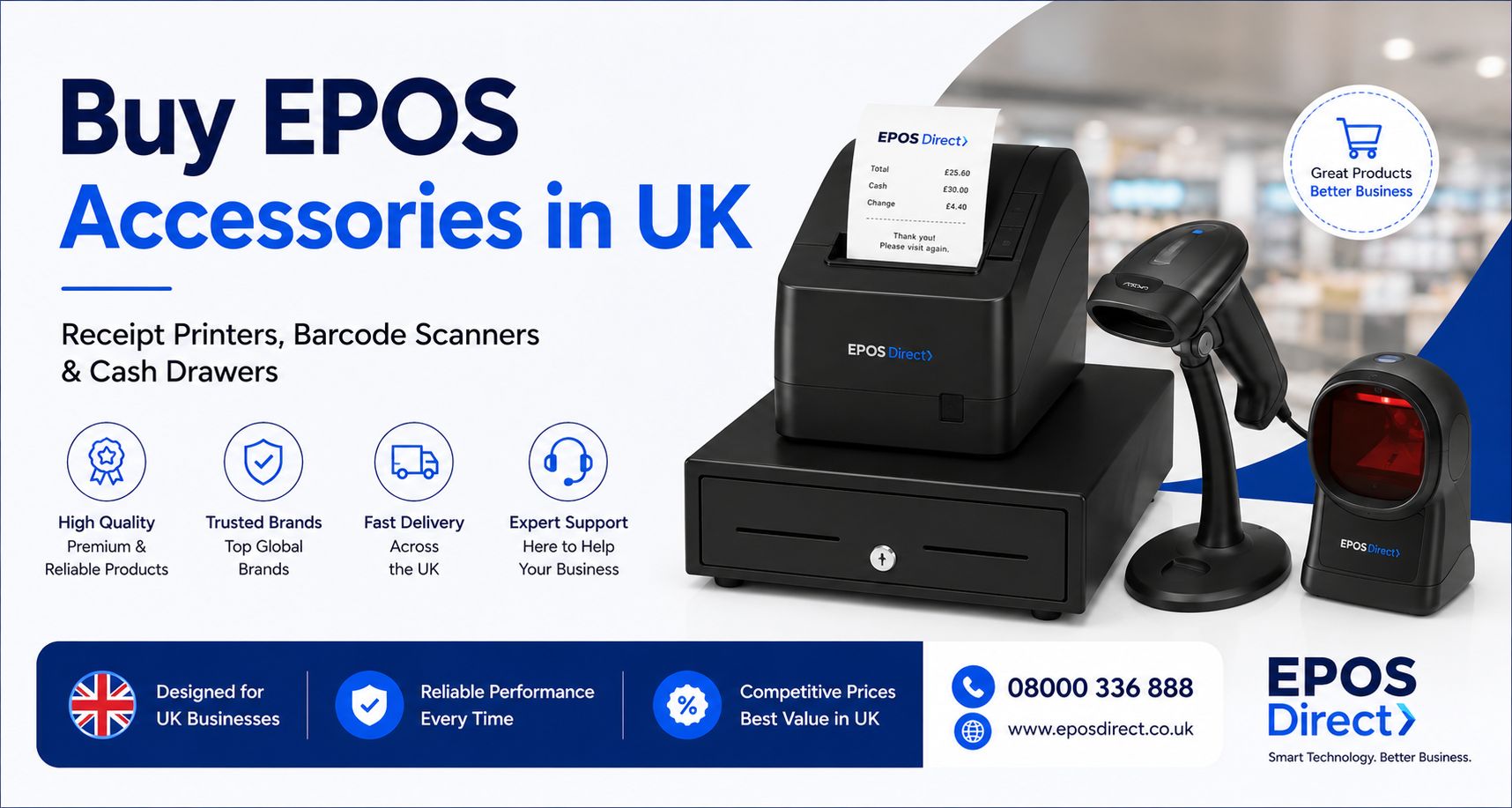
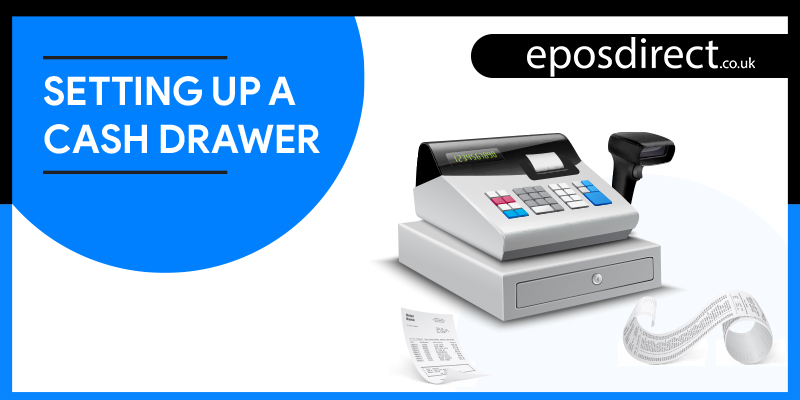
To handle purchases at the POS system, every store requires a cash management system. When deciding what to buy, it's crucial to understand the components of a POS cash register, the advantages and disadvantages of various point of sale systems, and even how much money to keep in the till. A cash drawer is a crucial tool for businesses, serving as an ally in handling the sales point and increasing turnover.The cash register can track sales, record money earned, and quickly and simply give receipts to customers. The cash drawer can have various qualities depending on the individual point of sale needs, from even the most basic model, which can simplify payment processing and add up earnings, to the most technically advanced model, which includes a touch screen and a POS payment terminal.
The core operation of cash registers has been constant over time: revenue from the amount of income in a fast and simple manner. Vendors of POS software and POS hardware can
-
 Read more
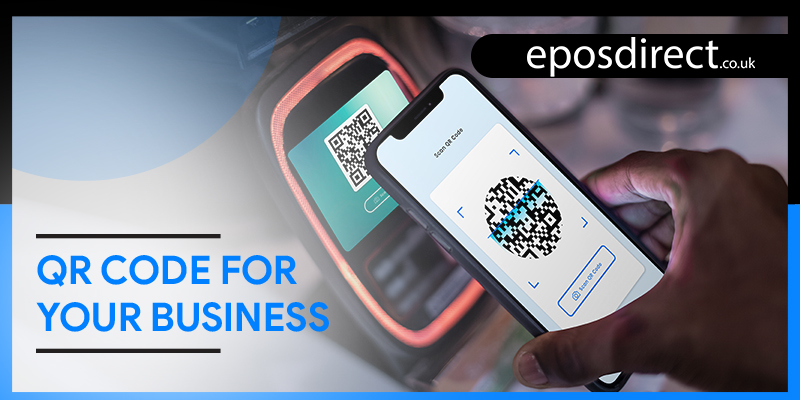
QR codes have become more prevalent as consumers learn how to use them. A QR code is a type of barcode that holds far more information than regular barcodes. QR codes also have a distinct appearance. QR codes are often recognized as a square shape with angled markings and extra squares within the body. Retail and hospitality businesses want to know how to create a QR code to get notified and increase sales to acquire it with contactless payment.
QR is also called a Quick response code. This implies that when the code is scanned, users have instant access to URLs or other information included in it. QR codes are used by businesses to promote their products and services by sending users to specified landing pages. Any customer with a Smartphone may now scan QR codes to retrieve a website address or other information.
QR now has become an essential component of their marketing and client interaction strategies. They can be regularly found in public and advertising
-
 Read more
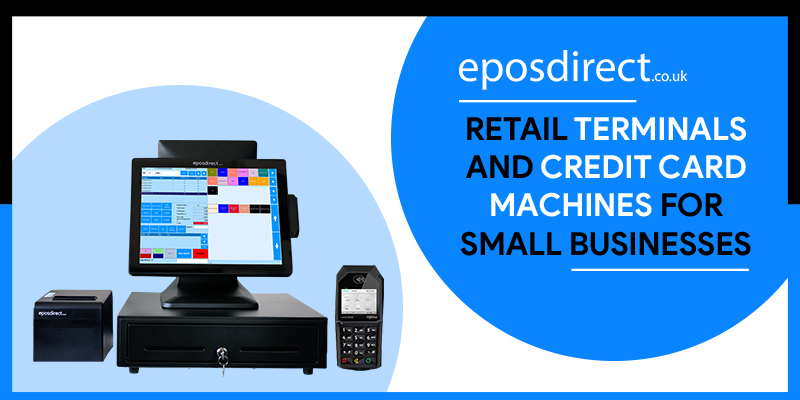
These days only a few consumers prefer to pay in cash, making it one of the least preferred payment methods. While card payments remain popular, contactless payments and mobile wallets are becoming increasingly popular, particularly in the aftermath of COVID-19. While it may not appear to be a big deal, the sort of credit card machine you use to accept payments can have a big influence on your business. A slow and inefficient one can lead to terrible checkout experiences for your consumers. Still, a modern and efficient credit card terminal enables you to better customer service and even streamline payments and reporting in your organization.
Modern credit card reader machines come in various configurations, ranging from basic credit card processing to full-fledged POS system capability. To get the most out of your payment processing, select a credit card machine that meets your company's requirements.
What does a credit card machine do?
Customers'
-
 Read more
Current organizations are progressively searching for ways to save money, race up productivity, and boost sales. Nowadays, any business or retailer must have to have their finger on the swiftest, best, and most practical approach to maintain their business on a daily basis daily. That’s where the retail Epos systems come in. Today’s hospitality industry has enhanced so much, thanks to the introduction of the Epos systems. The retail epos or hospitality epos software will help you with your businesses day to day activities. The unique element of an electronic point of sale system is that it can quickly process different business transactions without any human errors.
Adaptation to the diversity of payment options has become a subject of enormous importance, especially cashless payments options. The development of the hospitality sector calls for -
 Read more
Why Should Businesses Accept Credit Card Payments
Operating a small business involves having a tight grasp on cash flow. For any business to flourish in today’s marketplace, it is crucial to accept credit card payments. From a Sunday market stand to a luxurious restaurant, customers expect payment choices that are swift, convenient, and secure. One strategy to facilitate cash exchange all through business is to stretch out your payment options to incorporate credit cards. Enabling customers to pay through credit cards can make handling cash flow less stressful and eliminate the setbacks of waiting for the checks to process. On the chance that your business isn't acquiring credit card instalments yet, substituting it is comparatively easier than you might presume.
Perks of Accepting Credit Card Payments
-
 Read more
If you are looking to start a new business, it’s important to get the right basics. First, you need to register your business name, choose a business structure, and secure funding.
Another significant aspect is opening a dedicated business account. This account is used to do most of your business transactions.
Here, we'll take you through everything to know how to set up your business account in the UK.
What is a business bank account?
In different ways, a business bank account is similar to a regular personal account, only in your business' name. These accounts are generally available to sole merchants, partnerships, organizations, clubs, societies, and charities.
The business bank account w
Recent Posts