We use cookies to make your experience better.
To comply with the new e-Privacy directive, you agree to the privacy policy and our use of cookies


Blog
-
 Read more
The Purpose
It is important to understand what an EPOS system is and how they have become into an important need in how things are sold. An EPOS (electronic point of sale) system is often used when we pay for a service or item. There are many advantages in using an EPOS system, for example, being able to analyze data. In the modern world we live in, it is basic that businesses implement EPOS systems into their practice to help improve performance. Companies like Epos Direct could be the right option for you.
Managing Sales
Businesses use an EPOS system to help keep a track and manage sales. The database can help measure stock volume with the system having the ability to sync on a variety of platforms, for example, a tablet or cell phone. This can enable businesses to stay in control and monitor product turnover. Take a look at stock performance can help identify trends of consumption to help your business to remain successful and well-kept -
As retailers looking for retail technology leader`s road map for 2019 and beyond, building strategies related to data are – and will increasingly be – massively significant for the industry. Furthermore, that is because this approach will bolster so much of the innovation that looks set to affect retail in near future.
Whether it may be about exploring artificial intelligence (AI)- influenced practices, customized marketing strategies, better cyber security, or simply, more sophisticated forecasting and accounting processes, understanding the data flowing through the business is going to be crucial. If companies aren`t measuring it, how can they manage with that new landscape?
As Molly Bearns, senior director and analyst and Gartner, said in recent, CIOs used to be tasked with minimizing risk and cost – however at this point they have significantly more on their plates. Great reporting and data analysis practices – which are inside the CIO and CTOs` jurisdiction – are a -
In case if you are an owner of a restaurant, this post is completely for you. With this post, we are going to give you couple of ways that you can use with the end goal to stay ahead of competition in the field of your restaurant business. So, without wasting time, let us have a look at them in short:
Know your Competition
With the end goal of staying ahead of your restaurant competition, you should know about them in the first place. You can achieve the same by paying a visiting to their restaurants and figure how delicious their dishes are, the ambiance is, and how good their service standards are. Next, you should contrast the said things and your restaurant business, and plan accordingly.
Price your Menu Right
Your menu plays an important role. An all-round planned and top notch menu can extend restaurants benefits by 10-15%. Therefore; give it a great deal of thought. While choosing your menu, explore what -
 Read more
In fact, the most important customer service tips are basic to the point that anybody can do them. In the event that you have a few people in your team who can`t quite seem to get the hang of customer service, but you know their hearts are in the right spot. I`d recommend training them to begin off with simple things like these. It`s a great way to build confidence within your team! Even if your customer service efforts are going admirably, it won`t damage to review these pointers now and then.
1) Smile: The essential element you can do in customer service is a smile. Research has demonstrated that the human smile is virtually universal: It is one thing that will show good will and kindness to pretty much everyone. Even if your communications with a customer is brief, you should always be smiling unless it`s clearly inappropriate.
2) Make Eye Contact: Good eye contact is a fundamental building block for going from "OK" customer service -
 Read more
A little time earlier, we discussed the significance of mobile POS. Mobile POS is basic, however there are a lot of good reasons why the checkout counter is essential for any impulse buy and won’t be leaving at any point in the near future. After all not every customer will have access always to a mobile device and the craving to use mobile POS for each type of purchase.
The Most Common Impulse Item: Candy
From a key point of view, stay mindful of the value of counters for an impulsive buy. They’re particularly important around the holidays when there are so many great numbers of extraordinary candies and other fun things that you can get – kids think about spur of the moment shopping! That’s one reason you need a counter for them to do it at … with adult supervision, obviously.
Adults love sweets, as well, yet they’re somewhat more impervious to getting it. In any case, see how when there are great candies located at the checkout counter, it suddenly -
 Read more
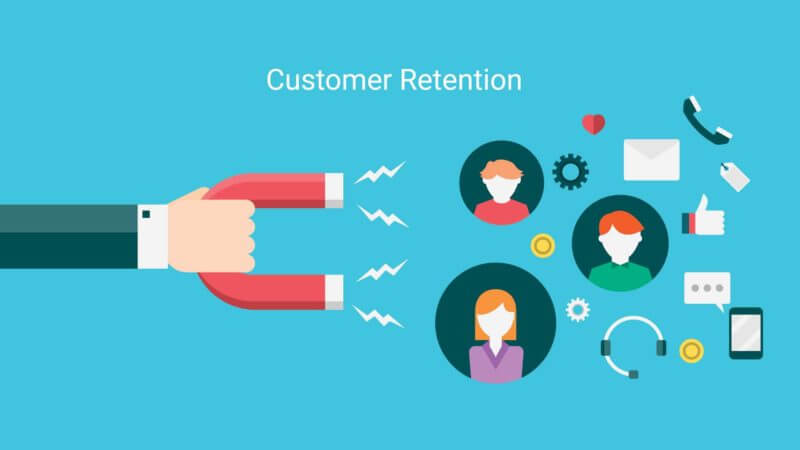
1. Keeping Your VIP Customers
The most obvious ensure customer retention is to stop a client from leaving.
And if you pay attention, you`ll be able to invariably see the signals of your customers impending departure. All you`ve to do is to spot the key variables like purchase patterns, product usage and service calls – Capture the signals so place specific actions in place to prevent your customers before they leave.
If you would like to know the percentage of VIP customers haven`t purchased anything within the last 6 months, which could be a symptom of them considering your service or maybe delivery their cash to your competitors.
First, create an inventory of all of your VIP customers, and all sales created within the last six months using your CRM software. By combining those lists, you finish up with an inventory of VIP customers who haven’t purchased from you in last half a year.
You can currently follow up with these very imp
Recent Posts