We use cookies to make your experience better.
To comply with the new e-Privacy directive, you agree to the privacy policy and our use of cookies


Using an iPad as an EPOS System: What UK Retailers and Hospitality Businesses Need to Know
Can You Use an iPad as an EPOS System for Your UK Business?

Yes — an iPad can absolutely function as the hub of a point-of-sale setup, and thousands of UK businesses do exactly that. The real question is not whether it can work, but whether it is the right fit for your specific operation, budget, and ambitions. The answer depends heavily on your transaction volumes, the peripherals you need, and how seriously you take stock control, reporting, and long-term scalability.
What an iPad-Based EPOS System Actually Includes
An iPad alone is just a tablet. To build a functioning till system around it, you need a suite of software and hardware that transforms it into a complete point-of-sale environment. Most setups combine the following elements:
- POS software: A subscription-based application — installed from the App Store — that handles sales processing, product catalogues, reporting, and often payments.
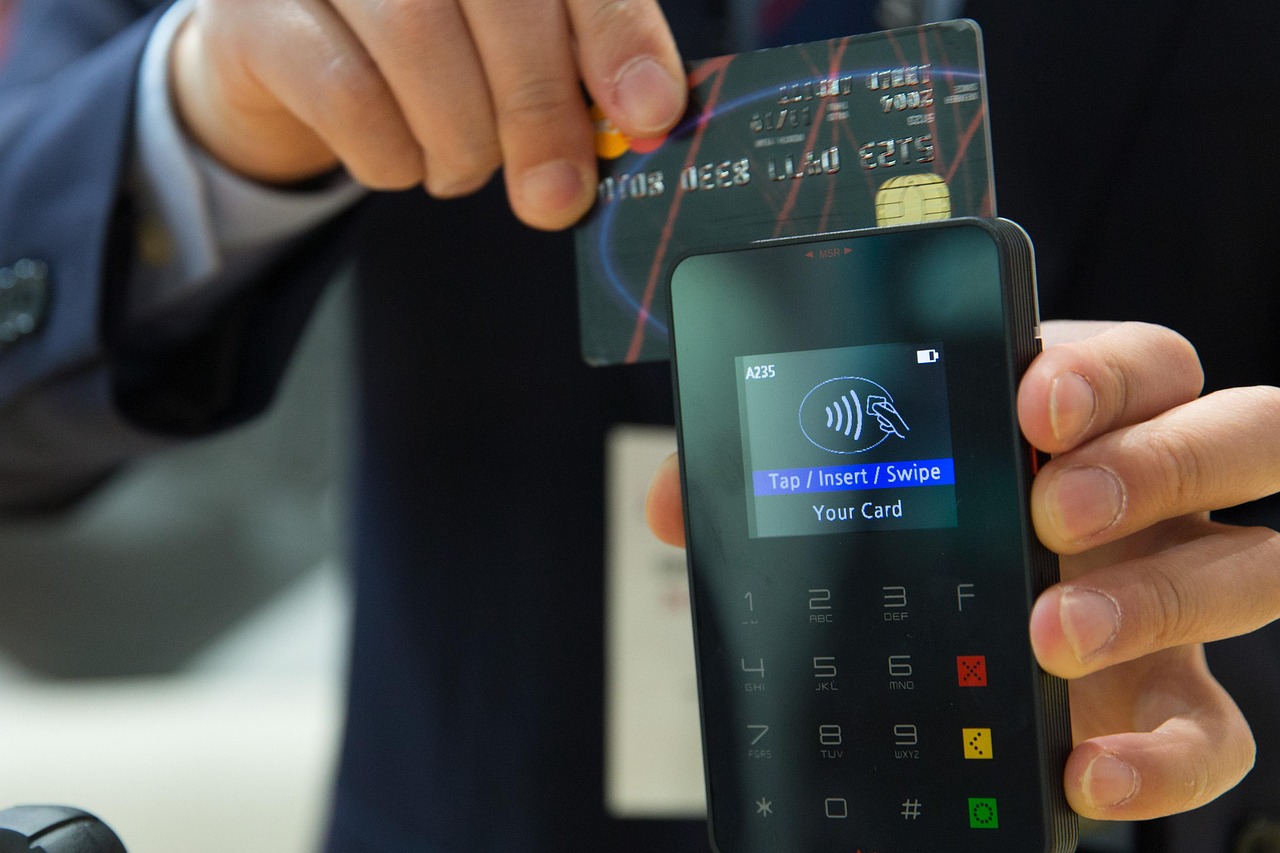
- Card reader or payment terminal: Either a Bluetooth-paired card reader or a countertop terminal connected via USB or Wi-Fi. For guidance on standalone payment options, see our guide to the best wireless card machines for small businesses in the UK.
- Receipt printer: A Bluetooth or network thermal receipt printer — typically 80mm — compatible with the chosen software.
- Cash drawer: Triggered by the receipt printer via a standard RJ11 connection.
- Barcode scanner: Bluetooth or USB scanners for retail environments where scanning products is faster than manual search.
- iPad stand or enclosure: A lockable countertop enclosure or rotating customer-facing stand to keep the device secure and presentable.
The software subscription is the beating heart of the setup. Without a robust application, the iPad is simply a web browser on a stand. Choosing the right software — one that covers your sector, integrates with your payment provider, and exports data you can actually use — is the most consequential decision you will make.
The Real Advantages of Using an iPad as a Till
There are genuine, meaningful reasons why iPad-based tills have grown popular, particularly among independent retailers and hospitality operators starting out or running lean operations.
Lower barrier to entry
If you already own an iPad, the upfront hardware cost drops significantly. Even buying a new iPad entry-level model keeps your initial outlay manageable compared with some all-in-one terminal packages. For businesses exploring their most affordable options, our guide to the most affordable EPOS systems for small businesses in the UK sets useful context.
Familiar, intuitive interface
Staff training time is often shorter because the iOS environment is already second nature to most people. Tapping, swiping, and searching feel natural from day one, which reduces onboarding friction in high-turnover hospitality teams.
Portability and flexibility
An iPad till can move around — from a fixed counter to a market stall, a pop-up event, or tableside ordering in a restaurant. For businesses that operate in multiple locations or attend trade fairs, that portability has real commercial value.
App ecosystem and integrations
Many iPad POS applications connect natively with accounting tools such as Xero and QuickBooks, e-commerce platforms, and loyalty programmes. For a small retail operation, that integration stack can cover a lot of ground without custom development.
The Hidden Limitations Buyers Discover Too Late
iPad EPOS setups are frequently sold on their simplicity and affordability. The limitations tend to surface only once a business starts to grow — or when something goes wrong.
Dependency on internet connectivity
Most iPad POS applications are cloud-first and require a live internet connection to process payments and sync data. A broadband outage during a busy Saturday service can bring trading to a halt. Dedicated EPOS hardware from established providers is typically designed with offline resilience built in.
Consumer-grade durability
An iPad is engineered for personal use, not a demanding commercial environment. Grease, liquid, drops, and the constant heat of a busy kitchen or retail stockroom take a toll. Industrial-grade EPOS terminals are built to IP-rated specifications for exactly these environments.
Software subscription costs accumulate
The "affordable" iPad till narrative often overlooks monthly SaaS fees. Add together the POS software subscription, payment processing fees (often a higher percentage than integrated merchant services), and the cost of replacing ageing consumer hardware every two to three years, and the total cost of ownership can exceed that of a purpose-built system. We address this directly in the pricing section below.
Limited stock and reporting depth
Retailers managing hundreds or thousands of SKUs, or hospitality operators tracking ingredients and wastage, will often hit the ceiling of what consumer-oriented iPad POS software can handle. Purpose-built EPOS software tends to offer significantly more granular reporting, multi-site management, and back-office depth.
Support and accountability gaps
With an iPad setup, you are typically dealing with separate vendors for the hardware (Apple), the software (a SaaS provider), the payment terminal (an acquirer), and the peripherals (various manufacturers). When something fails, responsibility can fall between the gaps. A dedicated EPOS provider owns the entire stack and is accountable end to end.
iPad EPOS vs Dedicated EPOS Hardware: A Practical Comparison
The table below sets out the key decision criteria that matter most to UK retail and hospitality buyers, so you can match your business profile to the right approach.
| Criterion | iPad-Based POS | Dedicated EPOS System |
|---|---|---|
| Upfront hardware cost | Lower if you own an iPad; mid-range when buying new plus peripherals | Typically higher upfront, but often bundled with software and support |
| Total cost of ownership (3 years) | Can be comparable or higher once SaaS fees and hardware refresh are factored in | More predictable; licence and support often included in one contract |
| Offline resilience | Varies by app; many require live connectivity | Designed for offline operation; syncs when reconnected |
| Durability | Consumer-grade; not rated for commercial environments | Commercial-grade; many models IP-rated for dust and liquid resistance |
| Stock management depth | Adequate for simple catalogues; limited for large or complex inventories | Full SKU management, variants, supplier ordering, wastage tracking |
| Reporting and analytics | Basic to moderate; varies significantly by software | Detailed, role-based, multi-site; exportable to ERP and accounting tools |
| Support accountability | Fragmented across multiple vendors | Single provider owns hardware, software, and support |
| Scalability | Suitable for 1–3 terminals in straightforward setups | Scales from single sites to multi-location estate management |
| Industry-specific features | Generic; some apps cater to specific sectors | Purpose-built modules for retail, hospitality, pharmacy, and more |
What Hardware and Software You Need to Build an iPad POS Setup
If you decide an iPad-based approach suits your current stage, a well-specified setup for a single-till UK retail or café environment typically includes:
- iPad (9th generation or newer, or an iPad Air/Pro for higher processing demand): Ensure the iOS version is supported by your chosen POS software before purchasing.
- POS software subscription: Research which applications offer genuine UK payment integrations, VAT-compliant receipts, and Making Tax Digital (MTD)-ready reporting. The UK government's Making Tax Digital initiative is administered by HMRC — verify your software's compliance status at GOV.UK's MTD software checker.
- Payment terminal: Either a paired Bluetooth reader or an integrated countertop terminal. If you want the card machine and till to work as a single system, our guide to a combined card machine and till system explains what to look for.
- Receipt printer and cash drawer: Confirm both are listed on your software's supported peripherals list before ordering.
- Network infrastructure: A reliable, wired or high-quality Wi-Fi business broadband connection; a 4G backup router is a sensible safeguard.
What Does an iPad EPOS Setup Cost in the UK?
Pricing varies considerably based on the software tier, whether you buy or lease hardware, and your payment processing arrangement. The following are indicative ranges typical for the UK market — not quotes, and subject to change.
Software subscription
iPad POS software subscriptions for UK businesses typically run from around £30 to £150 per month per terminal, depending on feature depth. Entry-level plans often exclude advanced stock management or multi-site capability.
Hardware
A basic peripheral kit — stand, Bluetooth receipt printer, cash drawer, and card reader — typically costs from around £250 to £600 when sourced separately. An iPad itself (new, entry-level) adds a further £300–£450 at typical UK retail prices. More capable iPads push that figure higher.
Payment processing
Third-party card readers paired to iPad POS apps frequently charge a per-transaction percentage — often 1.5% to 2.5% per transaction — rather than a negotiated interchange-plus rate. At meaningful volumes, this is a significant ongoing cost.
Total indicative investment
A single-terminal iPad setup — software, hardware, and a modest card reader — realistically runs from around £600 to £1,200 in year one (hardware plus 12 months of software), with an ongoing annual software and processing cost of £500–£2,000+ depending on volumes and plan. A dedicated EPOS system from a UK provider such as EPOS Direct is often competitive on a like-for-like total cost basis, particularly when bundled support and sector-specific features are included. For a broader view of what small businesses pay, see our practical guide to the best till systems for small UK businesses.
Why Many UK Businesses Choose Purpose-Built EPOS Systems Instead
For businesses moving beyond the startup phase — or entering retail and hospitality with serious ambitions from day one — purpose-built EPOS hardware and software consistently outperforms the iPad-as-till model on the criteria that matter most operationally.
Clothing retailers managing seasonal collections and complex size/colour variants, for instance, need inventory management that consumer iPad apps rarely deliver well. Our guide to the best EPOS systems for clothing shops in the UK explores this in depth. Restaurant operators running multiple covers and split bills across a busy service need kitchen display integration, table management, and course-by-course ordering — features that dedicated hospitality EPOS systems handle natively.
There is also the matter of business continuity. A purpose-built system from a specialist UK provider comes with a defined support contract, hardware warranty, and — critically — a single point of contact when something needs resolving. In a commercial environment, that accountability is worth a great deal.
If you are evaluating your options across the full EPOS market, our complete guide to EPOS systems for small businesses and the EPOS Direct overview of EPOS and POS systems for UK businesses both provide thorough frameworks for decision-making, including what to ask any provider before signing a contract.
The EPOS Direct team works with UK businesses every day — from independent retailers to multi-site hospitality groups — helping them build setups that grow with them rather than constrain them. You can explore our EPOS software to see how the features compare, or if you are in retail, try the retail EPOS software demo to see it in action. Hospitality operators can explore the restaurant EPOS software demo instead.
The Direct Answer: Is an iPad Till Right for Your Business?
An iPad can serve as the centre of a functional point-of-sale system, particularly for micro-businesses, sole traders, market traders, or businesses at an early stage who need to start simply and keep initial costs low. For businesses with more than a handful of product lines, consistent footfall, offline trading requirements, or growth plans, the limitations of a consumer-device-centred setup tend to outweigh its early convenience advantages — and a purpose-built EPOS system delivers better value over any meaningful time horizon.
Ready to Find the Right Setup for Your Business?
EPOS Direct is a specialist UK provider of EPOS and POS systems for retail, hospitality, pharmacy, and beyond. Whether you are starting from scratch or reviewing an existing setup, the team can help you make the right choice without overpaying or underspecifying. Visit the EPOS Direct home page for current offers and further information, or take one of the following steps today:
- Request a free demo and see how a purpose-built system compares to what you are currently considering.
- Talk to an expert online — no obligation, no sales script, just straightforward guidance from people who know UK EPOS.
- Browse retail EPOS offers or hospitality and restaurant EPOS offers to find a package matched to your sector.
Written by the EPOS Direct UK team, who support retail, hospitality, and specialist businesses across the United Kingdom with EPOS and POS systems every day.
Frequently asked questions
- What extra hardware do I need to turn my iPad into a working till?
- To run an iPad as a functional EPOS till you will typically need a card payment reader, a receipt printer, a cash drawer, and a barcode scanner. These peripherals connect via Bluetooth or USB hub. Costs for a basic peripheral bundle from a UK supplier start from around £150 to £400 depending on quality, and that is before any monthly software subscription fees.
- How much does an iPad EPOS setup cost compared to a dedicated EPOS system in the UK?
- An iPad EPOS setup can appear cheaper upfront. A new iPad starts at around £329, plus £150 to £400 for peripherals, and most EPOS software subscriptions cost between £29 and £99 per month. Over 24 months, total costs often reach £1,500 to £3,000. A purpose-built EPOS system from a supplier like EPOS Direct UK can start from a similar or comparable price point but includes ruggedised hardware, integrated software, local UK support, and no compatibility guesswork, making it more cost-effective long term for most retail and hospitality businesses.
- Is an iPad EPOS system reliable enough for a busy restaurant or retail shop?
- iPads are consumer devices designed for general use, not continuous commercial operation. In busy retail or hospitality environments, you may encounter overheating during peak hours, software update interruptions, peripheral compatibility issues, and limited offline functionality. Dedicated EPOS terminals are built for all-day, high-transaction use and typically offer better reliability, faster receipt printing, and more robust offline modes.
