We use cookies to make your experience better.
To comply with the new e-Privacy directive, you agree to the privacy policy and our use of cookies

EPOS vs POS Systems Explained: Which Does Your Business Actually Need?
EPOS vs POS Systems: What's the Difference and Which Is Right for Your Business?
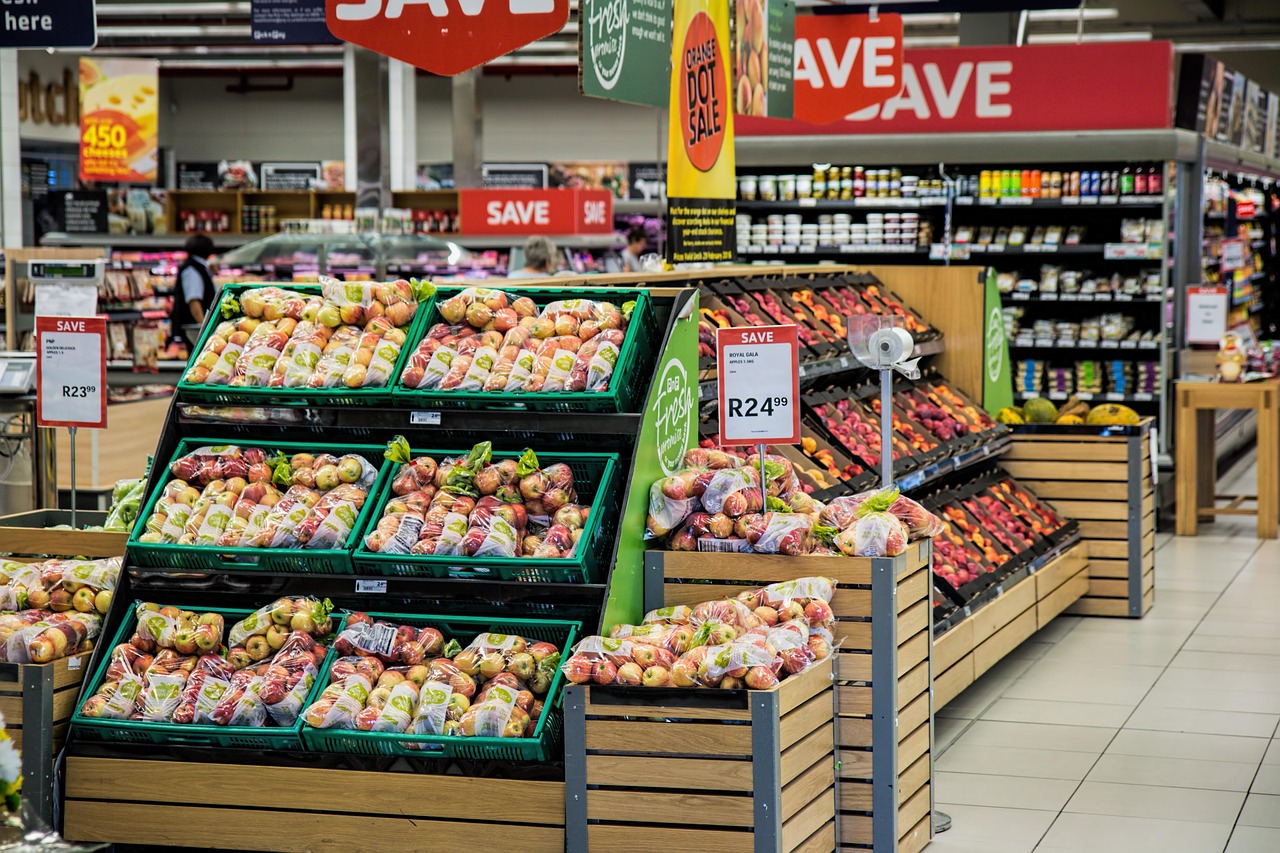
A traditional till processes a sale and prints a receipt — that is broadly where its job ends. An EPOS system does all of that and then continues working: updating stock levels, logging customer data, generating reports, and feeding information to every other part of your operation. Understanding this distinction matters because the wrong choice can mean paying for capability you will never use, or — far more commonly — limiting your business with hardware that cannot grow alongside it.
Written by the EPOS Direct UK team, who work with independent retailers, hospitality operators, pharmacies and multi-site businesses across the United Kingdom every day.
What Is a POS System? The Traditional Till Explained
A point of sale system, in its original sense, is the physical location and equipment through which a transaction is completed. In practice, this typically means a cash drawer, a receipt printer, and either a basic electronic till or an older standalone terminal. These systems were designed with one purpose: to accept payment and record the transaction locally.
Traditional POS setups work well in very low-volume or cash-only environments, but they carry significant limitations for any modern UK business:
- Sales data is stored on the device itself and cannot easily be accessed remotely or in real time.
- Stock is not tracked automatically — manual counts remain necessary.
- There is no native integration with card payment terminals, accounting software, or e-commerce platforms.
- Reporting is limited to basic end-of-day totals at best.
For a market stall accepting cash, a simple till may be perfectly adequate. For almost every other retail or hospitality business in the UK today, it leaves too much value on the table.
What Is an EPOS System? How Electronic Point of Sale Goes Further
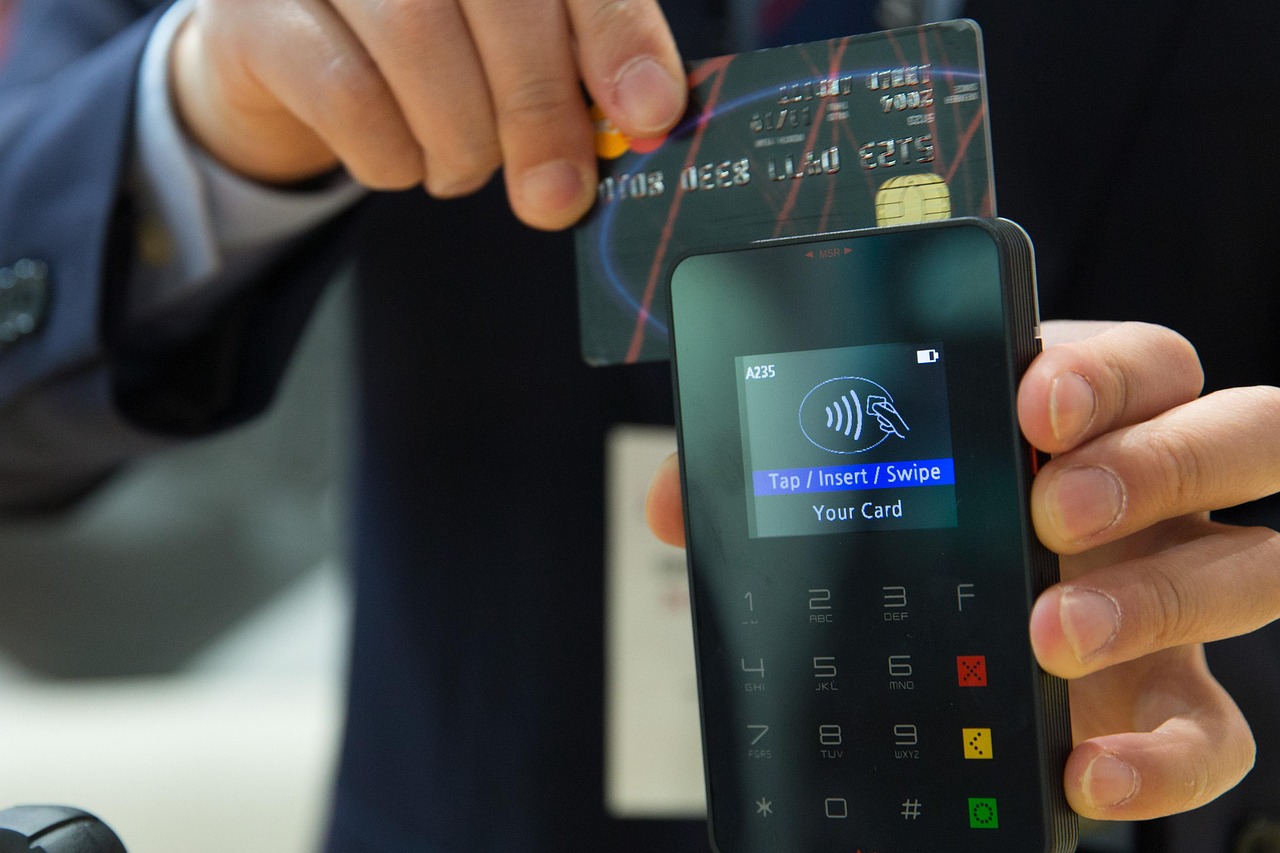
EPOS — Electronic Point of Sale — is the connected, software-driven evolution of the traditional till. The hardware often looks similar on the counter: a touchscreen terminal, a receipt printer, a cash drawer, and a barcode scanner. What is fundamentally different is what happens after the sale is recorded.
An EPOS system is built around software that connects every transaction to a broader business management layer. This means:
- Real-time stock management: every item sold is automatically deducted from inventory, and low-stock alerts can be triggered automatically.
- Integrated payments: card transactions, contactless, and mobile payments flow through the same system without manual reconciliation.
- Customer relationship tools: loyalty schemes, purchase histories, and targeted promotions can all be managed within the platform.
- Detailed reporting: sales by product, staff member, time of day, or location — accessible from any device with an internet connection.
- Third-party integrations: accounting packages, e-commerce platforms, delivery aggregators, and booking systems can all connect to a modern EPOS platform.
If you would like to explore what this looks like in practice before committing to anything, explore our EPOS software to see the full feature set, or request a free demo tailored to your sector.
EPOS vs POS: The Key Differences at a Glance
The table below summarises the practical distinctions between a basic POS setup and a full EPOS system, across the criteria that matter most when making a purchasing decision.
| Feature | Traditional POS Till | EPOS System |
|---|---|---|
| Stock management | Manual or none | Automatic, real-time |
| Sales reporting | Basic daily totals | Granular, multi-dimensional, exportable |
| Payment integration | Separate terminal, manual reconciliation | Fully integrated card and contactless payments |
| Remote access | None | Cloud-based access from any device |
| Customer data | Not captured | Loyalty, CRM, purchase history |
| Software updates | Manual or unavailable | Automatic over-the-air updates |
| Multi-site management | Not supported | Centralised dashboard across locations |
| Third-party integrations | Limited or none | Accounting, e-commerce, delivery, booking |
| Upfront hardware cost | Lower | Moderate to higher (offset by efficiency gains) |
| Scalability | Very limited | Scales with your business |
Which Industries Benefit Most from EPOS Systems in the UK?
EPOS technology is genuinely sector-agnostic — but the return on investment is most pronounced in businesses where stock complexity, staff management, or customer throughput creates operational pressure.
Retail
Clothing boutiques, convenience stores, gift shops, and multi-category independents gain enormously from automated stock tracking and integrated supplier ordering. Fashion retailers in particular benefit from variant management — tracking size, colour, and style at the SKU level without manual spreadsheets. Our guide to the best EPOS systems for clothing shops in the UK covers this in depth.
Hospitality and Food Service
Restaurants, cafés, pubs, and quick-service operators rely on EPOS to manage table plans, kitchen display systems, split bills, and allergen information — all within a single platform. Course management and modifier handling alone justify the upgrade from a basic till. You can book a restaurant EPOS software demo to see these features in action.
Pharmacy and Healthcare Retail
Pharmacies face specific compliance requirements around product tracking, controlled drug records, and customer data handling. Dedicated EPOS software built for this sector reduces administrative burden considerably. A pharmacy EPOS software demo will show you how these requirements are handled natively.
Small and Growing Businesses
The assumption that EPOS is only for larger businesses is outdated. Cloud-based platforms have dramatically reduced the barrier to entry, making sophisticated stock control and reporting accessible to sole traders and small independents. Our complete guide to EPOS systems for small businesses walks through what to prioritise at each stage of growth.
How Much Do POS and EPOS Systems Cost in the UK?
Cost is almost always one of the first questions buyers ask — and it is worth separating hardware costs from software subscription costs, since they are often quoted independently.
Traditional POS Till
- Basic electronic tills: typically from around £100 to £300 as a one-off purchase
- Limited or no ongoing software costs, but also limited or no ongoing capability
EPOS Systems
- Entry-level single-terminal setups: hardware packages typically starting from around £300 to £600; software licences from approximately £20 to £50 per month depending on features
- Mid-range setups (with integrated payments, stock management, and reporting): most UK businesses in this tier pay between £50 and £120 per month in software fees, with hardware costs varying by configuration
- Multi-site or enterprise EPOS: costs scale with the number of terminals and integrations; bespoke pricing is the norm at this level
These figures are indicative ranges based on typical UK market conditions and are provided as guidance only — actual pricing depends on your hardware choices, software tier, payment processing rates, and any bundled support contracts. For transparent, tailored pricing, talk to an expert online or browse our retail EPOS offers. If upfront cost is a priority, our guide to the most affordable EPOS systems for small businesses in the UK covers budget-conscious options in detail.
What to Look for When Choosing an EPOS System
With dozens of systems available to UK businesses, narrowing the field requires clarity on what your operation actually needs — not what looks impressive in a demo.
Does it handle your stock complexity?
A florist with fifty product lines has different needs from a clothing retailer managing thousands of SKUs across sizes and colours. Confirm that the system you are evaluating can handle your catalogue depth, variant management, and supplier ordering workflows before committing.
How does payment integration work?
A fully integrated card machine and till system eliminates manual reconciliation errors and speeds up end-of-day processes considerably. Our guide to combining a card machine and till system explains how integrated payment processing works and what to ask a provider. If you operate away from a fixed counter, also consider the best wireless card machines for small businesses.
What happens if connectivity drops?
Cloud EPOS systems should include an offline mode that continues processing transactions locally and syncs automatically when the connection is restored. Ask any provider to demonstrate this capability explicitly — it matters most precisely when you least want to discover it is missing.
Key selection criteria summary
- Software that matches your sector (retail, hospitality, pharmacy, or mixed)
- Integrated card payment processing with transparent transaction rates
- Reliable offline functionality
- UK-based customer support with realistic response time commitments
- Scalability — can the system grow to a second or third location without a full replacement?
- Training and onboarding support included in the package
Why UK Businesses Are Upgrading from POS to EPOS
The shift is being driven by a convergence of factors that have changed what a till needs to do. Consumer expectations around speed, payment flexibility, and loyalty have risen sharply. Making Tax Digital requirements from HMRC mean that digital record-keeping is increasingly not optional for VAT-registered businesses — and an EPOS system that exports directly to accounting software makes compliance straightforward rather than arduous. (For current MTD requirements, always refer directly to HMRC's official Making Tax Digital guidance.)
Beyond compliance, the data that a modern EPOS system generates has genuine commercial value. Knowing which products drive margin (not just volume), which staff members perform best at upselling, and which trading hours deliver your highest average transaction value allows you to make decisions based on evidence rather than instinct. A basic till offers none of this.
For small businesses weighing their options, our practical guide to the best till systems for small businesses is a useful companion read — and the EPOS Direct UK home page brings together our full range of hardware, software, and offers in one place.
Conclusion: Choosing the Right System for Your Business
A traditional POS till does one job adequately. An EPOS system does that job and then becomes the operational nervous system of your business — connecting sales, stock, payments, customers, and reporting into a single, manageable picture. For the vast majority of UK retailers, hospitality operators, and growing independents, the question is less often "do I need EPOS?" and more often "which EPOS solution is right for my specific operation?"
The EPOS Direct UK team works with businesses across the United Kingdom to answer exactly that question — without pressure, and with a clear view of what different systems genuinely deliver in practice. Request a free demo to see the platform in action, or request a call back and we will help you find the right fit for your business, your budget, and your sector.
Frequently asked questions
- Is an EPOS system the same as a till?
- Not exactly. A traditional till or basic POS system records sales and handles cash, but an EPOS system goes much further. It connects your sales terminal to stock management, staff tracking, sales reporting, and often cloud-based software — giving you real-time insight into your business, not just a record of transactions.
- How much does an EPOS system cost for a small UK business?
- In the UK, entry-level EPOS systems typically start from around £300–£500 for a basic hardware bundle (terminal, receipt printer, and card reader). Mid-range setups for retail or hospitality businesses commonly range from £600 to £1,500 depending on peripherals. Monthly software subscriptions can range from £20 to £80 per month. EPOS Direct offers competitive packages tailored to UK SMEs, often with flexible payment options.
- Can I use an EPOS system if I run a small independent shop?
- Absolutely. EPOS systems are no longer just for large retailers. Modern cloud-based EPOS solutions are designed to scale, meaning a single-site independent shop can benefit from stock alerts, end-of-day reports, and integrated card payments just as much as a chain. Many UK small businesses find the efficiency gains quickly offset the monthly cost.
