We use cookies to make your experience better.
To comply with the new e-Privacy directive, you agree to the privacy policy and our use of cookies

Can EPOS Systems Work Without Internet? Everything UK Businesses Need to Know
Can EPOS Systems Work Without Internet in the UK?
Yes — a well-designed EPOS system can continue processing sales, printing receipts and managing stock even when your broadband connection drops. The key lies in how the system stores and processes data: locally-installed software keeps everything on-site, while modern cloud-based platforms increasingly include an offline mode that syncs automatically once connectivity is restored. Understanding exactly which functions remain available — and which don't — is what separates a resilient setup from one that leaves your staff stranded at the till.
How Modern EPOS Systems Handle Offline Mode
The architecture of your EPOS software determines everything about offline performance. Two broad approaches exist in the UK market today:
- Locally-installed (on-premise) software runs entirely from hardware on your premises. Your product database, pricing rules and transaction records live on a local server or the till terminal itself, so internet availability is largely irrelevant to day-to-day trading.
- Cloud-based software with offline mode stores data in the cloud but caches a local copy on the terminal. Transactions are queued locally and pushed to the cloud automatically when the connection returns. The depth of this cache — and how long it remains reliable without syncing — varies significantly between vendors.
A system with no offline provision at all — one that makes a live API call to the cloud for every sale — will fail entirely the moment your router goes down. These exist, and buyers should ask vendors directly how the software behaves when the internet is unavailable before committing to any contract.
What Functions Still Work When Your Broadband Goes Down
Assuming your EPOS system has proper offline capability, the following core functions should remain fully operational:
- Processing cash sales and issuing printed receipts
- Scanning barcodes and pulling up product information from the local database
- Applying stored discounts, VAT rates and price overrides
- Tracking stock levels locally (adjustments sync once reconnected)
- Processing refunds or exchanges against transactions recorded in the local journal
- Printing end-of-day Z-reports from locally stored session data
- Operating kitchen display screens and order routing in a restaurant environment, provided the KDS is on the same local network
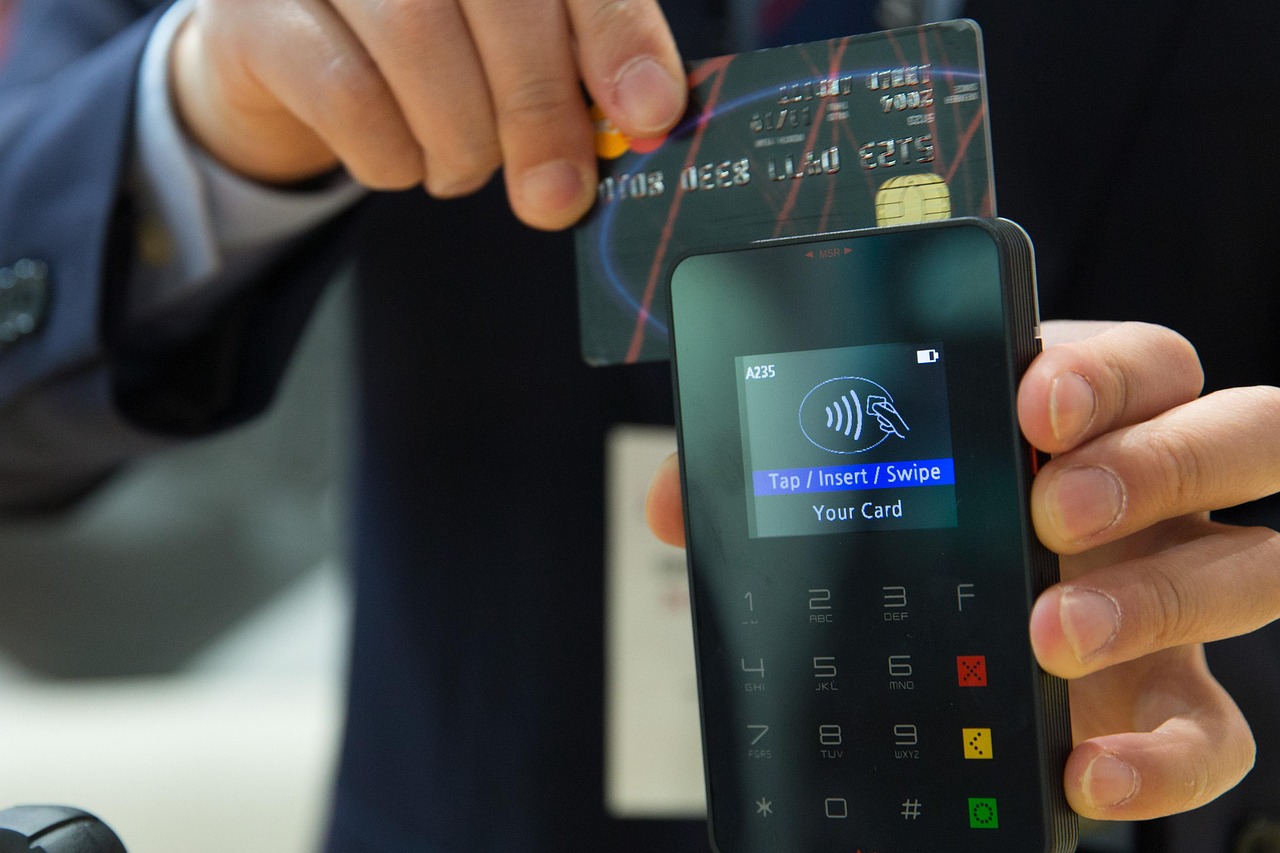
Card payments introduce a separate dependency. Your card machine connects to the payment processor via its own data channel — usually a mobile (4G/5G) connection or a direct broadband link independent of your EPOS software. A card machine with its own SIM will continue accepting card payments even if your EPOS terminal's internet drops, which is why many UK businesses choose a wireless card machine as a deliberate resilience measure. For more detail on this, see our guide to the best wireless card machines for small businesses in the UK.
What Features Are Limited or Unavailable Without Connectivity
Offline mode is a safety net, not a full substitute for a live connection. The following features typically require internet access:
- Real-time reporting and dashboards — cloud analytics cannot refresh without a connection; any reports generated offline will be based on locally cached data only.
- Multi-site stock synchronisation — if you operate more than one location, stock levels across sites will diverge until the connection is restored.
- E-commerce and delivery platform integrations — orders from your website, Deliveroo or Uber Eats will not flow into the system while offline.
- Loyalty scheme and CRM lookups — if customer records are cloud-only, you may not be able to apply points or retrieve purchase history.
- Software and pricing updates pushed from head office — centrally managed price changes or promotions cannot be applied until reconnection.
- Staff scheduling and payroll integrations — HR platforms connected via API will pause during an outage.
The practical implication: plan for outages as a routine operational event. Train staff on offline procedures, ensure your card machine has an independent data connection, and confirm with your provider exactly how long the local cache can sustain trading before it requires a sync.
Cloud-Based vs. Locally-Installed EPOS: Which Is Better for Offline Use?
This is one of the most common questions buyers raise, and the answer depends on your priorities. The table below summarises the key trade-offs for UK businesses:
| Criterion | Cloud-Based EPOS (with offline mode) | Locally-Installed EPOS |
|---|---|---|
| Offline resilience | Good — if the vendor has built a robust local cache | Excellent — internet outage has minimal operational impact |
| Remote access to data | Full access from any device, anywhere | Limited — usually requires VPN or physical presence |
| Software updates | Automatic, pushed centrally | Manual or scheduled by your IT team or vendor |
| Multi-site management | Built-in, real-time when online | Possible but typically requires more configuration |
| Hardware dependency | Lower — can often run on standard tablets | Higher — tied to on-premise server or specific terminals |
| Typical upfront cost | Lower hardware cost; monthly software licence | Higher upfront; lower or zero ongoing licence fees |
| Best suited to | Multi-site retailers, hospitality groups, growing SMEs | Single-site businesses in areas with unreliable broadband |
For most UK small businesses, a cloud-based platform with a well-engineered offline mode offers the best of both worlds — provided you verify the offline capability before signing. If you operate in a rural area where connectivity is genuinely unreliable for extended periods, a locally-installed system or a hybrid approach deserves serious consideration. Our complete EPOS guide for small businesses covers the broader decision in more depth.
Industries That Benefit Most from Offline EPOS Capability
While offline resilience matters to every business, certain sectors face a disproportionate risk from connectivity outages:
Retail
A clothing boutique or independent gift shop with a single till cannot afford to turn customers away because of a dropped connection. Offline mode ensures the queue keeps moving and stock is adjusted, even if cloud reporting pauses. See how offline-capable systems support specialist retailers in our article on the best EPOS systems for clothing shops in the UK.
Hospitality and Food & Beverage
Restaurants, cafés and bars operate at pace, often during peak periods when internet disruption would be most damaging. An offline-capable EPOS keeps table orders flowing, kitchen display screens active and tabs open — preventing the chaotic scenario of staff reverting to pen and paper during a Saturday evening service.
Markets, Pop-Ups and Mobile Traders
Street food vendors, market stalls and event caterers often operate in locations with no fixed broadband at all. Here, a system that runs natively offline — combined with a card machine on its own 4G SIM — is not just preferable, it is essential. Our guide to combined card machine and till systems is particularly relevant for mobile setups.
Pharmacies and Healthcare Retail
Pharmacies dispensing products at the point of sale require uninterrupted transaction processing. Any outage that prevents a patient from collecting a paid-for item creates both a customer service problem and a potential regulatory concern. If you run a pharmacy, explore our pharmacy EPOS software demo to see how resilient offline handling works in practice.
What Does Offline-Capable EPOS Cost in the UK?
Pricing depends on the software model, hardware bundle and number of tills, but the following indicative ranges reflect what UK businesses typically encounter in the current market:
- Entry-level cloud EPOS with offline mode: typically from around £30–£60 per month per terminal for software, plus a one-off hardware cost starting from approximately £300–£500 for a basic tablet-based terminal.
- Mid-tier retail or hospitality EPOS bundles (touchscreen terminal, receipt printer, card reader): hardware bundles commonly fall in the £700–£1,500 range, with software licences of roughly £50–£100 per month.
- Locally-installed systems often carry higher upfront hardware and setup costs — expect a more significant capital outlay — but lower or zero ongoing software fees once deployed.
- Enterprise or multi-site deployments are typically quoted per project; the monthly licence cost per site is often lower at scale.
These figures are indicative guidance only and will vary by vendor, feature set and contract terms. For a personalised quote based on your business type and number of tills, talk to an expert online at EPOS Direct. You can also find options without prohibitive monthly commitments in our roundup of the most affordable EPOS systems for small businesses in the UK.
How to Choose an EPOS System With Reliable Offline Support in the UK
Not all "offline mode" claims are equal. Before committing to a system, ask vendors the following questions directly:
- What happens at the point of sale the moment internet is lost? A credible vendor will describe precisely which functions continue and which pause — not offer vague reassurances.
- How long can the system trade offline before it must reconnect? Some systems cache data for hours; others begin to degrade after minutes. If your broadband is unreliable, duration matters.
- How does data reconcile when connectivity returns? Confirm that the sync process is automatic, handles conflicts intelligently and generates an audit trail — critical for accurate stock management and financial reporting.
- Is the payment terminal on an independent connection? Establish whether card processing runs through your EPOS system's internet connection or via a separate SIM-enabled device. This single question can determine whether you accept card payments during an outage.
- What is the vendor's support response time for connectivity-related issues in the UK? UK businesses should look for vendors offering UK-based support with defined response SLAs — particularly important if you trade evenings and weekends.
Testing the offline mode before signing is not excessive — it is sensible due diligence. Ask to see a retail EPOS software demo or a restaurant EPOS software demo that specifically demonstrates what happens when the connection is disabled.
How EPOS Direct Keeps Your Business Running Whatever the Connection
EPOS Direct UK builds offline resilience into its systems as a core capability rather than an afterthought. Whether you run an independent retail store, a busy restaurant or a multi-site operation, the platform is engineered to continue processing sales locally, queue transactions securely and sync seamlessly once your connection is restored — without any manual intervention from your team.
Our hardware bundles are specified with real-world UK trading conditions in mind: terminal-grade components rated for high-volume use, independent card machine options with their own mobile data, and receipt printers that operate entirely on your local network. Visit the EPOS Direct UK home page for the full range of offers and information, or explore tailored packages via our retail EPOS offers page and our hospitality and restaurant EPOS offers page.
For businesses that want to see the software in action before committing, our team offers obligation-free demonstrations tailored to your sector and trading environment.
The Short Answer
A well-specified EPOS system absolutely can work without internet connectivity in the UK. Locally-installed systems are inherently resilient to outages; cloud-based systems with a properly built offline mode will continue processing cash sales, managing stock and printing receipts locally, then sync when your connection returns. The critical variable is not whether you choose cloud or on-premise — it is whether you have verified your chosen system's offline behaviour before you need it.
Ready to Build a More Resilient Setup?
EPOS Direct UK has helped thousands of UK businesses choose and configure EPOS systems that keep trading through connectivity challenges. Whether you are setting up your first till or reviewing an existing setup that has let you down during an outage, our team can advise on the right hardware, software and payment combination for your situation. Request a free demo or request a call back and speak with a specialist who understands UK trading conditions — not a generic sales script.
Written by the EPOS Direct UK team, who advise UK retail, hospitality and specialist businesses on EPOS and POS systems every day.
Frequently asked questions
- Will my EPOS till keep processing sales if my broadband cuts out?
- Yes — most modern EPOS systems, including those supplied by EPOS Direct UK, include an offline mode that stores transactions locally on the device. Sales, receipts and inventory updates are processed as normal and then automatically synchronised to the cloud once your internet connection is restored. The key is to confirm offline capability with your supplier before purchasing, as not all budget systems offer this.
- Can I still take card payments on an EPOS system with no internet connection?
- It depends on your payment terminal and provider. Some card readers, such as those using store-and-forward technology, can queue contactless and chip-and-PIN transactions offline and submit them for authorisation once connectivity returns. However, this carries a small risk of declined cards not being caught in real time. Many UK businesses use a 4G SIM-enabled terminal as a backup to avoid this issue entirely. Always check with your payment processor about their specific offline acceptance policy.
- How much does a good offline-capable EPOS system cost for a small UK business?
- For a small UK retail or hospitality business, a complete offline-capable EPOS setup typically ranges from around £300 to £900 for a single-terminal hardware bundle, with monthly software licences running from approximately £20 to £60 per month depending on features. EPOS Direct UK offers tailored packages for independent shops, cafes and restaurants, with options to spread hardware costs. It is worth requesting a custom quote as pricing varies based on number of tills, peripherals such as receipt printers and barcode scanners, and the level of support required.
