We use cookies to make your experience better.
To comply with the new e-Privacy directive, you agree to the privacy policy and our use of cookies


Best E-Commerce Solutions & Services for UK Retailers in 2026
E-Commerce Solutions & Services for UK Retail and Hospitality Businesses
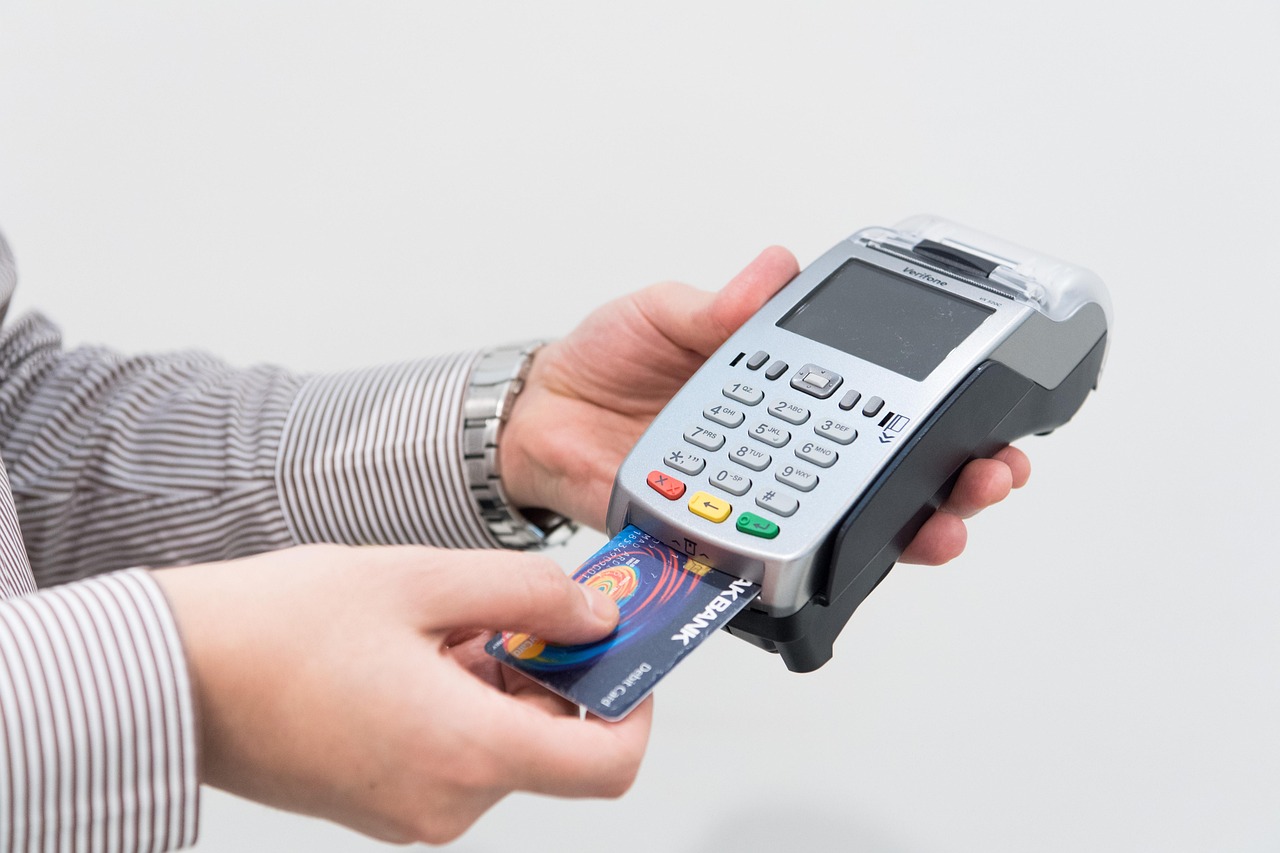
For UK retailers and hospitality operators, building a coherent online presence is no longer optional — it is the baseline expectation of modern customers who browse on mobile, buy online, and collect or return in store. The right combination of e-commerce technology and an integrated EPOS system lets you unify stock, sales, and customer data across every channel, reducing manual effort and eliminating the costly errors that come from running disconnected systems. This guide covers what to look for, how integration works in practice, what everything costs, and how to match the right solution to your specific business.
What E-Commerce Services Actually Mean for UK Retail and Hospitality
The term "e-commerce solution" covers a broad spectrum — from a basic online shop bolted onto an existing website, to a fully integrated omnichannel platform that synchronises your physical till, your online store, your loyalty scheme, and your delivery management in real time. For most UK independent retailers and hospitality businesses, the meaningful definition sits somewhere in the middle: a reliable, secure online sales channel that talks fluently to your in-store point-of-sale setup.
UK consumer expectations have shifted decisively. Shoppers expect accurate stock availability shown online, seamless click-and-collect, and consistent pricing whether they buy in person or through your website. Hospitality operators — particularly those running restaurants, cafés, or hotels — increasingly depend on online ordering, table reservations, and pre-payment to manage capacity and cash flow. The businesses that get this right are not necessarily the biggest; they are the ones running tightly integrated systems behind the scenes.
If you are exploring your broader hardware options alongside your online strategy, the complete guide to EPOS and POS systems for UK businesses covers the full landscape from hardware to software in one place.
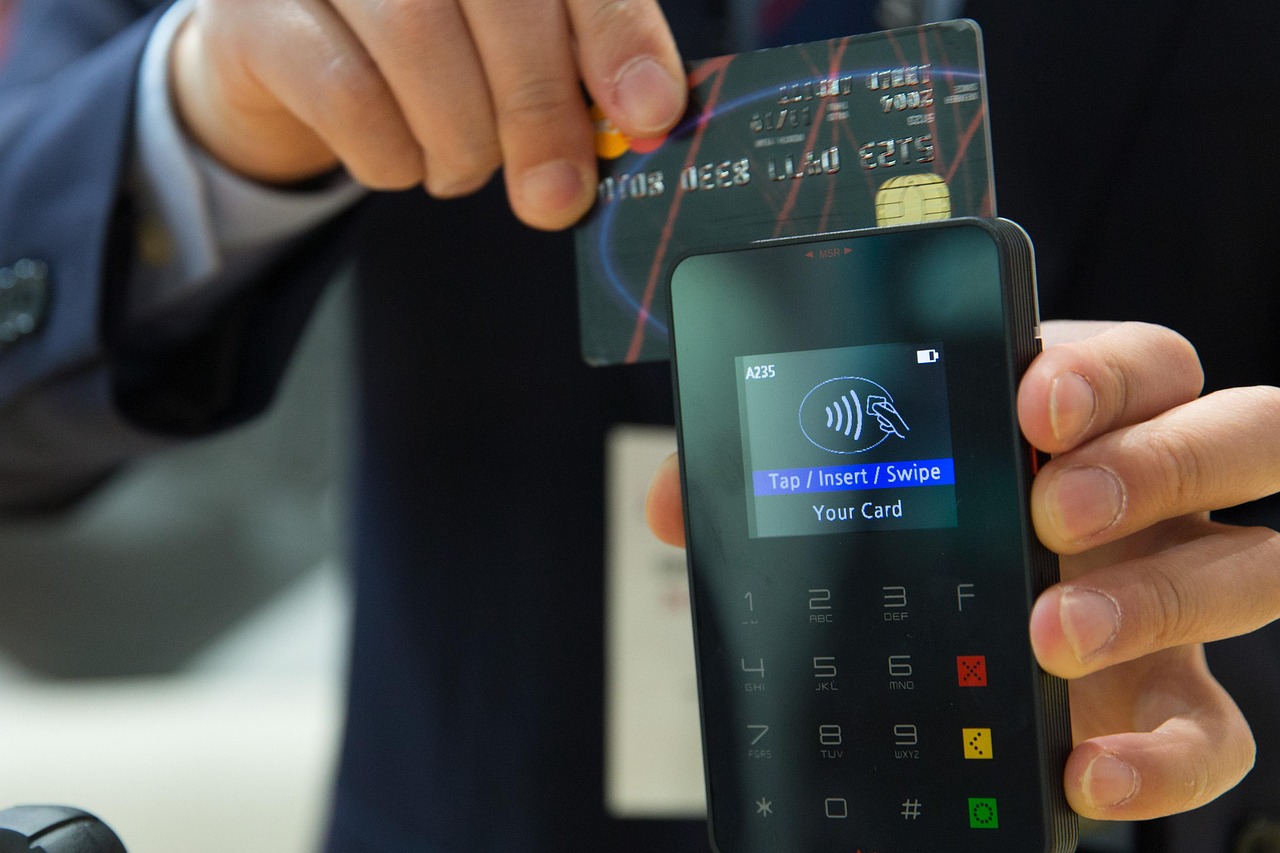
How EPOS Integration Makes Omnichannel Selling Effortless
The single most important decision in any e-commerce setup for a physical business is whether your online store and your EPOS till system share a single source of truth for product data, stock levels, and sales reporting. Without integration, you are running two separate businesses simultaneously — updating menus or product listings twice, reconciling two sets of sales figures, and managing inventory manually across channels.
When your EPOS and your e-commerce platform are integrated — either natively or through a well-supported connector — the following happen automatically:
- Stock is deducted in real time whenever a sale occurs online or in store, preventing overselling.
- Product updates propagate everywhere — change a price or description at the till, and it reflects online within minutes.
- Sales data consolidates into a single reporting dashboard, giving you accurate margin and category analysis without manual exports.
- Customer records are unified, so a loyalty-scheme member earns and redeems points regardless of where they shop.
- Refunds and exchanges processed at the counter update online order records automatically.
For hospitality businesses specifically, integration extends to kitchen display systems, table management, and online reservation platforms — ensuring that an order placed via your website or a third-party aggregator flows directly to the kitchen without a member of staff manually re-entering it.
To understand how integrated card payments fit into this picture, the guide to EPOS systems with integrated card payments in the UK is worth reading alongside this one.
Key Features to Look for in an E-Commerce Solution
Not every platform is equally suited to every type of UK business. Use the following criteria to evaluate any solution before committing.
For Retail Businesses
- Native or API-based stock synchronisation with your EPOS till
- Multi-variant product management (sizes, colours, weights)
- Click-and-collect workflow with in-store pickup notifications
- Integrated loyalty and promotions engine
- Age-verification prompts for age-restricted goods
- Gift card redemption both online and at the till
For Hospitality and Food & Beverage Businesses
- Online ordering with direct kitchen integration (bypassing manual re-entry)
- Table reservation and pre-ordering capabilities
- Modifier and allergen management carried through to online menus
- Delivery zone management and driver dispatch
- Pre-payment and deposit collection with automatic reconciliation
- Integration with third-party aggregator platforms
For Both Sectors
- Mobile-optimised storefront (Google uses mobile-first indexing)
- UK-compliant payment processing with Strong Customer Authentication (SCA) support
- GDPR-compliant customer data handling and consent management
- Detailed sales, margin, and traffic reporting
- Reliable UK-based support — not just a chatbot
Connecting Your Online Store to Your EPOS Till: A Practical Overview
Many business owners assume that connecting an online shop to a till system requires significant technical work. In practice, with a modern cloud-based EPOS platform, the process is straightforward — typically completed in stages over a few days rather than weeks.
- Audit your product data. Before any integration, ensure your product catalogue — including barcodes, descriptions, prices, tax rates, and category structures — is clean and consistent in your EPOS. This data becomes the foundation of your online store.
- Choose a compatible e-commerce platform. Confirm it supports a direct API connection or a maintained integration plugin for your EPOS system. EPOS Direct UK supports integrations with several leading UK e-commerce platforms; talk to an expert online to confirm compatibility with your preferred platform.
- Configure the sync rules. Decide which products are available online, whether stock counts are shared across locations, and how to handle backorders or pre-orders.
- Set up payment processing. Ensure your payment gateway is SCA-compliant (required under UK FCA rules for card-not-present transactions). Map refund and void processes between channels.
- Test across scenarios. Run a full cycle — place an order online, fulfil it in store, process a return — before going live. Check stock levels update correctly at each step.
- Train your team. Staff need to understand how online orders appear on the till or kitchen display, how to process click-and-collect, and how to handle edge cases such as partially fulfilled orders.
If you are starting from scratch with your in-store hardware, the practical buyer's guide to till systems for small businesses will help you choose the right foundation before adding an online layer.
Payment Processing and Security: What Every UK Merchant Should Know
Online payment processing in the UK operates under a specific regulatory framework. The Financial Conduct Authority (FCA) oversees payment service providers, and the Payment Services Regulations 2017 (incorporating the EU's PSD2 requirements into UK law post-Brexit) mandate Strong Customer Authentication for most online card transactions. In plain terms, this means your payment gateway must support 3D Secure 2 (3DS2) — the mechanism that triggers a bank authentication step for online purchases above exemption thresholds.
When evaluating payment processing, consider:
- Transaction fees: typically charged as a percentage of each transaction plus a small fixed amount per transaction. Rates vary by provider and monthly volume.
- Monthly gateway fees: some providers charge a monthly platform fee in addition to per-transaction costs.
- Payout speed: how quickly funds reach your bank account matters for cash flow. Standard payout windows in the UK market range from next-day to three business days.
- Chargeback handling: understand the process and timescales before you are in the middle of a dispute.
- PCI DSS compliance: your payment setup must meet Payment Card Industry Data Security Standards. A reputable gateway provider handles the heavy lifting, but you remain responsible for your own systems.
For businesses that also need reliable in-person card acceptance alongside online payments, the guide to card machines and till systems combined explains how to unify both under one setup.
What Does All This Cost? Indicative Pricing for UK Businesses
Costs vary considerably depending on the complexity of your setup, the platforms you choose, and the level of ongoing support you need. The following ranges are indicative of the UK market and should be treated as guidance for budgeting purposes, not as quotes.
| Setup Type | Typical Monthly Cost (approx.) | One-Off Setup / Integration Cost (approx.) | Best Suited To |
|---|---|---|---|
| Basic online store, no EPOS integration | From £20–£50/month | Minimal — self-service setup | Sole traders or micro-businesses testing online sales |
| E-commerce platform with EPOS connector | From £50–£150/month (platform + connector) | From £200–£500 for configuration and onboarding | Independent retailers with 100–1,000 SKUs |
| Full omnichannel EPOS + online ordering (retail) | From £100–£300/month depending on terminals and modules | From £500–£1,500 including hardware configuration | Multi-department retailers or small chains |
| Hospitality online ordering + EPOS integration | From £80–£250/month depending on covers and features | From £400–£1,200 including menu build and kitchen integration | Restaurants, cafés, takeaways, hotels |
| Enterprise omnichannel (multi-site, custom) | From £300+/month | Project-based — request a specific quote | Multi-location operators, franchises |
Payment processing fees are separate from the above and depend on your monthly card turnover and chosen provider. For businesses sensitive to ongoing subscription costs, the guide to affordable EPOS systems for small businesses covers how to get strong functionality without over-specifying your setup.
E-Commerce Platforms That Work Well With EPOS Direct UK Systems
EPOS Direct UK systems are designed to integrate with the most widely used e-commerce platforms in the UK market. The right platform for you depends on your sector, product complexity, and technical appetite.
- Shopify — widely used by UK independent retailers for its polished storefront templates, strong app ecosystem, and maintained EPOS connectors. Suits businesses with a straightforward product catalogue.
- WooCommerce — a WordPress plugin that offers greater flexibility and lower platform costs, though it requires more technical management. Popular with businesses that want full control over their online presence.
- Wix eCommerce — a lower-barrier option for smaller operations who need an attractive site quickly, with growing integration capabilities.
- BigCommerce — suited to retailers with larger catalogues or B2B requirements, offering strong API capabilities for deeper EPOS integration.
- Bespoke or sector-specific platforms — some hospitality operators use dedicated online ordering platforms (integrated directly with their EPOS) rather than a general e-commerce solution. EPOS Direct's hospitality systems support several of these natively.
To see the EPOS Direct software in action before committing, you can book a retail EPOS software demo or a restaurant EPOS software demo online — both are free and show exactly how data flows between your till and your online channel.
How to Choose the Right Solution for Your Business
The most useful question to ask is not "which platform is best?" but "what problem am I actually trying to solve, and which setup solves it most cleanly?" Here is a practical decision framework:
- If your primary goal is adding an online revenue stream to an existing retail shop, prioritise tight stock synchronisation and a clean click-and-collect workflow over everything else.
- If you run a restaurant or café and want to reduce phone orders and third-party commission costs, look for a solution where online orders land directly in your kitchen display without staff intervention.
- If you have multiple locations, ensure the platform supports multi-site stock management and consolidated reporting from day one — retrofitting this later is expensive.
- If budget is the primary constraint, start with a well-integrated single-channel setup and build out. A lean, well-integrated system beats a feature-rich one that nobody uses correctly.
- If you are unsure of your requirements, speak to a specialist before choosing any platform. The EPOS Direct UK team works with UK retail and hospitality businesses daily and can map the right solution to your specific situation — request a free demo to start that conversation.
For businesses starting their EPOS journey and weighing up hardware options at the same time, the complete 2026 guide to EPOS systems for small businesses provides a clear overview of what to prioritise at each stage of growth.
The Direct Answer: What Is the Best E-Commerce Setup for a UK Business?
The best e-commerce setup for a UK retail or hospitality business is one where your online store and your physical EPOS system share live, synchronised data — so stock, pricing, customer records, and sales reporting are always accurate across every channel without manual intervention. For most independent businesses, this means choosing a cloud-based EPOS platform with a native or well-maintained integration to an established e-commerce platform, combined with an SCA-compliant payment gateway. The specific platform matters less than the quality of the integration between them.
Ready to Build Your Omnichannel Setup?
EPOS Direct UK works with independent retailers, restaurants, cafés, pharmacies, and hospitality operators across the United Kingdom, helping them move from disconnected systems to a unified, professional setup that handles both in-store and online sales seamlessly. Whether you are adding an online shop to an existing till system or building from scratch, the team can guide you to the right configuration for your budget and your goals.
Explore the full range of offers and information at the EPOS Direct UK home page, view our retail EPOS offers or our hospitality and restaurant EPOS offers, or request a call back and a member of the team will be in touch to discuss your requirements.
Written by the EPOS Direct UK team, who support UK retail and hospitality businesses with EPOS, POS, and omnichannel solutions every day. Regulatory information in this article (including references to SCA and PCI DSS) is provided for general guidance; for compliance advice specific to your business, consult the FCA website and your payment service provider directly.
Frequently asked questions
- Can I integrate my existing EPOS till system with an online store?
- Yes. EPOS Direct UK systems are designed to integrate with leading e-commerce platforms such as Shopify, WooCommerce, and Magento, allowing you to sync inventory, orders, and payments in real time between your physical till and your online store.
- What e-commerce solutions are best for small UK retailers?
- Small UK retailers benefit most from solutions that combine a cloud-based EPOS system with a simple e-commerce storefront. Look for automatic stock syncing, integrated card payments, and a single back-office dashboard. EPOS Direct UK offers packages scaled for independent shops and growing multi-site businesses.
- How much does an e-commerce EPOS solution cost for a UK business?
- Costs vary depending on the number of tills, software features, and payment processing volumes. EPOS Direct UK provides tailored quotes, but typical setups for a small retail business start from a few hundred pounds with flexible monthly software plans available. Contact the team for a free no-obligation quote.
