We use cookies to make your experience better.
To comply with the new e-Privacy directive, you agree to the privacy policy and our use of cookies


Key Benefits of EPOS Software for UK Retail & Hospitality Businesses
The Real Benefits of EPOS Software for UK Retail and Hospitality

Modern EPOS software does far more than process a sale — it connects every corner of your operation, from the shop floor or restaurant pass to your accountant's dashboard, giving you the visibility and control that a traditional cash register simply cannot provide. For UK retailers and hospitality businesses navigating rising costs, staff pressures and increasingly demanding customers, the right EPOS software can be the difference between guessing and knowing. This guide explains, in plain terms, exactly what EPOS software delivers — and how to judge whether it is the right investment for your business.
What Is EPOS Software and How Does It Work?
EPOS stands for Electronic Point of Sale. The software is the intelligence layer that sits on your till hardware — processing transactions, recording every line of stock sold, generating reports and, in modern systems, synchronising data across locations, websites and third-party platforms in real time.
A typical UK setup consists of a touchscreen terminal running the EPOS application, connected to a barcode scanner, receipt printer and card reader. Cloud-based EPOS software — now the dominant model — stores your data securely off-site, meaning you can check yesterday's trading figures from your phone at 7 a.m., update a menu from a laptop or receive a low-stock alert without being present in the business.
If you are still weighing up what type of system suits your size and sector, the Complete Guide to EPOS & POS Systems for UK Businesses sets out the full landscape clearly, while the Complete 2026 Guide to EPOS Systems for Small Businesses focuses specifically on owner-managed operations.
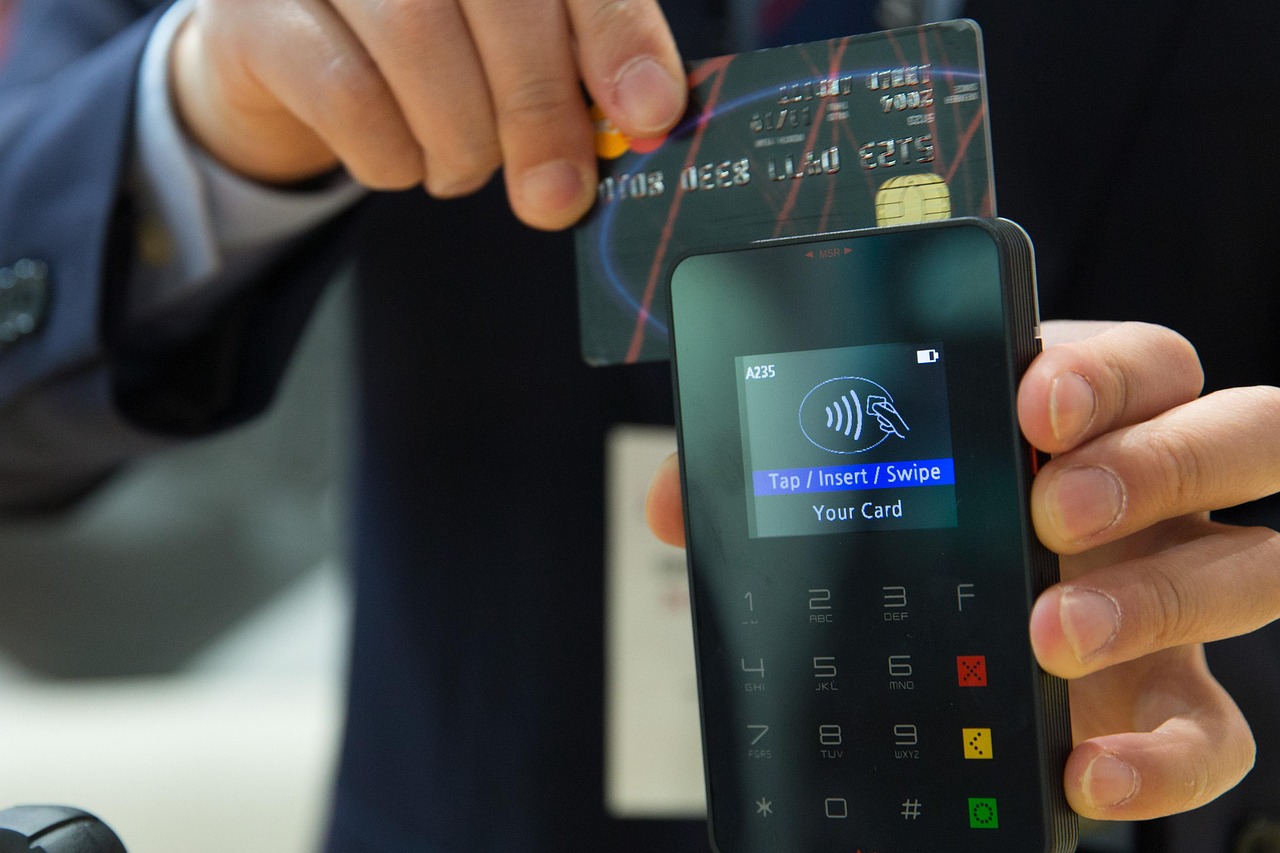
How EPOS Software Accelerates Sales and Reduces Human Error
Speed at the point of sale directly affects revenue and customer satisfaction. A well-designed EPOS interface lets a trained operator process a transaction in seconds rather than manually keying prices, calculating change or relying on memory for modifiers and variants.
Where the time savings actually come from
- Barcode scanning: Items are rung through instantly and accurately; no mis-keyed price, no need to memorise SKU numbers.
- Quick-access product tiles: Hospitality operators can build a touchscreen layout with popular dishes, modifiers and dietary flags, so a server tables an order without ambiguity.
- Automatic price calculations: Discounts, happy-hour pricing, meal deals and VAT are all applied by the system, eliminating arithmetic errors that erode margin and embarrass staff.
- Staff accountability: Every transaction is logged against a user account, making it straightforward to review discrepancies at end of day.
The reduction in human error is not a minor convenience — miscounted change, mis-priced items and forgotten modifiers are among the most common causes of margin leakage in small UK businesses. EPOS software closes those gaps systematically.
Stock Control and Inventory Management Made Simple
Possibly the most transformative capability for retail is real-time stock management. Every time a product is scanned through the till, the system decrements the inventory count automatically. The result is a live, accurate picture of what you have — without a manual stocktake every week.
Practical inventory features to look for
- Low-stock alerts: Automatic notifications when items fall below a threshold you set, so you reorder before a shelf goes empty.
- Supplier purchase orders: Better systems generate draft purchase orders directly from your reorder points, saving admin time.
- Waste and shrinkage tracking: Record damaged, returned or written-off stock separately so your figures remain accurate.
- Multi-location inventory: If you operate more than one site, see consolidated or site-by-site stock levels on a single dashboard.
- Recipe-level depletion (hospitality): When a dish is sold, the system deducts each ingredient from your raw-materials stock, giving you a precise picture of food cost and waste.
For hospitality operators, this level of granularity is particularly powerful — knowing your theoretical versus actual stock variance weekly points directly to waste, over-portioning or unexplained loss.
Sales Reporting and Business Insights in Real Time
A good EPOS system turns your daily trading into structured, searchable data. Rather than interpreting a till roll at midnight, you can pull up a dashboard showing revenue by product category, average transaction value, busiest hour of the day and top-performing staff members — all from a browser or mobile app.
Reports that genuinely change decisions
- Hourly and daily trading summaries: Identify your peak periods and schedule staff accordingly, reducing labour waste.
- Product performance: Spot slow-moving lines before they become dead stock, and double down on your highest-margin sellers.
- Gross margin by category: Essential for retail buyers and hospitality menu engineers alike.
- Refund and void analysis: High refund rates on specific lines often flag a product quality or staff training issue.
- Year-on-year comparison: Cloud-based systems retain historical data so you can benchmark current performance against the same period last year.
This is the capability that most business owners say they wished they had sooner — not the transaction processing, but the insight layer that makes every business decision faster and better evidenced.
How EPOS Software Improves the Customer Experience
Customers notice a smooth transaction even if they cannot articulate why. Faster queues, accurate orders, a printed or emailed receipt and a loyalty scheme that remembers their preferences all contribute to the perception that a business is professional and worth returning to.
- Integrated loyalty programmes: Reward repeat customers automatically, recording points against their account without a paper stamp card.
- Customer purchase history: Useful in independent pharmacies, specialist retail and salons where knowing a customer's previous purchases adds genuine service value.
- Email receipts: Reduces paper waste, builds your mailing list (with consent) and makes returns easier to process.
- Faster payment: Integrated card terminals mean the amount is passed directly from the till — no manual entry, no mismatch, no delay. See our guide to EPOS systems with integrated card payments for a detailed breakdown of the options available in the UK.
- Order accuracy in hospitality: Kitchen display systems connected to the EPOS eliminate misread handwritten tickets, reducing remakes and wait times.
Integration With Payments, Accounting and Online Ordering
Standalone EPOS software is valuable; connected EPOS software is transformative. Modern systems are designed to integrate with the tools you already use, removing the double-entry that costs time and introduces errors.
| Integration type | What it automates | Who benefits most |
|---|---|---|
| Integrated card payments | Amount sent directly to terminal; reconciliation handled automatically | All retail and hospitality businesses |
| Accounting software (e.g. Xero, Sage, QuickBooks) | Daily Z-report data posted to ledger; VAT calculated and categorised | Owner-managed businesses, accountants |
| Online ordering / delivery platforms | Orders flow into the kitchen display or till without manual re-entry | Restaurants, cafés, takeaways |
| E-commerce (e.g. WooCommerce, Shopify sync) | Unified inventory across physical and online channels | Retailers with an online shop |
| Payroll and scheduling | Clocked hours from EPOS feed into payroll; labour cost vs. revenue visible | Businesses with shift-based staff |
| Loyalty and CRM platforms | Customer data, spend history and rewards updated at point of sale | Retail, hospitality, pharmacy |
If your business is exploring the combination of till and payment processing in one device, the guide to card machines and till systems combined explains your options in depth, including the trade-offs between integrated and separate payment terminals.
What Does EPOS Software Cost for a UK Business?
Pricing in the UK market varies considerably depending on the number of tills, the depth of features and whether you opt for a cloud subscription or a one-off licence. As a general guide — and these are indicative market ranges, not quotes:
- Entry-level cloud EPOS software: typically from around £20–£50 per month per terminal for basic retail or hospitality functionality.
- Mid-range systems with full reporting, loyalty and integrations: most setups fall between £50 and £150 per month per terminal.
- Hardware bundles (terminal, scanner, printer, card reader): a single-till starter bundle commonly ranges from approximately £300 to £800 outright, or is available on finance/rental plans.
- Multi-site or enterprise deployments: priced on consultation; volume discounts are standard.
Always verify what is included in a subscription — onboarding, training, software updates and UK-based support vary considerably between providers. The guide to the most affordable EPOS systems for small UK businesses compares the value considerations at each price tier in more detail. You can also request a free demo from EPOS Direct to see exactly what is included at each tier before committing to anything.
Is EPOS Software Worth the Investment for a Small UK Business?
The direct answer
For the vast majority of UK retail and hospitality businesses processing more than a modest volume of daily transactions, EPOS software pays for itself — typically through reduced stock shrinkage, faster service, fewer pricing errors and the labour saved on manual reporting. The question is not usually whether to invest, but which system matches your trading model and budget.
Three questions to ask before you buy
- Does it fit your sector? Retail and hospitality have genuinely different requirements — recipe-level stock depletion, table management and kitchen display systems are hospitality-specific needs. Look for a platform built for your environment. The Practical Buyer's Guide to Till Systems for Small Businesses walks through sector-specific criteria clearly.
- What does the onboarding and support look like? A system is only as good as the implementation. UK-based telephone support during trading hours matters when something goes wrong on a busy Saturday afternoon.
- Can it grow with you? Adding a second site, launching an online store or expanding your product range should be straightforward within the platform — not a reason to migrate to an entirely new system.
Who benefits most
- Independent retailers managing more than 100 SKUs
- Cafés, restaurants and bars running table service and takeaway simultaneously
- Pharmacies needing dispensary integration and detailed audit trails
- Multi-site operators who need consolidated reporting without manual aggregation
If you are specifically researching pharmacy applications, you can explore the EPOS Direct pharmacy software demo to see how the system handles dispensary workflows and compliance requirements.
See It in Action Before You Decide
Reading about capability is useful; watching it work in your context is definitive. EPOS Direct UK offers live, sector-specific software demonstrations so you can test the interface, ask questions and see real reporting dashboards before making any commitment. You can book a retail EPOS software demo, explore a restaurant EPOS software demo, or talk to an expert online about your specific requirements.
For current pricing, hardware bundles and sector-specific offers, visit the EPOS Direct UK home page where you will find the latest deals and all the information you need to make a confident decision. Whether you are setting up your first till or replacing an ageing system, the right EPOS software — properly implemented — will repay your investment many times over in efficiency, accuracy and insight.
Written by the EPOS Direct UK team, who support retail, hospitality and pharmacy businesses across the United Kingdom with EPOS and POS solutions every day.
Frequently asked questions
- How much does EPOS software typically cost for a small UK business?
- In the UK, EPOS software is commonly priced between £15 and £75 per month per terminal on a subscription model, or a one-off licence can range from £300 to £1,500 depending on features. Hardware bundles from suppliers like EPOS Direct often combine software, a touchscreen till, receipt printer and card reader from around £499 upfront, making it accessible even for independent retailers and cafés.
- Can EPOS software work for both a physical shop and an online store at the same time?
- Yes. Modern EPOS software can sync your in-store stock and online inventory in real time, so when you sell an item in your shop it is automatically deducted from your website listings. This prevents overselling and saves hours of manual reconciliation each week.
- Do I need technical expertise to set up and run EPOS software?
- No specialist IT knowledge is required. Most cloud-based EPOS platforms are designed for everyday business owners and come with guided setup wizards, staff training modes and UK-based customer support. Suppliers like EPOS Direct provide installation support and ongoing helpdesk assistance so you can be trading on the same day.
