We use cookies to make your experience better.
To comply with the new e-Privacy directive, you agree to the privacy policy and our use of cookies


Honest EPOS Software Reviews: What UK Retailers & Hospitality Businesses Need to Know
EPOS Software Reviews: Finding the Right Till System for Your UK Business

Choosing the right EPOS software is one of the most consequential decisions a UK business owner makes — the wrong system costs you time, money, and customer goodwill, while the right one quietly powers growth behind the scenes. This guide cuts through the noise, comparing what genuinely matters across retail, hospitality, and specialist sectors, and explaining exactly what UK buyers should evaluate before committing. Whether you are opening your first shop or replacing an ageing till, you will find honest, practical answers here.
What to Look for in EPOS Software: A UK Buyer's Checklist
Before comparing providers, establish your non-negotiables. The software must handle your specific workflow — not just the generic idea of a business like yours. The following criteria matter most to UK operators:
- UK compliance: VAT reporting must align with HMRC's Making Tax Digital (MTD) requirements. Check that the software produces MTD-compatible VAT returns or integrates with accounting tools like Xero or QuickBooks that do.
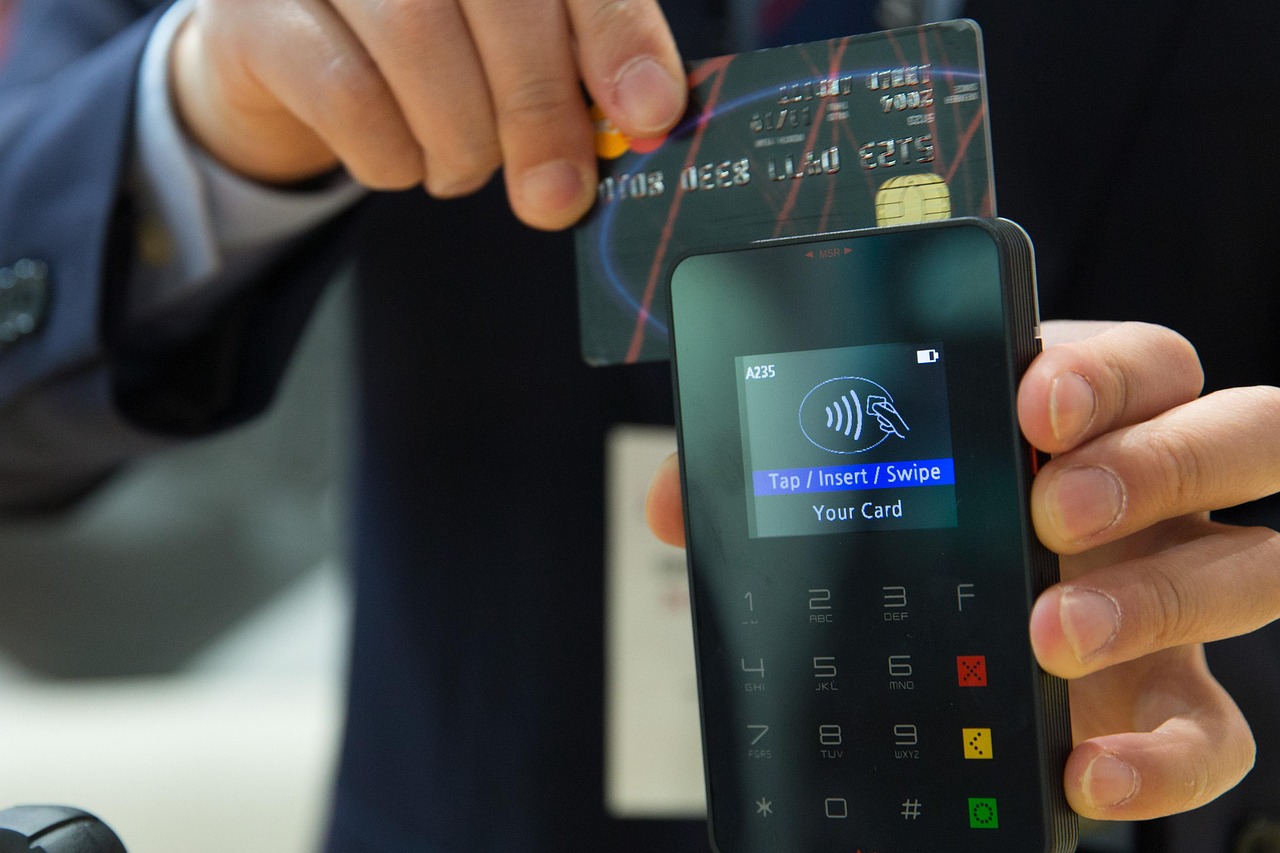
- Payment integration: Seamless card processing reduces errors and speeds up service. For a detailed comparison of integrated setups, see our guide to the best EPOS systems with integrated card payments in the UK.
- Sector-specific features: A coffee shop needs table management and modifier keys; a pharmacy needs age-verification prompts and prescription-linked workflows. Generic software rarely fits either well.
- Scalability: If you plan to add sites, the platform must support multi-location stock synchronisation and centralised reporting without a costly upgrade path.
- Support quality: UK-based telephone support during trading hours is worth paying for. Overseas chat-only support fails at precisely the moments you need it most.
- Hardware compatibility: Proprietary lock-in (where software only runs on one brand's hardware) limits your flexibility. Ask explicitly about supported devices before signing.
Buyers frequently ask: "Do I need cloud-based software, or will on-premise work for me?" We answer this directly in the cloud vs on-premise section below.
Top EPOS Software Features Reviewed: Retail vs Hospitality
The functional requirements of a retail till and a restaurant POS diverge significantly. Understanding where they differ prevents expensive mismatches.
Retail EPOS Software Priorities
- Barcode scanning and product catalogue management across thousands of SKUs
- Real-time stock level alerts, purchase order generation, and supplier management
- Customer loyalty programmes and promotion engines (e.g. multibuy rules, discount codes)
- Integrated e-commerce or click-and-collect if you trade online alongside in-store
- End-of-day Z-reads and cash reconciliation reports
Hospitality EPOS Software Priorities
- Table layout management with visual floor plans and cover counts
- Kitchen display systems (KDS) or printer routing so orders reach the right station
- Modifier and allergen prompts at the point of order to reduce kitchen errors
- Split-bill, tab management, and service-charge handling
- Integration with delivery platforms and online reservation systems
If your business sits across both categories — a deli with a café counter, for example — look for a platform that handles hybrid workflows natively rather than bolting two separate systems together. You can explore how this plays out in practice on the EPOS Direct home page, where current offers for both sectors are listed.
How EPOS Direct's Software Compares: A Balanced Assessment
Rather than making unverifiable claims about competitors' pricing or specifications, the most useful comparison is functional: what does a purpose-built UK EPOS platform offer that generic tablet-based apps do not?
| Feature Area | Generic Tablet App | Cloud EPOS Platform | EPOS Direct Software |
|---|---|---|---|
| UK VAT & MTD Reporting | Basic / via export | Usually included | Built-in, MTD-aligned |
| Offline Trading Mode | Rarely available | Sometimes | Yes — continues processing during outages |
| Sector-Specific Workflows | Generic only | Partial | Retail, Hospitality, Pharmacy editions |
| UK-Based Support | Ticket / chat | Varies by provider | UK telephone support included |
| Integrated Card Payments | Third-party only | Often add-on fee | Native integration available |
| Multi-Site Management | Limited | Usually available | Centralised dashboard across locations |
| Hardware Flexibility | Tied to one device type | Moderate | Wide range of compatible hardware |
To see the software in action before committing, you can view the retail EPOS software demo or the restaurant EPOS software demo — both walk through real workflows specific to each sector.
Real UK Customer Perspectives: What Businesses Actually Say
Across independent retailers, café groups, and convenience stores, three themes recur consistently in genuine UK operator feedback when they evaluate EPOS platforms:
Speed of Service
Operators consistently cite transaction speed as the single most visible impact of switching to purpose-built software. A faster checkout queue translates directly to higher throughput per hour — material for busy lunch services or Saturday retail peaks.
Stock Control Accuracy
Small business owners frequently describe discovering significant stock discrepancies only after implementing proper EPOS reporting — shrinkage they had attributed to supplier error turned out to be till-side miscounting or theft. Accurate real-time stock data addresses this at source. For businesses weighing up their options holistically, our practical guide to till systems for small businesses covers this in detail.
Reporting Quality
Business owners who previously relied on manual spreadsheets describe a transformative shift once they could see hourly sales trends, product-level margins, and staff performance data in a single dashboard. This is the evidence base for better buying, staffing, and menu decisions.
EPOS Software Pricing in the UK: What to Expect at Every Budget
Buyers often ask: "How much should I realistically budget for a proper EPOS system in the UK?" Costs vary considerably depending on whether you buy hardware outright, lease it, or opt for a software-as-a-service subscription. The following ranges are indicative and based on typical UK market conditions — always request a specific quote for your configuration.
- Entry-level (single till, basic retail or hospitality): Software subscriptions typically start from around £20–£40 per month for basic cloud platforms. Purpose-built platforms with full UK support tend to start somewhat higher, reflecting the added service.
- Mid-market (1–3 tills, stock management, integrated payments): Most complete setups — including hardware, software, and support — fall in the region of £50–£150 per month on a managed agreement, or a higher upfront hardware cost with a lower ongoing fee.
- Multi-site or enterprise: Businesses with five or more terminals, complex stock needs, or specialist requirements (such as pharmacy workflows) should budget accordingly and negotiate bespoke terms. Hardware purchase costs vary widely by configuration.
These figures are provided as honest market guidance, not quotes. For a deeper look at cost structures across the budget spectrum, our dedicated guide to the most affordable EPOS systems for small businesses covers what you genuinely get at each price point. To get a figure specific to your setup, request a free demo and personalised quote from the EPOS Direct team.
Cloud-Based vs On-Premise EPOS Software: Which Is Right for You?
This is one of the most practically important decisions in the buying process, and the right answer depends on your infrastructure, risk tolerance, and operational style.
Cloud-Based EPOS
- Data is stored and updated remotely; you access reports from any device, anywhere
- Software updates are automatic — no manual patching required
- Dependent on a reliable internet connection; offline mode capability becomes critical
- Lower upfront cost; typically subscription-based
- Ideal for multi-site businesses that need centralised visibility
On-Premise EPOS
- Data is stored locally on your server or terminal hardware
- Continues to function fully during internet outages without needing a separate offline mode
- Higher upfront investment; updates may require manual installation
- Preferred where data sovereignty, very poor broadband, or legacy integrations are a factor
For most UK businesses opening new sites today, a cloud-first system with a robust offline fallback represents the most resilient approach. You can explore the EPOS Direct software platform to see how cloud and local processing are handled together. For businesses in specialist sectors, a pharmacy EPOS software demo illustrates the additional compliance layers involved in regulated retail environments.
How to Switch EPOS Software Without Disrupting Your Business
A second question buyers raise frequently is: "How do we move from our current system without losing data or grinding operations to a halt?" The answer lies in structured transition planning — and it is more achievable than most owners fear.
- Audit your current data: Export your full product catalogue, customer records, and historical sales data before anything else. Confirm the new platform can import them in a compatible format.
- Run parallel systems briefly: Where possible, run the new system alongside the old one for a short period — even a single trading day — to validate that reports reconcile before cutting over fully.
- Train staff before go-live: Software demos are not just for buyers; use them for staff training so the team is confident on the new interface before a busy service period. EPOS Direct offers dedicated demonstrations for both retail and hospitality teams.
- Choose a quiet changeover window: For hospitality, Monday morning. For retail, immediately after a weekend. Avoid switching mid-week or at peak seasonal trading periods.
- Verify integrations first: Card machines, kitchen printers, weighing scales, and loyalty platforms all need testing before the first live transaction. Confirm these with your provider in advance.
If you are also considering upgrading your payment hardware at the same time, our guide to combining a card machine and till system outlines how to consolidate both into a single, integrated setup — simplifying both the switch and the ongoing management.
Making Your Decision: A Final Framework
The best EPOS software for your business is the one that fits your specific sector, scales with your ambitions, and is backed by support you can actually reach during a busy Friday evening. Avoid the trap of choosing on price alone — the cost of a system that slows down service or produces inaccurate stock data will always exceed the saving on a cheaper subscription.
Prioritise: sector fit, UK compliance (particularly MTD), offline resilience, quality of UK-based support, and a clear data migration path from whatever you use today. For businesses specifically weighing up payment terminal options alongside their till, our guide to the best wireless card machines for small businesses is a useful companion read.
Ready to Find Your Ideal EPOS System?
EPOS Direct has been helping UK retailers, restaurateurs, and specialist businesses find and implement the right till systems for over a decade. Our team works with independent shops, multi-site operators, pharmacies, and food-service businesses across the United Kingdom every day — which means the advice you get is grounded in real implementation experience, not a generic sales script.
The clearest next step is to see the software working with your own use case in mind. Request a free, no-obligation demo and a member of the team will walk you through the features most relevant to your sector. Alternatively, if you have specific questions about hardware, pricing, or migration, you can talk to an EPOS expert online right now, or request a call back at a time that suits you.
Written by the EPOS Direct UK team, who support UK retailers, hospitality businesses, and specialist operators with EPOS and POS systems every day.
Frequently asked questions
- How much does EPOS software typically cost for a small UK business?
- EPOS software in the UK generally ranges from £15 to £80 per month per terminal on a subscription (SaaS) model, or a one-off licence fee of £300 to £1,500+ for on-premise software. Hardware bundles from providers like EPOS Direct often include software, meaning you could get a complete till system from around £499 upfront or on a monthly payment plan. Always check whether payment processing, support, and updates are included in the quoted price.
- What do real customers say about EPOS software reliability and support in the UK?
- UK business owners consistently highlight uptime reliability, ease of staff training, and the quality of after-sales support as the most important factors in their reviews. Common complaints about lower-cost providers include slow customer service and hidden fees for software updates. EPOS Direct is noted by customers for UK-based telephone support and straightforward onboarding, which is especially valued by hospitality businesses operating outside standard office hours.
- Can EPOS software integrate with my existing accounting or stock management tools?
- Most modern EPOS software platforms offer integrations with popular UK accounting tools such as Xero, Sage, and QuickBooks, as well as stock management, loyalty, and online ordering systems. Before committing, confirm which integrations are native versus requiring a paid third-party connector, and check whether the API is available on your chosen pricing tier. EPOS Direct's software supports a range of integrations suited to UK retail and hospitality workflows.
