We use cookies to make your experience better.
To comply with the new e-Privacy directive, you agree to the privacy policy and our use of cookies

The Best EPOS System for a Small Café: What to Look for and How to Choose
The Best EPOS System for a Small Café: What to Look for and How to Choose
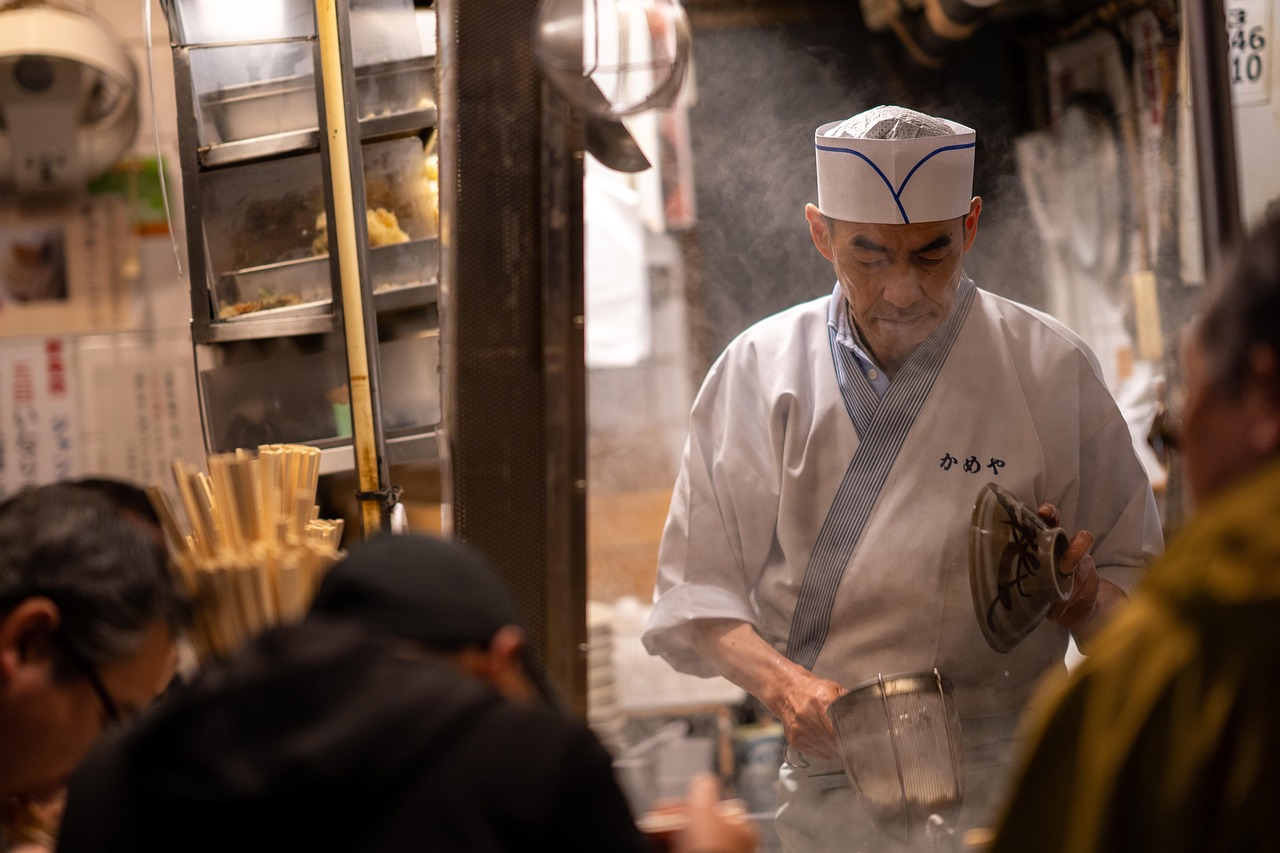
A well-chosen EPOS system is one of the most impactful investments a small café can make — streamlining service, reducing errors and giving owners real visibility over what's selling, what's not, and where money is going. The right system does far more than process payments: it connects your till, card reader, kitchen display and business reports into a single, coherent operation. This guide walks you through every decision a café owner needs to make, from essential features to realistic costs, so you can invest with confidence.
Why Small Cafés Need a Dedicated EPOS System, Not Just a Basic Till
A basic cash register records a sale and opens a drawer. That's largely where its usefulness ends. A dedicated EPOS (Electronic Point of Sale) system, by contrast, captures item-level data on every transaction, tracks stock, manages staff login and permissions, integrates with card payment devices, and generates reports that show you your café's performance at a glance.
For a small café, this matters enormously. You may be running with a lean team — perhaps just yourself and one or two staff — and every inefficiency costs real money. Handwritten orders get lost. Manual stock counts are time-consuming. Not knowing which menu items are your bestsellers means you can't manage food costs intelligently. A purpose-built EPOS system solves all of these problems from day one.
If you're currently relying on a basic till or a consumer payment app and wondering whether it's time to upgrade, our guide to the best till systems for small businesses in the UK provides a broader comparison of what's available at different price points and capability levels.
Essential Features to Look for in a Café EPOS System
Not all EPOS systems are built with cafés in mind. A system designed for retail, for example, won't handle table management or variable portion sizes. When evaluating options, prioritise the following:
- Menu management: The ability to build, edit and organise a digital menu quickly — including modifiers (e.g. oat milk, extra shot, no sugar) is non-negotiable for any café environment.
- Fast transaction speeds: At peak hours, a queue-busting touchscreen interface is essential. Look for intuitive layouts, customisable product buttons and minimal taps per order.
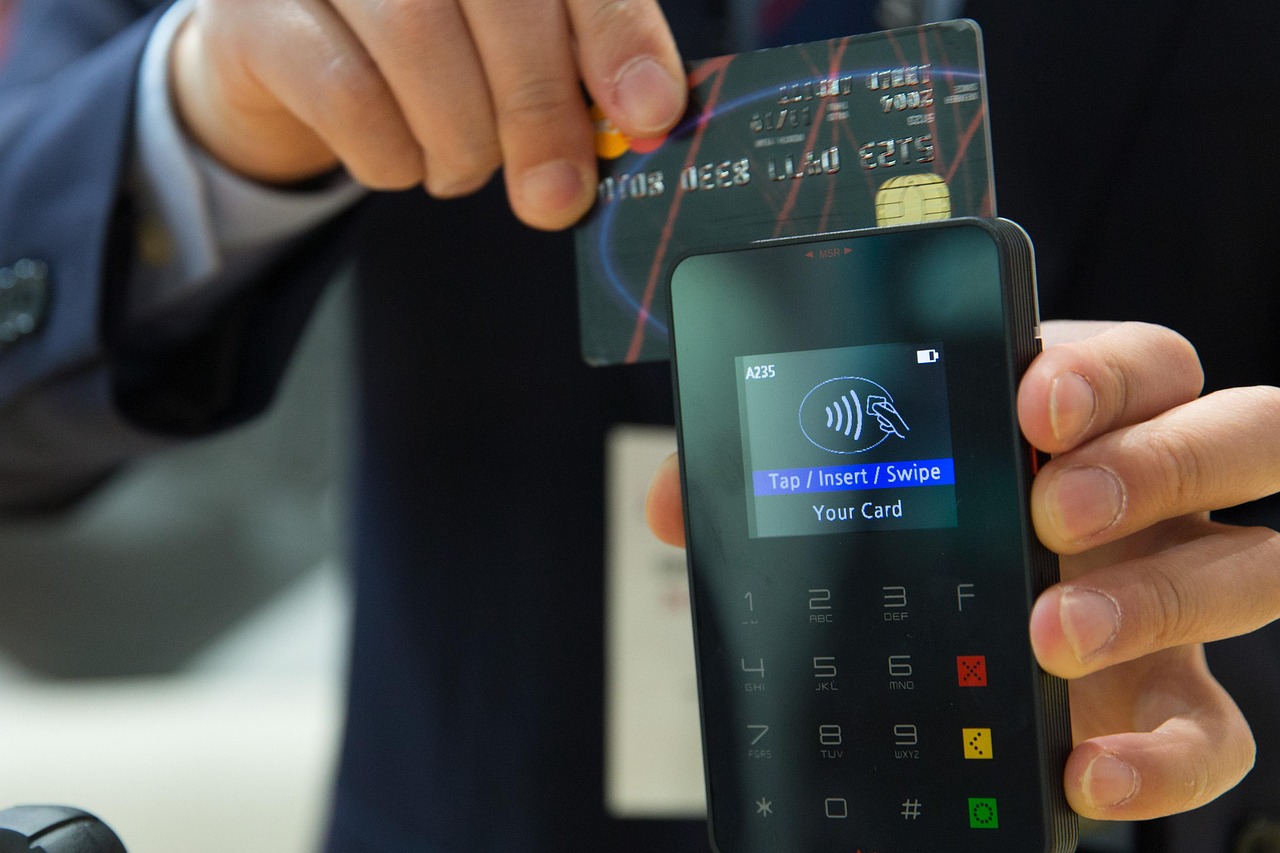
- Integrated card payments: A seamless connection between your EPOS and card reader eliminates manual key-in errors and speeds up checkout. Explore your options in our guide to combining a card machine and till system.
- Receipt and kitchen printing: Thermal receipt printers and kitchen order printers (or kitchen display screens) keep service accurate and reduce verbal miscommunication.
- Sales and stock reporting: End-of-day reports, bestseller analysis and low-stock alerts help you make smarter purchasing decisions and reduce food waste.
- Staff management: Clock-in/clock-out, individual login codes and sales-by-staff reporting give you oversight without micromanagement.
- Loyalty and promotions: Even simple loyalty schemes — stamps, discounts for regulars — can meaningfully increase repeat visits in a café setting.
- Cloud access: Being able to check your sales figures remotely, from a phone or laptop, is a genuine operational advantage for any owner-operator.
Cloud-Based vs Traditional EPOS: Which Is Better for a Small Café?
This is one of the most common questions café owners ask when researching their options — and the honest answer is that cloud-based systems now have a clear advantage for most small café operations.
Cloud-Based EPOS
Cloud-based systems store your data remotely and sync in real time. You can access reports from anywhere, updates happen automatically and there's no dependence on a local server that can fail. Most modern cloud EPOS platforms also offer offline mode, meaning your till keeps working even if your internet connection drops briefly — with data syncing once connectivity is restored.
Traditional (On-Premise) EPOS
Legacy systems store data locally on a dedicated server or till unit. They can be robust and fast, but they require more upfront investment in hardware, are harder to maintain remotely and tend to lack the modern integrations (accounting software, delivery platforms, loyalty apps) that cloud systems offer as standard.
| Factor | Cloud-Based EPOS | Traditional On-Premise EPOS |
|---|---|---|
| Upfront hardware cost | Lower — often subscription-based | Higher — server and dedicated hardware |
| Remote access | Yes — from any device | Limited or not available |
| Software updates | Automatic, included | Manual, often chargeable |
| Offline operation | Usually supported (offline mode) | Full offline capability as standard |
| Integrations (accounting, delivery) | Extensive, modern API-based | Limited, bespoke or costly |
| Long-term scalability | Easy — add terminals, locations | Complex — requires hardware investment |
| Best for | Most small cafés | High-volume, connectivity-challenged sites |
For the vast majority of independent cafés in the UK, a cloud-based system offers the best combination of flexibility, value and features. You can explore what modern hospitality EPOS software looks like in practice by booking a restaurant and café EPOS software demo with the EPOS Direct team.
How Much Does an EPOS System Cost for a Small Café in the UK?
Cost is naturally a central concern, particularly for independent owners working within a tight budget. The honest answer is that pricing varies depending on whether you're buying outright or subscribing, how much hardware you need, and what level of support you require. Here are realistic indicative ranges for the UK market:
- Entry-level setup (single terminal, basic software): Typically from around £300–£600 upfront for hardware, plus a monthly software subscription that can range from approximately £30–£70 per month.
- Mid-range setup (touchscreen till, card reader, receipt printer, cloud software): Hardware bundles typically fall between £600–£1,200, with monthly fees in the region of £50–£100 depending on features and support level.
- Full café setup (touchscreen till, integrated card machine, kitchen printer or display, back-office reporting, staff management): Budget for £1,000–£2,000 in hardware, with comprehensive software plans typically from £80–£150 per month.
Some providers, including EPOS Direct, offer leasing and finance options that spread hardware costs, making a professional setup accessible from a lower initial outlay. Card processing costs are separate and depend on your payment provider and transaction volumes — these are worth negotiating based on your average monthly card turnover.
If budget is your primary concern, our guide to the most affordable EPOS systems for small businesses in the UK covers your options in detail. For a broader view, our complete guide to EPOS systems for small businesses is also a valuable starting point.
Top Hardware Options: Touchscreen Tills, Card Readers and Receipt Printers
The hardware you choose should be matched to your café's physical layout and daily throughput. Here's what to consider for each component:
Touchscreen Tills
A 15" or larger commercial touchscreen till is the standard for café counters. Look for units with a durable, splash-resistant build, a bright display readable in varying lighting, and enough processing power to handle your software without lag. All-in-one units that combine the display, processor and cash drawer connection into a single unit are popular for smaller counter spaces.
Integrated Card Readers
Seamless integration between your till and card reader is far preferable to a standalone device where staff manually key in the amount. Wireless card machines give flexibility — particularly useful if you serve tables as well as a counter. Our guide to the best wireless card machines for small businesses covers your options in detail, including models suited to busy counter environments.
Receipt Printers
Thermal receipt printers are fast, reliable and low-maintenance — there's no ink cartridge to replace. A good thermal printer connects via USB or Ethernet and produces clear receipts in under five seconds per transaction. If your café has a separate prep or kitchen area, a second kitchen order printer (or a kitchen display screen) pays for itself quickly in reduced mistakes and improved service flow.
Cash Drawers and Customer Displays
Even in an increasingly cashless environment, a robust cash drawer remains important for many cafés. A customer-facing display — showing the order total or promotional messages — can also improve transparency and reduce disputes at the till.
How EPOS Direct Supports UK Café Owners from Setup to Ongoing Support
Choosing the right hardware and software is only part of the journey. How a supplier supports you after the sale matters just as much — particularly if you've never run an EPOS system before, or if you're migrating from an older setup.
EPOS Direct is a UK-based provider with extensive experience helping independent hospitality businesses, including cafés, coffee shops and sandwich bars, get up and running quickly. The team handles everything from initial hardware configuration and menu setup to staff training and ongoing technical support. You're not left to figure things out from a manual.
Key aspects of the EPOS Direct service that café owners consistently value include:
- UK-based telephone and online support — not an overseas call centre
- Remote diagnostics, meaning most software issues can be resolved without an engineer visit
- Menu and product loading assistance as part of the setup process
- Flexible hardware packages with finance options available
- Software that evolves — regular updates add features without additional cost
You can view the full range of hospitality EPOS packages and current offers at the EPOS Direct hospitality and restaurant EPOS offers page, or visit the EPOS Direct UK home page for the latest deals and information across all business types.
Getting Started: What to Expect When You Switch to a New EPOS System
The prospect of changing your till setup can feel daunting, but a well-managed transition is typically straightforward — and the operational benefits arrive quickly.
Step 1: Needs Assessment
Before purchasing anything, map out your requirements: how many terminals you need, whether you take table orders, whether you want integrated card payments, and what reports matter most to you. The EPOS Direct team can talk you through your options online — often in a single conversation that clarifies exactly what you need and what you can comfortably skip.
Step 2: Hardware Delivery and Installation
Hardware is typically delivered within a few business days. Most café setups can be installed and ready to trade within half a day, including connecting peripherals and loading your initial menu.
Step 3: Staff Training
A well-designed touchscreen interface should be intuitive enough for staff to use confidently after a short training session. EPOS Direct provides guided training as part of the onboarding process, and your team can practice on a demo mode before going live.
Step 4: Going Live
Many café owners choose to switch over on a quieter trading day — a Monday morning rather than a busy Saturday. Having a support contact on standby for your first live trading session provides real peace of mind.
Step 5: Ongoing Optimisation
Once live, your EPOS system becomes a continuous source of insight. Review your sales reports weekly, use stock alerts to reduce waste, and revisit your menu layout periodically to ensure your highest-margin items are easy for staff to find and upsell.
The Direct Answer: Which Type of EPOS System Is Best for a Small Café?
For most small independent cafés in the UK, a cloud-based touchscreen EPOS system with integrated card payments, a thermal receipt printer and cloud reporting is the optimal choice. It balances affordability, ease of use and the practical features — menu management, stock tracking, staff controls and sales reporting — that make a genuine difference to daily operations. Hardware bundles typically start from around £600, with monthly software costs from approximately £30–£80 depending on the feature set required.
Ready to Find the Right EPOS System for Your Café?
EPOS Direct has helped hundreds of UK café and hospitality businesses move from outdated tills to modern, efficient EPOS setups that pay for themselves in time saved and errors eliminated. Whether you're opening a new café or upgrading an existing operation, the team is ready to recommend the right solution for your space, your team and your budget.
Request a free demo to see the system in action, or request a call back and a member of the EPOS Direct UK team will be in touch to discuss your requirements with no obligation.
Written by the EPOS Direct UK team, who work with independent café and hospitality businesses across the United Kingdom every day, helping them choose, install and get the most from their EPOS systems.
Frequently asked questions
- What features should a good EPOS system have for a small café?
- A café-specific EPOS system should handle table or counter orders quickly, support split bills, manage a simple menu with modifiers (e.g. milk alternatives, add-ons), process card and contactless payments, and produce end-of-day sales reports. Integration with kitchen display screens and stock tracking are strong bonuses for growing cafés.
- How much should I expect to pay for an EPOS system for my café in the UK?
- In the UK, a starter EPOS setup for a small café typically costs between £300 and £800 for hardware (touchscreen till, card reader, receipt printer) with software either included or charged as a monthly subscription from around £20 to £60 per month. EPOS Direct offers competitive package pricing with no hidden fees, and many owners find the system pays for itself quickly through faster service and fewer order errors.
- Can I use an EPOS system if I'm not very tech-savvy?
- Absolutely. Modern café EPOS systems are designed to be intuitive, with large touchscreen interfaces that staff can learn in under an hour. EPOS Direct provides full installation support, on-site or remote training, and ongoing UK-based customer support so you are never left to figure things out alone.
