We use cookies to make your experience better.
To comply with the new e-Privacy directive, you agree to the privacy policy and our use of cookies

Best EPOS Systems for Fast Food Restaurants in the UK: What to Look For
Best EPOS Systems for Fast Food Restaurants in the UK: What to Look For

For fast food and quick-service restaurants in the UK, the right EPOS system is not a luxury — it is the operational backbone that separates a smooth, profitable service from a chaotic one. The best setups combine rapid order entry, kitchen display integration, and seamless card payments into a single, reliable workflow that keeps queues moving and customers returning. This guide explains exactly what to look for, what it costs, and how to make the right choice for your site — whether you run a single counter unit or a multi-site operation.
Why Fast Food Restaurants Have Distinct EPOS Requirements
A quick-service or fast food environment is unlike a table-service restaurant. Orders are taken in seconds, ticket times are measured in minutes, and even a thirty-second delay at the till creates a visible queue. Standard retail EPOS software is rarely adequate: it is not optimised for rapid menu navigation, modifier prompts ("no onions", "extra sauce"), or live communication with a kitchen team working under pressure.
Speed, accuracy and reliability are the three non-negotiable pillars. Beyond that, fast food operators need systems that handle split items across multiple screens, manage upsell prompts intelligently, and produce clear kitchen tickets — all without requiring staff to have extensive technical training. If your EPOS slows anyone down, it is costing you money with every transaction.
For a broader introduction to what EPOS technology can do across the hospitality sector, the EPOS Direct complete guide to EPOS and POS systems for UK businesses is a practical starting point.
Key Features to Look For in a Fast Food EPOS System
Not every feature list is created equal. Below are the capabilities that genuinely matter in a quick-service setting — and why each one earns its place.
Rapid Menu Navigation and Modifier Management
Your touchscreen layout should mirror the way your staff think, not the way a developer organised a database. Items should be reachable in one or two taps, with modifier screens appearing automatically for items that require them. Look for drag-and-drop menu builders and the ability to create quick-access buttons for your highest-selling lines.
Real-Time Stock and Ingredient-Level Tracking
Running out of a key ingredient mid-service is avoidable. A capable EPOS links each menu item to its component ingredients, deducting from stock in real time so that managers receive low-stock alerts before a product runs out. This is especially valuable for operations using fresh produce with short shelf lives.
Multi-Till and Multi-Screen Support
Busy counters often need two or three tills running simultaneously, all feeding into a single kitchen printer or display. Your EPOS should handle this natively, routing orders to the correct preparation station without duplication or confusion.
Integrated Reporting and Sales Analytics
End-of-day reporting, hourly sales data, and staff performance metrics all inform smarter scheduling, menu pricing, and waste reduction. Cloud-based reporting means managers can check performance remotely — a significant advantage for owners who operate more than one location.
Staff Management and Clock-In Features
Built-in clock-in/out functionality removes the need for a separate timesheet system. Combined with individual staff logins, it also creates an audit trail that is useful for resolving till discrepancies.
Kitchen Display Systems and Order Flow: How EPOS Speeds Up Service
A kitchen display system (KDS) replaces printed kitchen tickets with a colour-coded screen at each preparation station. When a customer orders at the till, the relevant items appear instantly on the correct screen — grill, fryer, assembly — and the team works through them in priority order, with the oldest tickets flagged in a contrasting colour.
The practical benefits are considerable. Paper tickets get lost, smudged, or misread under heat and pressure; a KDS does not. Average ticket times typically fall when restaurants move from paper to display systems, because preparation staff can see all outstanding orders at a glance rather than sorting through a stack of chits. Orders are marked as complete with a single tap, which also updates the front-of-house system so staff know when food is ready for collection or handover.
For drive-through or collection-window operations, a customer-facing order confirmation screen — showing the customer exactly what has been entered — reduces errors before they reach the kitchen, cutting remake costs and improving satisfaction scores.
Taking Payments Fast: Card, Contactless and Integrated Payment Options
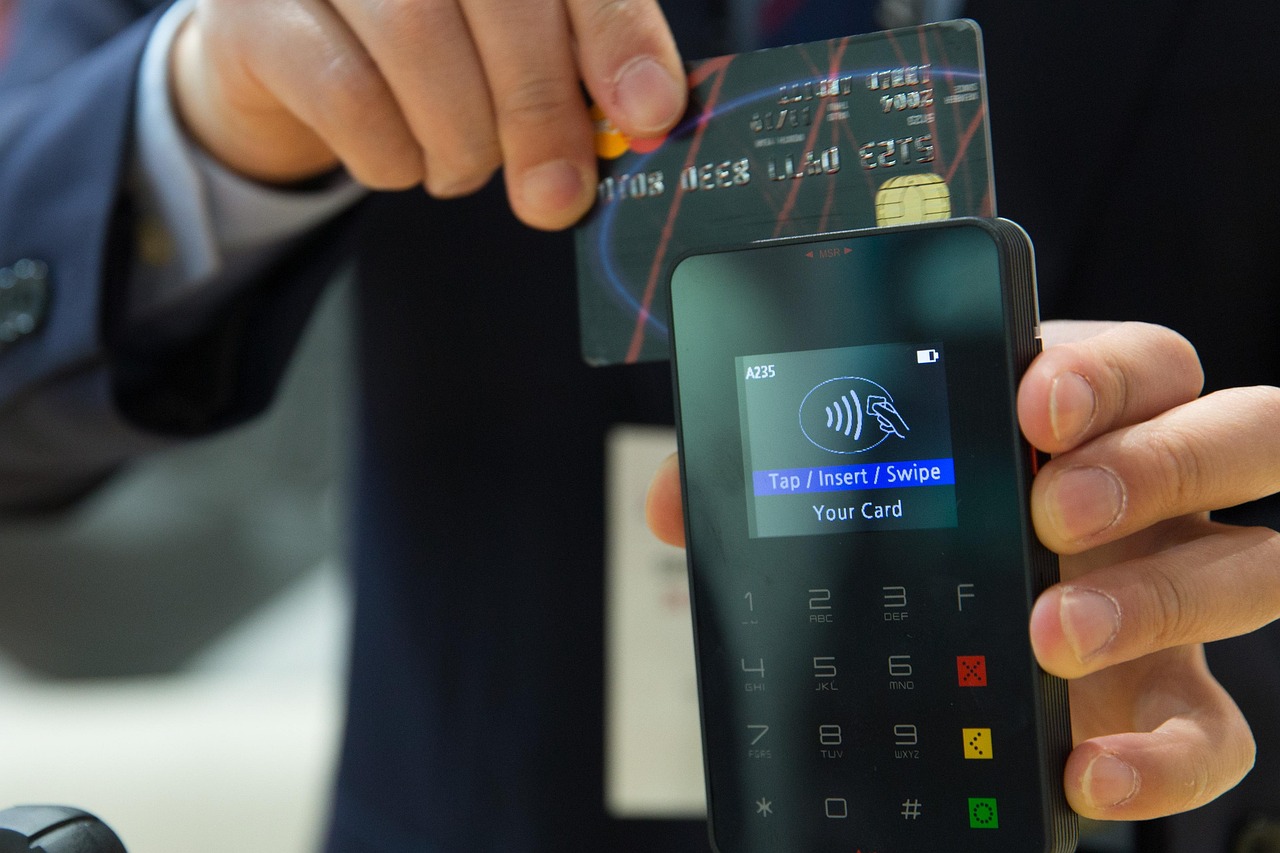
The UK has one of the highest contactless payment adoption rates in Europe, and fast food customers expect to tap and go in seconds. Integrating your payment terminal directly with your EPOS — so the till sends the total to the card reader automatically — removes a manual step, eliminates keying errors, and speeds up every transaction.
Key considerations for payment integration include:
- Contactless limits: The current UK contactless limit for card payments is set by the card networks and your acquirer — always verify the current threshold with your payment provider, as these limits can be updated.
- Mobile and digital wallets: Apple Pay and Google Pay are mainstream in the UK fast food sector. Ensure your terminal is certified to accept them.
- Transaction speed: Aim for terminal approval times of two seconds or less at busy periods. Integrated terminals that communicate over a secure LAN rather than a general internet connection are generally faster and more reliable.
- Split payments: Some customers pay partly in cash and partly by card. Your EPOS should handle this without requiring a manager override.
If you are evaluating payment hardware alongside your EPOS, the guide to the best wireless card machines for small businesses in the UK covers the options in detail. For a fully integrated approach, the best EPOS systems with integrated card payments guide explains how joined-up hardware and software delivers a faster, more accurate checkout.
How Much Does a Fast Food EPOS System Cost in the UK?
Pricing varies significantly depending on the number of terminals, the complexity of your menu, whether you need kitchen displays, and the software subscription model. The following ranges are indicative of the UK market for quick-service and fast food environments, and should be treated as approximate guidance rather than firm quotes.
| Setup Type | Typical Hardware Cost (one-off) | Typical Software Cost (monthly) | Best Suited To |
|---|---|---|---|
| Single-till starter system | From approx. £500–£900 | From approx. £30–£60/month | Small takeaways, food kiosks, single-counter cafés |
| Dual-till with kitchen printer | From approx. £1,000–£1,800 | From approx. £60–£100/month | Busy counters, independent fast food units |
| Multi-till with KDS | From approx. £2,000–£4,500+ | From approx. £100–£200/month | Chains, high-volume QSR, multi-station operations |
| Multi-site cloud EPOS | Hardware per site as above | From approx. £150–£300+/month | Multi-location operators, franchisees |
Payment processing fees are separate from EPOS costs and vary by acquirer, transaction volume, and card type. Always request a full cost breakdown — hardware, software, installation, training, support, and payment processing — so you can compare proposals on a like-for-like basis.
Operators looking to keep initial outlay low should explore our guide to the most affordable EPOS systems for small businesses in the UK, which covers budget-conscious options without sacrificing essential features. It is also worth noting that some providers offer monthly hardware rental or financing arrangements, which spread the capital cost and can be preferable for new openings.
Cloud-Based vs On-Premise EPOS: Which Is Right for Your Restaurant?
This is one of the questions owners ask most frequently — and the honest answer is that for the majority of UK fast food and quick-service businesses opening today, cloud-based EPOS is the more practical choice. Here is why, alongside the cases where on-premise still has merit.
Cloud-Based EPOS
- Software updates are applied automatically, keeping you compliant with any changes to payment standards or Making Tax Digital requirements without manual intervention.
- Reporting and menu changes can be managed remotely — invaluable for multi-site operators or owners who are not always on-site.
- Lower upfront software cost, typically structured as a monthly subscription.
- Relies on a stable broadband or 4G connection; good systems include offline mode so trading continues if connectivity drops, with data syncing when the connection is restored.
On-Premise EPOS
- All data is stored locally, which some operators prefer for data control or in locations with unreliable broadband.
- No ongoing subscription fee for the core software, though support contracts are still recommended.
- Manual updates are the responsibility of the operator or their provider, which can introduce lag in feature availability.
- Less suitable for multi-site reporting without additional infrastructure.
For a nuanced comparison relevant to smaller operations, our guide to EPOS systems for small businesses covers both models clearly. Owners who are also weighing up a combined till and card payment solution will find the complete guide to card machine and till systems combined a useful companion read.
What Should I Ask a Provider Before Signing a Contract?
Beyond feature lists and pricing, due diligence on the supplier relationship matters enormously. Fast food operations cannot afford downtime — so the quality of support you receive is as important as the quality of the hardware.
- What is the support response time during trading hours? A next-day callback is not good enough if your till goes down on a Friday lunch rush. Look for same-day telephone or remote support during your busiest windows.
- What happens to my data and trading if the internet goes down? Confirm that offline mode is genuinely included, not an optional extra, and test it before going live.
- Is onsite installation and staff training included? Migrating a menu of fifty-plus items with modifiers and deals takes time. Confirm who does it, when, and whether training is hands-on or a video link.
- Are software updates included, and is there a minimum contract term? Understand precisely what happens if you want to exit — particularly relevant if your business model evolves.
Why UK Fast Food Businesses Choose EPOS Direct
EPOS Direct has supplied and supported EPOS systems for UK hospitality businesses for many years, building practical knowledge of the specific pressures that fast food and quick-service operators face. The combination of purpose-built hospitality software, integrated payment options, kitchen display system compatibility, and UK-based support makes for a genuinely joined-up solution rather than a collection of third-party parts bolted together.
Clients benefit from transparent pricing, flexible hardware packages — including options for businesses mindful of upfront costs — and dedicated account management from installation through to ongoing support. For businesses exploring options across the wider EPOS market, the EPOS Direct home page provides a full overview of current offers and product ranges.
If you would prefer to see the software in action before committing, you can explore the restaurant EPOS software demo at your own pace, or view our hospitality and restaurant EPOS offers to understand current packages and pricing. For tailored advice on your specific setup, you can talk to an expert online — the team works with quick-service and fast food businesses across the UK daily and can recommend the right configuration without a sales-first approach.
Making the Right Choice for Your Operation
A well-specified EPOS system pays for itself through faster service, fewer order errors, tighter stock control, and sharper management insight. For fast food and quick-service restaurants, the priority should be speed and reliability above all — hardware that is robust under pressure, software that staff can learn in a single shift, and a supplier who answers the phone when something goes wrong.
EPOS Direct UK combines all three. Request a free demo today to see how the system performs in a fast food context, or request a call back and one of the team will walk you through the options that fit your site, your volume, and your budget.
Written by the EPOS Direct UK team, who work with EPOS and POS system customers across the United Kingdom every day.
Frequently asked questions
- How much should I expect to pay for an EPOS system for a fast food restaurant in the UK?
- Costs vary depending on the size of your operation. A single-terminal setup typically starts from around £500 to £900 for hardware, with software subscriptions ranging from £30 to £80 per month. Multi-terminal systems for busier sites can run from £1,500 upwards. EPOS Direct offers tailored quotes so you only pay for what your restaurant actually needs.
- Can a fast food EPOS system handle peak-hour rush and split-second order processing?
- Yes. A purpose-built fast food EPOS system is designed for high-volume, rapid transactions. Features like one-touch menu buttons, integrated kitchen display screens, and contactless payment acceptance help your team serve customers in seconds rather than minutes, reducing queue times even during the busiest lunch or evening rush.
- Do I need an internet connection for my EPOS system to work in my restaurant?
- Most modern cloud-based EPOS systems require a stable internet connection, but the best solutions include an offline mode so your tills keep taking orders and payments even if your broadband drops. EPOS Direct's systems are built with this resilience in mind, which is particularly important for high-footfall fast food environments where downtime costs money.
