We use cookies to make your experience better.
To comply with the new e-Privacy directive, you agree to the privacy policy and our use of cookies


The Best EPOS Systems for Fish and Chip Shops in the UK: What to Look For
EPOS Systems for Fish and Chip Shops: The Complete UK Buyer's Guide
A well-chosen EPOS system transforms a busy chip shop from a logistical challenge into a smoothly run operation — cutting queue times, simplifying cash reconciliation, and giving owners the data they need to stay profitable. The right till setup for a chippy must handle rapid, high-volume orders, flexible portion modifiers, and increasingly common online and delivery channels, all without slowing your team down during the Friday evening rush. This guide covers everything UK chip shop owners need to know before making that investment — from must-have features and integration options to realistic costs and what separates a genuinely capable system from a generic one.
Why Fish and Chip Shops Have Unique EPOS Requirements
A chip shop operates very differently from a café, restaurant or retail outlet. Orders are fast, cash-heavy, and often involve dozens of small variations — battered sausage or not, large or small chips, curry sauce or gravy — processed in rapid succession at the counter. During peak hours, even a few seconds of till confusion per customer compounds into significant queue build-up, lost sales, and stressed staff.
Beyond speed, chip shop owners also contend with:
- High cash turnover requiring accurate end-of-day reconciliation
- Variable ingredient costs — oil, fish and potato prices fluctuate with the market, making margin tracking essential
- Licensing and allergen compliance — UK food businesses must comply with Natasha's Law (allergen labelling legislation); your EPOS should help you manage and display allergen information correctly. Verify current requirements at food.gov.uk
- Mixed service modes — counter service, click-and-collect, phone orders, and increasingly third-party delivery
A generic retail EPOS won't cover all of these bases. For context on how different types of businesses approach their till requirements, see our guide to the best till systems for small businesses in the UK, which outlines the broader landscape before you specialise.
Key Features to Look For in a Chip Shop EPOS System
Not every EPOS marketed to hospitality businesses is built for the pace of a takeaway counter. When evaluating systems, prioritise the following capabilities.
Speed-First Interface
Your till screen should allow a trained member of staff to process a complete order in under thirty seconds at the busiest point of the day. Look for large, colour-coded product buttons, a logical product hierarchy (e.g. Fish → Portion Size → Extras), and minimal confirmation steps. Touchscreen responsiveness and screen size matter more than most buyers initially appreciate.
Modifiers and Meal Bundles
Chip shops routinely sell items with conditional add-ons — a fish supper might prompt for sauce selection, batter style, or side items. A capable EPOS should offer mandatory and optional modifier prompts that fire automatically, so nothing is missed and upsell opportunities are built into the workflow rather than relying on staff memory.
Kitchen Display Screens or Ticket Printing
In a dual-counter or larger shop, orders need to reach the kitchen or frying station instantly and accurately. Kitchen display systems (KDS) or dedicated kitchen printers eliminate shouted orders, reduce errors, and create a clear order queue visible to all relevant staff.
Integrated Card Payments
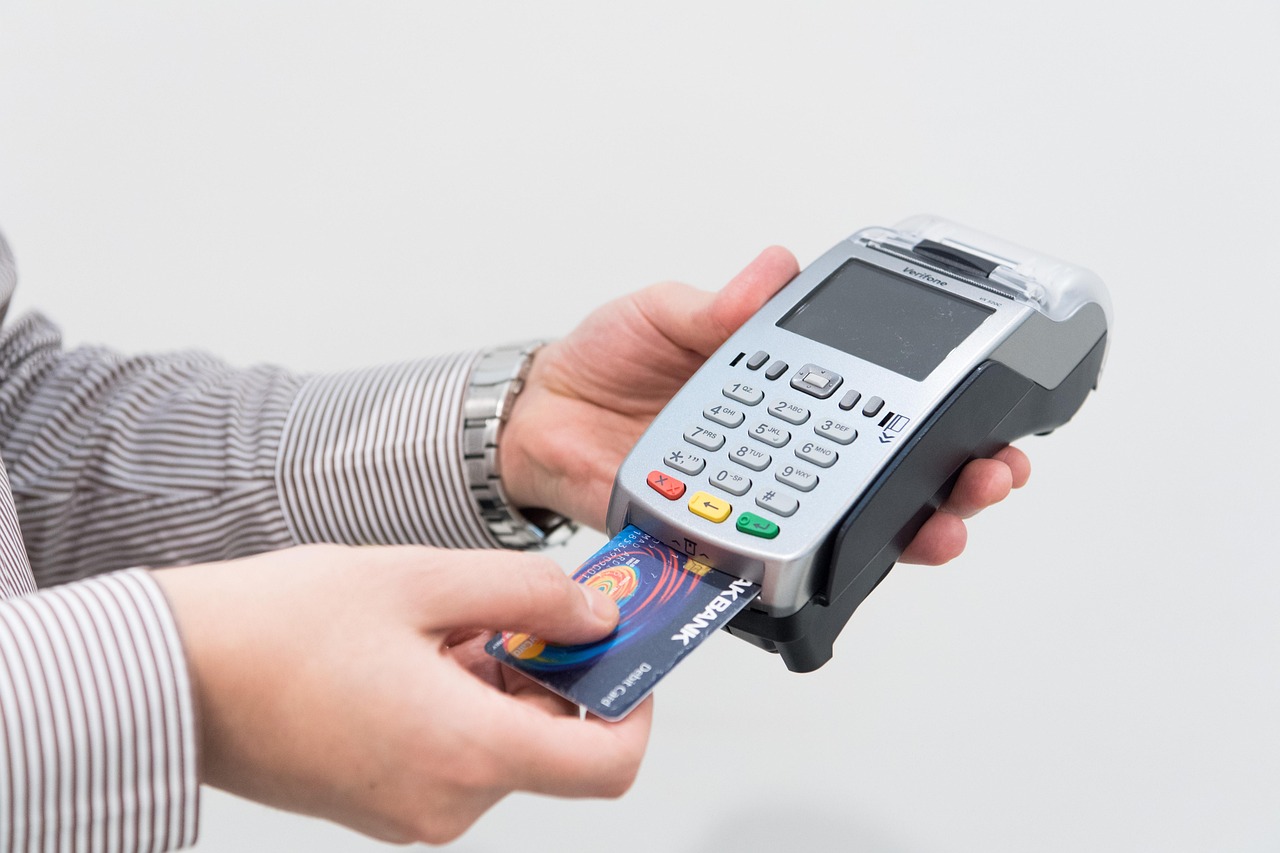
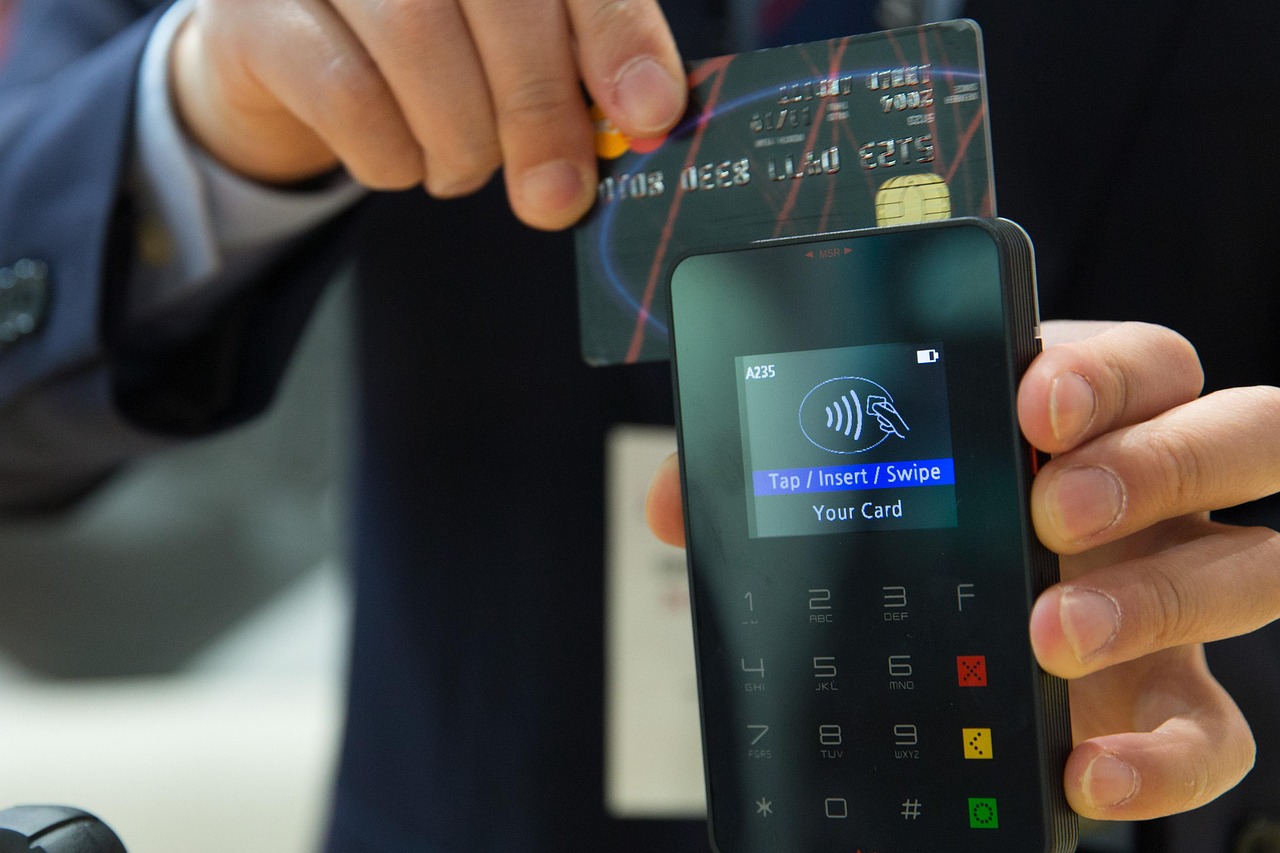
Card payments now account for the majority of consumer transactions in the UK. An EPOS that integrates seamlessly with your card machine removes the risk of till and card terminal mismatches. Our guide to combining a card machine with a till system explains why integrated payments matter for reconciliation and customer experience. If you're also researching standalone options, explore the best wireless card machines for small UK businesses.
Reporting and Stock Visibility
Even without a full warehouse operation, tracking which menu items sell best by time of day, monitoring waste, and understanding your busiest periods all depend on quality sales reporting. The best systems let you pull a daily sales summary, hourly breakdown, or product-level performance report in a few taps.
How EPOS Systems Speed Up Service During Peak Hours
The Friday and Saturday evening rush is the defining test of any chip shop till. A well-configured EPOS system reduces the average transaction time through several compounding efficiencies:
- Preset favourites and combo buttons — common orders (e.g. "Regular Fish & Chips") placed on a single button rather than assembled item by item
- Quick cash tendering — pre-set common cash amounts (£5, £10, £20) that calculate change instantly, reducing mental arithmetic under pressure
- Parallel order taking — systems supporting multiple terminals allow one staff member to take orders while another processes payment
- Order queuing on kitchen screens — fryers see the queue in real time, preventing bottlenecks between counter and kitchen
- Contactless and integrated payment — removing the manual card terminal step means each transaction ends faster
Collectively, these features can meaningfully shorten average service times — a direct impact on customer throughput and revenue during your most valuable trading windows.
Managing Menus, Modifiers and Portion Sizes
Menu management is where many budget EPOS systems fall short for takeaways. A chippy menu is deceptively complex: overlapping sizes (small, regular, large), item variants (fish cake vs. fish fillet), sauces, extras, and meal deals all need to be represented clearly at the till without cluttering the interface.
Look for a system that supports:
- Tiered modifier groups — so a "fish" product automatically prompts portion size, then sauce, in a logical sequence
- Price overrides by size — rather than creating three separate products for small, regular and large chips, a single item with size-based pricing keeps your menu clean
- Time-based menus — some shops offer lunch specials or early-bird pricing; your EPOS should switch pricing automatically based on time of day
- Easy menu updates — prices and seasonal items change frequently; a cloud-based back office means updates push instantly to every terminal without manual re-entry
If you're evaluating EPOS software and want to see how a hospitality-focused system handles this complexity, the restaurant EPOS software demo from EPOS Direct walks through exactly these scenarios in a live environment.
Integrating Online Orders, Delivery Platforms and Kitchen Screens
Online ordering has become a meaningful revenue channel for independent chip shops, whether through their own website or third-party platforms. The operational risk of managing these channels separately — a tablet for each delivery app, manual re-entry onto the till — is significant: it slows fulfilment, creates duplicate entries, and makes end-of-day reporting unreliable.
An EPOS system with aggregator integration brings all incoming orders — counter, phone, website and delivery platforms — into a single queue. Benefits include:
- Unified order management across channels on one screen
- Automatic routing of delivery orders to the kitchen display
- Consolidated sales reporting across all channels for accurate daily takings
- Reduced reliance on separate devices and manual workarounds
Click-and-collect functionality is particularly valuable for chip shops: customers order and pay online, arrive at a specified time, and collect without joining the counter queue — improving throughput for both walk-in and online customers simultaneously.
What Does a Chip Shop EPOS System Cost in the UK?
One of the most common questions from owners exploring EPOS for the first time is what a realistic budget looks like. The honest answer depends on the size of your shop, the number of terminals, and the features you require. Below is an indicative overview of typical market tiers — these are approximate guidance ranges, not exact quotes.
| Setup Type | What's Typically Included | Indicative Monthly Cost | Best Suited To |
|---|---|---|---|
| Entry-level single terminal | Touchscreen till, basic software, receipt printer, card integration | Typically from £30–£60/month | Small single-counter shops with straightforward menus |
| Mid-tier hospitality setup | Terminal, kitchen printer or KDS, stock/reporting module, online order integration | Typically £60–£120/month | Established chip shops with moderate volume and delivery channels |
| Multi-terminal / full solution | Multiple tills, full KDS, loyalty module, aggregator integration, dedicated support | Typically £120–£200+/month | High-volume or multi-location operations |
Hardware costs (till unit, cash drawer, receipt printer, card terminal) may be bundled into a monthly payment plan or charged upfront — most reputable UK providers offer both options. Installation, training and ongoing support are important value considerations that cheaper solutions often exclude. For a broader view of value-conscious options, our guide to the most affordable EPOS systems for small UK businesses is a useful reference point.
If you want a precise quote tailored to your specific shop — number of terminals, menu complexity, delivery integration — the fastest route is to view our hospitality EPOS offers or talk to an expert online for a no-pressure conversation.
Questions Worth Asking Any EPOS Provider Before You Commit
Before signing a contract, experienced buyers typically want answers to three things that brochures rarely address clearly:
What happens if the system goes offline?
Cloud-based EPOS systems are excellent under normal conditions, but a broadband outage during a Friday evening rush is a genuine operational risk. Ask whether the system has offline mode — the ability to continue processing orders and payments locally, then sync when connectivity returns. This is non-negotiable for a counter service business.
How quickly can menu changes be made?
Potato prices rise, seasonal specials launch, and new meal deals need promoting. A system where menu updates require a phone call to your provider, or a manual update across each individual terminal, will cost you time and money throughout the year. Look for a cloud back office where changes push instantly to all tills from a single screen.
Is ongoing support genuinely included?
Technical problems at 6pm on a Friday are not hypothetical. Clarify support hours, response times, and whether telephone support is included in your plan or charged as an extra. UK-based support with extended hospitality hours is a meaningful differentiator for takeaway businesses.
Why UK Chip Shop Owners Choose EPOS Direct
EPOS Direct is a UK-based provider of EPOS and POS systems built for independent and multi-site businesses, with deep experience in hospitality and quick-service environments. Chip shop owners across the UK choose EPOS Direct for a combination of reasons that go beyond headline price: purpose-built hospitality software, integrated card payments, kitchen display options, and a support team based in the UK that understands the operational reality of fast-paced counter service.
The EPOS Direct platform is designed to grow with your business — from a single terminal in a compact seaside shop to a networked multi-till setup with full delivery integration. You can explore EPOS Direct's EPOS software in detail, or for a hands-on look at how the system handles a hospitality menu, book a restaurant EPOS software demo with the team.
For a broader overview of everything EPOS Direct offers — including system bundles, software tiers, and hardware options — visit the EPOS Direct home page for current offers and full product information. You can also read our complete guide to EPOS systems for small businesses if you're still weighing up which solution tier is right for your operation.
Making the Right Choice for Your Chip Shop
A chip shop EPOS system is one of the most impactful investments an owner can make — not just a till replacement, but a platform for faster service, better stock visibility, integrated payments, and multi-channel order management. The key is matching the system to your specific operation: your volume, your menu complexity, your delivery ambitions, and your budget.
EPOS Direct's UK-based team works with independent chip shops and takeaways every day, helping owners find the right configuration without overselling features they don't need. To start that conversation, request a free demo or request a call back at a time that suits you — no obligation, just straightforward guidance from people who know the industry.
Written by the EPOS Direct UK team, who support independent hospitality and retail businesses across the United Kingdom with EPOS and POS systems every day.
Frequently asked questions
- What EPOS features are most important for a busy takeaway chippy?
- For a high-volume fish and chip takeaway, the most critical features are a fast, intuitive touchscreen interface that staff can learn quickly, quick-fire order entry with item modifiers (e.g. large cod, no salt), kitchen display or receipt printer integration, and end-of-day sales reporting. A cash management function and the ability to handle split payments — card and cash together — are also essential for a typical UK chippy environment.
- How much should I expect to pay for an EPOS system for my fish and chip shop in the UK?
- Costs vary depending on the hardware bundle and software subscription you choose. As a rough guide, a single-terminal EPOS setup suitable for a small to medium UK chip shop typically starts from around £300–£600 for hardware (touchscreen terminal, receipt printer, cash drawer), with monthly software fees ranging from approximately £20–£60 per month. Larger setups with kitchen display screens, customer-facing displays or multiple terminals will cost more. EPOS Direct UK offers competitive packages with no hidden fees — contact us for a tailored quote.
- Can my EPOS system handle both walk-in counter sales and online takeaway orders in one place?
- Yes — modern EPOS systems designed for takeaways can integrate with popular online ordering platforms and consolidate all orders into a single dashboard. This means walk-in customers at the counter and orders coming through your website or delivery aggregators are managed in one place, reducing errors and keeping kitchen staff focused. EPOS Direct UK can advise on the right integrations for your specific setup.
