We use cookies to make your experience better.
To comply with the new e-Privacy directive, you agree to the privacy policy and our use of cookies


Best EPOS System for Small Retail Shops in the UK (2026 Guide)
Best EPOS System for Small Retail Shops in the UK (2026 Guide)
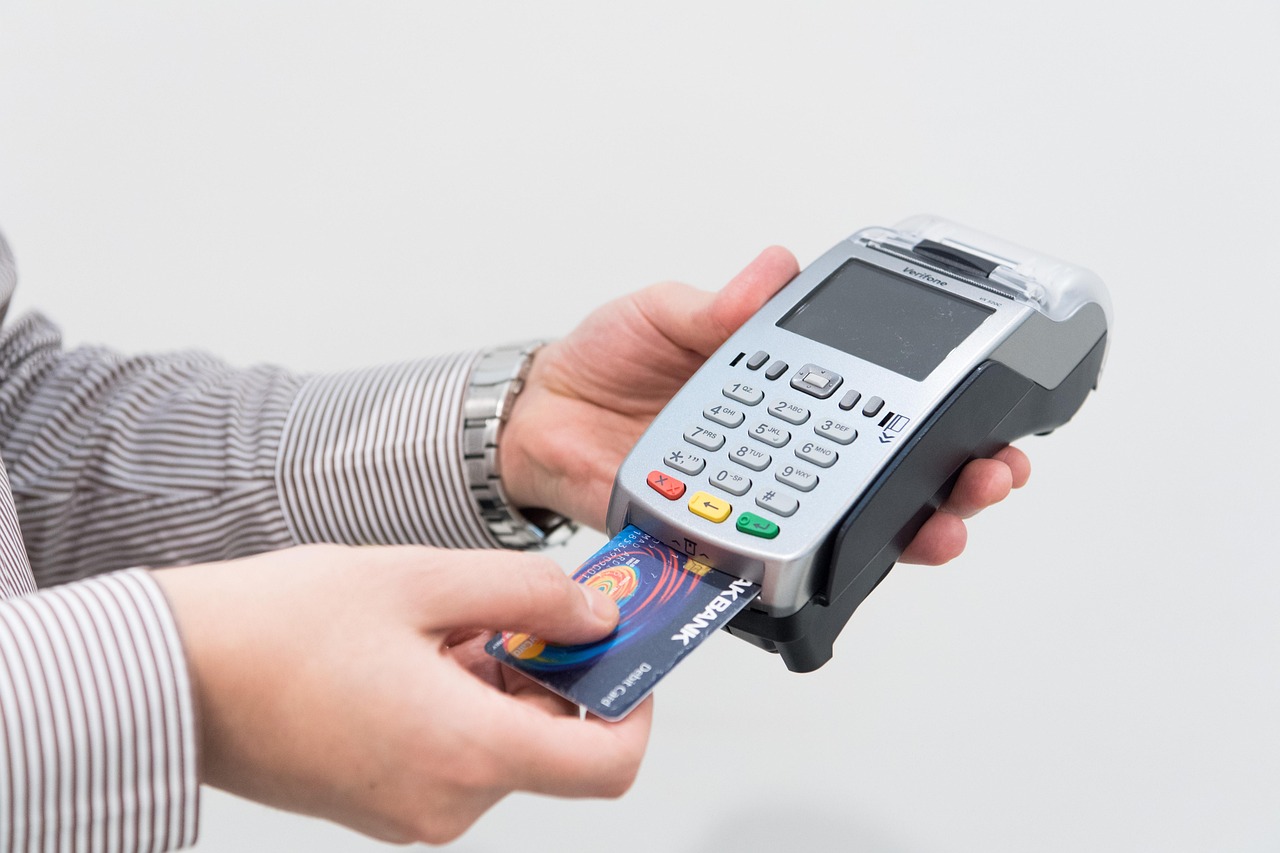
For small retail shops across the UK, having the right point-of-sale technology is no longer a luxury — it is the operational backbone that separates shops running on guesswork from those growing with confidence. A modern EPOS system brings together sales processing, stock control, customer data, and payment handling into a single, cohesive platform built for the pace and pressures of independent retail. This guide covers everything a UK shop owner needs to know to make a genuinely informed buying decision in 2026.
What Is an EPOS System and Why Does Your Small Retail Shop Need One?
EPOS stands for Electronic Point of Sale. At its core, it is the combination of hardware — a touchscreen terminal, barcode scanner, receipt printer, and cash drawer — and software that records every transaction, updates stock in real time, and generates reports that tell you exactly how your business is performing.
Independent retailers who still rely on a basic cash register or a standalone card reader are operating with a significant blind spot. They cannot tell at a glance which products are selling fastest, when to reorder before a line runs out, or which hours of the day drive the most revenue. An EPOS system closes that gap. It gives shop owners the same commercial intelligence that larger chains have always taken for granted — at a price point that now makes sense for a single-site independent.
Beyond the data, there is a compliance angle worth noting. UK businesses accepting card payments must meet Payment Card Industry Data Security Standards (PCI DSS). A reputable EPOS provider will supply hardware and software that is PCI-compliant by design, removing a significant administrative burden from the shop owner. You can verify the current PCI DSS requirements at the PCI Security Standards Council website.
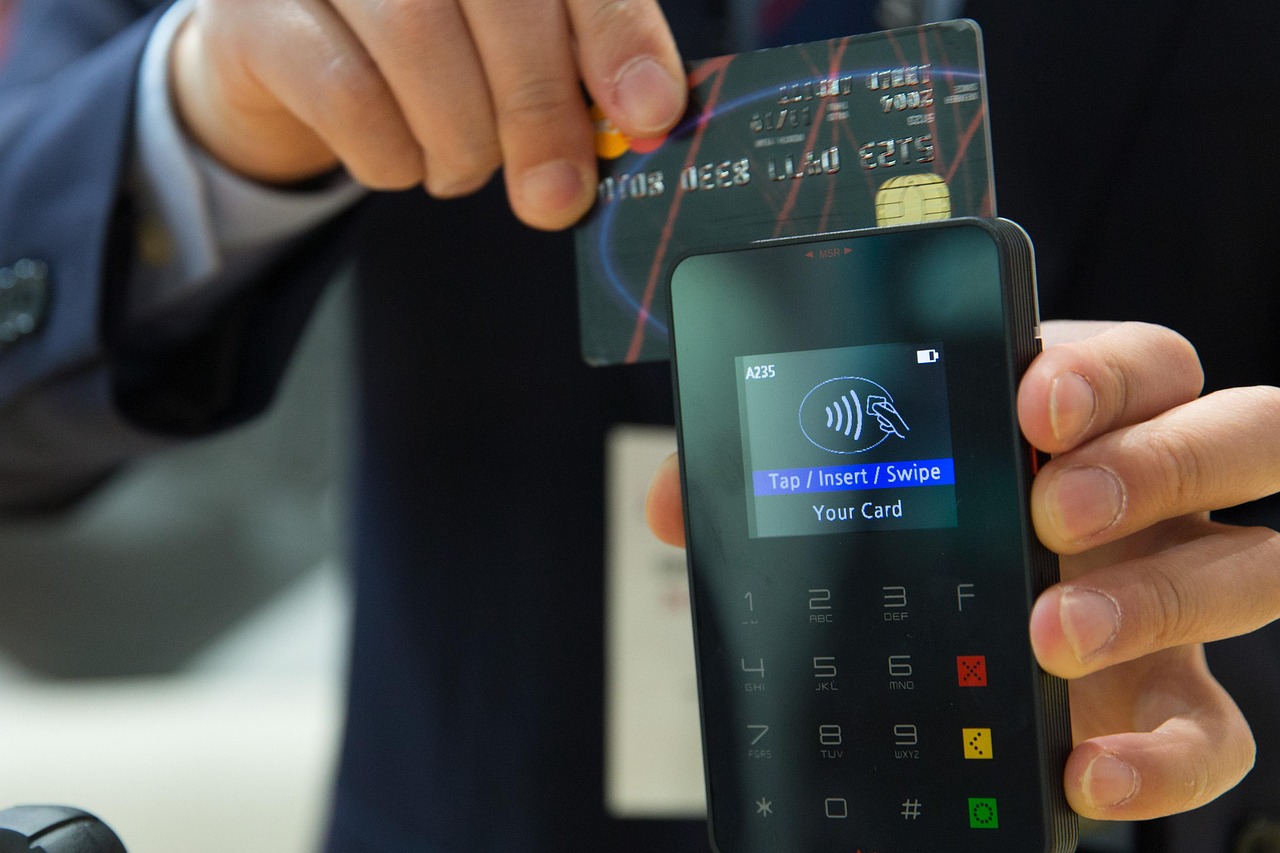
Key Features to Look for in a Retail EPOS System
Not every EPOS product is built with independent retail in mind. Here are the capabilities that genuinely matter at the shop floor level:
Inventory Management
Real-time stock tracking — including low-stock alerts, supplier order management, and the ability to handle product variants such as size and colour — is essential. A clothing boutique, for example, has fundamentally different inventory needs from a hardware shop. If your business sells apparel, it is worth reading our dedicated guide to EPOS systems for clothing shops in the UK, which covers variant management and seasonal stock in detail.
Integrated Payment Processing
Your EPOS and payment terminal should communicate directly. Separate, unintegrated devices mean manual reconciliation, human error, and slower service. Look for a provider that offers a card machine and till system combined — this single-unit approach reduces hardware clutter and simplifies end-of-day balancing considerably.
Sales Reporting and Analytics
Hourly, daily, weekly, and product-level reports. The ability to identify your top ten selling lines, your slowest-moving stock, and your peak trading hours transforms how you buy and how you roster staff.
Customer Management and Loyalty
A built-in customer database with purchase history enables targeted promotions and a loyalty points scheme — both powerful retention tools for independent retailers competing with larger chains on experience rather than price.
Multi-Tender Support
Cash, card, contactless, and digital wallets (Apple Pay, Google Pay). Increasingly, UK shoppers expect tap-to-pay as standard — a modern system handles all tender types without friction.
Cloud Reporting Access
The ability to check your shop's performance from a phone or laptop — whether you are in the stockroom, at a trade show, or at home — is a practical advantage that adds genuine value beyond business hours.
How Much Does an EPOS System Cost for a Small Shop in the UK?
Pricing varies depending on the hardware bundle you choose, the software subscription tier, and whether payments are integrated. The table below gives honest, indicative ranges based on typical UK market conditions in 2026. These are guidance figures, not formal quotes — always request a personalised proposal from any provider you shortlist.
| Setup Type | Typical Upfront Hardware Cost | Typical Monthly Software Fee | Best Suited To |
|---|---|---|---|
| Entry-level tablet-based system | From approximately £300–£600 | Approximately £20–£50 per month | Market stalls, pop-ups, very low-volume shops |
| Mid-range countertop system (single till) | From approximately £700–£1,500 | Approximately £40–£80 per month | Independent boutiques, gift shops, newsagents |
| Full retail bundle (till, scanner, printer, card machine) | From approximately £1,200–£2,500 | Approximately £60–£120 per month | Established independents with moderate product ranges |
| Multi-till or franchise setup | From approximately £2,000+ per station | Approximately £100–£200+ per month | Growing retailers, multi-location, wholesale split |
Some providers also offer lease or subscription models that spread the hardware cost, which can reduce the upfront outlay significantly. If budget is a primary consideration, our guide to the most affordable EPOS systems for small businesses in the UK explores the lower-cost end of the market in detail. For a broader overview of till systems at varying price points, the best till systems for small businesses in the UK is also worth consulting.
Cloud-Based vs. Traditional EPOS: Which Is Right for Small Retailers?
This is one of the most common questions independent shop owners raise, and the honest answer depends on your priorities.
| Factor | Cloud-Based EPOS | Traditional (On-Premise) EPOS |
|---|---|---|
| Data access | Anywhere, any device with internet access | On-site only, unless configured with remote access |
| Software updates | Automatic, no IT involvement needed | Manual updates, often requiring a technician visit |
| Upfront cost | Lower — software is subscription-based | Higher — licence fees often paid upfront |
| Internet dependency | Requires reliable broadband; some operate in offline mode | Fully functional without internet connection |
| Scalability | Straightforward — add locations or tills via software | Requires hardware and infrastructure investment to scale |
| Security | Provider manages backups and data security centrally | On-site responsibility; local backup management required |
For most small independent retailers in 2026, a cloud-based system offers a compelling combination of lower entry cost, automatic updates, and the flexibility to monitor sales remotely. The principal caveat is internet reliability — if your shop operates in an area with inconsistent broadband, confirm the provider offers a genuine offline mode before committing.
Top Benefits an EPOS System Delivers for Independent UK Retailers
Fewer Manual Errors at the Checkout
Barcode scanning removes the risk of a staff member miskeying a price. Every item sold is logged automatically, which also means your stock figures stay accurate without a manual tally at the end of the day.
Smarter Buying Decisions
Low-stock alerts ensure you reorder before a bestseller runs out. Sales velocity reports tell you which lines to back harder during peak periods and which to reduce on your next order — decisions that previously required experience and guesswork are now data-led.
Faster Service During Busy Periods
A responsive touchscreen interface, integrated card payment, and instant receipt printing mean queue times drop perceptibly. In a small shop where a long queue at lunch hour can mean lost sales, speed at the point of sale has a direct commercial impact.
Simplified End-of-Day Reconciliation
Cash and card totals are logged automatically and reconciled against the system's recorded sales. Discrepancies stand out immediately. What used to take thirty minutes now takes five.
VAT and Tax Reporting Made Straightforward
A good EPOS system maintains VAT-coded transaction records throughout the year, making your quarterly VAT return a matter of exporting a report rather than reconstructing receipts. Always confirm your system's output format is compatible with your accounting software — look for integrations with widely used packages such as Xero or QuickBooks.
How to Choose the Right EPOS Provider for Your Shop
The system itself is only part of the decision. The provider relationship — onboarding support, training, ongoing technical help, and hardware warranties — matters equally for a small shop that cannot afford extended downtime.
Questions to Ask Before You Commit
- What does setup and onboarding include? Confirm whether training is provided, whether your existing product database can be imported, and who handles the initial configuration.
- What is the support arrangement? Phone, email, or live chat? What are the hours? UK business hours cover most eventualities, but if you trade at weekends, weekend support is a practical necessity, not a premium add-on.
- Is the hardware owned outright or leased? Understand what happens at the end of a contract term, especially for leased equipment. Read the terms carefully before signing.
- Does the system integrate with your existing tools? Accounting software, an e-commerce platform, or a loyalty programme should connect cleanly without manual data entry.
- Can I see the software before I buy? Any reputable provider should offer a demonstration. You can request a retail EPOS software demo from EPOS Direct to see exactly how the platform performs in a real retail environment before making any commitment.
For a more granular look at the full small business buying process, the complete 2026 guide to EPOS systems for small businesses is a useful companion read alongside this article.
Why EPOS Direct Is the Trusted Choice for Small Retail Shops in the UK
EPOS Direct has been supplying and supporting point-of-sale systems to independent retailers across the United Kingdom for many years. The team works daily with shop owners across sectors — fashion, gifts, convenience, health and beauty, sports, and more — which means the advice and system configuration on offer reflects genuine, hands-on retail experience rather than a one-size-fits-all product catalogue.
Purpose-Built Retail Software
The EPOS Direct retail platform is designed specifically for shop environments, not adapted from a hospitality or service industry template. Features including variant management, supplier purchase orders, loyalty schemes, and multi-barcode support are included as standard rather than locked behind expensive upgrade tiers. Explore the EPOS Direct software platform to see the full feature set in one place.
Integrated Card Payments
EPOS Direct systems include fully integrated payment processing, meaning your card machine and till communicate seamlessly. For shops exploring their payment options further, the guide to wireless card machines for small businesses covers standalone and integrated options side by side — useful context when deciding on your complete payment setup.
UK-Based Support
Support is provided from within the UK, by a team that understands the practical realities of British retail — seasonal trading patterns, local council licensing nuances, and the expectations of UK consumers. Whether you need help remotely or a visit from an engineer, the infrastructure is genuinely domestic.
Transparent Pricing and No Hidden Fees
The EPOS Direct team provides clear, itemised proposals. There are no surprise implementation fees, and the commercial relationship is built on long-term partnership rather than upselling at every renewal. Visit the EPOS Direct UK home page for current offers and the full range of products and packages available to UK retailers.
If you would prefer to speak with someone directly before committing to anything, you can talk to an EPOS expert online right now — no obligation, no hard sell. Alternatively, view the current retail EPOS offers to see the hardware and software packages available to UK shops today.
Making the Right Choice for Your Shop
Choosing a retail EPOS system is one of the most consequential operational decisions an independent shop owner makes. Get it right and you gain a platform that pays for itself through reduced shrinkage, smarter stock buying, and faster service. The key is to match the system's capabilities to your specific shop type, trading volume, and growth ambitions — and to choose a provider whose support commitment matches their sales pitch.
EPOS Direct UK specialises in exactly this: helping independent retailers find and deploy the right system, with the training and support to make it work from day one. Request a free demo today and see how a purpose-built retail EPOS platform can transform the way your shop operates.
Written by the EPOS Direct UK team, who work with independent retailers and small businesses across the United Kingdom every day, helping them select, install, and get the most from their EPOS and POS systems.
Frequently asked questions
- What is the best EPOS system for a small retail shop in the UK?
- The best EPOS system for a small retail shop depends on your budget, stock size and whether you need integrated payments. EPOS Direct offers tailored retail packages with touchscreen tills, barcode scanners, stock management and cloud reporting — all designed specifically for UK small retailers.
- How much does an EPOS system cost for a small shop in the UK?
- Entry-level EPOS systems for small retail shops in the UK typically start from around £300–£500 for basic hardware, with monthly software subscriptions ranging from £20 to £60 per month. EPOS Direct offers flexible pricing packages and finance options to suit small business budgets.
- Do I need a broadband connection to run an EPOS system in my shop?
- Most modern cloud-based EPOS systems require an internet connection for real-time reporting and data sync, but many — including systems from EPOS Direct — offer offline mode so your till continues to process sales even if your connection drops temporarily.
