We use cookies to make your experience better.
To comply with the new e-Privacy directive, you agree to the privacy policy and our use of cookies


EPOS Systems with Built-In Loyalty Schemes for UK Retail: The Complete Guide
EPOS Systems with Loyalty Schemes for Retail: Reward Customers & Grow Revenue
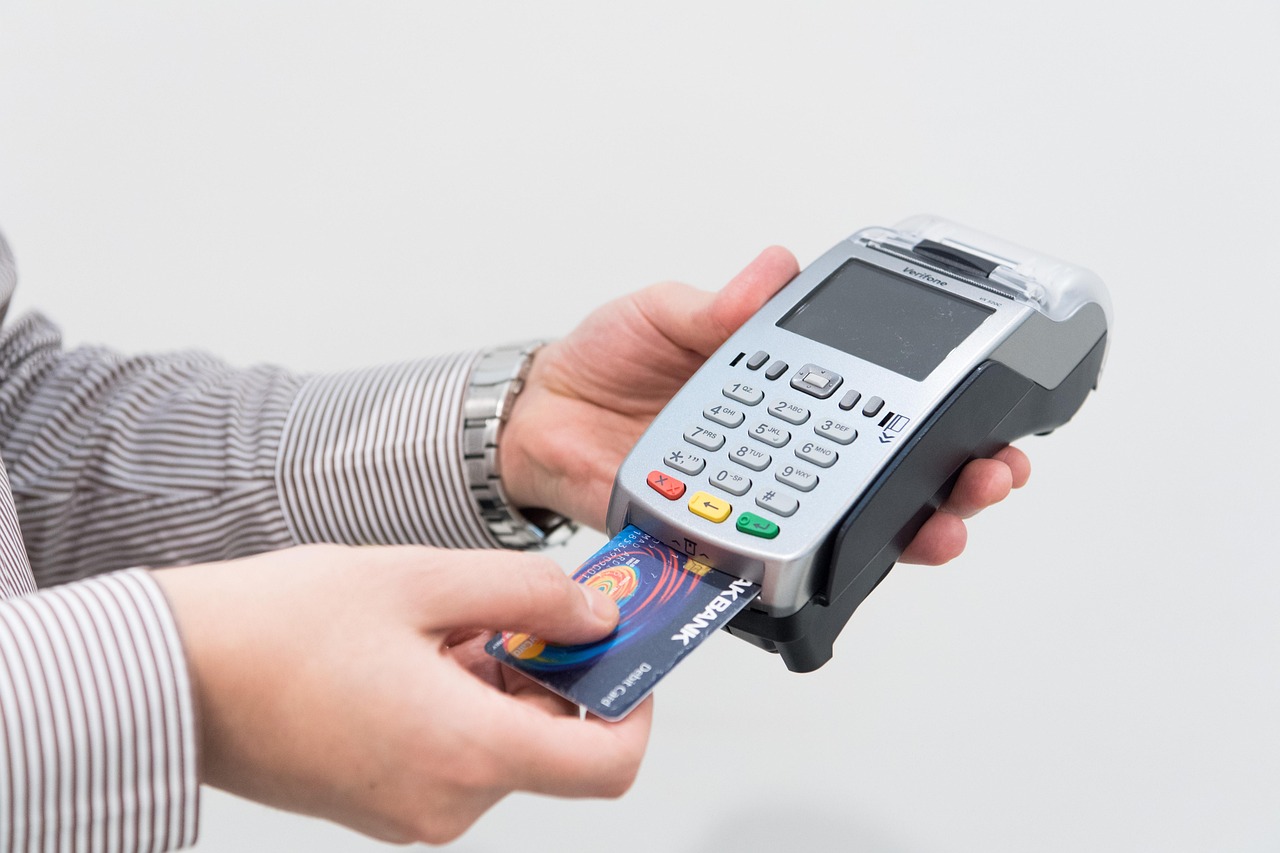
Retail loyalty programmes have moved far beyond simple stamp cards — and the businesses seeing the strongest repeat-purchase rates are those whose loyalty scheme is wired directly into their point-of-sale system. An EPOS system with built-in loyalty functionality lets you automatically award points, redeem rewards and capture customer data at the moment of every transaction, without manual effort or separate apps. This guide explains exactly what to look for, how the technology works, what it costs in the UK, and how to choose a solution that genuinely grows revenue rather than just adding complexity.
Why UK Retailers Are Combining EPOS and Loyalty Programmes
Loyalty schemes work best when they are invisible to the cashier and effortless for the customer. The friction of running a loyalty programme through a separate system — manually logging points, cross-referencing spreadsheets, or asking staff to switch between screens — erodes the experience and leads to inconsistent redemption. When loyalty logic sits inside the EPOS itself, every sale automatically updates a customer's balance, applies the right tier discount, and prints a points summary on the receipt.
The commercial case is straightforward. Returning customers typically spend more per visit and cost less to serve than new ones. A well-configured retail EPOS loyalty module gives you the data to identify your best customers, personalise promotions, and predict stock demand around reward redemption periods — all from a single dashboard. For independent retailers competing with major chains, this level of customer intelligence was historically out of reach; modern cloud-based EPOS has changed that.
If you are weighing up your overall retail technology stack, our guide to EPOS systems for small businesses covers the broader considerations before you invest.
Key Features to Look for in a Retail Loyalty EPOS System
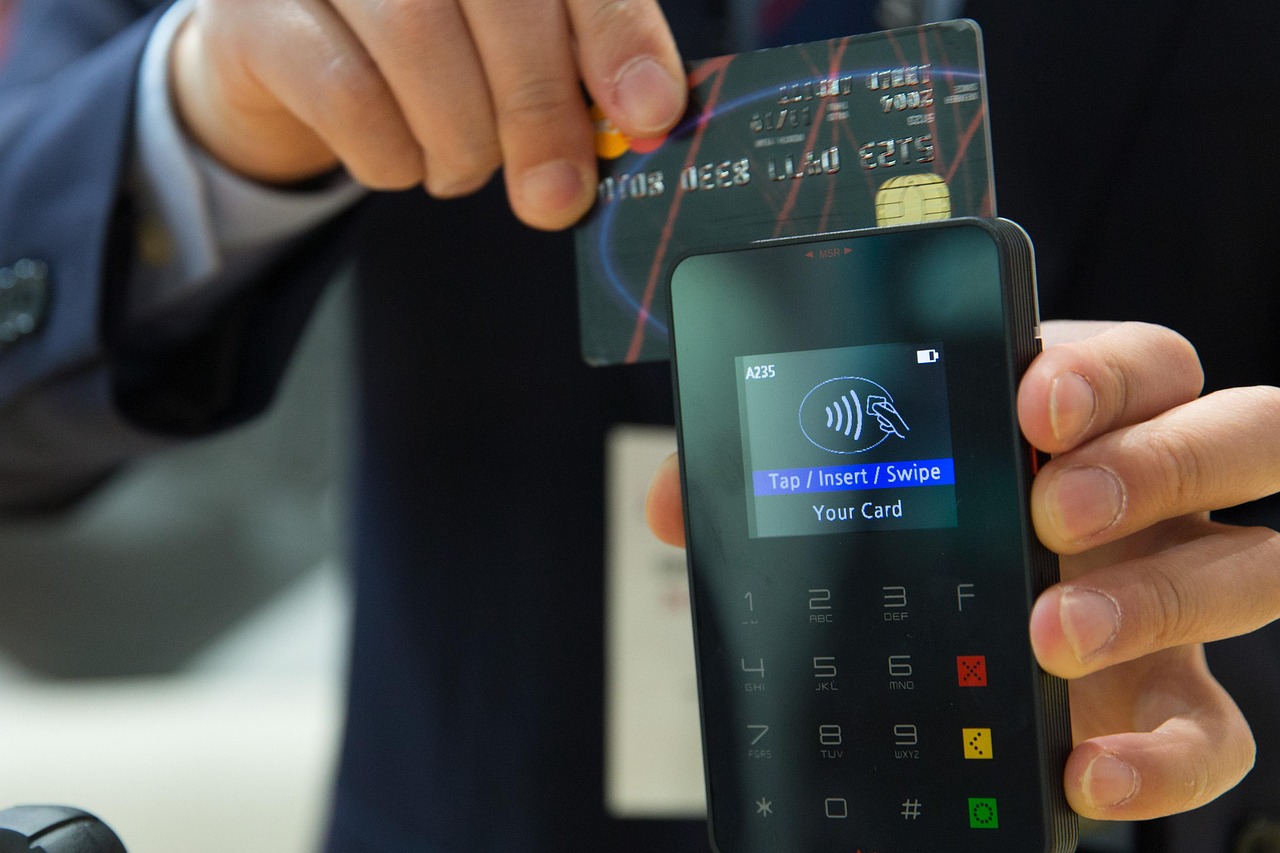
Not every EPOS that claims "loyalty" delivers the same depth of functionality. Before committing, verify that the system genuinely offers the following:
- Customer profile creation at the till: Staff should be able to look up or create a customer record in seconds during a transaction — by phone number, loyalty card scan, or email.
- Automatic points accrual: Points should be calculated and applied without manual input, based on spend value, product category, or promotional multipliers.
- Tiered reward levels: The ability to configure Bronze/Silver/Gold tiers — or equivalent — that unlock better rewards as spending increases.
- Targeted promotions engine: Send email or SMS offers to specific customer segments (e.g. customers who haven't visited in 60 days, or those close to a reward threshold).
- Real-time reporting: Dashboard visibility of enrolled customers, active balances, redemption rates, and the revenue impact of loyalty spend.
- Receipt and digital confirmation: Customers should see their current balance and next reward milestone on every printed or emailed receipt.
- GDPR-compliant data handling: Any system storing customer personal data must support lawful processing. The ICO's guidance on data protection (ico.org.uk) is the authoritative source to verify your obligations.
For clothing retailers specifically — where seasonal promotions and repeat-customer relationships are especially valuable — see our detailed breakdown in the best EPOS systems for clothing shops in the UK.
How Loyalty Scheme Integration Works at the Point of Sale
Understanding the mechanics helps you avoid buying a system that is technically capable but practically clunky.
At the point of purchase
When a customer is identified — by scanning a loyalty card barcode, entering a phone number, or tapping an NFC-enabled card — their profile loads instantly. The EPOS calculates applicable points on the basket total, applies any qualifying discounts or promotions, and updates the balance when the transaction completes. All of this happens in under two seconds on a well-optimised system.
Redemption and reward fulfilment
Redemption can be configured as a discount against the current basket, a free product, a voucher printed at the till, or a credit applied to the customer's account for future use. The EPOS should handle all of these without requiring the cashier to manually enter figures.
Back-office reporting and CRM
Cloud-based systems push loyalty data into a central dashboard accessible from any device. You can see, in real time, which customers are close to a reward threshold, which products drive loyalty engagement, and what your monthly redemption liability is — useful for cash-flow planning.
If you are also evaluating how your payment hardware integrates with your till, the guide on combining a card machine and till system covers the key compatibility questions.
Types of Loyalty Programmes Your EPOS Can Support
A capable retail EPOS can run several different programme structures — sometimes simultaneously:
- Points-per-pound: The most common model. Customers earn a set number of points for every pound spent. Simple to communicate, easy to administer.
- Tiered membership: Customers unlock progressively better benefits as their cumulative spend rises. Encourages long-term brand loyalty rather than one-off redemptions.
- Punch-card / visit-based: A digital equivalent of the traditional stamp card — reward after a set number of visits or purchases. Works well for cafés, salons, and specialty food retailers.
- Cashback schemes: A percentage of spend is returned as store credit. Legally simpler to communicate than complex point values, and customers find it transparent.
- Birthday and event rewards: Automatically triggered offers sent on a customer's birthday or membership anniversary — high-conversion, low-effort marketing.
- Product-specific multipliers: Double or triple points on slow-moving stock or new ranges. A smart way to use loyalty to influence purchasing behaviour without blanket discounting.
Costs and Pricing: What UK Retailers Should Budget For
One of the most common questions from independent retailers is whether a loyalty-enabled EPOS is affordable at a small scale. The honest answer is: yes, at every meaningful tier of the market, though pricing varies considerably by capability.
| Solution Tier | Typical Monthly Cost (indicative) | Loyalty Features Included | Best Suited For |
|---|---|---|---|
| Entry-level cloud EPOS with basic loyalty | Typically from £30–£60/month (software only) | Points accrual, basic customer records, receipt printing | Single-site independents, market stalls, pop-ups |
| Mid-tier retail EPOS with full loyalty module | Typically £60–£150/month (software + support) | Tiered rewards, SMS/email marketing, dashboard reporting, redemption management | Established single or dual-site retailers |
| Advanced multi-site retail EPOS with CRM | Typically £150–£350+/month | Multi-location loyalty sync, segmented campaigns, API integrations, dedicated account management | Mini-chains, franchises, high-volume independents |
| Hardware bundle (till, scanner, receipt printer) | Typically from £500–£1,500 upfront, or spread via finance | Hardware only — software billed separately or bundled | All tiers depending on configuration |
These ranges are indicative of the UK retail EPOS market and should be used as a planning guide, not a quote. Your actual cost will depend on the number of terminals, support level, and whether hardware is purchased outright or financed. For a realistic picture of what fits smaller operations, our guide to affordable EPOS systems for small businesses walks through the trade-offs in detail.
VAT is applicable on all software and hardware purchases. If you are VAT-registered, you can reclaim input tax — check HMRC's guidance on business expenses to confirm your specific position.
What Does a Good Retail Loyalty EPOS Setup Actually Look Like?
Consider a mid-size independent gift shop with two tills and a returning customer base of several hundred regulars. A well-configured system would:
- Identify customers at the till via a loyalty card or stored phone number in under three seconds
- Automatically apply a 5% birthday discount for customers visiting within their birthday month
- Send a targeted email to customers with balances exceeding a reward threshold, timed ahead of a seasonal sale
- Give the owner a weekly report showing top spenders, average reward redemption rate, and estimated liability of outstanding points
None of this requires a dedicated marketing team. It runs automatically, configured once in the back office, executed at every transaction. That is the real commercial value of a properly integrated system.
If payment flexibility is also a priority alongside your loyalty programme, our overview of the best wireless card machines for small businesses covers options that pair well with modern retail EPOS setups.
Getting Started: Steps to Set Up Your EPOS Loyalty Scheme
Moving from intention to a live, functioning loyalty programme takes less time than most retailers expect, provided the setup is approached in order:
- Define your programme structure first. Decide on points ratio, reward thresholds, and any tier logic before touching the software. Changing these later can confuse existing customers.
- Choose hardware that supports customer identification. A barcode scanner (for loyalty cards) or a customer-facing display where shoppers can enter their number are both low-cost additions that pay for themselves quickly.
- Configure the loyalty module in your EPOS back office. Most platforms offer a guided setup. Set your earn rate, redemption rules, and communication preferences.
- Train staff on the enrolment script. The biggest failure point in retail loyalty is staff forgetting to ask. A one-sentence prompt — "Would you like to add these points to your account?" — is all it takes. Build it into your opening and closing checklist.
- Launch with an enrolment incentive. Offer double points or a small welcome reward to customers who sign up in the first month. This drives rapid database growth.
- Review redemption data monthly. Use your dashboard to assess whether the programme is driving incremental spend, not just rewarding purchases that would have happened anyway.
You can explore EPOS Direct's retail EPOS software demo to see how loyalty configuration works before making any commitment, or talk to an expert online if you have specific questions about your existing setup.
For a broader view of what to look for across all till system categories — useful if this is your first EPOS purchase — the practical buyer's guide to till systems for small businesses is a good companion read.
Why Choose EPOS Direct UK for Your Retail Loyalty System
EPOS Direct UK works with independent retailers, regional chains, and specialist stores across the United Kingdom, providing hardware, software, installation, and ongoing support from a single UK-based team. Our retail EPOS platform includes a loyalty and customer management module as standard across most packages — not as a paid-extra bolt-on — meaning you are not paying premium tier fees simply to access a feature that should be core to any modern retail system.
Our team handles setup, staff training, and data migration, so you are not left to configure a complex loyalty engine alone. Support is based in the UK, with real engineers available during trading hours rather than a chatbot and a ticket queue.
You can view our current retail EPOS offers, or request a free demo tailored to your store type and size. If you would prefer to speak to someone directly, request a call back and a member of our retail team will be in touch. For the full range of products and services, visit the EPOS Direct UK home page where you will find more offers and information.
Written by the EPOS Direct UK team, who support independent and multi-site retailers across the United Kingdom with EPOS and point-of-sale technology every day.
Frequently asked questions
- Can I add a loyalty scheme to my existing retail till system?
- It depends on the software your current till runs. Many modern cloud-based EPOS platforms allow you to bolt on a loyalty module without replacing your hardware. However, if your system is older or closed, you may need to upgrade to a platform that natively supports loyalty features. EPOS Direct UK can assess your existing setup and advise on the most cost-effective route — whether that is a software upgrade or a full system swap.
- How much does a retail EPOS system with a loyalty programme cost in the UK?
- For a typical UK retail business, you can expect to pay anywhere from around £300 to £800 upfront for EPOS hardware such as a touchscreen till, receipt printer and barcode scanner, plus a monthly software subscription of roughly £30 to £80 per month depending on the features included and number of tills. Loyalty module add-ons can range from included in the base plan to an extra £15 to £40 per month on some platforms. EPOS Direct UK offers bundled packages that include loyalty functionality, so you avoid paying separately for multiple services. Always request a tailored quote to reflect your number of tills and transaction volumes.
- What types of loyalty rewards can a retail EPOS system manage automatically?
- A well-integrated retail EPOS loyalty system can handle points-based rewards where customers accumulate points per pound spent, stamp card schemes, tiered membership levels such as silver and gold, discount vouchers issued automatically at the till, and birthday or anniversary rewards sent via email or SMS. The key benefit of having loyalty built into your EPOS rather than running a separate app is that rewards are triggered and tracked in real time at checkout without any manual intervention from your staff.
