We use cookies to make your experience better.
To comply with the new e-Privacy directive, you agree to the privacy policy and our use of cookies


Essential POS System Features Every UK Retail & Hospitality Business Needs
POS System Features: What UK Businesses Really Need from a Till System

Choosing the right till system is one of the most consequential operational decisions a UK business owner makes — yet the feature conversation rarely gets the depth it deserves. The right set of capabilities reduces queues, tightens stock control, simplifies compliance and gives management the data they need to act. This guide cuts through the noise and explains precisely which features matter, which are sector-specific, and how to evaluate any system before you sign a contract.
Written by the EPOS Direct UK team, who work with independent retailers, restaurant groups and service businesses across the United Kingdom every day.
Core Features Every UK Business Should Expect as Standard
Before considering sector-specific requirements, there is a baseline that every credible system should deliver without compromise. If a system cannot do the following reliably, no amount of advanced features makes it worth considering.
- Fast transaction processing — sub-second product lookup, responsive touchscreen and a smooth queue flow even during peak periods.
- VAT handling — correct application of UK VAT rates (standard, reduced and zero) at line level, with VAT-compliant receipts. Verify your obligations at HMRC's VAT rates guidance.
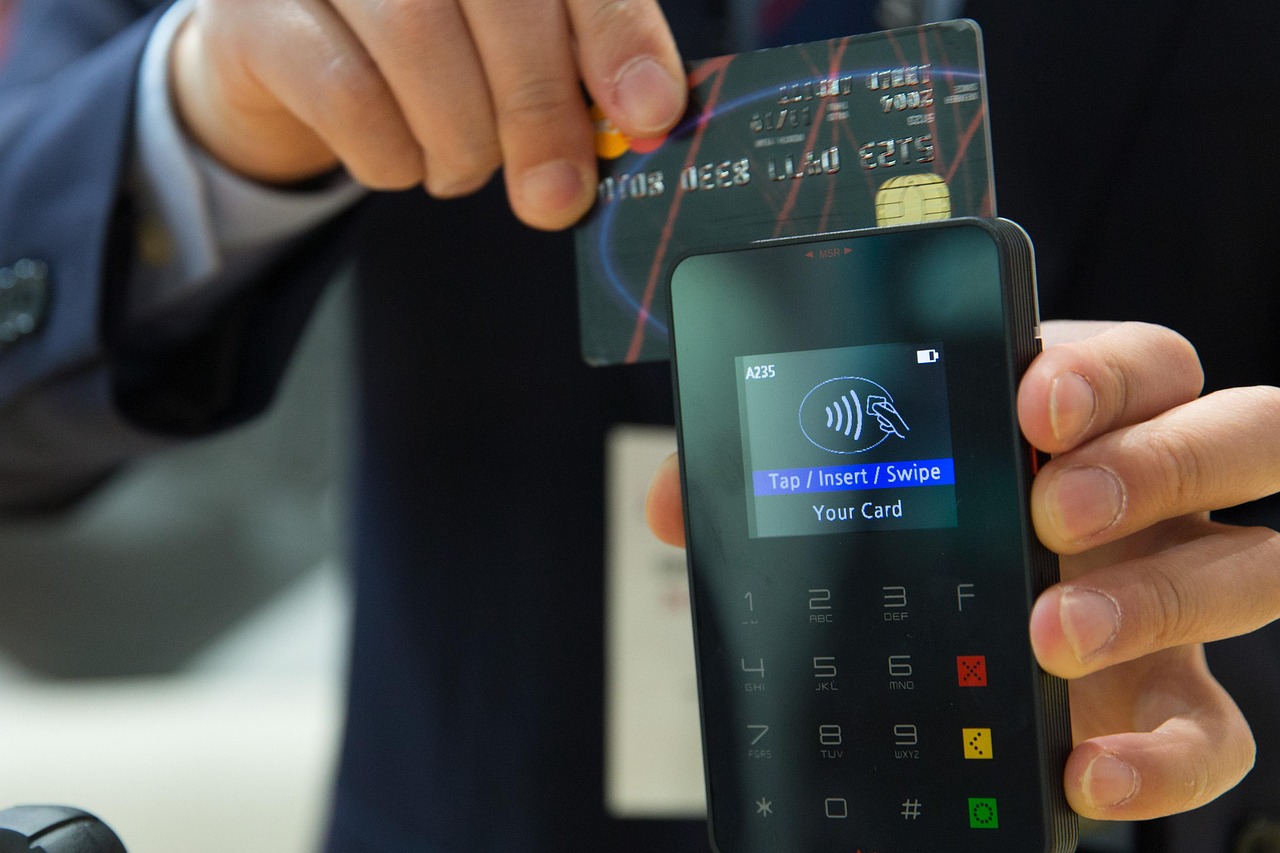
- Integrated payment acceptance — chip and PIN, contactless and mobile wallets processed through a terminal that communicates directly with the till, eliminating manual keying errors.
- Staff management — individual login codes, role-based permissions and a basic clock-in/out log so managers can reconcile time sheets and identify discrepancies.
- End-of-day reporting — automated Z-reports, cash declarations and a clear audit trail for accountancy purposes.
- Offline resilience — the system must continue processing sales during a broadband outage and sync automatically on reconnection.
- Receipt flexibility — printed, emailed and SMS receipts to meet customer preference and environmental commitments.
If you are weighing up options for a smaller operation, the practical guide to till systems for small businesses covers how to match these fundamentals to a tighter budget without sacrificing reliability.
Retail-Specific Features: Stock Management, Barcoding and Multi-Site Control
For retailers, the till system is inseparable from the stock room. The two must speak to each other in real time.
Inventory management
- Real-time stock decrement — every sale automatically reduces available stock, preventing overselling.
- Low-stock alerts — automatic notifications when an item falls below a reorder threshold, sent to a manager's email or dashboard.
- Purchase order generation — create and send orders to suppliers directly from the back office, then receive stock against those orders to maintain accurate inventory.
- Variant tracking — size, colour and style combinations tracked at SKU level, which is essential for fashion, footwear and homeware retailers. Our dedicated resource on EPOS systems for clothing shops explores this in detail.
Barcoding and scanning
A well-implemented barcode workflow — from goods-in scanning to shelf labelling and point-of-sale — dramatically reduces human error. Look for support for GS1 standard barcodes, an integrated label printer and a handheld scanner option for stocktakes.
Multi-site and head-office control
Businesses with more than one location need centralised pricing and promotions management, consolidated reporting across all sites and the ability to transfer stock between branches — all administered from a single back-office login.
Hospitality Features: Table Management, Kitchen Display and Split Billing
A hospitality operation has fundamentally different workflow requirements. Speed, accuracy and communication between front-of-house and kitchen are paramount.
Table and floor management
- A visual, drag-and-drop floor plan reflecting the actual layout of the venue.
- Real-time table status: available, seated, ordered, waiting for bill.
- Cover counts for management reporting and forecasting.
- Reservation integration — linking incoming bookings to specific tables automatically.
Kitchen display system (KDS)
A KDS replaces printed dupe tickets with a screen in the kitchen that displays orders in real time, grouped by course, and colour-coded by elapsed time. This reduces miscommunication, speeds service and virtually eliminates the "lost ticket" problem. It is a non-negotiable feature for any table-service restaurant processing more than a modest volume of covers.
Split billing and service charge
- Split bills equally or by individual item — essential for group dining.
- Configurable optional or mandatory service charge, with transparent display on the bill.
- Multiple tender types on a single bill (e.g. part cash, part card).
You can see how these features work in practice by requesting a restaurant EPOS software demo before committing to any system.
Payment Processing: Card, Contactless and Integrated Terminals
Payment capability is where a poor integration creates costly inefficiencies. An integrated payment terminal — one that receives the transaction amount automatically from the till — removes the need for manual entry, speeds throughput and eliminates reconciliation headaches at close of day.
Key considerations for UK businesses:
- Contactless limits — the UK contactless limit has been raised over time; confirm your terminal firmware is kept current to reflect the prevailing limit.
- Mobile wallet acceptance — Apple Pay, Google Pay and Samsung Pay are now mainstream customer expectations.
- Card-not-present (CNP) for phone orders — relevant for restaurants and retailers taking telephone orders.
- Wireless terminals — essential for tableside payment in hospitality. Our guide to wireless card machines for small businesses explains the key differentiators.
- Surcharge and tipping prompts — configurable tip prompts on the terminal screen, with tip pooling reports in the back office.
For businesses exploring a combined hardware and payment solution, the complete guide to card machine and till system combinations is worth reading before approaching any provider.
Reporting and Analytics: Turning Sales Data into Business Decisions
A till processes transactions; a good EPOS system converts those transactions into actionable intelligence. The reporting suite is where the real long-term value lives.
Reports that genuinely drive decisions
- Hourly sales breakdown — identify trading peaks so staffing can be aligned accurately.
- Product performance — best sellers, slow movers, margin by category. Use this to rationalise your range and negotiate better supplier terms.
- Staff performance — average transaction value, upsell rates, voids and refund frequency per employee.
- Gross margin reporting — if cost prices are entered at product level, the system should calculate and report margin automatically.
- Customer loyalty data — spend frequency, average basket, redemption rates if a loyalty programme is active.
Dashboard-level reporting accessible on a mobile device means a multi-site owner can monitor performance across all locations without being present on the shop floor.
Cloud vs On-Premise: Which Approach Suits Your Setup?
| Criterion | Cloud-Based System | On-Premise System |
|---|---|---|
| Data access | Anywhere, any device, real time | On-site only unless VPN configured |
| Upfront hardware cost | Lower — minimal local server required | Higher — local server and licensing |
| Ongoing fees | Monthly SaaS subscription | Annual maintenance contract |
| Internet dependency | Relies on broadband; offline mode critical | Operates fully offline |
| Software updates | Automatic, pushed centrally | Manual, scheduled with IT support |
| Multi-site scalability | Straightforward — add locations quickly | Complex — requires replication setup |
| Best suited to | Growing businesses, multi-site operators, remote owners | Single-site businesses with unreliable broadband |
For most UK businesses opening in 2025 and beyond, a cloud-based system with a robust offline mode delivers the best combination of flexibility and resilience. On-premise remains the pragmatic choice in genuinely poor-connectivity locations or where IT infrastructure is already in place.
What Does a Decent System Cost? Indicative UK Pricing
One of the most common questions from buyers is simply: "What should I expect to pay?" The honest answer depends on scale, sector and the level of integration required, but the following indicative ranges reflect what UK businesses typically encounter.
- Entry-level single-terminal setup (cloud software, tablet hardware, basic stock module): typically from around £30–£60 per month on a subscription model, plus hardware from approximately £300–£600.
- Mid-market retail or hospitality setup (dedicated touchscreen terminal, integrated payment, full stock or table management): typically £60–£150 per month, with hardware investment from roughly £800–£2,000 per terminal depending on specification.
- Multi-site or enterprise deployments with advanced reporting, loyalty and integrations: typically quoted on a bespoke basis, often from £150+ per month per site.
These are indicative market ranges only — actual pricing varies by provider and configuration. For budget-conscious buyers, the guide to affordable EPOS systems for small businesses identifies where genuine value exists without sacrificing essential functionality.
A Practical UK Buyer's Checklist Before You Commit
Before signing any agreement, walk through these questions with every supplier you evaluate:
- Does the software handle UK VAT correctly at line level, and can it produce VAT-compliant receipts for B2B customers?
- What happens if the internet goes down — how long can the system operate offline, and how does it sync on reconnection?
- Who owns your data, and can you export a full transaction and customer history in a standard format if you switch providers?
- What is included in the support contract — is it UK-based, what are the hours, and what is the average response time?
- How are software updates delivered, and is there a changelog so you understand what changes with each release?
- Does the payment integration work with your preferred acquirer, or are you locked into a specific merchant services provider?
- Can you see the system working before you buy — not a sales deck, but a live or recorded demo of the actual interface?
On that last point: request a free demo from EPOS Direct and see the system in operation before making any decision. You can also talk to an expert online to discuss your specific setup and get guidance tailored to your sector.
Conclusion
A well-specified till system is not a cost centre — it is the operational backbone of a profitable, well-run business. The features that matter most depend on your sector, but the fundamentals of speed, integration, accurate reporting and genuine offline resilience are non-negotiable for any UK operation. Evaluate honestly, ask difficult questions and always insist on a live demonstration.
EPOS Direct UK provides retail and hospitality EPOS systems built for the realities of running a UK business. Explore the full range of options on the EPOS Direct home page for offers and more information, view our retail EPOS offers or our hospitality and restaurant EPOS offers, or request a call back from a specialist who understands your industry.
Frequently asked questions
- What features should I look for in a POS system for a small UK retail shop?
- For a small UK retail shop, the essentials are barcode scanning, stock level tracking, VAT-compliant sales receipts, integrated card payment, end-of-day reports and a simple staff login system. Look for a cloud-based option so you can check sales remotely. EPOS Direct offers entry-level retail bundles starting from around £300–£500 for hardware, with software plans typically from £20–£50 per month depending on the number of tills and users.
- Can a hospitality POS system handle table management and takeaway orders at the same time?
- Yes, a good hospitality POS system can handle both simultaneously. Features like table-plan management, order routing to kitchen display screens (KDS), and a separate takeaway or collection queue are all standard in mid-range systems. This means front-of-house staff can manage seated diners while takeaway orders flow to the kitchen independently, reducing errors and improving speed of service.
- Do I need different POS features if I run multiple shop locations across the UK?
- Absolutely. Multi-site businesses need centralised stock control, consolidated reporting across all locations, staff permissions by site, and ideally a cloud dashboard so you can monitor every branch from one login. Features like inter-site stock transfers and location-specific pricing also become important at scale. EPOS Direct's multi-site solutions are designed specifically for UK businesses running two or more locations.
