We use cookies to make your experience better.
To comply with the new e-Privacy directive, you agree to the privacy policy and our use of cookies

EPOS System vs Traditional Cash Register: Which Is Right for Your UK Business?
EPOS System vs Traditional Cash Register: Which Is Right for Your UK Business?
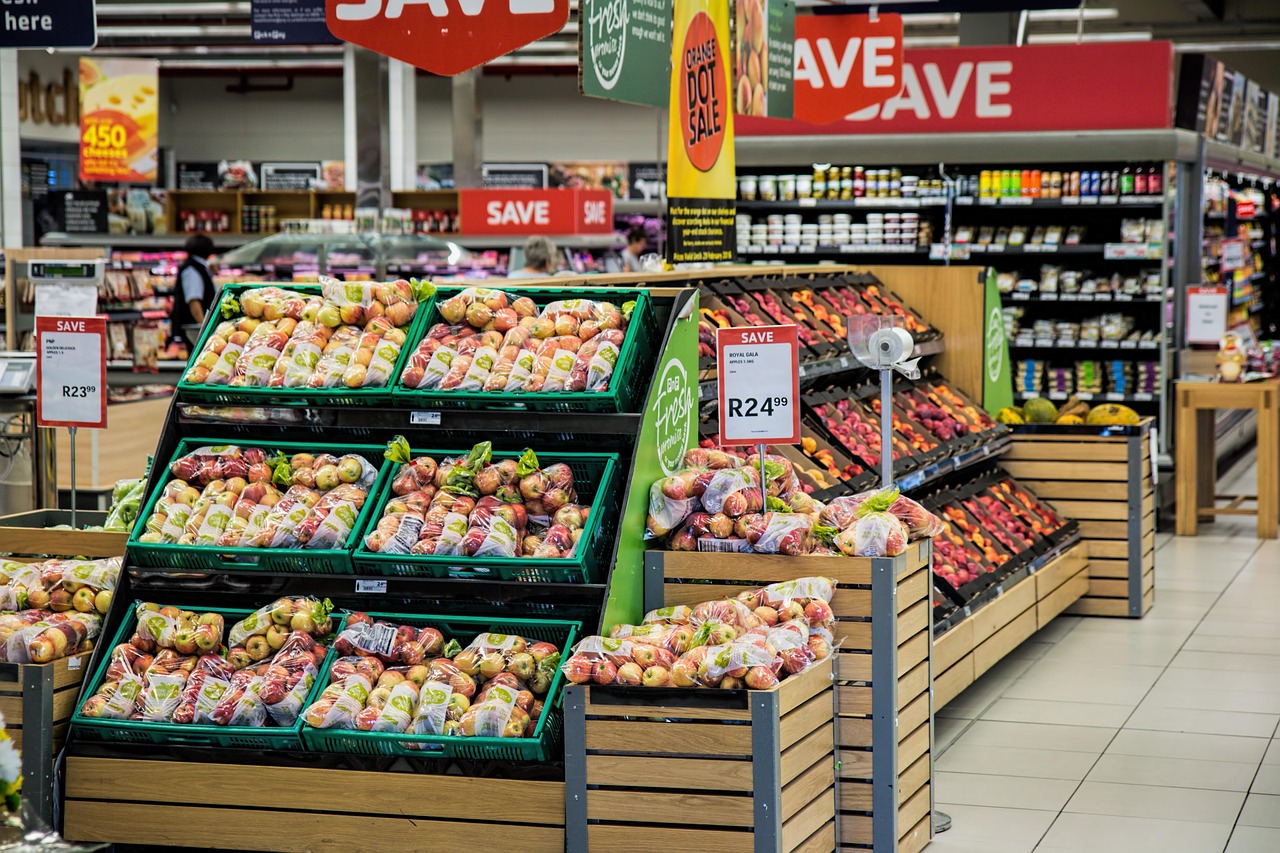
For most UK businesses, the choice between a modern EPOS system and a traditional cash register is less a matter of preference and more a question of how much your till is costing you in missed opportunity. A cash register processes transactions; an EPOS system runs your business. This guide breaks down exactly what separates the two, what each option genuinely costs, and how to make the right call for your specific situation — whether you run a corner shop, a busy café or a multi-site retail brand.
What Is a Traditional Cash Register — and Who Still Uses One in the UK?
A traditional cash register is an electronic device designed for one purpose: recording sales and storing cash. Modern versions may print receipts and calculate change, but their functionality ends there. Stock control, sales reporting, customer loyalty and card payments all require separate systems — if they exist at all.
Cash registers are still found in low-volume, cash-dominant environments: market stalls, small charity shops, community clubs and some sole traders who handle very few transactions per day. For these operators, the simplicity and low upfront cost can genuinely be appropriate. But this profile is shrinking rapidly, particularly as UK consumers continue to shift towards card and contactless payment.
It is worth noting that HMRC does not mandate a specific till type, but businesses must maintain accurate records of all sales. A cash register provides no audit trail beyond the paper roll — which creates administrative burden at year-end and increases the risk of errors. You can verify record-keeping obligations on the HMRC guidance pages.
What a Modern EPOS System Can Actually Do
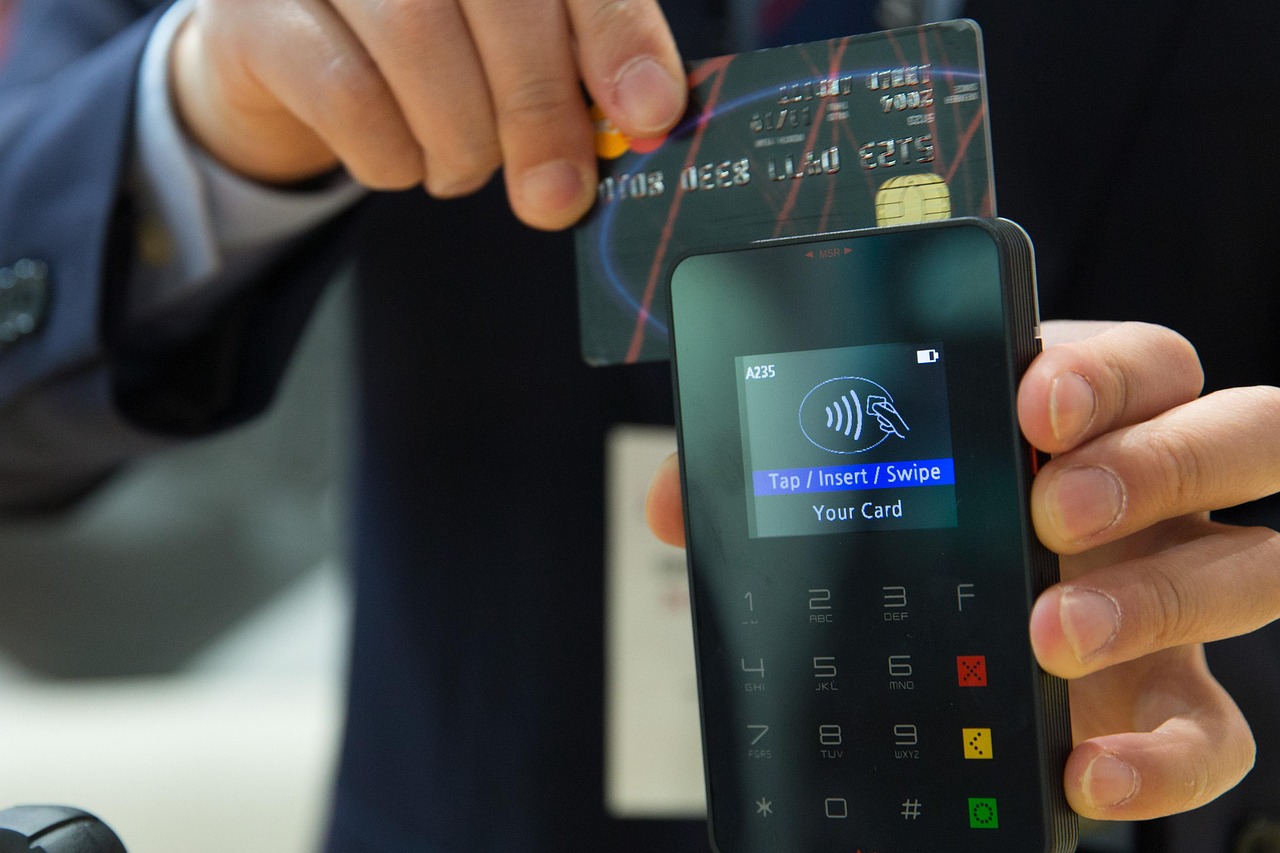
An EPOS (Electronic Point of Sale) system is a networked platform combining hardware — typically a touchscreen terminal, receipt printer, barcode scanner and cash drawer — with cloud-connected software that manages your entire operation from the till outwards.
Core capabilities you get with EPOS that a cash register cannot offer
- Real-time stock management: Every sale automatically adjusts your inventory. Low-stock alerts, supplier reorder points and wastage tracking are built in.
- Integrated card payments: A single device handles cash, contactless, chip and PIN, and digital wallets. For more on combining these elegantly, see our guide to card machine and till system combined solutions for UK businesses.
- Detailed sales reporting: Hour-by-hour revenue, best-selling products, margin analysis and staff performance — accessible from any browser.
- Customer relationship tools: Loyalty schemes, purchase history and targeted promotions, all tied to a customer profile.
- Multi-site and remote management: View and manage every location from one dashboard, without being on the shop floor.
- Third-party integrations: Accounting software (Xero, Sage, QuickBooks), delivery platforms and e-commerce channels all connect directly.
If you would like to see these capabilities in action before committing, you can access a retail EPOS software demo or a restaurant EPOS software demo directly from EPOS Direct UK.
Key Feature Differences: A Side-by-Side Comparison
| Feature | Traditional Cash Register | Modern EPOS System |
|---|---|---|
| Transaction processing | Cash only (card requires separate terminal) | Cash, card, contactless, mobile payments — integrated |
| Stock control | None | Real-time, automatic, with low-stock alerts |
| Sales reporting | Basic daily total only | Granular, cloud-based, accessible anywhere |
| VAT and accounting | Manual calculation and export | Automated VAT tracking; direct accountancy integration |
| Customer loyalty | Not supported | Built-in loyalty programmes and CRM |
| Staff management | Not supported | Clock-in/out, permissions, performance tracking |
| Remote access | None | Full dashboard via web browser or app |
| Scalability | Does not scale beyond single terminal | Scales from one till to hundreds of sites |
| Software updates | None — fixed functionality | Continuous, often included in monthly plan |
| Technical support | Manufacturer warranty only | Dedicated UK support, often 24/7 |
What Does It Actually Cost? Upfront Price, Running Costs and Long-Term Value
This is the question most buyers ask first — and where a straight comparison often surprises people. A cash register appears cheaper on day one, but that calculation changes quickly when you factor in running costs and lost revenue.
Traditional cash register
- Hardware: Basic models typically start from around £80–£150; more feature-rich units can reach £300–£500.
- Card payments: You will need a separate card terminal — budget an additional £20–£50 per month in rental or transaction fees, depending on provider and volume.
- Ongoing costs: Thermal rolls, periodic servicing. No software subscription.
- Hidden cost: Manual stocktaking, accountancy time, lost sales from no loyalty or upselling tools.
EPOS system
- Hardware: A complete entry-level setup (terminal, printer, scanner, cash drawer) typically runs from around £500–£900 for a single station when purchased outright. Lease and bundle options are also widely available.
- Software: Cloud-based EPOS software licences most commonly fall between £20–£60 per month per terminal for core retail or hospitality plans, though pricing varies by provider and feature tier.
- Integrated card payments: Transaction rates for integrated card processing typically range from around 1%–1.75% per transaction, depending on volume and agreement. Our guide to EPOS systems with integrated card payments in the UK covers this in detail.
- Support: Many providers include UK telephone and online support within the monthly plan.
For budget-conscious operators, it is genuinely possible to start with an affordable EPOS setup without compromising on core features. Our guide to the most affordable EPOS systems for small UK businesses gives honest, comparable guidance on what to expect at different price points.
All figures above are indicative market ranges for guidance only and not quoted prices. Contact EPOS Direct UK for a tailored quote specific to your requirements.
Which Industries Benefit Most from Upgrading to EPOS?
Almost every customer-facing business in the UK gains something material from switching. But the return on investment is sharpest in environments where stock velocity, table management or multi-staff operations create complexity that a cash register simply cannot handle.
Retail
Independent retailers, clothing boutiques, convenience stores and pharmacies all benefit from automated stock control and the ability to run promotions without manual price changes. Pharmacies in particular benefit from purpose-built tools — you can explore a pharmacy EPOS software demo to see what's available for that sector specifically.
Hospitality and food service
Restaurants, cafés, pubs and quick-service outlets see some of the highest EPOS gains: table management, kitchen display integration, split billing, allergen management and delivery platform sync all become possible. Our hospitality and restaurant EPOS offers are designed specifically for this sector.
Hair and beauty
Appointment-based businesses benefit from booking integration, stylist performance tracking and retail product management alongside service sales.
Multi-location businesses
Any business running two or more sites will find a cash register wholly unworkable at scale. EPOS systems consolidate reporting across locations and allow centralised product and pricing management.
Why UK Businesses Switch From a Cash Register to EPOS
Businesses that make the switch rarely cite a single trigger — it is usually a combination of pressures that reach a tipping point.
- Card payment expectations: The majority of UK consumer payments are now made by card or contactless. A till that cannot accept card payments natively is losing sales.
- Stocktaking is consuming too much time: Manual counts are error-prone and time-consuming. EPOS eliminates the monthly stocktake for most businesses.
- No visibility over the business: Without reporting, owners cannot identify their best sellers, busiest periods or underperforming staff — decisions are made on instinct rather than data.
- Accountancy is a nightmare: Exporting cash register totals to a spreadsheet and then into accounting software is a workflow that costs hours every month.
- Growth is being held back: Opening a second location, launching an online store or adding delivery becomes impractical without a connected system at the centre.
- Staff shrinkage and errors: EPOS systems log every transaction by staff member and reduce both accidental errors and deliberate misuse.
If any of these resonate, it may be time to talk to an EPOS expert online to explore what an upgrade would look like for your specific setup.
How to Choose the Right Till System for Your UK Business
The right system is determined by four practical criteria: your transaction volume, your sector, your growth plans and your budget. Here is a structured way to think through each.
Ask yourself these questions before you buy
- How many transactions do you process daily? Under 20–30 cash transactions with no card demand — a cash register may suffice. Above that threshold, an EPOS system almost always pays for itself.
- Do you need card payments? If yes, a combined EPOS and card solution is more cost-effective and operationally simpler than running separate devices. Our guide to the best wireless card machines for small UK businesses is useful context here.
- Will you scale? If there is any possibility of a second site, seasonal staff increase or an online channel within three years, invest in a scalable EPOS platform now rather than migrating later.
Practical selection checklist
- UK-based customer support with clear SLA commitments
- Cloud-based software with regular, automatic updates
- Sector-specific features (table management for restaurants; product variants for retail)
- Integrated card payments to avoid managing separate terminals
- Accountancy software integration (Xero, Sage, QuickBooks)
- Clear, itemised pricing with no hidden fees
- Demonstrated hardware reliability and replacement policy
For a comprehensive overview of what to look for, the complete buyer's guide to till systems for small UK businesses covers every category in detail. You can also browse the full range of systems, software and current offers on the EPOS Direct UK home page.
The Direct Answer: EPOS vs Cash Register — Which Should You Choose?
For the vast majority of UK businesses, a modern EPOS system is the clear choice. It processes payments faster, eliminates manual stock management, provides actionable reporting and integrates with the tools your business already uses — all while costing less over time than the combination of a cash register, a separate card terminal and the hours spent on manual admin.
A traditional cash register remains appropriate only for very low-volume, cash-dominant operations where simplicity genuinely outweighs the value of data and integration. For everyone else, EPOS is not a luxury upgrade — it is the operational foundation a competitive UK business needs.
Ready to Make the Switch? EPOS Direct UK Can Help
EPOS Direct UK works with independent retailers, restaurants, pharmacies and multi-site businesses across the United Kingdom, helping operators choose, configure and support the right EPOS platform for their specific needs. Whether you are replacing a single cash register or rolling out across multiple sites, the team can guide you from first question to live system.
Explore current retail and hospitality packages on our retail EPOS offers page, or request a free personalised demo to see the system working in a context that matches your business. If you would prefer to speak with someone directly, request a call back and a specialist will be in touch.
Written by the EPOS Direct UK team, who support UK businesses with EPOS and POS systems every day across retail, hospitality, pharmacy and beyond.
Frequently asked questions
- How much does an EPOS system cost compared to a basic cash register in the UK?
- A traditional electronic cash register in the UK typically costs between £50 and £300 as a one-off purchase with no ongoing fees. A modern EPOS system varies more widely: entry-level setups start from around £300 to £600 for hardware (touchscreen terminal, receipt printer, card reader), while more complete retail or hospitality bundles can range from £800 to £2,000+. Many providers, including EPOS Direct UK, offer monthly subscription software plans from around £20 to £60 per month. When you factor in time saved on stock management, sales reporting and staff admin, most businesses find EPOS pays for itself within 12 to 18 months.
- Can a small shop or market stall in the UK manage with just a cash register?
- If your business processes fewer than 20 to 30 transactions a day, sells a very limited product range and does not need inventory tracking or card payments, a basic cash register can still work. However, even small UK retailers increasingly need integrated card payment, digital receipts and HMRC-compliant sales records — all of which a cash register cannot provide without extra equipment. An EPOS system handles all of this from a single device.
- Will switching to an EPOS system help my business comply with UK tax and reporting requirements?
- Yes. A good EPOS system automatically logs every transaction with a timestamp and payment method, making VAT reporting and self-assessment much simpler. Many UK EPOS platforms also integrate directly with accounting software like Xero or QuickBooks, reducing manual data entry errors. A traditional cash register produces only a paper Z-report, which must be manually transcribed — leaving more room for discrepancies that could attract scrutiny from HMRC.
