We use cookies to make your experience better.
To comply with the new e-Privacy directive, you agree to the privacy policy and our use of cookies

Best POS Systems with Built-In Card Reader for UK Businesses
Best POS Systems with Built-In Card Reader for UK Businesses
For UK businesses that want a single, integrated setup for taking payments and managing sales, choosing a POS system with a card reader included removes a layer of complexity from day one. Rather than sourcing a till, a payment terminal and software from separate providers — and then hoping they talk to each other — an all-in-one bundle gives you verified hardware compatibility, a single support line and, usually, a cleaner transaction flow. This guide walks through everything you need to evaluate, compare and confidently purchase the right integrated solution for your business.
Why Combining Your Till and Card Payments Makes Commercial Sense
The case for a bundled approach is more than convenience. When your EPOS software, till hardware and card reader all originate from the same provider or verified ecosystem, the payment journey is tighter: totals pass automatically from the till to the terminal, receipts reconcile correctly and end-of-day reporting pulls everything into one dashboard. That removes the manual re-keying of totals that causes human error and the mismatches that slow down month-end accounting.
There is also a practical support benefit. If a payment fails or a session drops mid-transaction, you have one call to make rather than a three-way conversation between a software company, a hardware reseller and a payment processor. For small and independent businesses especially, that single point of accountability is worth paying for. You can explore how this integrated approach works in more detail in our complete guide to combined card machine and till systems for UK businesses.
Compliance matters too. The UK's Payment Card Industry Data Security Standard (PCI DSS) requirements apply to any merchant taking card payments. Using a purpose-built, integrated system whose components are tested together is generally a straightforward path to maintaining compliance, compared with cobbling together consumer-grade hardware and third-party payment apps.
What to Look for in an All-in-One POS and Card Payment Bundle
Not all bundles are equal. Before committing to a provider, use these criteria as your evaluation checklist.
Hardware quality and form factor
- Screen size and mount: Counter-based retail typically suits a 15" or larger touchscreen; a café or market stall may favour a compact tablet-style terminal or a handheld device.
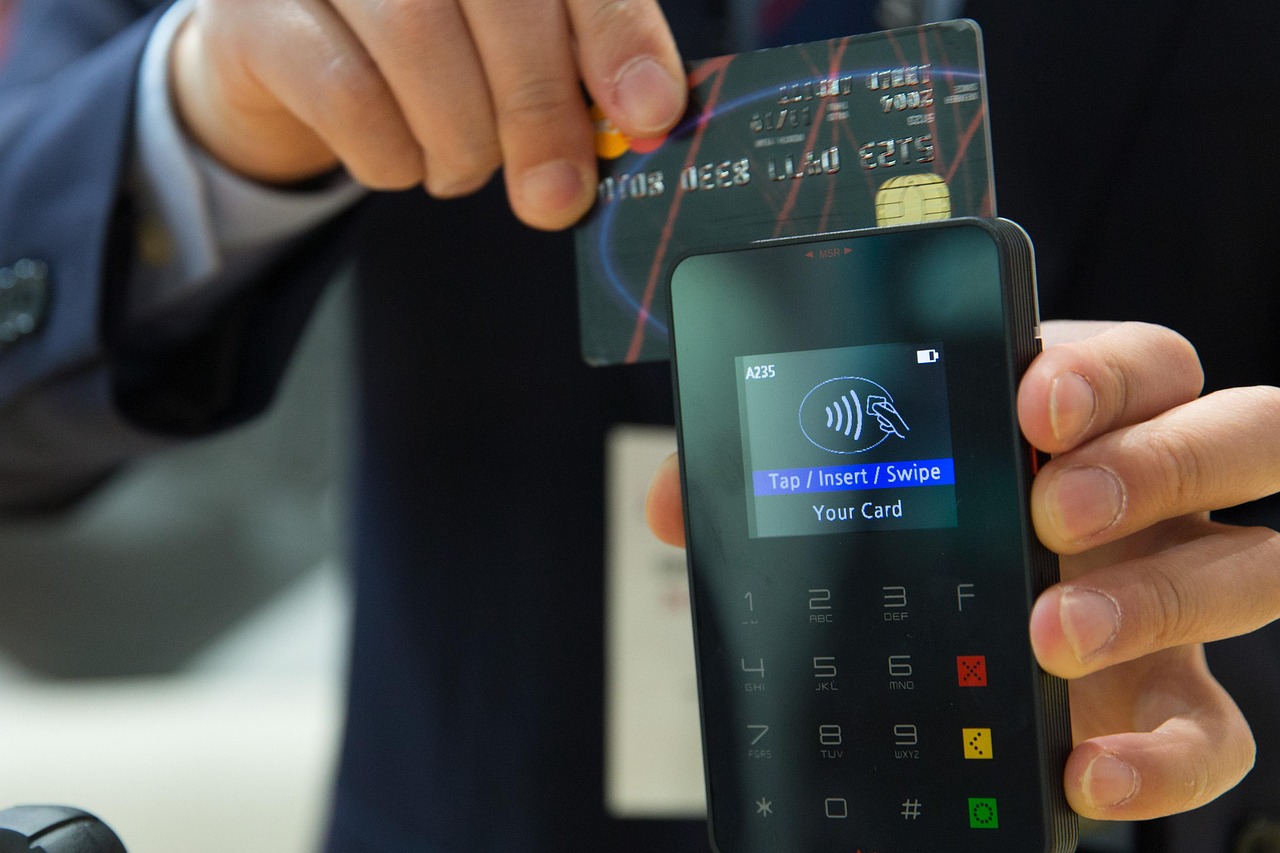
- Card reader integration: Check whether the card reader is physically integrated into the terminal or simply paired via Bluetooth — the latter introduces a wireless dependency that can be unreliable in busy environments.
- Printer and cash drawer: A true bundle should include a thermal receipt printer and a cash drawer, not just the screen and card reader, so you are not sourcing peripherals separately.
- Durability: For food and beverage businesses, consider splash resistance and ease of cleaning.
Software capability
- Inventory management with low-stock alerts
- Table or floor plan management (hospitality)
- Customer loyalty and CRM features
- Real-time cloud reporting accessible from any device
- Integrations with accounting platforms such as Xero or QuickBooks
Payment processing terms
Transaction rates vary considerably between providers. Ask for a written breakdown of the percentage rate per transaction, any monthly payment processing fee, and whether rates differ for contactless, chip-and-PIN, online or American Express cards. Locking into a long contract on the payment side can be costly if your volumes grow — or change in nature.
Support and training
Opt for a provider offering UK-based telephone support during your trading hours. On-site installation and training, even for an initial session, dramatically reduces the time-to-live for new deployments.
Comparing Bundle Tiers: What You Actually Get at Each Level
| Bundle Tier | Typical Hardware Included | Best For | Key Consideration |
|---|---|---|---|
| Entry-level tablet bundle | Tablet terminal, integrated card reader, compact printer | Market traders, pop-ups, sole traders | Check offline mode — connectivity can be unreliable at events |
| Counter-based retail bundle | 15" touchscreen, integrated card terminal, cash drawer, receipt printer, barcode scanner | Independent retailers, convenience stores, boutiques | Ensure the scanner supports GS1 barcodes and the software handles variants (size, colour) |
| Hospitality counter bundle | Touchscreen terminal, card reader, kitchen printer or KDS link, receipt printer | Cafés, quick-service restaurants, bakeries | Kitchen display system compatibility is often more valuable than a printed kitchen ticket |
| Full restaurant bundle | Multiple terminals, handheld ordering devices, integrated card readers, back-office display | Full-service restaurants, pubs with table service | Table-mapping and split-bill features are non-negotiable; verify these are included, not add-ons |
| Pharmacy or specialist bundle | Touchscreen, integrated card reader, label printer, age-verification prompts | Pharmacies, health retailers, regulated product sellers | Software must support dispensary workflows and prompt staff for age or medication checks |
How Much Does an Integrated POS Setup Cost in the UK?
Pricing for an integrated EPOS bundle in the UK varies according to hardware specification, software tier and whether payments are bundled into a monthly fee or charged per transaction separately. The figures below are indicative ranges based on what is typical across the UK market; treat them as budgeting guidance rather than firm quotes.
- Entry-level tablet bundles: typically from around £300–£600 as a one-off purchase, or from roughly £20–£40 per month on a subscription plan that includes software.
- Mid-range counter-based retail bundles: hardware costs typically fall in the £600–£1,200 range; software subscriptions for this tier usually run from approximately £30–£70 per month.
- Full hospitality or multi-terminal setups: hardware investment for a small restaurant or pub often ranges from around £1,500 to £3,000 or more; monthly software and support fees typically sit between £50 and £120 per month depending on the number of terminals and feature tier.
- Transaction rates: most UK providers charge somewhere between 1.5% and 2.5% per card transaction for standard debit and credit cards; rates differ for premium cards and international transactions.
If upfront capital is a concern, look at whether the provider offers finance options, rental plans or a fully subscription-based model where hardware is included in the monthly fee. Our guide to affordable EPOS systems for small businesses in the UK covers the most cost-efficient approaches in detail.
Retail vs Hospitality: The Differences That Actually Matter
The hardware may look similar, but the workflow requirements for a clothing boutique and a busy café diverge quickly once you go beneath the surface.
Retail priorities
- Fast barcode scanning at the point of sale
- Accurate stock management across sizes, colours and variants
- Customer loyalty points and gift card handling
- Returns, exchanges and refund workflows
- Click-and-collect or ecommerce integration
Hospitality priorities
- Rapid item entry — button-based menus rather than barcode scanning
- Course and modifier management (e.g. "no onions", "extra shot")
- Table plans, cover counts and booking integration
- Split bills and pay-at-table card processing
- Kitchen printer or display routing by section
Choosing a generic system that does not specialise in your environment means paying for features you will never use while missing the ones you need daily. EPOS Direct's guide to EPOS systems with integrated card payments explains how to match software architecture to sector requirements. If you are specifically a restaurant or food and beverage operator, explore our hospitality EPOS offers to see what a purpose-built bundle looks like in practice.
Common Pitfalls to Avoid When Buying a Bundled POS
- Assuming the card reader is fully integrated. Some bundles include a Bluetooth card terminal that is paired rather than wired. This works fine in low-volume environments but can introduce delays and disconnects during busy periods. Always confirm the integration method.
- Overlooking transaction rate lock-in. A low hardware price can mask a high transaction rate over a long contract. Model your actual card volumes and run the total cost of ownership over 24 and 36 months before deciding.
- Ignoring offline capability. If your broadband drops, can your till still process card payments? Some integrated systems offer offline queuing; others stop working entirely. This is especially important for businesses outside city centres or in premises with unreliable connectivity.
- Underestimating the value of local support. Remote-only support sounds acceptable until your terminal locks out on a Saturday lunchtime. Prioritise providers with UK-based phone support and a clear escalation path.
- Forgetting about software updates and PCI compliance. Payment security standards evolve. Confirm that the provider handles firmware and software updates as part of the service so you are not left running outdated payment software.
- Not asking about scalability. A system that works for one terminal today needs to grow with you. Check licence structures for adding terminals, users and locations before signing.
For a broader look at how wireless payment options fit into a growing business, our guide to wireless card machines for small businesses covers scenarios where mobility is a priority.
How EPOS Direct Makes It Easy to Get Started
EPOS Direct supplies purpose-built EPOS and POS bundles to UK businesses across retail, hospitality, pharmacy and specialist sectors. Every bundle is configured to work out of the box — hardware, software and payment integration tested together before it reaches your counter.
For retail businesses, you can view our retail EPOS offers to see current bundle configurations including hardware, software and support terms. For food service and hospitality operators, dedicated bundles with table management, kitchen display and pay-at-table card processing are available to review directly. If you would like to see the software before committing, a retail EPOS software demo or restaurant EPOS software demo lets you explore the interface and reporting at your own pace.
If you are in the early stages of evaluating options, the practical buyer's guide to till systems for small businesses is a useful companion read, covering the full decision journey from first requirements to final purchase. You can also visit the EPOS Direct home page for the latest offers, bundle configurations and information across all sectors.
The Direct Answer: What Is the Right Integrated POS Setup for Your Business?
An integrated POS system with a built-in card reader is the right choice for any UK business that wants a single, supported setup for managing sales and taking card payments. The best option depends on your sector — retail bundles should prioritise inventory management and barcode scanning, while hospitality bundles need table management and kitchen routing. Whatever your environment, verify that the card reader is genuinely integrated (not just Bluetooth-paired), confirm the transaction rates in writing, and ensure UK-based support is available during your trading hours.
Ready to Find the Right Bundle for Your Business?
EPOS Direct's team works with UK businesses every day to match the right hardware, software and payment configuration to each trading environment — from single-site independents to growing multi-location operators. If you have questions about which bundle suits your setup, talk to an expert online for straightforward, no-obligation guidance, or request a free demo to see the full system in action before making any commitment. Our team is also available to arrange a call back at a time that suits your schedule.
Written by the EPOS Direct UK team, who support UK retailers, restaurateurs and specialist businesses with EPOS and POS solutions every day. For further guidance, explore our complete guide to EPOS systems for small businesses or our definitive overview of EPOS and POS systems for UK businesses.
Frequently asked questions
- Do I need a separate merchant account if I buy a POS system with a card reader already included?
- It depends on the bundle. Some all-in-one POS packages include an integrated payment processing service so you can accept cards straight out of the box with no separate merchant account needed. Others supply the card reader hardware but require you to connect your own payment provider. Always confirm with the supplier whether payment processing is included or whether you need to arrange acquiring separately before you buy.
- How much should I expect to pay for an all-in-one till and card payment system in the UK?
- Entry-level bundles for a single till with a card reader typically start from around £300 to £600 for the hardware outright, or from roughly £25 to £60 per month on a rental or subscription plan. Mid-range systems suited to busy retail or hospitality environments usually range from £600 to £1,500 for hardware, with software licences adding £30 to £80 per month. Transaction fees on integrated card readers commonly sit between 1.2% and 1.75% per card payment, though rates vary by provider and monthly volume. EPOS Direct offers tailored quotes so you only pay for what your business actually needs.
- Will a POS system with an included card reader work with my existing broadband or is a dedicated connection required?
- Most modern POS systems with integrated card readers work over a standard broadband connection and many also support 4G or offline modes so you can keep taking payments if your internet drops. You do not usually need a dedicated line, but a stable, reliable connection is strongly recommended for real-time payment authorisation and cloud-based reporting. Check with your supplier whether the system has an offline fallback mode before committing.
