We use cookies to make your experience better.
To comply with the new e-Privacy directive, you agree to the privacy policy and our use of cookies

Honest EPOS System Reviews: What UK Retailers & Hospitality Businesses Need to Know
Honest EPOS System Reviews: What UK Retailers & Hospitality Businesses Need to Know

Choosing an EPOS system is one of the most consequential technology decisions a UK business owner will make — and with dozens of suppliers competing for attention, separating credible reviews from marketing copy is harder than it looks. The short answer is this: the best EPOS system for your business depends on your sector, transaction volume, integration needs and growth plans, and no single solution suits everyone. This guide cuts through the noise, explaining exactly what to look for in an EPOS review, how leading solutions compare across retail and hospitality, and what real UK buyers consistently report after switching.
Written by the EPOS Direct UK team, who work with independent retailers, restaurant groups, pharmacies and hospitality businesses across the United Kingdom every day.
What to Look for When Reading EPOS System Reviews
Most online reviews reflect a buyer's experience on a single day, with a single configuration. Before treating any review as gospel, apply these filters:
- Sector relevance: A glowing review from a café owner tells you almost nothing about suitability for a busy pharmacy or a multi-site fashion retailer. Always filter reviews by business type.
- Review recency: EPOS software evolves rapidly. Reviews older than 18 months may describe bugs that have since been fixed — or praise features that have since been paywalled.
- Hardware vs. software complaints: Many negative reviews conflate slow broadband, user error or third-party payment processor issues with the EPOS platform itself. Read critically.
- Support experience: UK businesses need UK-based support in their trading hours. Check whether reviewers mention response times, not just issue resolution.
- Total cost of ownership: A low headline monthly fee can mask expensive add-ons, card processing rates or costly hardware contracts. Reviews rarely break this down — our pricing section below does.
For a broader foundation before diving into reviews, our practical buyer's guide to the best till systems for small businesses covers the essential criteria in detail.
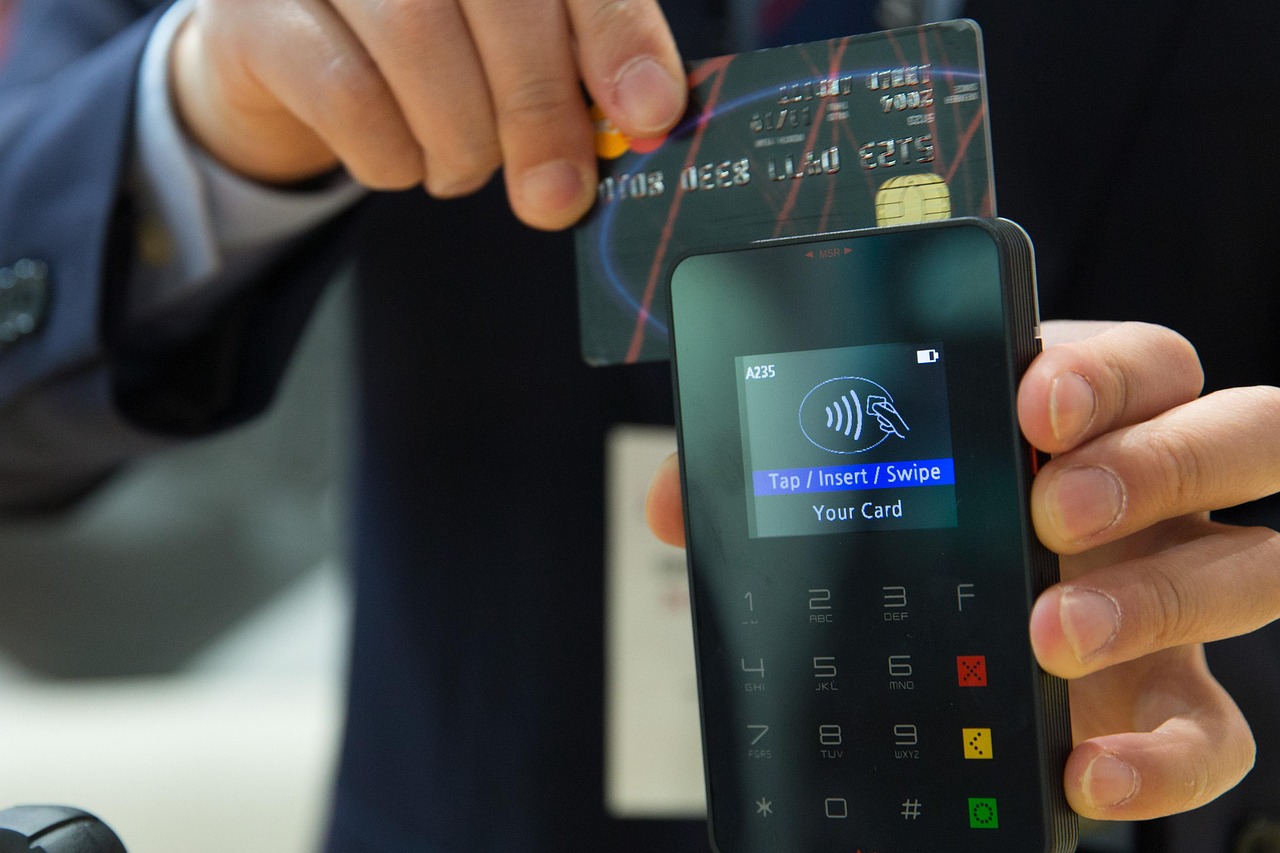
EPOS Systems Reviewed for UK Retail Businesses
Retail EPOS requirements centre on inventory depth, multi-location stock visibility, loyalty programmes and seamless payment processing. Here is how the main approaches compare:
Cloud-Based Retail EPOS
Cloud platforms update automatically, allow remote access to sales dashboards and integrate readily with e-commerce channels. They suit retailers who want flexibility and do not want to manage on-site servers. The trade-off is reliance on broadband — an offline mode is therefore non-negotiable.
Integrated Hardware and Software Bundles
Purpose-built retail bundles — combining a touchscreen terminal, barcode scanner, receipt printer and integrated card payment — reduce compatibility headaches and typically come with a single support contact. EPOS Direct's retail systems are built on this principle. You can explore current retail EPOS offers or book a retail software demo to see the interface before committing.
Tablet-Based POS for Retail
iPad or Android-based systems are popular with pop-up retailers and market traders for their low upfront cost. However, consumer-grade tablets are not built for eight-hour trading environments, and replacement costs accumulate quickly.
If integrated payments are a priority, our guide to the best EPOS systems with integrated card payments in the UK provides a thorough comparison of how payment processing sits within different retail platforms.
EPOS Solutions Reviewed for Hospitality and Restaurants
Hospitality places different demands on an EPOS: table management, kitchen display systems (KDS), split billing, allergen management and reservation integration all matter significantly. Reviews from pub landlords, restaurant managers and café owners consistently highlight three pain points: slow order routing, complex end-of-day reconciliation and unreliable offline mode during busy services.
What Hospitality Operators Actually Need
- Course-by-course order management and kitchen printing or KDS integration
- Floor plan management that mirrors the physical layout of the venue
- Allergen and dietary flagging compliant with UK food information regulations (Natasha's Law — verify requirements with the Food Standards Agency at food.gov.uk)
- Tronc and tip management to reduce payroll administration
- Real-time stock depletion as dishes are ordered
EPOS Direct's hospitality platform is designed around these requirements. You can see it in action via the restaurant EPOS software demo, or browse hospitality and restaurant EPOS offers tailored to venues of different sizes.
Key Features Compared: Software, Hardware and Payment Processing
The table below maps the most commonly reviewed feature categories against what genuinely matters for each business type — helping you identify which reviews are worth reading for your situation.
| Feature Category | Independent Retail | Multi-Site Retail | Café / QSR | Full-Service Restaurant | Pharmacy |
|---|---|---|---|---|---|
| Inventory management | Essential | Critical (multi-location) | Basic | Moderate | Critical (NHS lines) |
| Table / floor plan management | Not required | Not required | Useful | Essential | Not required |
| Kitchen display / printing | Not required | Not required | Useful | Essential | Not required |
| Loyalty & CRM | High value | High value | Moderate | Moderate | Useful |
| Integrated card payments | Essential | Essential | Essential | Essential | Essential |
| Offline mode | Important | Important | Critical | Critical | Important |
| Reporting & analytics | Important | Critical | Useful | Important | Critical |
| Specialist compliance tools | Low | Low | Allergen flagging | Allergen flagging | PMR / NHS integration |
Pharmacy owners should note that EPOS Direct offers a dedicated pharmacy platform — a pharmacy EPOS software demo is available to explore its specialist features.
How Much Do EPOS Systems Cost? UK Pricing Breakdown
This is the question every sensible buyer asks before committing — and one that reviews frequently skirt around. The following are honest indicative ranges based on what UK businesses typically pay in 2025 and 2026. They are guidance, not quotes; your actual cost will depend on terminal count, software tier, payment volumes and contract length.
Software Subscriptions
- Entry-level cloud software: typically from around £20–£50 per month per terminal for basic retail or hospitality functionality
- Mid-tier platforms with inventory management, loyalty and reporting: commonly £50–£120 per month per terminal
- Enterprise or multi-site licences: pricing is usually negotiated, but most setups fall between £150 and £400 per month for the software component alone
Hardware
- A single terminal bundle (touchscreen, printer, cash drawer): typically £500–£1,200 upfront, or available on finance/lease arrangements
- Handheld or tablet add-ons: typically £150–£400 per device
- Kitchen display systems: typically £300–£700 per screen
Payment Processing
Card processing fees in the UK vary by provider and volume, but businesses typically see rates between 0.5% and 2.5% per transaction depending on card type, volume commitments and whether they use the EPOS supplier's integrated payment solution or a third-party terminal. Integrated processing simplifies reconciliation but warrants rate comparison. See our guide to combined card machine and till systems for a detailed breakdown of how integrated payments affect total cost.
Things Reviewers Often Miss
- Installation and training fees (often £0 with a managed bundle, but can be £200–£600 if charged separately)
- Annual software licence renewals or price escalation clauses
- Out-of-hours support tiers — some suppliers charge extra for weekend or evening cover
For businesses prioritising value, our guide to the most affordable EPOS systems for small businesses explores how to get comprehensive functionality without overpaying.
What Real UK Customers Say About EPOS Direct
Across verified review platforms, EPOS Direct customers most frequently highlight three themes: the quality of the pre-sales consultation process (staff are described as knowledgeable rather than pushy), the robustness of the hardware under demanding retail and hospitality conditions, and the responsiveness of UK-based support. Critical feedback, where it appears, tends to focus on the learning curve of more advanced reporting features — which is common across enterprise-grade systems and is addressed through EPOS Direct's training resources.
Independent retailers appreciate that the system grows with them: many customers start with a single terminal and expand to multi-site configurations without switching platforms. Hospitality operators frequently cite kitchen display integration and the speed of the order routing as differentiators compared with previous systems they used.
If you would prefer to speak with someone directly before reading third-party reviews, you can talk to an EPOS expert online — the team can share case studies relevant to your specific sector and business size.
How to Choose the Right EPOS System for Your Business
A genuinely useful EPOS review process ends with a decision framework, not just a ranking. Work through these questions in order:
- What is your primary sector? Retail, hospitality, pharmacy and service businesses each have fundamentally different workflow requirements. Start here before comparing features.
- How many terminals do you need now — and in two years? A system that cannot scale without a platform change will cost you twice.
- Is integrated card payment important to you? Reconciliation is dramatically simpler when payment data flows directly into your EPOS reports. Our overview of EPOS systems with integrated card payments explains the options.
- What is your connectivity like? Any venue with unreliable broadband needs confirmed offline mode functionality — not a supplier's assurance that connectivity "usually isn't a problem".
- What does your busiest hour look like? Peak transaction speed, concurrent users and kitchen routing are all stress-tested during a demo — book one before you decide.
- What is the true monthly cost including payments? Calculate software, hardware finance (if applicable) and an estimated card processing cost at your transaction volume to get a realistic figure.
For small businesses at the earlier stages of this decision, our complete 2026 guide to EPOS systems for small businesses offers a structured starting point, and the EPOS Direct UK home page brings together current offers and detailed product information in one place.
The Direct Answer: Which EPOS System Should You Choose?
There is no universally "best" EPOS system — but there is a best one for your specific business. For UK retailers, the priority is inventory depth, integrated payments and scalability. For hospitality, table management, kitchen routing and offline reliability are non-negotiable. In both cases, a system backed by UK-based support and a credible track record in your sector will outperform a cheaper platform that leaves you troubleshooting alone during a Saturday evening service.
Ready to See It for Yourself?
EPOS Direct UK has been helping businesses across retail, hospitality and specialist sectors find the right system for their operation. Rather than relying solely on third-party reviews, the most reliable way to assess any EPOS platform is to see it running your workflows — not a generic demonstration, but a session shaped around your actual menu, product catalogue or dispensing requirements.
Request a free demo today, or if you have specific questions before committing any time, request a call back from the EPOS Direct team. There is no obligation, and the conversation will give you a far more reliable picture of fit than any review alone.
Frequently asked questions
- Are EPOS systems worth it for a small UK retail shop?
- Yes, for most small UK retailers an EPOS system pays for itself quickly through faster transactions, reduced stock errors and better sales reporting. Entry-level systems from EPOS Direct start from around £299 upfront for a basic till setup, with monthly software plans typically ranging from £20 to £60 per month depending on features. The efficiency gains and stock control alone tend to offset the cost within the first few months of trading.
- How reliable is the after-sales support when buying an EPOS system in the UK?
- Support quality varies significantly between providers. Look for UK-based customer service, ideally with phone and live chat options during trading hours. EPOS Direct offers dedicated UK support with installation assistance and ongoing helpdesk access, which is a key factor that repeatedly appears in positive customer reviews compared to overseas-based competitors.
- Can I use an EPOS system for both a physical shop and an online store?
- Many modern EPOS systems, including those offered by EPOS Direct, support omnichannel selling, meaning your physical till and online store share the same stock levels and sales data in real time. This is especially useful for UK retailers running a bricks-and-mortar shop alongside an e-commerce presence, as it eliminates manual stock reconciliation and reduces the risk of overselling.
