We use cookies to make your experience better.
To comply with the new e-Privacy directive, you agree to the privacy policy and our use of cookies

Best Tablet POS Systems for Small Restaurants in the UK: A Practical Buyer's Guide
Best Tablet POS Systems for Small Restaurants in the UK: A Practical Buyer's Guide

Tablet-based point-of-sale systems have become the practical choice for small UK restaurants that want professional-grade functionality without the bulk, expense, or rigidity of legacy till hardware. The right system combines intuitive touchscreen ordering, integrated payments, and real-time reporting in a compact form factor that suits everything from a neighbourhood bistro to a busy café. This guide cuts through the noise to help independent operators make a confident, informed decision.
Written by the EPOS Direct UK team, who work with independent hospitality businesses across the United Kingdom every day, helping them select, deploy, and get the most from their POS systems.
Why Small Restaurants Are Switching to Tablet-Based POS Systems
The shift away from bulky, monolithic tills is driven by practical necessity rather than fashion. Space is a premium in most independent restaurants, and a 10- or 15-inch tablet mounted on a slim stand takes a fraction of the counter footprint of a traditional system. Beyond space, the operational benefits compound quickly:
- Lower upfront cost: Tablet hardware is significantly cheaper than purpose-built POS terminals, making a full system accessible to operators with modest budgets.
- Portability: Staff can carry a tablet to tableside for orders, splitting bills, or processing card payments on the spot — reducing errors and improving the guest experience.
- Faster updates: Cloud-connected tablet systems update software automatically, so menu changes, price adjustments, and new features roll out without an engineer visit.
- Scalability: Adding a second terminal for a new station, or expanding to a second site, is straightforward — you add hardware, not an entirely new system.
- Integration-ready: Modern tablet POS platforms connect natively with kitchen display systems (KDS), online ordering, accounting software, and loyalty programmes.
For independent operators exploring their broader options, our guide to EPOS systems for small businesses provides a helpful wider context before focusing specifically on restaurant requirements.
Key Features to Look for in a Restaurant Tablet POS System
Not every tablet POS is built for the demands of a food-service environment. A system that performs brilliantly in a retail boutique can fall apart under the pressure of a Friday dinner service. When evaluating options, prioritise the following:
Table and Floor Plan Management
A visual floor plan allows staff to map open covers, track course progress, and manage walk-ins efficiently. Look for drag-and-drop table layouts that mirror your actual room configuration, with colour-coded status indicators.
Kitchen Printing and KDS Integration
Orders fired directly from a server's tablet to a kitchen printer or display screen eliminate the paper-ticket bottleneck. Ensure the system supports multiple print zones — so starters go to the cold section and mains to the grill — without requiring a workaround.
Menu Modifiers and Allergen Flags
Under UK food labelling law (Natasha's Law, enforced since October 2021), pre-packed-for-direct-sale foods require full ingredient and allergen labelling. While EPOS systems don't replace your legal compliance obligations, a good POS should let you attach allergen information to menu items, flag modifications, and print warnings on customer receipts. Consult the Food Standards Agency for definitive compliance guidance.
Integrated Payments
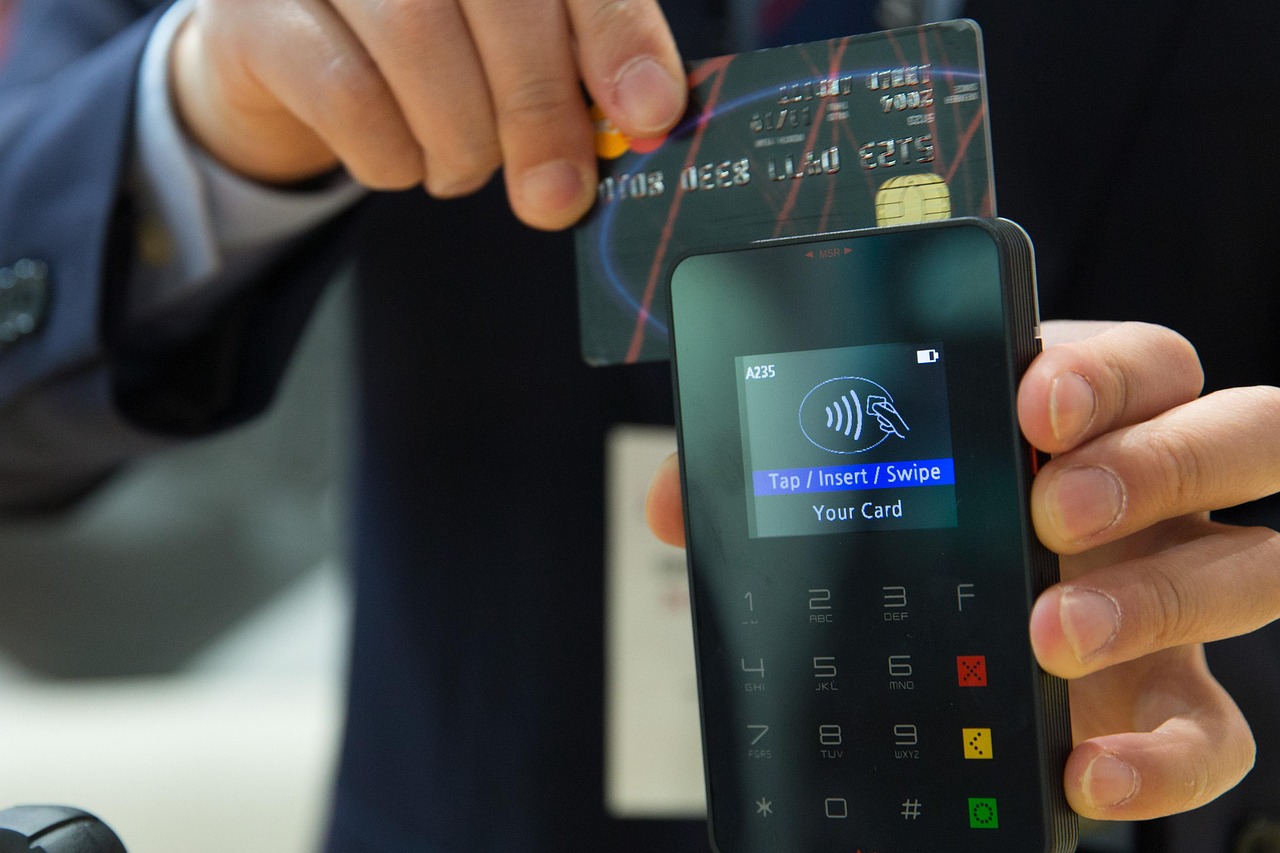
A seamlessly integrated card reader — one that talks directly to your POS without manual amount entry — reduces human error and speeds up the payment process. Our dedicated guide to combining a card machine with a till system explains exactly what to look for in an integrated setup.
Offline Functionality
Internet connectivity fails. Any system you rely on during a busy service must be able to process orders and payments locally when the connection drops, then sync automatically when it is restored.
Reporting and End-of-Day Reconciliation
Real-time sales dashboards, cover counts, product mix reports, and staff performance data help you manage labour costs and stock more intelligently. Look for reports accessible from a smartphone as well as the main terminal.
Cloud-Based vs. Traditional POS: Which Is Right for Your Restaurant?
This is the question most independent operators grapple with when upgrading their systems. The honest answer depends on your specific circumstances.
| Factor | Cloud-Based Tablet POS | Traditional On-Premise POS |
|---|---|---|
| Upfront cost | Lower — software is subscription-based | Higher — licence often purchased outright |
| Ongoing cost | Monthly subscription (typically £30–£120/month depending on features) | Lower monthly cost but higher maintenance fees |
| Remote access | Full access from any device, anywhere | On-site access only unless VPN configured |
| Updates | Automatic, included in subscription | Manual, may require paid upgrades |
| Offline resilience | Varies — check each provider's offline mode | Fully local — unaffected by internet outage |
| Data security | Provider manages backups and encryption | Operator responsible for backups |
| Best for | Growing restaurants, multi-site operators, tech-comfortable owners | Operators with unreliable broadband or preference for local control |
For most small UK restaurants opening today, a cloud-based tablet system offers the best balance of cost, flexibility, and future-proofing. If your venue is in an area with patchy connectivity, ensure the provider you choose has a robust offline mode — and test it before committing.
How Much Does a Tablet POS System Cost for a Small UK Restaurant?
Cost is rarely a single number — it is a combination of hardware, software, payment processing, and support. Here are honest indicative ranges based on what small UK restaurants typically encounter:
Hardware
- Tablet (10–15 inch): typically from £150 to £450 per unit, depending on brand and specification
- Tablet stand or enclosure: typically from £40 to £150
- Receipt printer: typically from £80 to £200
- Kitchen printer or KDS screen: typically from £100 (printer) to £400 (display screen) per zone
- Card reader: typically from £20 to £100 for a Bluetooth reader integrated with your POS
A single-terminal setup covering till, receipt printing, and card payments can be assembled for approximately £350–£800 in hardware, though this varies considerably with specification choices. Bundled hardware packages from specialist suppliers often represent better value than purchasing components separately.
Software
Cloud-based restaurant POS software in the UK typically ranges from around £30 to £120 per month per terminal, depending on the feature set. Some providers offer tiered plans — a lighter plan for a single site with basic reporting, and a fuller plan including advanced reservations, online ordering integration, and multi-site management.
Payment Processing
Transaction fees vary by provider and volume. Most UK restaurant operators on card-integrated systems pay somewhere between 1% and 2.5% per transaction depending on the card type and their monthly turnover. It is worth reading our overview of wireless card machines for small businesses to understand your payment hardware and processing options clearly before signing anything.
Total Cost of Ownership
For a small restaurant with one or two terminals, most operators find their all-in monthly cost — software subscription, payment processing, and any support plan — falls between approximately £80 and £200 per month. This is considerably lower than legacy system equivalents once maintenance and upgrade costs are factored in. For a broader view of affordable options, our guide to the most affordable EPOS systems for small businesses is worth reading alongside this one.
Top Hardware Options: Choosing the Right Tablet, Stand, and Peripherals
Your hardware choices have a direct impact on reliability, staff usability, and the impression you make on customers. A few practical considerations:
Tablet Selection
iPad-based systems remain the most widely supported in the UK hospitality sector, with a broad ecosystem of compatible accessories and well-optimised software. Android tablets offer more price flexibility and are increasingly well-supported by leading POS platforms. Whichever you choose, opt for a commercial-grade or semi-commercial specification — consumer tablets are not designed for continuous all-day operation in warm, humid kitchen environments.
Stands and Enclosures
A robust, lockable enclosure protects your investment and presents a professional appearance at the point of sale. Swivel stands that rotate towards the customer for signature or PIN entry are particularly practical at the host station or bar. For tableside ordering, consider a rugged case with a hand strap rather than a fixed stand.
Printers and Kitchen Output
Thermal receipt printers are the standard choice — fast, reliable, and cheap to run (no ink). For the kitchen, thermal printers cope well with heat and steam, but a kitchen display screen eliminates consumable costs entirely and allows chefs to mark courses as complete in real time, which flows back to the front-of-house view.
Cash Drawer
Even in an increasingly cashless environment, a cash drawer remains important for a significant proportion of UK hospitality venues. Choose a model that connects directly to your receipt printer for automatic open-on-sale, rather than relying on a separate trigger.
How EPOS Direct Supports UK Restaurants From Setup to Ongoing Support
Choosing the right technology is only half the challenge — implementation and ongoing support determine whether the system actually delivers value in the real world. EPOS Direct's approach is built around the practical needs of independent UK operators:
- Pre-configured hardware: Systems arrive ready to use, minimising setup time and reducing the risk of configuration errors.
- UK-based support: Access to experienced support staff who understand the specific requirements of UK hospitality businesses — not a generic offshore helpdesk.
- Software tailored to restaurants: The EPOS Direct platform includes table management, kitchen output, allergen flagging, and reporting designed for food-service operations. You can explore the restaurant EPOS software with a free demo before making any commitment.
- Flexible hardware and software packages: Whether you need a single tablet setup for a small café or a multi-terminal configuration for a busier venue, the team can build a package around your requirements. View current hospitality and restaurant EPOS offers to understand what is available right now.
- Training included: Staff training is part of the onboarding process, not an optional extra, because even the best system delivers poor results if the team does not know how to use it.
If you are also evaluating systems for a different type of business, the complete guide to EPOS Direct's POS systems for UK businesses provides a useful overview of the full product range.
Getting Started: Steps to Choosing and Deploying Your Tablet POS System
A structured approach prevents costly mistakes and ensures you deploy a system that genuinely fits your operation rather than one you will want to replace in 18 months.
- Map your workflow: Before contacting any supplier, document how orders flow from the customer through to the kitchen and back. Identify every pain point in your current process.
- Define your must-haves: Separate non-negotiable requirements (e.g. integrated card payments, kitchen printing, allergen flagging) from nice-to-haves (e.g. loyalty programme, online ordering integration).
- Set a realistic budget: Factor in hardware, software, payment processing, and support — not just the initial purchase price. Use the ranges above as a starting framework.
- Request a live demo: Never buy a POS system without seeing it operate under simulated service conditions. Ask to run through a real order flow — modifiers, split bills, course firing — not just the headline features. Request a free demo from EPOS Direct to see the system in action.
- Check broadband and network infrastructure: Confirm your venue has reliable Wi-Fi coverage across all areas where tablets will operate. A Wi-Fi dead spot at the bar is a service problem waiting to happen.
- Plan the go-live: Schedule deployment during a quiet period — not before a bank holiday weekend. Run the new system in parallel with your existing setup for at least one full service if possible.
- Train the whole team: Include everyone — not just managers. A part-time kitchen porter who handles late receipts needs to know their way around the basics too.
If you have specific questions about your situation before taking any of these steps, the simplest move is to talk to an EPOS Direct expert online — the team can advise on the right configuration for your specific venue type, size, and budget without any obligation.
Making Your Decision With Confidence
A well-chosen tablet POS system transforms the daily operation of a small restaurant — reducing errors, accelerating service, and giving the owner genuinely useful data for the first time. The technology is mature, the options are broad, and the costs are accessible for independent operators. The key is matching the system to your specific workflow rather than buying on features you will never use.
EPOS Direct has helped hundreds of UK hospitality businesses — from single-site neighbourhood restaurants to growing multi-location groups — make this transition successfully. Visit the EPOS Direct homepage for current offers and more information, or take the next step today: explore our restaurant EPOS packages and find a system built for the way your kitchen actually works.
Frequently asked questions
- What hardware do I actually need to run a tablet POS in my small restaurant?
- At a minimum you will need a tablet (typically an iPad or Android device), a tablet stand or enclosure, a receipt printer, a cash drawer if you handle cash, and a card payment terminal. Many UK suppliers including EPOS Direct offer bundled starter kits that combine all of these, which makes setup straightforward and can reduce upfront cost compared to buying items separately.
- How much should I budget for a tablet POS system as a small restaurant owner in the UK?
- Costs vary depending on the number of terminals and features you need, but as a general guide UK small restaurant owners typically spend between £500 and £1,500 on hardware for a single-terminal setup. Monthly software licences usually range from £30 to £80 per terminal. EPOS Direct offers tailored packages so you only pay for what your business actually needs, and finance options are available to spread the upfront cost.
- Will a tablet POS system work if my restaurant loses its internet connection?
- Most modern cloud-based tablet POS systems, including those available from EPOS Direct, include an offline mode that allows you to continue taking orders and payments even when your broadband drops. Transactions are then synced automatically once connectivity is restored, so you will not lose any data or sales during an outage.
