We use cookies to make your experience better.
To comply with the new e-Privacy directive, you agree to the privacy policy and our use of cookies

The Complete Guide to Choosing a Retail Till System for Your UK Shop
Retail Till Systems: Everything UK Shop Owners Need to Know
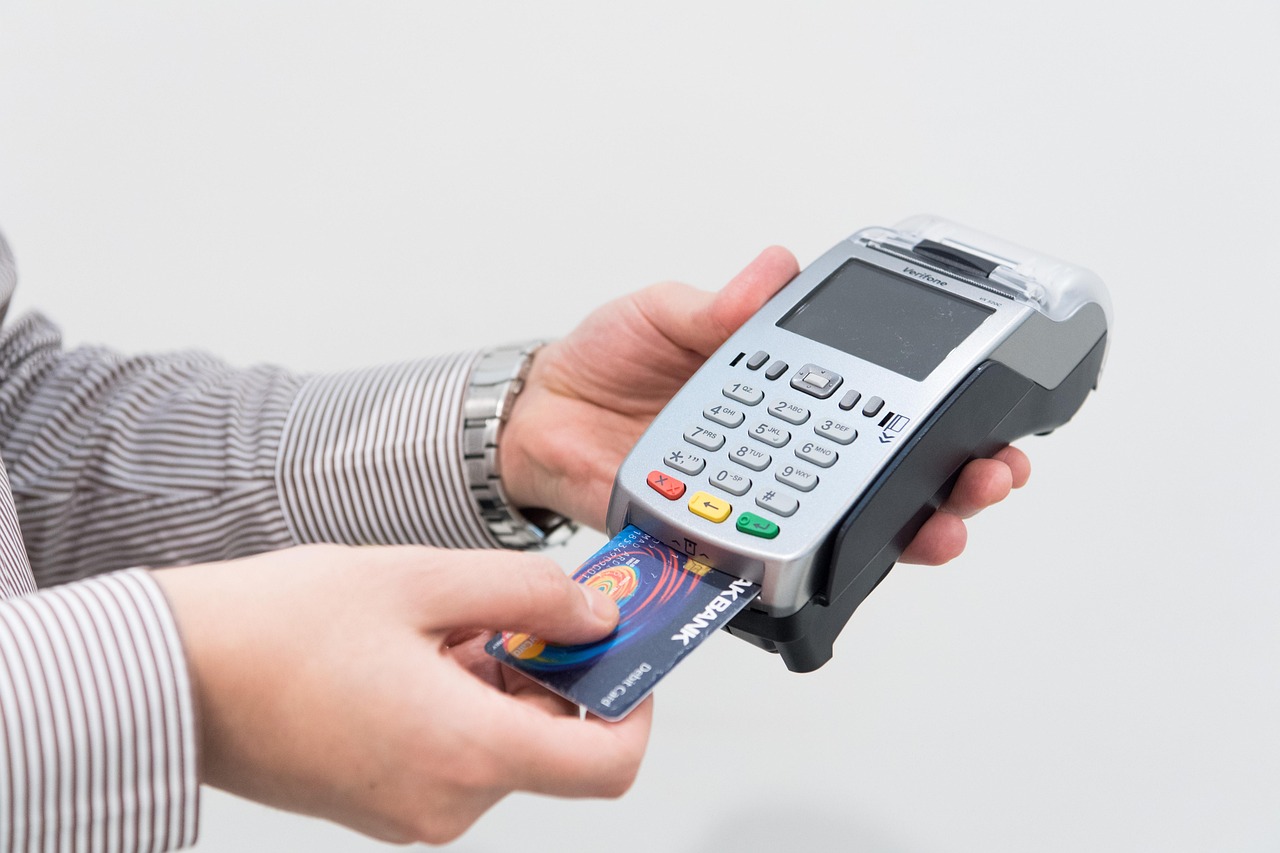
A reliable till system sits at the heart of every successful retail operation — processing sales, tracking stock, managing staff and keeping the books straight, all from a single point. Whether you're opening your first shop or upgrading ageing hardware, choosing the right electronic point of sale (EPOS) setup can genuinely transform how efficiently your business runs. This guide covers everything UK retailers need to make a confident, well-informed decision.
What Is a Retail Till System and How Does It Work?
A modern retail till system is far more than a cash drawer and a receipt printer. At its core, it combines hardware — a touchscreen terminal, barcode scanner, card reader and printer — with intelligent software that records every transaction, updates stock levels in real time, and feeds data into your reporting dashboards. Cloud-based systems sync that data across multiple terminals, meaning your end-of-day figures are ready before you've locked the door.
The key shift over the past decade is that EPOS software now drives the value, not the hardware. The terminal is simply the interface; the real work happens in the software layer — managing product catalogues, loyalty programmes, supplier orders and VAT reporting simultaneously. For UK retailers subject to Making Tax Digital requirements, having structured digital records captured at the point of sale is no longer optional — it's good housekeeping that keeps you compliant. (Verify your specific MTD obligations at HMRC's Making Tax Digital guidance.)
Key Features to Look for in a Modern Retail EPOS System
Not every system suits every shop. A garden centre has very different needs from a fashion boutique or a convenience store. When evaluating options, weight these capabilities against your specific operation:
- Inventory management: Real-time stock tracking with low-stock alerts, variant support (size, colour, weight) and multi-location visibility if you run more than one site.
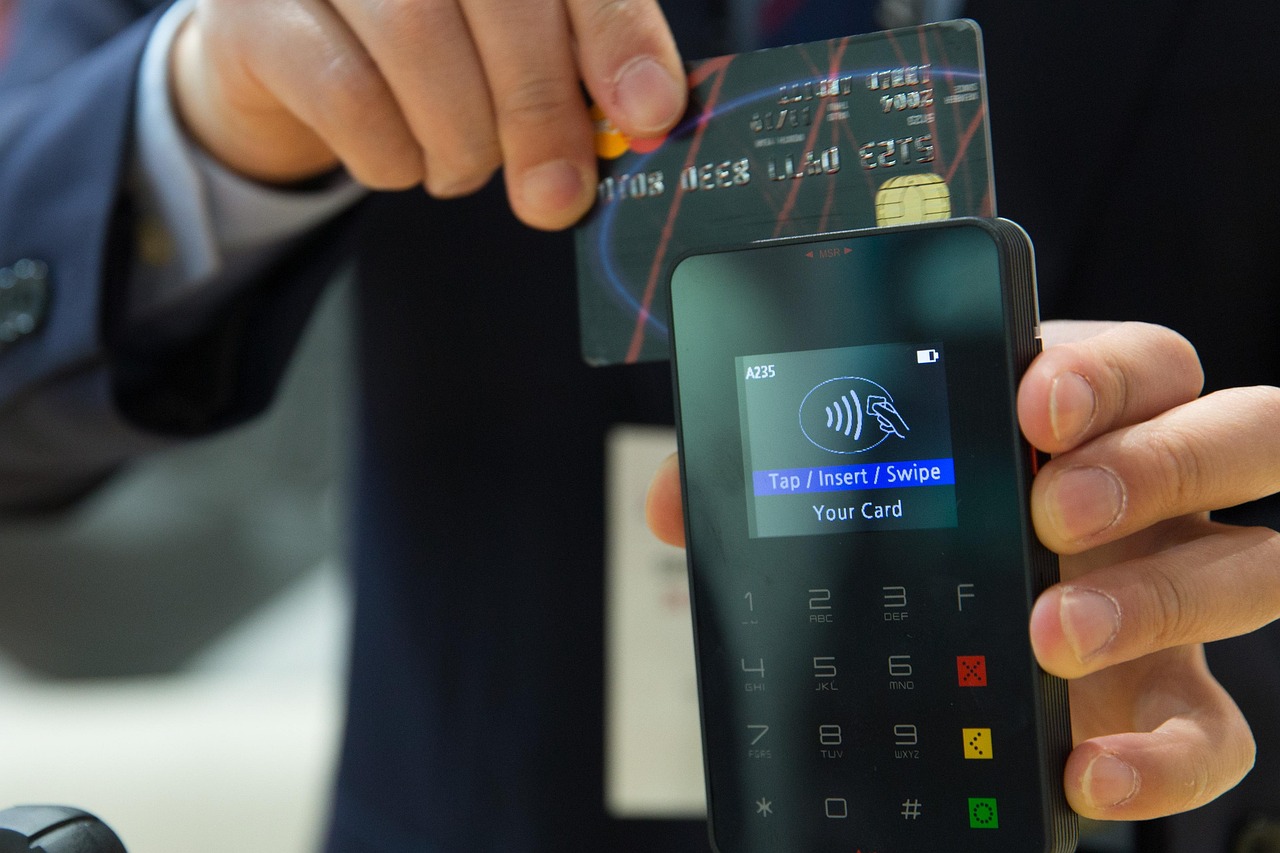
- Integrated card payments: A single, unified system where the card machine talks directly to the till removes manual keying errors and speeds up queues. See our guide to combining a card machine and till system for a deeper look at how integration works in practice.
- Reporting and analytics: Hourly sales breakdowns, bestseller reports, staff performance data and margin analysis — accessible from your phone, not just the back office.
- Customer and loyalty tools: Stored customer profiles, points schemes and email marketing integration help independent retailers compete with larger chains.
- Barcode and label printing: Essential for clothing, food retail and any shop that prices its own goods. The system should support standard label formats out of the box.
- Staff management: Clock-in/clock-out, permissions by role and individual sales tracking keep accountability clear across a team.
- Promotions engine: Ability to schedule discounts, multi-buy deals and seasonal pricing without manually editing every product.
If your shop sells apparel, our dedicated article on the best EPOS systems for clothing shops in the UK goes into the specific features — matrix stock management, fitting-room returns and style reporting — that make or break a fashion retail setup.
Cloud-Based vs Traditional Till Systems: Which Is Right for Your Shop?
This is the question almost every buyer asks first, and the honest answer depends on your internet reliability, budget model and appetite for remote management.
| Consideration | Cloud-Based EPOS | Traditional (Server-Based) EPOS |
|---|---|---|
| Data storage | Hosted remotely; accessible from anywhere | Stored on a local server or terminal |
| Software updates | Automatic, included in subscription | Manual; may incur update costs |
| Internet dependency | Requires stable broadband; offline mode advisable | Fully functional without internet |
| Scalability | Add terminals or locations quickly | Hardware and licensing changes required |
| Remote reporting | Full dashboard on any device, any location | Limited to on-site access |
| Upfront cost | Lower — hardware only, software subscription | Higher — server, licences, installation |
| Typical fit | Most independent and multi-site retailers | Retailers in areas with unreliable connectivity |
For the vast majority of UK independent retailers, a cloud-based system delivers greater long-term value: automatic updates mean you're never running outdated software, and remote reporting lets you check daily takings without setting foot in the shop. A good system will also include an offline mode so sales continue even if your broadband drops temporarily.
How Much Does a Retail Till System Cost in the UK?
Cost is understandably one of the first questions retailers ask, and the range is wider than most people expect. Pricing depends on hardware specification, software tier, number of tills and whether payment processing is bundled.
Indicative price ranges (UK market, 2024–2025)
- Entry-level single-terminal setup (touchscreen, integrated card reader, receipt printer, basic EPOS software): typically from around £300–£600 upfront for hardware, plus a software subscription from approximately £20–£50 per month.
- Mid-range full retail bundle (touchscreen terminal, barcode scanner, receipt printer, cash drawer, card machine, full-featured cloud EPOS): hardware bundles typically fall in the £500–£1,200 range, with software licences generally between £40–£100 per month depending on features and support level.
- Multi-terminal or multi-site setups: hardware costs scale per till, while software costs may reduce on a per-terminal basis with volume. Total investment across three or more terminals commonly sits in the £1,500–£4,000+ range for hardware.
These are indicative market ranges only — your actual investment will depend on the specific configuration, contract length and any ongoing support package. Payment processing fees are separate and are typically a small percentage per transaction, charged by the acquiring bank or payment provider.
Retailers focused on keeping costs lean should also read our guide to the most affordable EPOS systems for small businesses in the UK, which maps budget-conscious options without sacrificing the features that matter most.
If you'd prefer a no-obligation conversation about what a setup would cost for your specific shop, you can talk to an expert online — no pushy sales script, just practical guidance.
Choosing the Right Hardware: Touchscreens, Scanners and Receipt Printers
Software aside, the hardware you choose needs to survive a retail environment — busy checkouts, accidental knocks, and sustained daily use across multiple staff. Here's what to prioritise at each component level:
Touchscreen terminals
Look for a screen size of at least 15 inches for a fixed checkout position — larger displays reduce errors when staff are navigating busy product catalogues. Capacitive touchscreens respond accurately even to light touch, which keeps queues moving. Consider all-in-one units (where the computer is built into the screen stand) to reduce cable clutter and simplify installation.
Barcode scanners
A handheld USB or wireless scanner is sufficient for most retail environments. If your shop handles a high volume of grocery or convenience items, a hands-free presentation scanner (flat glass unit, like those seen at supermarket checkouts) significantly improves throughput. Ensure your chosen scanner supports both 1D barcodes (standard retail) and 2D QR codes if you plan to use loyalty or digital receipt features.
Receipt printers
Thermal receipt printers are the standard choice — they're fast, quiet and require no ink. Look for a unit with auto-cut, a paper width of 80mm (industry standard), and connectivity options that match your setup (USB, Ethernet or Bluetooth). A printer that supports email receipt options as well as paper can reduce your consumables spend and appeals to eco-conscious customers.
Cash drawers and customer displays
A sturdy steel cash drawer connected via the receipt printer's kick signal is reliable and low-cost. A customer-facing display showing the transaction total and any promotional messages adds a professional finish and can reduce disputes at the checkout.
For retailers also evaluating payment hardware independently, our guide to the best wireless card machines for small businesses in the UK covers the leading options and what to look for in transaction speed, connectivity and pricing.
How a Retail Till System Integrates with Stock Management and Payments
Integration is where a modern EPOS system pays for itself. When your till, stock system and payment terminal are connected — sharing a single database — the operational benefits compound quickly.
Real-time stock synchronisation
Every sale automatically deducts from stock. Every return credits back. If a product falls below your reorder threshold, the system flags it — or can generate a purchase order automatically if you've set up supplier integration. For multi-site retailers, stock can be transferred between locations and tracked centrally, eliminating the spreadsheet juggling that consumes hours each week.
Integrated card payments
When a card machine is directly integrated with the EPOS software (rather than being a standalone device), the till sends the payment amount directly to the terminal. There's no manual entry by the cashier, which eliminates over- and under-charging, and the reconciliation at end of day is automatic. Card and cash totals balance against the EPOS record without manual cross-referencing.
Accounting and e-commerce connections
Leading retail EPOS systems connect to accounting packages (such as Xero or Sage) via direct integration or API, so your sales data flows into your books without re-keying. If you sell online as well as in-store, integration with platforms keeps stock levels aligned — so you're never selling something on your website that sold out in the shop an hour ago.
For a broader look at how EPOS software fits together across a small retail business, the complete 2026 guide to EPOS systems for small businesses covers the full picture — from software selection to day-one setup.
Why UK Retailers Choose EPOS Direct for Their Till Systems
EPOS Direct is a UK-based EPOS provider with years of experience helping independent retailers, convenience stores, clothing boutiques, garden centres and multi-site chains find and implement systems that fit the way they actually work. Unlike generalist IT resellers, the team focuses exclusively on point of sale — which means the advice, hardware selection and post-installation support all come from people who understand retail operations, not just technology.
What sets the EPOS Direct approach apart
- Retail-specific software: The platform is built for retail — not adapted from a hospitality or generic CRM tool. Promotions, variant stock, loyalty and reporting are all designed around how shops sell.
- UK-based support: When something goes wrong at 9am on a Saturday — the busiest hour of your week — support from a team based in the UK, familiar with your setup, matters enormously.
- Flexible hardware bundles: Systems are specified to match your shop's footprint, not sold as one-size-fits-all packages. A single-till convenience store and a three-terminal clothing boutique need different configurations.
- Transparent pricing: No hidden licence costs or surprise fees when you add a second till. Visit the EPOS Direct home page for the latest offers and information to explore current packages.
The best way to assess whether the system suits your specific shop is to see it running. You can explore the retail EPOS software demo online at your own pace, or browse the current retail EPOS offers to understand what's included at each level.
Small business owners comparing broader options will also find value in the practical buyer's guide to the best till systems for small businesses in the UK, which walks through the key decision points without brand bias.
Making the Right Choice for Your Shop
A well-chosen retail EPOS system is not an overhead — it's infrastructure that pays back through faster queues, fewer stock errors, sharper buying decisions and less time spent on manual administration. The right setup for your shop depends on your sector, the number of tills you need, your payment preferences and how much you want remote visibility into your daily performance.
EPOS Direct UK helps retailers at every stage of that journey, from first-time buyers to businesses moving off legacy systems. If you're ready to take the next step, request a free demo and see how a purpose-built retail EPOS system performs in practice — or request a call back and a member of the team will walk through your specific requirements with no obligation.
Written by the EPOS Direct UK team, who work with UK retailers, independent shops and multi-site businesses every day to specify, install and support EPOS systems that fit the way real shops operate.
Frequently asked questions
- How much should I expect to pay for a till system for my shop in the UK?
- Costs vary based on your setup. A basic single-till package from a UK EPOS provider typically starts around £300–£500 for entry-level hardware with a monthly software licence from around £20–£50 per month. A mid-range system with a touchscreen terminal, barcode scanner, receipt printer and integrated card payments usually costs £600–£1,200 upfront, with software from £40–£80 per month. Multi-till or multi-site setups will be priced on request. EPOS Direct UK offers tailored quotes so you only pay for what your retail business actually needs.
- Can I use my existing card payment terminal with a new retail EPOS system?
- It depends on the provider and the terminal model. Many modern EPOS systems support integrated card payments through partnerships with major payment processors, meaning your card terminal communicates directly with the till to eliminate manual entry errors. If you have an existing contract with a payment provider, check compatibility before committing to a new system. EPOS Direct can advise on integrated payment options that work seamlessly with their retail till packages.
- Do I need an internet connection for my retail till system to work?
- Cloud-based EPOS systems require an internet connection to sync data in real time, but most reputable providers — including EPOS Direct — offer an offline mode so your till keeps processing sales even if your connection drops. Traditional on-premise systems store data locally and do not depend on the internet, but they miss out on remote reporting and automatic software updates. For most UK retail shops, a cloud-based system with offline capability offers the best of both worlds.
