We use cookies to make your experience better.
To comply with the new e-Privacy directive, you agree to the privacy policy and our use of cookies

What Is an EPOS System and How Does It Work? A Plain-English Guide for UK Businesses
What Is an EPOS System and How Does It Work? A Plain-English Guide for UK Businesses
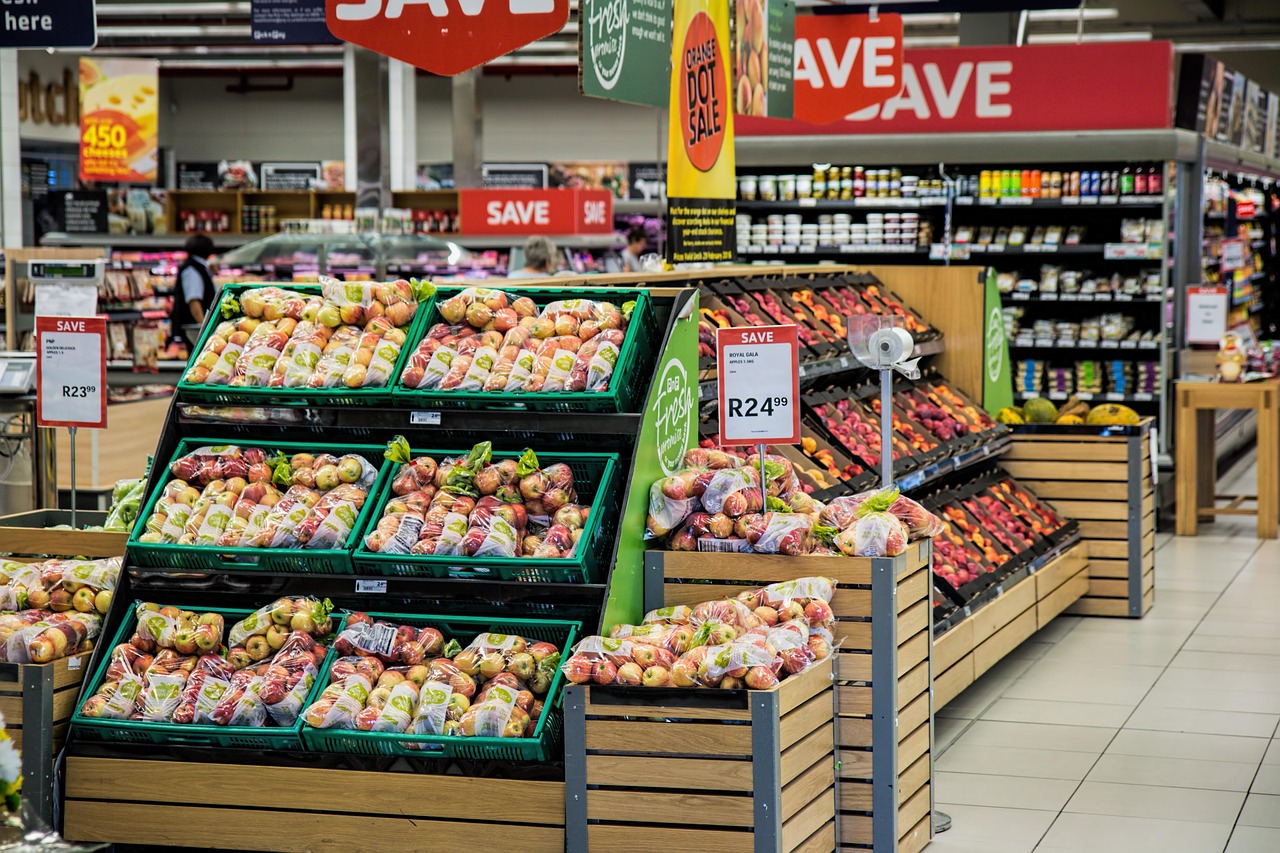
An EPOS system — Electronic Point of Sale — is a combination of hardware and software that processes sales transactions, manages stock, and generates business intelligence in real time. Unlike a traditional cash register, a modern EPOS system connects every sale to your inventory, your accounts, and your customer data automatically. For UK retailers, hospitality operators, and service businesses alike, the right EPOS setup transforms the till from a simple payment tool into the operational backbone of the entire business.
EPOS Systems Explained: The Basics Every UK Business Owner Needs to Know
The term "EPOS" is used widely across the UK to describe any computerised point-of-sale setup, from a single touchscreen terminal in an independent café to a multi-site retail estate with centralised stock control. At its simplest, an EPOS system replaces the manual cash register with intelligent software that records what was sold, when, at what price, and by whom — every time a transaction takes place.
This data does not sit idle. It flows instantly into stock management, sales reporting, and (where integrated) accounting platforms, giving business owners a live picture of performance without the need for manual reconciliation at the end of the day. The result is less guesswork, fewer errors, and far sharper control over margins.
If you are exploring options for the first time, our complete guide to EPOS and POS systems for UK businesses provides a useful broader overview of how the market is structured and what to look for in a provider.
Key Components of an EPOS System: Hardware, Software and Payment Processing
A complete EPOS setup comprises three interdependent layers. Understanding each one helps you evaluate quotes accurately and avoid paying for components you do not need — or missing ones you do.
Hardware
- Touchscreen terminal or tablet: The main interface for staff. Dedicated EPOS terminals tend to be more robust; tablet-based systems offer flexibility and lower upfront cost.
- Receipt printer: Thermal printers are standard; some hospitality operations also use kitchen printers to relay orders directly to the pass.
- Barcode scanner: Essential for retail; typically a USB or Bluetooth handheld unit used at the till and during stocktakes.
- Cash drawer: Connects to the terminal and opens automatically when a cash transaction is processed.
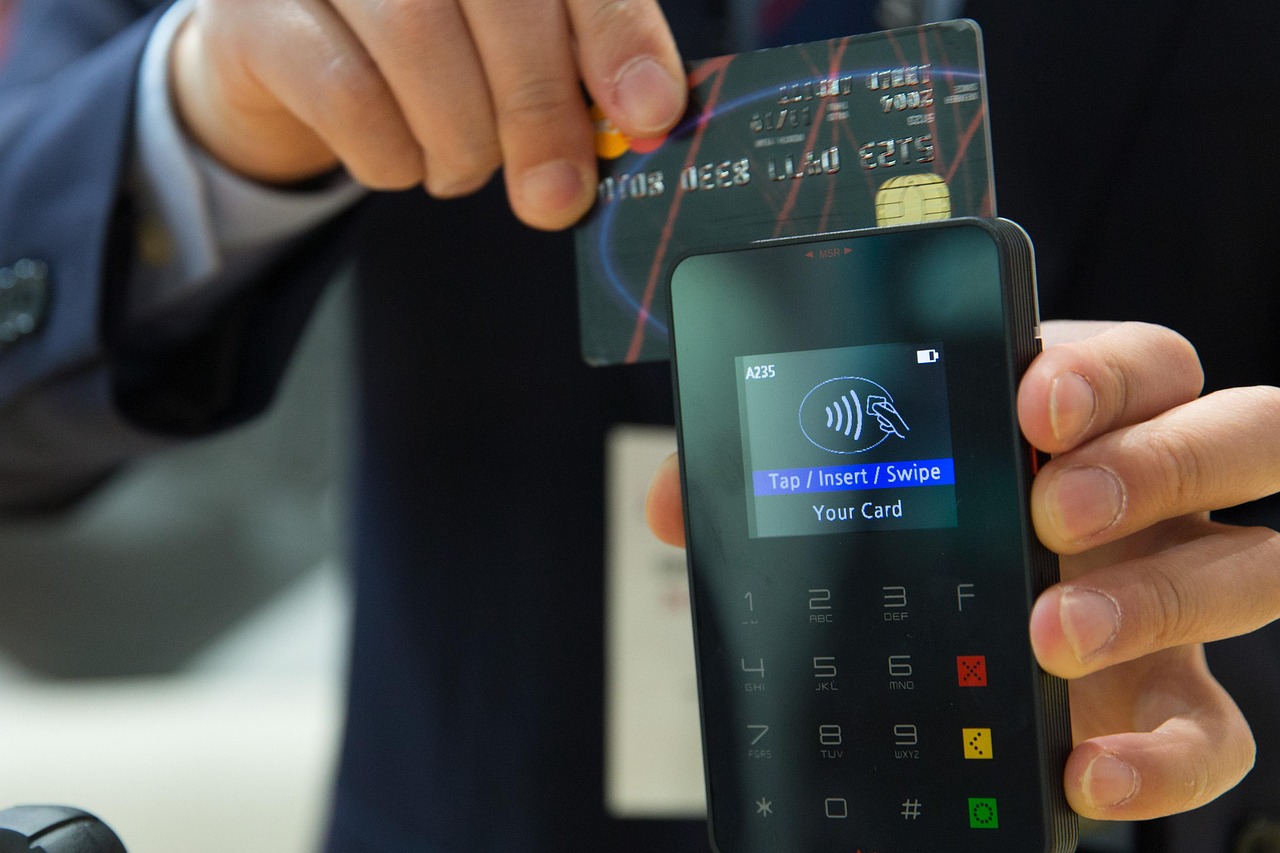
- Card payment terminal: Either a standalone machine or an integrated card reader that communicates directly with the EPOS software. Integrated solutions eliminate manual keying and reconciliation errors — see our guide to EPOS systems with integrated card payments for a detailed comparison.
- Customer-facing display: Increasingly common in retail; shows the customer a live itemised view of their transaction.
Software
The EPOS software is what separates a modern system from a glorified calculator. It handles product databases, pricing rules, promotions, user permissions, and reporting. Cloud-based software — now the dominant model in the UK — stores data off-site, enabling remote access, automatic updates, and multi-site synchronisation. You can explore EPOS Direct's software platform to see how these features are structured in practice.
Payment Processing
Payment processing is the gateway layer that authorises card and contactless transactions and settles funds into your business bank account. Some providers bundle processing with their software subscription; others allow you to choose your own acquirer. Understanding this distinction matters for your total cost of ownership.
How an EPOS System Works Step by Step: From Sale to Report
The operational flow of a typical EPOS transaction is straightforward, but the value it generates runs deeper than the sale itself.
- Item selection: Staff tap a product button or scan a barcode. The system retrieves the product name, price, and any active promotions automatically.
- Basket building: Additional items are added; the system calculates the running total, applies discounts or loyalty points, and separates VAT where applicable — important for Making Tax Digital (MTD) compliance. For guidance on MTD obligations, HMRC's official guidance at gov.uk/making-tax-digital is the authoritative source.
- Payment: The customer pays by cash, card, or contactless. If your card terminal is integrated, the amount transfers automatically, eliminating manual entry.
- Receipt: A printed or digital receipt is issued. The transaction is logged with a timestamp, staff ID, and payment method.
- Stock update: The quantity sold is deducted from live stock levels instantly. Low-stock alerts can be triggered automatically.
- Reporting: Every transaction feeds into end-of-day summaries, hourly sales graphs, product performance tables, and staff productivity reports — all accessible from the back-office dashboard or a mobile device.
This closed loop — from tap to report — is what makes an EPOS system categorically different from a standalone till.
EPOS for Retail vs Hospitality: What's Different and Why It Matters
The core transaction engine is similar across sectors, but the feature set required varies meaningfully. Choosing a system designed for your specific environment avoids expensive workarounds.
| Feature | Retail EPOS | Hospitality EPOS |
|---|---|---|
| Stock management | SKU-level tracking, variants (size/colour), supplier ordering | Ingredient-level (recipe costing), wastage tracking |
| Order routing | Not typically required | Kitchen display systems and kitchen printers |
| Table management | Not applicable | Floor plan, seat allocation, cover counts |
| Loyalty & promotions | Points schemes, multi-buy, discount codes | Happy hour rules, set menus, deposit handling |
| Integrations | E-commerce, accounting, click-and-collect | Online ordering, delivery platforms, reservations |
| Typical terminal layout | Fixed till with barcode scanner | Fixed till plus handheld tablets for tableside ordering |
Retail operators can view our retail EPOS offers, while restaurants, cafés, and bars can explore our hospitality and restaurant EPOS offers. Sector-specific demos are also available — try the retail EPOS software demo or the restaurant EPOS software demo to see each environment in action.
What Can an EPOS System Do? Core Features and Business Benefits
Beyond processing payments, a well-configured EPOS system delivers measurable operational improvements. The most impactful capabilities for UK businesses include:
- Real-time inventory control: Know exactly what you have in stock across all locations without manual counts, reducing both stockouts and over-ordering.
- Sales analytics and reporting: Identify your best-selling products, quietest trading periods, and highest-performing staff — then act on that intelligence rather than gut feel.
- VAT management: Automatic VAT calculation and separation supports accurate returns and reduces the compliance burden for MTD-registered businesses.
- Staff and permissions management: Assign role-based access so cashiers can process sales while managers retain exclusive access to voids, refunds, and reports.
- Customer relationship management (CRM): Build customer profiles, track purchase history, and run targeted loyalty schemes that genuinely reward repeat business.
- Multi-site and cloud management: Manage pricing, promotions, and stock across multiple branches from a single dashboard — particularly valuable for growing chains.
- Integrations: Connect to accounting software (Xero, Sage, QuickBooks), e-commerce platforms, and delivery aggregators, eliminating duplicate data entry.
For small businesses specifically, our guide to the best EPOS systems for small businesses explores which features deliver the most value at each stage of growth.
How Much Does an EPOS System Cost in the UK?
One of the most common questions from business owners evaluating their options is how to budget accurately for a new system. EPOS pricing in the UK varies depending on hardware configuration, software tier, number of terminals, and whether payment processing is bundled. The figures below are indicative ranges based on typical market conditions — always request a formal quote for your specific requirements.
| Business Type | Typical Setup | Indicative Monthly Cost | Indicative Hardware Cost |
|---|---|---|---|
| Sole trader / market stall | Tablet + card reader, basic software | From approx. £20–£40/month | From approx. £150–£400 |
| Independent retailer (1 till) | Terminal, scanner, printer, drawer, integrated card | Approx. £40–£80/month | Approx. £600–£1,200 |
| Restaurant / café (2–3 terminals) | Tills, kitchen printer, table management, handheld | Approx. £80–£150/month | Approx. £1,500–£3,500 |
| Multi-site retail or hospitality | Centralised cloud management, multiple terminals | Approx. £150–£300+/month | Varies by site count |
Some providers offer lease or rental arrangements that spread the hardware cost, which can be attractive for businesses managing cash flow carefully. Card transaction fees are separate and depend on your payment processor and card mix — businesses processing predominantly contactless and debit transactions will typically pay lower blended rates than those with a high proportion of premium credit cards. If you are weighing up payment hardware options independently, our guide to combined card machines and till systems covers the integrated versus separate approach in detail.
How to Choose the Right EPOS System for Your Business
With dozens of providers in the UK market, narrowing down your options requires asking the right questions before you commit. The following criteria separate a well-matched system from one you will outgrow — or struggle to use — within twelve months.
Five Questions Worth Asking Any Provider
- Is the software built for my sector? Generic software can handle basic transactions, but retail-specific or hospitality-specific platforms will serve your workflows far better. Ask to see a live demo of the exact features you need.
- How is support structured? UK-based telephone support during trading hours is non-negotiable for most businesses. Confirm response times and whether support is included in your subscription or charged additionally.
- Can the system scale with me? If you plan to open a second site, add an online store, or expand your product range significantly, confirm the platform handles this without a costly migration.
- What does the contract commit me to? Monthly rolling contracts offer flexibility; longer terms may offer better pricing. Read the exit clauses carefully, particularly around hardware ownership.
- How does it handle payment processing? Integrated payment processing simplifies reconciliation and reduces errors. Our guide to till systems for small businesses covers the trade-offs between bundled and independent processing arrangements.
It is also worth visiting the EPOS Direct UK home page for the latest offers and information across the full range of systems, or speaking directly with the team. You can talk to an expert online for guidance tailored to your specific business type and size.
Conclusion: Making the Right EPOS Decision for Your Business
A modern EPOS system is far more than a way to take payment — it is the central intelligence layer of a well-run business, connecting transactions, stock, staff, and reporting in real time. Whether you run a single-site independent shop, a busy restaurant, or a growing retail group, the right system will pay for itself through reduced shrinkage, faster service, sharper buying decisions, and cleaner compliance.
EPOS Direct UK has been helping businesses across the country find, configure, and get the most from their EPOS systems. If you are ready to see what the right setup looks like for your operation, request a free demo or request a call back from our team — no obligation, no jargon, just straightforward advice from people who understand UK retail and hospitality.
Written by the EPOS Direct UK team, who work with UK retailers, restaurateurs, and independent businesses every day to match them with the right EPOS and POS solutions.
Frequently asked questions
- Do I need broadband or Wi-Fi for an EPOS system to work?
- Most modern EPOS systems are cloud-based and work best with a stable internet connection, but many also offer an offline mode so you can keep taking sales if your connection drops. A reliable broadband or Wi-Fi connection is strongly recommended for real-time stock updates, card payment processing, and cloud reporting.
- How much does an EPOS system typically cost for a small UK business?
- Costs vary depending on the setup. For a single-terminal solution in the UK, expect to pay roughly £300–£800 for entry-level hardware (touchscreen terminal, receipt printer, cash drawer). Software subscriptions typically run from £20–£80 per month per terminal. Larger multi-terminal or multi-site setups will cost more. Many suppliers, including EPOS Direct UK, offer bundled packages and finance options to spread the cost.
- Can an EPOS system integrate with my existing accountancy software?
- Yes — most leading EPOS platforms offer integrations with popular UK accountancy tools such as Xero, Sage, and QuickBooks. This means sales data, VAT figures, and stock levels can sync automatically, saving hours of manual bookkeeping each week. Always confirm which integrations are included before you buy.
