We use cookies to make your experience better.
To comply with the new e-Privacy directive, you agree to the privacy policy and our use of cookies


Budget-Friendly EPOS Systems for UK Retail & Hospitality: What to Look For
Affordable EPOS Systems for UK Businesses: Get More for Less

For UK businesses watching every penny, a well-chosen EPOS system is one of the most impactful investments you can make — not a luxury overhead. The right setup automates your till operations, tracks stock in real time, accepts card payments seamlessly, and gives you the reporting data to make smarter decisions. This guide cuts through the noise to show you exactly what to expect from a budget-conscious EPOS setup, what you should and shouldn't compromise on, and how EPOS Direct makes professional-grade point-of-sale technology genuinely accessible for small and independent businesses across the UK.
What a Budget-Friendly EPOS System Actually Includes
A common misconception is that affordable means stripped-back. In practice, a modern entry-level EPOS system from a reputable UK supplier typically includes a touchscreen terminal, receipt printer, cash drawer, barcode scanner, and — crucially — the software to tie it all together. Cloud-based software, in particular, has fundamentally changed what you get at lower price points: inventory management, sales analytics, staff management, and loyalty tools that once required an enterprise budget are now standard.
The hardware bundle is only part of the picture. What separates a genuinely good-value system from a cheap one is the quality of the software, the breadth of integrations (accounting platforms, delivery apps, card payment processors), and the level of after-sales support. An affordable system that leaves you troubleshooting alone at 6pm on a Friday is not a bargain.
For a fuller breakdown of what to look for across different business types, our complete 2026 guide to EPOS systems for small businesses covers the key decision points in detail.
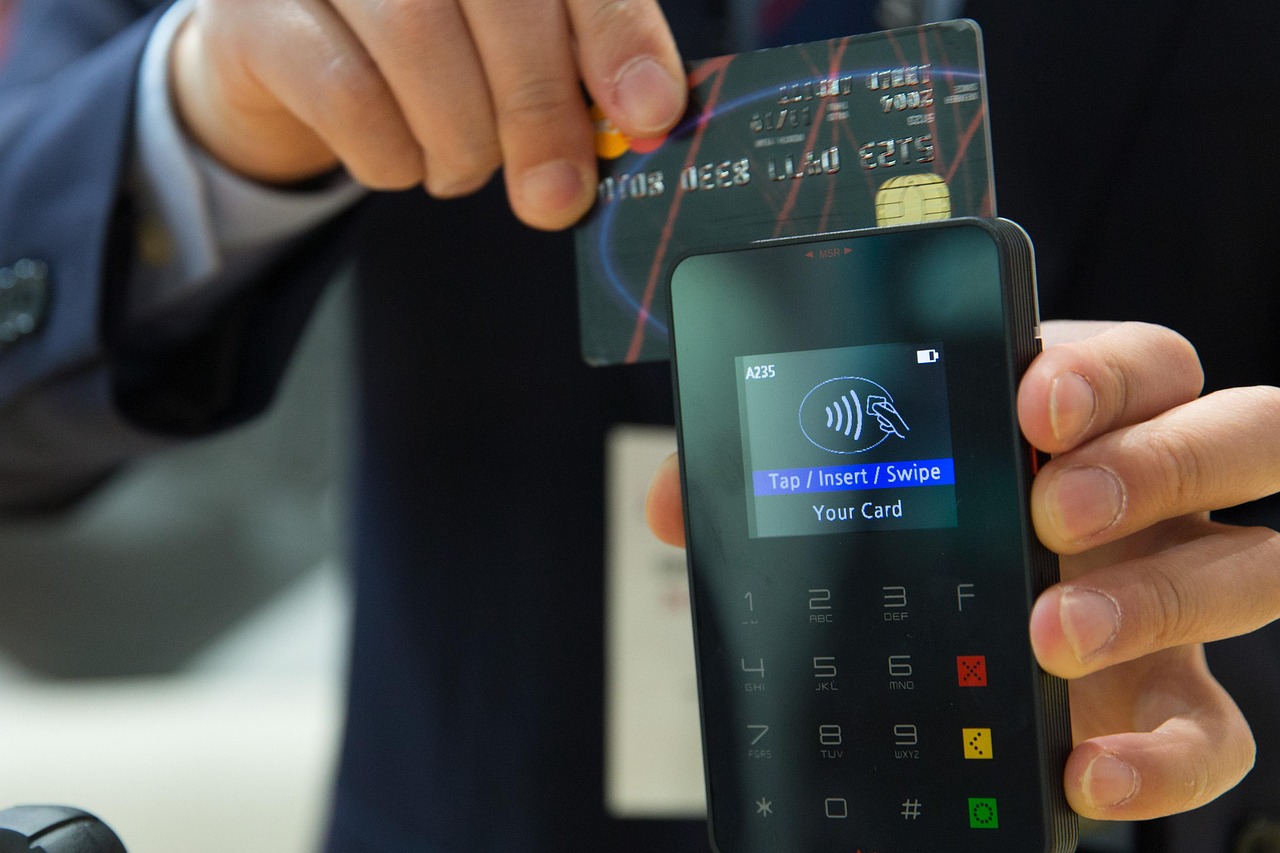
How Much Should a Small Business Expect to Pay?
Pricing for UK EPOS systems varies considerably depending on whether you purchase hardware outright, lease it, or opt for a subscription model. Here are realistic, indicative ranges to use as a planning benchmark — not quotes:
- Entry-level single-terminal setups: Hardware typically from around £300–£600 upfront for a basic till bundle; software from approximately £20–£50 per month.
- Mid-range systems with integrated payments: Most small retail or hospitality setups land between £50–£120 per month on an all-inclusive plan, which may bundle hardware, software, support, and payment processing.
- Multi-terminal or multi-site deployments: Costs scale with terminal count but per-unit costs often reduce; indicatively from £80–£200 per month depending on feature requirements.
- Card payment transaction fees: These sit separately from EPOS software costs and vary by processor; typically in the range of 0.5%–1.75% per transaction depending on your card mix and volume.
The most cost-effective route for many small businesses is a bundled monthly plan that absorbs upfront hardware costs and includes ongoing software updates and support. This makes cashflow predictable and eliminates the risk of a large capital outlay on technology that may need replacing as your business grows.
For businesses comparing solutions, our guide to the most affordable EPOS systems for small businesses in the UK provides a practical, unbiased buyer's perspective.
Key Features to Prioritise When Buying on a Budget
Not every feature carries equal weight. When resources are finite, focus your evaluation on the capabilities that directly protect revenue, save staff time, or reduce error — and deprioritise anything cosmetic.
Non-negotiable features
- Reliable payment acceptance: Your system must handle chip-and-PIN, contactless, and mobile wallet payments without friction. Integrated card payments — where the terminal and card machine share one transaction — eliminate manual keying errors and speed up queues. See our guide to EPOS systems with integrated card payments for what to look for.
- Real-time inventory tracking: Even basic stock management saves hours of manual counting and prevents costly over- or under-ordering.
- Sales reporting: Daily Z-reports, best-sellers, and hourly trading patterns let you make staffing and buying decisions based on evidence rather than instinct.
- Offline functionality: Cloud systems should continue processing sales locally when internet connectivity drops, syncing automatically when it's restored.
- VAT-compliant receipts: HMRC requires valid VAT receipts if you are VAT-registered. Verify your system's receipt templates meet current requirements — HMRC's published guidance is the authoritative reference.
Useful but not essential at day one
- Customer loyalty programmes
- Online ordering integrations
- Advanced table management (for restaurants)
- Multi-currency support
A scalable system lets you activate these features as your business grows, rather than paying for them from the outset.
Cloud-Based vs Traditional EPOS: Which Is More Cost-Effective?
This is one of the most common questions buyers raise, and the honest answer depends on your circumstances. The comparison below outlines the key trade-offs:
| Factor | Cloud-Based EPOS | Traditional (On-Premise) EPOS |
|---|---|---|
| Upfront hardware cost | Lower — often tablet or compact terminal based | Higher — dedicated proprietary hardware |
| Ongoing software costs | Monthly subscription (predictable) | Periodic licence fees or upgrade costs |
| Remote access | Full — manage from any device, anywhere | Limited or requires additional configuration |
| Software updates | Automatic, included in subscription | Manual, may incur additional charges |
| Data resilience | Backed up to the cloud continuously | Dependent on local backup discipline |
| Internet dependency | Requires connectivity (with offline fallback) | Fully local — no internet required |
| Best suited to | Growth-focused businesses, multi-site operators | Businesses in low-connectivity areas or with specific legacy needs |
For the vast majority of UK small businesses opening in 2024 and beyond, cloud-based systems deliver better total value: lower entry cost, automatic compliance updates, and the flexibility to manage your business from a laptop or mobile when you're away from the shop floor. You can explore EPOS Direct's cloud software to see how it handles your specific sector.
Hidden Costs to Watch Out For
A low headline price can mask a significantly higher total cost of ownership. Before signing any agreement, ask suppliers directly about each of the following:
- Setup and installation fees: Some suppliers charge separately for on-site configuration or remote onboarding — confirm whether this is included.
- Training costs: Staff training is critical for adoption; check whether this is part of the package or billed additionally.
- Support tier restrictions: Entry-level plans sometimes cap support to office hours only. If you trade evenings and weekends, extended support is a genuine business need, not an upsell.
- Contract lock-in: Monthly rolling agreements give you flexibility; 24- or 36-month contracts can be costly if your needs change. Read the exit terms carefully.
- Payment processing rates: EPOS software and payment processing are often separate commercial relationships. Bundled deals can be convenient but compare the blended rate against standalone options.
- Hardware replacement: Understand whether peripherals (receipt paper rolls, barcode scanner batteries, card reader consumables) are your responsibility and factor recurring consumable costs into your budget.
Businesses that want the simplicity of card acceptance and till in one package should read our comprehensive guide to combining a card machine and till system, which explains how bundled solutions compare commercially.
Why EPOS Direct Is a Trusted Choice for UK Businesses
EPOS Direct has been supplying point-of-sale technology to UK businesses across retail, hospitality, pharmacy, and beyond for many years — helping independent traders and growing chains alike find systems that fit their operation and their budget. The team's approach is straightforward: understand the business first, then recommend hardware and software that genuinely matches the requirement, with transparent pricing and no artificial upsells.
What distinguishes EPOS Direct in a crowded market is the combination of sector-specific software — built for the nuances of retail stock management, restaurant table plans, or pharmacy PMR integration — with genuine UK-based support. You're not routed through an overseas call centre; you're speaking to people who understand how British independent businesses operate.
The EPOS Direct UK home page brings together current offers, hardware bundles, and sector-specific information so you can explore options at your own pace before speaking to the team.
Sector-specific solutions
- Retail: Manage large product catalogues, run promotions, and integrate with e-commerce — view our retail EPOS offers or try the retail software demo.
- Hospitality & restaurants: Table management, kitchen display systems, and split-billing built in — explore our hospitality and restaurant EPOS offers or book a restaurant software demo.
- Pharmacy: PMR integrations, age-verification prompts, and controlled drugs handling — book a pharmacy EPOS software demo.
Practical Questions Real Buyers Ask
Can I use my existing card machine with a new EPOS system?
Sometimes — but it depends on the communication protocol your card terminal uses and whether your EPOS software supports it. In many cases, an integrated solution (where your EPOS software talks directly to the card terminal) is both more reliable and more cost-effective than running two independent systems. Our guide to the best wireless card machines for small businesses covers compatibility considerations in plain terms.
Do I need a monthly contract, or can I buy outright?
Both models are available from reputable UK suppliers. Buying hardware outright reduces long-term cost if you plan to use the system for several years, but requires more upfront capital. Monthly plans spread the cost and typically include support and software updates. For businesses that want to avoid monthly commitments on card processing specifically, our guide to card machines with no monthly fee is a useful parallel read.
How long does it take to get set up?
A standard single-terminal setup with a competent supplier can typically be configured and operational within a matter of days of hardware delivery. Cloud software shortens this considerably — your product catalogue, tax settings, and staff accounts can often be configured before the hardware arrives, meaning you're processing real transactions very quickly.
How to Get Started
The clearest first step is to match your requirement to a system before you compare prices. Think about: how many terminals you need, whether you trade from one site or multiple, whether you need kitchen display or table management, and how you currently handle card payments. With those answers in hand, a supplier conversation becomes far more productive — and you're less likely to be oversold.
Our practical buyer's guide to till systems for small businesses is a useful starting point if you want an independent framework before speaking to any supplier.
When you're ready to take the next step, the EPOS Direct team makes it easy: request a free demo to see the software in action with your own use case, or talk to an expert online if you'd prefer a conversation first. There's no obligation, and the team's goal is to match you with the right solution — not the most expensive one.
The Bottom Line
A well-chosen EPOS system is one of the clearest examples of technology that pays for itself — in reduced errors, faster service, better stock control, and the kind of data that drives smarter decisions. The UK market has never offered better value at the entry level, but the range of options makes independent guidance more important than ever. EPOS Direct UK combines sector-specific software, transparent pricing, and genuine UK support to give independent and growing businesses a point-of-sale platform that punches well above its price point.
Ready to find the right fit? Request a call back from the EPOS Direct team, and let's build a system that works as hard as you do.
Written by the EPOS Direct UK team, who help UK businesses find the right EPOS and POS systems every day across retail, hospitality, pharmacy, and beyond.
Frequently asked questions
- How much does a basic EPOS system cost for a small UK business?
- For a small UK business, entry-level EPOS systems typically start from around £300 to £600 for a single terminal with software included. Monthly software subscriptions can range from £15 to £60 per month depending on features. EPOS Direct offers competitive packages that include hardware, software, and UK-based support, making it easy to find a solution that fits a tight budget without sacrificing reliability.
- Can I get a full till system without paying high monthly fees?
- Yes. Some EPOS providers, including EPOS Direct, offer outright purchase options where you own the hardware and pay a one-off licence or a low ongoing software fee. This is worth exploring if you want to avoid long-term contracts or escalating monthly charges that add up over time.
- Is a cheap EPOS system reliable enough for a busy retail or hospitality environment?
- Price does not have to mean poor quality. The key is to look for a system built on proven hardware, backed by solid UK-based support, and capable of handling your transaction volume. EPOS Direct supplies systems used across retail, hospitality, and food service in the UK, and all units are tested for durability and performance before dispatch.
