We use cookies to make your experience better.
To comply with the new e-Privacy directive, you agree to the privacy policy and our use of cookies

Budget-Friendly EPOS Systems for UK Retailers & Hospitality Businesses
Budget-Friendly EPOS Systems for UK Retailers & Hospitality Businesses

Finding a point-of-sale system that genuinely delivers value — rather than simply carrying a low price tag — is one of the most consequential decisions a UK retailer or hospitality operator can make. The good news: a well-specified EPOS system no longer requires a significant capital outlay, and businesses across the UK are running sophisticated, cloud-connected tills for monthly costs that would have seemed impossible a decade ago. This guide cuts through the noise to help you make a confident, well-informed choice.
Written by the EPOS Direct UK team, who help UK retailers, restaurants, cafés, and hospitality businesses select and configure EPOS systems every day.
What Makes an EPOS System Truly Affordable? (Beyond the Upfront Price)
A low sticker price is only the beginning of the affordability conversation. The real measure is total cost of ownership — what you spend across hardware, software licences, payment processing, support contracts, and any eventual upgrades over a typical two-to-three-year horizon.
A genuinely cost-effective system delivers on four dimensions:
- Upfront hardware cost — the till terminal, receipt printer, cash drawer, and barcode scanner (if required).
- Ongoing software fees — monthly or annual subscriptions for the EPOS software platform.
- Payment processing rates — the percentage and/or pence-per-transaction fees charged by your card payment provider.
- Support and training costs — what you pay (in money or lost hours) when something goes wrong.
A system priced attractively at the point of sale can quickly become expensive if it locks you into high card processing rates, charges per-user fees as your team grows, or demands expensive proprietary consumables. Our guide to the most affordable EPOS systems for small businesses in the UK goes deeper on this calculation.
Key Features to Expect From a Budget EPOS System in the UK
A competitive entry-level EPOS package in the UK market should not feel like a compromise. Here is what you should consider non-negotiable, regardless of budget tier:
Core functionality
- Intuitive touchscreen interface with fast item lookup
- Stock management with low-stock alerts
- Sales reporting and end-of-day Z-reports
- VAT-compliant receipts (a legal requirement for VAT-registered businesses)
- Staff login and basic permissions management
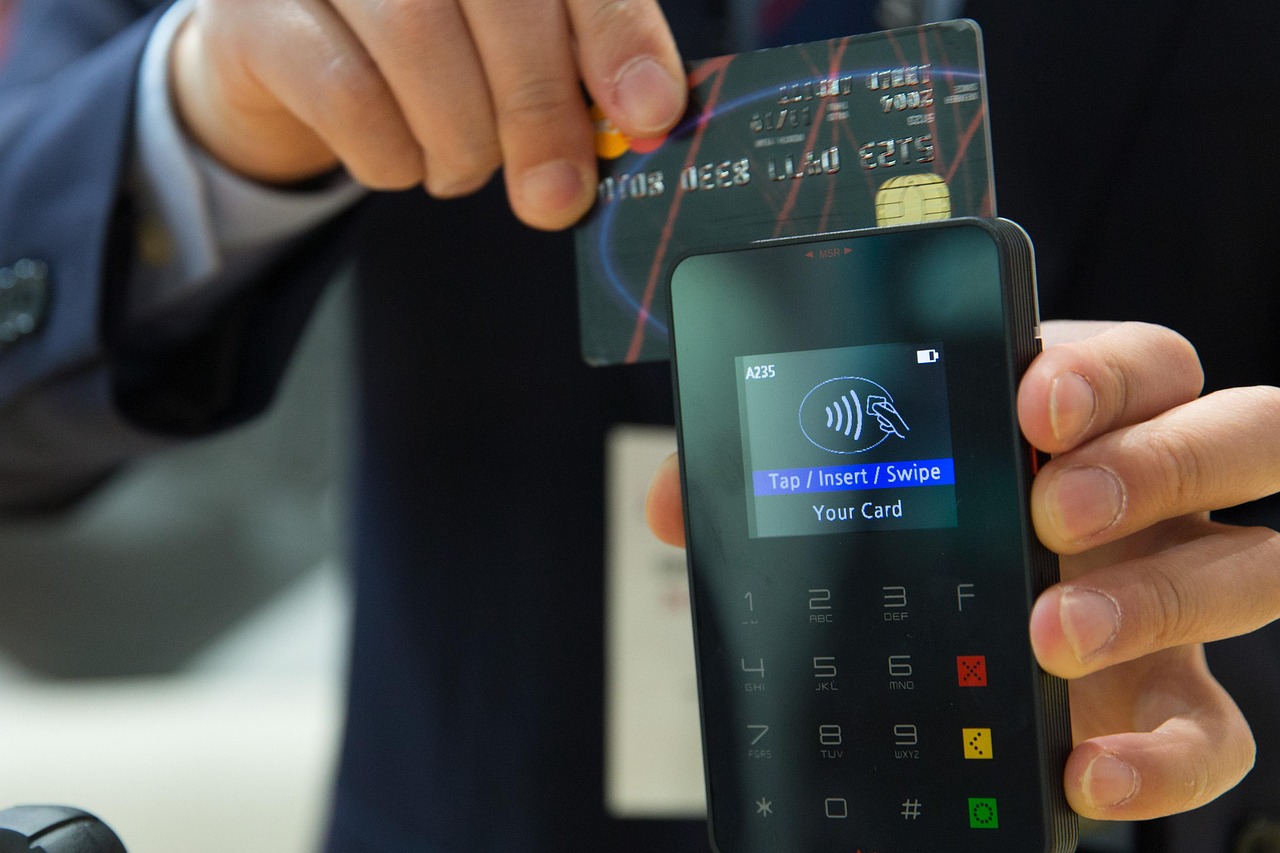
- Integrated card payment capability — avoiding the complexity of a separate, unlinked card machine
Strong-to-have at the entry level
- Cloud-based back office accessible from any browser
- Multi-site reporting (if you have more than one location)
- Customer loyalty and basic CRM tools
- Integration with accountancy software such as Xero or Sage
If integrated payments are a priority — and for most businesses they should be — our guide to the best EPOS systems with integrated card payments in the UK explains exactly what to look for and what questions to ask a supplier.
Affordable EPOS Options for Retail vs Hospitality: What's Different?
The EPOS features that genuinely save money differ meaningfully between retail and hospitality environments, so it is worth thinking through your sector before you evaluate hardware bundles or software tiers.
Retail
Retail businesses should prioritise barcode scanning speed, stock accuracy, and supplier purchase-order management. A system that reduces stock discrepancies by even a small percentage quickly pays for itself. For retailers evaluating their options, our practical guide to the best till systems for small businesses in the UK covers the key selection criteria in detail.
Hospitality & food service
Restaurants, cafés, and bars benefit most from table management, kitchen display system (KDS) integration, and split-bill functionality. A poorly chosen system in a busy service environment costs money in every missed upsell, every order error, and every minute of staff confusion. If you operate a restaurant or café, you can explore our restaurant EPOS software with a free interactive demo to see how the workflow feels before committing.
How Much Does a POS System Cost in the UK? Honest Pricing Breakdown
Pricing in the UK EPOS market varies considerably depending on the hardware specification, software tier, and whether you buy outright or subscribe. The following ranges are indicative and approximate, based on the current UK market — they are a guide to budgeting, not a formal quotation.
| Tier | Typical Setup | Indicative Hardware Cost | Indicative Software Fee | Best Suited To |
|---|---|---|---|---|
| Entry level | Single touchscreen terminal, receipt printer, cash drawer | Typically from £300–£600 | From around £20–£40/month | Sole traders, market stalls, small independents |
| Mid-range | Terminal + scanner + printer + integrated card payment | Typically £600–£1,200 | Around £40–£80/month | Small-to-medium retailers, cafés, quick-service restaurants |
| Full-service bundle | Multi-terminal, KDS, table management, loyalty, staff management | Typically £1,200–£3,000+ | £80–£150+/month | Multi-till retailers, full-service restaurants, multi-site operators |
Payment processing fees are separate and typically negotiated with your acquirer or payment facilitator. UK card processing rates vary widely — always ask for a blended rate illustration before signing. You can review how combined card and till solutions work in our guide to card machine and till system combined options for UK businesses.
For businesses with tight monthly overheads, it is also worth exploring whether a card machine with no monthly fee is a viable component of your setup, particularly at the entry level.
Cloud-Based vs Traditional EPOS: Which Saves You More Money Long-Term?
This is one of the questions buyers ask most often — and the answer has shifted decisively in recent years.
Traditional (on-premise) EPOS
Traditional systems store data locally, typically on a dedicated server or within the till unit itself. Upfront hardware costs can be lower, and there are no ongoing cloud subscription fees. However, software updates often carry a cost, remote access is limited without additional infrastructure, and any local hardware failure can take the whole system offline.
Cloud-based EPOS
Cloud systems store data remotely and are accessed via a browser or a dedicated app. They typically carry a monthly subscription but offer automatic updates, real-time reporting from any device, easier multi-site management, and lower IT maintenance overhead. For most small and medium UK businesses, the operational savings from cloud-based reporting, remote access, and automatic updates outweigh the subscription cost within the first year of use.
The honest verdict: Cloud-based EPOS is almost always the more cost-effective choice for businesses that want to scale, manage stock remotely, or integrate with third-party platforms. To understand the full picture of what a modern EPOS platform includes, explore the EPOS Direct software platform and see the full feature set across retail and hospitality editions.
Common Hidden Costs to Watch Out for When Buying a Cheap Till System
A surprisingly low headline price is often the opening line of a more expensive story. Before signing any EPOS contract, scrutinise the following:
- Per-user or per-terminal fees: Some software vendors charge per staff login or per connected device, which adds up quickly in a busier environment.
- Support tiers: Basic plans may include only email support with slow response times — phone and on-site support often require a more expensive tier or an add-on contract.
- Software update charges: On-premise systems in particular may charge for major version upgrades; confirm whether updates are included.
- Hardware lock-in: Some systems only function with proprietary peripherals (receipt paper, scales, scanners), which carry a premium price.
- Payment processing lock-in: A system that forces you to use a single payment provider removes your ability to negotiate competitive rates.
- Training and onboarding fees: Initial setup and staff training can carry a charge — confirm what is included in your package before purchase.
- Data export limitations: If you need to switch providers, can you export your own data? Confirm this in writing before committing.
If any of these points are unclear from a supplier's literature, talk to an EPOS expert online — it takes only a few minutes to get clarity on the questions that really matter.
Why EPOS Direct Offers Some of the Best Value POS Systems in the UK
EPOS Direct has been supplying EPOS hardware, software, and support to UK businesses across retail, hospitality, pharmacy, and beyond for many years. Our value proposition is straightforward: purpose-built hardware, proprietary software developed for UK trading conditions, and transparent pricing with no hidden charges.
- Own-brand hardware: By manufacturing and supplying our own terminals, we remove the distributor margin and pass the saving directly to customers.
- No payment processor lock-in: Our systems are designed to integrate with your chosen acquirer, giving you the freedom to negotiate competitive processing rates independently.
- UK-based support: Technical support is provided by our own UK team, not outsourced — response times reflect that commitment.
- Sector-specific software: From full-service restaurant table management to pharmacy dispensary workflows, our software is built around real UK operational requirements — not adapted from a generic global platform.
You can see the full range of current packages and pricing on our EPOS Direct home page, or go straight to the offers most relevant to your sector: our retail EPOS system offers or our hospitality and restaurant EPOS system offers.
For pharmacy businesses, you can also take a guided tour of the platform via our pharmacy EPOS software demo.
Our complete overview of what EPOS Direct provides across all sectors is available in the complete guide to EPOS and POS systems for UK businesses, and for small businesses specifically, our complete 2026 guide to EPOS systems for small businesses covers everything from initial specification to going live.
Making the Right Choice for Your Business
The most cost-effective EPOS system for your business is not simply the cheapest one available — it is the one that matches your operational requirements, scales with your growth, and carries no unwelcome surprises in year two or three. Look beyond the hardware bundle, scrutinise the software subscription terms, understand your payment processing options, and ensure the support model reflects how your business actually operates.
EPOS Direct makes it straightforward to find a solution that fits your budget and your business. Request a free demo to see the system in action, or request a call back and one of our UK-based specialists will help you identify the right configuration — at a price that makes genuine commercial sense.
Frequently asked questions
- How much should I expect to pay for a decent till system in the UK?
- For a small UK business, a basic EPOS setup typically starts from around £300–£500 for entry-level hardware with free or low-cost software. A mid-range system with a touchscreen terminal, receipt printer, and barcode scanner usually costs £600–£1,200. Monthly software subscriptions can range from £0 (with some cloud providers) up to £50–£100 per month depending on features. EPOS Direct offers competitive bundles with transparent pricing and no hidden fees, making it easier to budget confidently.
- Can I get a reliable EPOS system without paying a large monthly fee?
- Yes. Some EPOS providers charge no ongoing software fee if you purchase the hardware outright, while others offer low monthly plans from around £15–£30 per month. The key is to check what's included — support, updates, and payment integration costs can vary significantly. EPOS Direct offers flexible options including one-off purchase models and scalable subscriptions suited to different business sizes.
- Is a cheap POS system suitable for a busy hospitality or retail environment?
- It depends on what 'cheap' means in context. A lower-cost system can absolutely handle high volumes if it runs on reliable hardware and proven software. Look for systems with fast transaction processing, offline mode capability, and solid customer support. Cutting corners on build quality or support can cost more in downtime than you save upfront. EPOS Direct's affordable range is built for commercial use, not just light retail, making them suitable for cafés, restaurants, and busy shop floors alike.
