We use cookies to make your experience better.
To comply with the new e-Privacy directive, you agree to the privacy policy and our use of cookies

Best EPOS System Alternatives for UK Retail & Hospitality Businesses
Top EPOS System Alternatives for UK Businesses: Which Is Right for You?

Choosing the right point-of-sale solution is one of the most consequential technology decisions a UK business owner makes — and getting it wrong is expensive. Whether your current system lacks the integrations your operation needs, the software has become dated, or the support simply isn't there when you need it, switching to a better-suited EPOS solution can transform how you trade. This guide cuts through the noise to help you identify the right alternative, compare your options honestly, and make the move without disrupting your day-to-day business.
Why UK Businesses Start Looking for a Different EPOS Solution
The trigger for switching is rarely dramatic. More often, it's a slow accumulation of friction: reports that don't give you the stock visibility you need, a clunky interface that slows down peak-hour service, or a provider who charges for every small change. The most common reasons UK businesses begin exploring their options include:
- Outdated software — legacy systems that haven't kept pace with contactless payments, online ordering, or cloud reporting.
- Escalating costs — licence fees, support charges, and hardware refresh costs that weren't clear at the point of sale.
- Poor after-sales support — slow response times that become critical failures during a busy Saturday afternoon.
- Missing features — gaps in loyalty programmes, multi-site management, or integration with accountancy platforms like Xero or Sage.
- Business growth — a system that worked for one location simply cannot scale across three or four.
If any of those resonate, you're already in the right place. The good news is that the UK EPOS market in 2026 is genuinely competitive, with capable solutions at every price point — from lean cloud-based systems for sole traders to full-featured enterprise platforms for multi-site retailers and hospitality groups.
Key Features to Compare When Switching EPOS Providers
Not every feature matters to every business, so the first discipline is matching the feature set to your specific operation rather than chasing the longest spec sheet. A realistic comparison should cover:
- Stock and inventory management — real-time stock levels, low-stock alerts, and multi-location stock transfers.
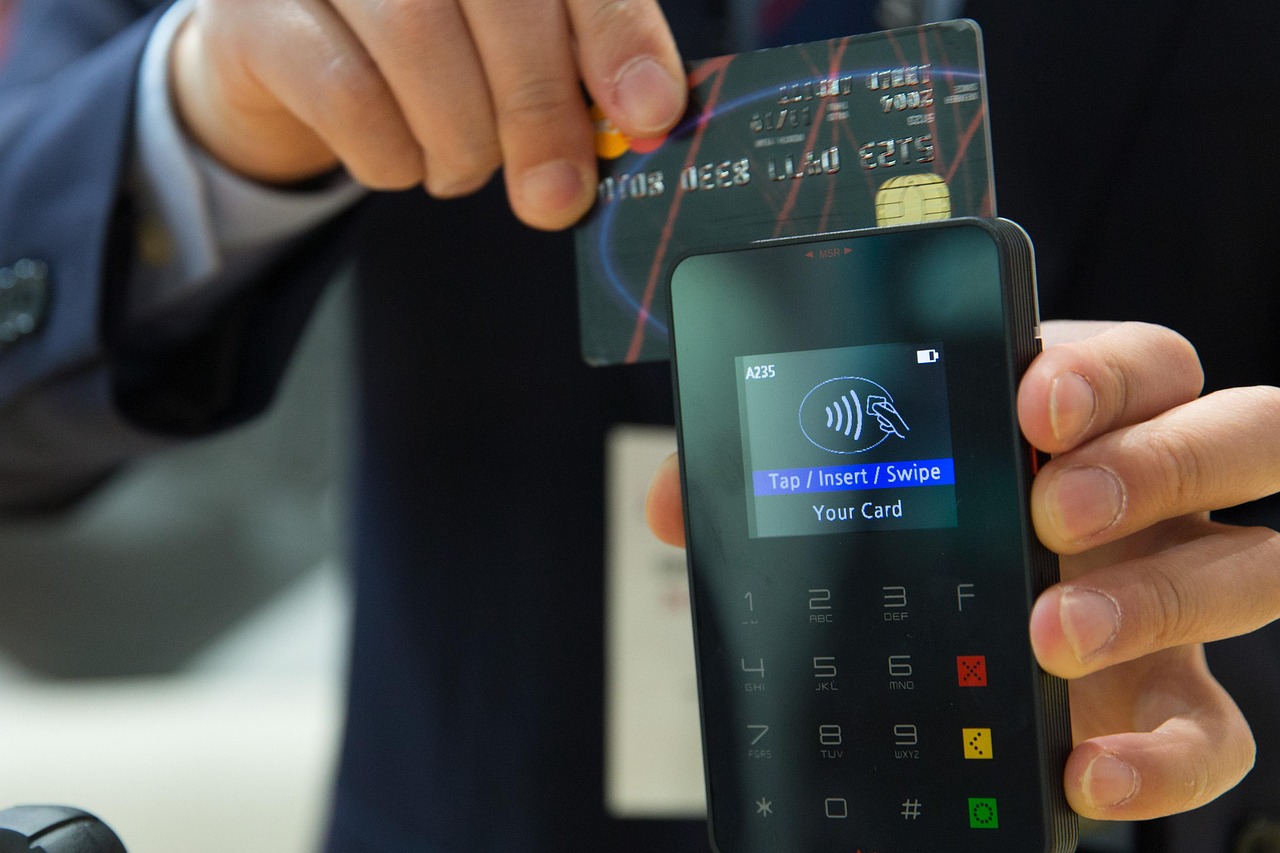
- Payment flexibility — built-in card processing, support for multiple payment types, and integrated card machines. Our guide to combining a card machine and till system explains why integrated payment matters for speed and reconciliation.
- Reporting and analytics — sales by category, staff performance, and end-of-day Z-readings that export cleanly into your accountancy software.
- Scalability — whether additional tills, sites, or users can be added without a full system replacement.
- Offline mode — cloud systems that continue operating when the broadband drops are now a baseline expectation, not a premium feature.
- Support SLA — confirmed response times, UK-based support, and whether hardware replacement is included or charged separately.
If you run a clothing boutique or fashion retail business, the feature priorities look slightly different — size and colour matrix management, customer purchase history, and returns handling become critical. Our dedicated article on the best EPOS systems for clothing shops in the UK goes deeper on those specific requirements.
Cloud-Based vs. Traditional EPOS: Which Approach Suits Your Business?
This is usually the first architectural decision — and it has implications for both cost and capability.
Cloud-Based EPOS
Cloud systems store data centrally, update automatically, and can be managed remotely from any browser. They typically carry a monthly software subscription, lower upfront hardware costs, and are naturally suited to businesses that operate across multiple sites or want real-time visibility from anywhere. The trade-off is an ongoing monthly commitment and a reliance on internet connectivity (mitigated by offline mode in the better platforms).
Traditional (On-Premise) EPOS
Traditional systems hold data locally on the till hardware. They tend to involve a larger one-off software licence, are less dependent on internet connectivity, and suit businesses with a single location that prioritise stability over remote access. The downside is that updates are more manual and support contracts need careful scrutiny.
Which Should You Choose?
For most small to medium UK businesses in 2026, a cloud-based solution with a solid offline mode represents the better balance of flexibility, ongoing development, and value. If you're unsure of the cost implications, our practical buyer's guide to affordable EPOS systems for small businesses covers pricing structures in detail across both models.
What Does Switching EPOS Systems Actually Cost?
One of the most common questions from business owners exploring a change is straightforward: what will this actually cost me? Pricing in the UK EPOS market varies widely by provider, hardware spec, and software tier, but honest indicative ranges look like this:
| Business Type | Typical Hardware Cost (one-off) | Typical Software / Subscription | Support & Maintenance |
|---|---|---|---|
| Sole trader / market stall | Typically from £300–£600 | From around £20–£50 per month | Often included in subscription |
| Independent retailer (1 till) | Typically from £600–£1,200 | From around £30–£80 per month | Annual support plan or included |
| Restaurant / café (single site) | Typically from £1,000–£2,500 | From around £50–£120 per month | Annual plan; hardware warranty varies |
| Multi-site retail or hospitality | Varies significantly by configuration | From around £80–£200+ per month per site | Dedicated account manager typical |
All figures are indicative ranges based on typical UK market pricing at the time of writing and should be used as a guide only. Request a tailored quote from your chosen provider before committing.
For businesses considering a move away from transaction-fee-heavy card readers, our guide to card machines with no monthly fee is worth reading alongside this one — the two decisions are closely linked.
Hidden Costs to Watch Out for When Changing EPOS Provider
A headline monthly price rarely tells the full story. Before signing anything, interrogate the following:
- Data migration fees — moving your product catalogue, customer records, and historic sales data is not always included.
- Training costs — some providers charge for onboarding sessions that should reasonably be expected as standard.
- Integration charges — connecting to your accountancy software, e-commerce platform, or loyalty programme may carry a per-integration fee.
- Hardware lock-in — some providers use proprietary hardware that cannot be repurposed if you switch again in future.
- Minimum contract terms — a 36-month commitment at a price that escalates annually can significantly change the total cost of ownership.
- Payment processing margins — if your EPOS provider also processes your card payments, compare their effective rate carefully against standalone card processing.
Our comprehensive guide to the best till systems for small businesses includes a detailed section on decoding total cost of ownership — recommended reading before committing to any provider.
How EPOS Direct Compares to Other UK EPOS Providers
Rather than make claims about unnamed competitors, what's more useful is understanding the specific strengths that define the EPOS Direct proposition — and where it earns its place as a serious choice for UK businesses.
UK-Owned, UK-Supported
EPOS Direct is a UK-based business with a UK support team. When something goes wrong at 8pm on a Friday before a busy weekend, that distinction matters. Support is provided directly — not routed through an offshore call centre or a third-party reseller.
Sector-Specific Software
Rather than a single generic platform stretched across all business types, EPOS Direct maintains dedicated software builds for retail, hospitality, and pharmacy environments. Each is optimised for the workflows that actually matter in that sector. You can explore the full EPOS software range to see the distinction clearly — or book a sector-specific demo: retail EPOS software demo, restaurant EPOS software demo, or pharmacy EPOS software demo.
Transparent Pricing and Hardware Ownership
EPOS Direct does not use proprietary hardware lock-in. Equipment is industry-standard, and pricing structures are discussed openly. Our complete guide to EPOS systems for small businesses explains the full pricing model in plain language.
Breadth of Solutions
From a single till for an independent retailer to multi-terminal hospitality installs, the product range scales with the business. Explore retail EPOS offers or hospitality and restaurant EPOS offers to see current configurations and pricing.
How to Switch EPOS Systems Without Disrupting Your Business
The practical fear around switching is almost always operational: will there be downtime, will staff cope, and will historical data survive the transition? With proper planning, the answer to all three is reassuring. A structured migration typically follows these stages:
- Audit your current data — export your product catalogue, pricing, customer records, and any loyalty point balances before any migration begins.
- Plan the go-live date carefully — choose the quietest trading period available. For most retailers, mid-week in January or February is ideal; for hospitality, a Monday morning.
- Run parallel systems briefly — where feasible, operate the new system alongside the old for two to three days to catch any configuration issues without commercial risk.
- Train staff before go-live — hands-on training sessions using the real product catalogue, not a demo version, build genuine confidence.
- Test payment processing end-to-end — confirm card acceptance, receipt printing, and end-of-day reconciliation before opening for business on the new system.
- Confirm your support contact — have a named support number ready, not a general helpdesk queue, for the first two weeks post-migration.
If you'd like guidance on the wireless card reader element of your new setup, our guide to the best wireless card machines for small businesses covers the options that integrate cleanly with modern EPOS platforms.
Getting the Right Answer for Your Specific Business
The right EPOS solution is not universal — it's the one that fits your transaction volumes, your sector's workflows, your team's technical comfort, and your budget. Across retail, hospitality, and specialist sectors like pharmacy, the feature priorities diverge significantly, and a system that excels in one environment can be frustrating in another.
The most reliable way to evaluate any EPOS provider is to see the software operating on real hardware, processing a real transaction. A credible provider will always facilitate this without pressure. You can find further resources, current offers, and detailed product information on the EPOS Direct UK home page, and for a full strategic overview, our complete guide to EPOS and POS systems for UK businesses is the definitive reference point.
Ready to Find Your Ideal EPOS Solution?
The EPOS Direct UK team works with independent retailers, restaurants, hospitality groups, and specialist businesses across the United Kingdom every day — helping them identify the right system, migrate cleanly from their old one, and get the most from the investment. If you're at the comparison stage, the most useful next step is a live demonstration tailored to your sector.
Request a free demo to see the software in action, or talk to an expert online for a no-obligation conversation about your specific requirements. There's no sales script — just honest guidance from people who understand UK EPOS.
Written by the EPOS Direct UK team, who help UK businesses find, install, and get the most from their EPOS and POS systems every day.
Frequently asked questions
- What should I look for when switching to a different EPOS system?
- When switching EPOS providers, prioritise ease of use, UK-based customer support, integration with your existing payment terminals and accounting software (such as Xero or Sage), stock management capabilities, and scalability. Always request a demo before committing and check contract length — many UK providers lock you in for 12 to 36 months.
- How much does a replacement EPOS system typically cost for a UK small business?
- Costs vary widely depending on the solution. Entry-level cloud-based EPOS software subscriptions in the UK typically start from around £20–£50 per month per terminal. A full hardware and software bundle — including a touchscreen till, receipt printer, and card reader — generally ranges from £500 to £1,500 upfront, or is available on monthly payment plans from around £30–£80 per month. EPOS Direct offers tailored packages to suit different budgets, with no hidden fees.
- Can I keep my existing payment terminals if I move to a new EPOS provider?
- It depends on the provider and terminal manufacturer. Some UK EPOS systems are compatible with third-party card readers, while others require proprietary hardware. Before switching, confirm compatibility with your current payment processor — whether that is Worldpay, Square, Stripe, or another provider — to avoid unexpected hardware replacement costs.
