We use cookies to make your experience better.
To comply with the new e-Privacy directive, you agree to the privacy policy and our use of cookies

Android EPOS Systems for UK Retail & Hospitality: The Complete Buyer's Guide
Android EPOS Systems for UK Businesses: Everything You Need to Know Before You Buy

Android-based till systems have moved from niche curiosity to mainstream choice for UK retailers, restaurants and hospitality operators — and for good reason. Built on an open, widely supported operating system, they combine affordable, familiar hardware with powerful cloud software to deliver the kind of flexibility that legacy Windows tills simply cannot match. Whether you run a single boutique or a multi-site food business, this guide covers everything you need to make a confident, well-informed purchase decision.
What Is an Android EPOS System and Why Are UK Businesses Switching?
An Android EPOS system pairs the Android operating system — the same platform used on hundreds of millions of smartphones and tablets worldwide — with purpose-built point-of-sale software, receipt printers, barcode scanners and card payment hardware. The result is a complete till solution that feels intuitive, updates automatically and runs on hardware that is broadly available and competitively priced.
UK businesses are making the switch for several practical reasons:
- Lower upfront cost. Android hardware is manufactured at scale, which keeps device prices accessible without sacrificing build quality.
- Touchscreen-native UX. Staff learn the interface quickly, reducing training time and service errors.
- Cloud connectivity. Real-time reporting, remote management and automatic software updates are standard expectations — Android architecture supports all three with minimal configuration.
- Ecosystem breadth. Payment terminals, customer-facing displays, kitchen display screens and handheld ordering devices all exist in the Android ecosystem, making it straightforward to build a coherent, integrated setup.
- Making Tax Digital readiness. Many Android EPOS platforms integrate directly with accountancy software, helping UK businesses stay compliant with HMRC's MTD requirements. Always verify current MTD obligations at HMRC's official MTD guidance.
If you are evaluating options for a small business, our practical buyer's guide to till systems for small UK businesses provides a strong complementary overview of what to prioritise at different budget levels.
Key Features to Look for in an Android-Based Till System
Not every Android till is built to the same standard. A genuine commercial-grade system differs significantly from a consumer tablet running a generic app. When evaluating options, focus on these criteria:
Software depth
- Stock management with variant tracking (size, colour, modifier)
- Table management and course firing for hospitality venues
- Customer loyalty and CRM tools
- Integrated online ordering or click-and-collect support
- Detailed, exportable sales reports accessible from any device
Hardware durability
- Commercial-grade screens rated for continuous use
- IP-rated enclosures where kitchen or outdoor use is expected
- Reliable peripheral connectivity (USB, Ethernet, Bluetooth, serial)
Payment integration
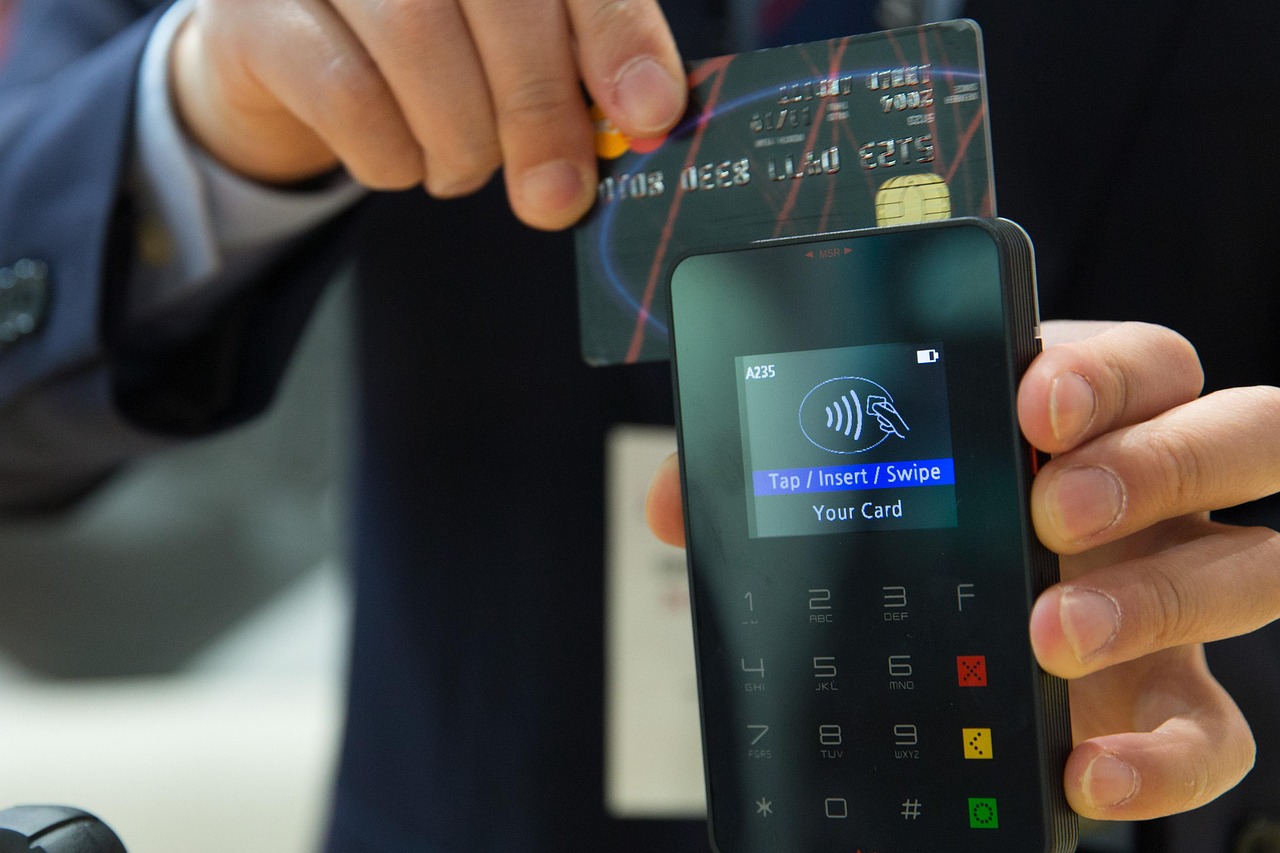
Integrated card payment — where the EPOS and card terminal talk to each other automatically — eliminates manual entry errors and speeds up end-of-day reconciliation. Look for support for contactless, chip-and-PIN and digital wallets. If you are also exploring standalone payment options, see our guide to the best wireless card machines for small UK businesses and our dedicated resource on combining a card machine with a till system.
Support and SLA
A till that goes down during a Saturday lunch service is a revenue emergency. Prioritise suppliers who offer UK-based telephone and remote-access support, with clearly documented response times.
Android EPOS Hardware Options: Tablets, All-in-Ones and Mobile Terminals
The Android EPOS hardware market broadly divides into three form factors, each suited to different operational contexts:
| Form Factor | Best For | Typical Advantages | Consider If… |
|---|---|---|---|
| Android Tablet + Stand | Cafés, pop-ups, market traders, small retail | Portable, low footprint, easy to relocate | Counter space is limited or layout changes seasonally |
| All-in-One Android Till | Restaurants, bars, busy retail, pharmacies | Integrated screen and processor, cleaner cabling, more robust | You need a permanent, professional-looking counter setup |
| Android Handheld / Mobile Terminal | Table service, festivals, delivery, queue-busting | Fully wireless, takes payment at the point of service | Speed of service and mobility are operational priorities |
Many businesses combine form factors — for example, a restaurant might use an all-in-one unit at the bar and handheld terminals on the floor. Peripherals such as thermal receipt printers, kitchen display systems, cash drawers and customer-facing screens all connect seamlessly within a well-specified Android ecosystem.
Android EPOS Software: Cloud-Based vs On-Premise Solutions for UK Retailers and Hospitality Venues
The software decision is arguably more consequential than the hardware choice, because it determines what your system can do long-term.
Cloud-based Android EPOS software
Data lives on secure remote servers; the till communicates via the internet. Benefits include real-time reporting from any device, automatic updates, multi-site synchronisation and no local server to maintain. Most modern Android EPOS deployments are cloud-first. EPOS Direct's own cloud platform is purpose-built for retail and hospitality — you can explore the EPOS software in detail or book a vertical-specific demo: retail EPOS software demo or restaurant EPOS software demo.
On-premise Android EPOS software
Data is stored locally on a server or the device itself. This approach suits environments with unreliable internet connectivity or strict data-residency preferences, though it requires more local IT management and updates must be applied manually.
Offline resilience
A practical buyer's question worth asking every supplier: "What happens if the internet drops during a busy period?" The best cloud platforms cache transactions locally and sync automatically when connectivity is restored, so trading continues uninterrupted.
For specialist retail contexts — clothing and fashion retail, for example — software features such as size/colour matrix management and season-based promotions become important differentiators. Our article on the best EPOS systems for clothing shops explores this in depth.
How Much Does an Android EPOS System Cost in the UK?
Pricing varies considerably depending on hardware specification, software tier, number of terminals and whether you opt for a monthly subscription or an outright purchase. The figures below are indicative market ranges only — your actual quote will depend on your specific configuration.
| Setup Type | Indicative Hardware Cost | Indicative Software / Monthly Fee | Typical Business Profile |
|---|---|---|---|
| Entry-level single terminal | From approximately £300–£600 | From approximately £20–£50/month | Market stall, small café, sole trader |
| Mid-range single-site | From approximately £600–£1,500 | From approximately £50–£100/month | Independent retailer, pub, small restaurant |
| Multi-terminal / multi-site | From approximately £1,500 upwards | From approximately £80–£200+/month | Restaurant group, franchise, larger retailer |
Many UK EPOS providers — including EPOS Direct — offer bundled packages where hardware, software, installation and support are consolidated into a single monthly cost, which simplifies budgeting and spreads capital expenditure. Payment processing fees are separate and depend on your acquirer agreement.
If cost is a primary concern, our guide to the most affordable EPOS systems for small UK businesses identifies where genuine savings can be made without sacrificing the features that matter. You may also find our overview of card machines with no monthly fee useful when planning your total payments cost.
A real buyer's question worth putting to any supplier: "What is included in the monthly fee, and what incurs an additional charge?" Support, software updates, additional users and integrations can all be priced separately on some plans.
Android EPOS vs Windows EPOS: Which Is Right for Your Business?
This is one of the most common questions buyers raise, and the honest answer is that both platforms have legitimate strengths.
| Consideration | Android EPOS | Windows EPOS |
|---|---|---|
| Hardware cost | Generally lower | Generally higher |
| Ease of use / staff training | Intuitive touchscreen-first design | Can have a steeper learning curve |
| Peripheral compatibility | Very broad; large device ecosystem | Very broad; mature driver ecosystem |
| Software update model | Cloud updates, minimal IT overhead | May require local IT management |
| Legacy system integration | API-led; depends on software | Strong for businesses with existing Windows infrastructure |
| Mobility options | Excellent — native handheld devices | Limited; ruggedised laptops are bulkier |
| Long-term OS support | Android Enterprise Recommended devices carry defined support periods | Windows lifecycle well-documented by Microsoft |
For most new or growing businesses in retail and hospitality, an Android-based platform offers the better balance of cost, usability and scalability. Windows solutions retain an edge in businesses with deep existing Microsoft infrastructure or highly bespoke legacy integrations.
How to Get Set Up with an Android EPOS System Through EPOS Direct UK
EPOS Direct UK supplies, installs and supports Android EPOS systems for businesses across the United Kingdom — from independent food-to-go operators to established retail chains. The process is straightforward:
- Discovery call or online consultation. A specialist reviews your business type, site count, transaction volumes and any specific requirements — including payment processing and existing software integrations. Talk to an expert online to get started.
- System recommendation. You receive a hardware and software proposal matched to your operational context and budget, with no pressure to choose a configuration that does not fit.
- Live demo. See the system in action before committing. Request a free demo at a time that suits you.
- Installation and configuration. Hardware is set up and software is configured with your products, pricing, user accounts and integrations in place before go-live.
- Training and ongoing support. Staff training is included, and UK-based support is available after installation.
EPOS Direct works across sectors: view the current retail EPOS offers or the hospitality and restaurant EPOS offers to see what is available right now. Pharmacy operators can also explore a tailored pharmacy EPOS software demo.
For a broader introduction to the full range of EPOS Direct solutions, visit the EPOS Direct UK home page for more offers and information, or read our complete 2026 guide to EPOS systems for small businesses and the comprehensive guide to EPOS and POS systems for UK businesses.
The Bottom Line
Android-based till systems represent a mature, well-supported technology choice for the vast majority of UK retail and hospitality businesses. They combine accessible hardware costs with capable, cloud-connected software — and the ecosystem continues to grow. The key is pairing the right hardware configuration with software that is genuinely built for your sector, from a supplier with the UK expertise and support infrastructure to back it up.
EPOS Direct UK's team helps businesses make exactly this decision every day, across retail, hospitality, food service, pharmacy and beyond. If you are ready to explore what a modern Android till system could look like for your business, request a call back and a specialist will be in touch — no obligation, no hard sell, just straightforward advice.
Written by the EPOS Direct UK team, who work with UK businesses daily to specify, install and support EPOS and POS systems across a wide range of sectors.
Frequently asked questions
- How much does an Android EPOS system typically cost for a small UK business?
- Costs vary depending on your setup. A basic Android EPOS bundle — including a tablet terminal, cash drawer, receipt printer and software — typically starts from around £300 to £600 as a one-off purchase. Cloud-based software subscriptions usually run between £20 and £60 per month per terminal. Larger multi-site setups or all-in-one Android touchscreen units can range from £800 to £1,500 or more. EPOS Direct UK offers tailored quotes so you only pay for what your business actually needs.
- Will an Android EPOS system work with my existing card payment terminal?
- Many Android EPOS systems support integration with popular UK payment providers such as Worldpay, Square, Paymentsense and Dojo. Some Android EPOS units also have built-in card readers or support Bluetooth-paired terminals, so you may not need separate hardware at all. It is worth confirming compatibility with your chosen payment processor before purchasing.
- Is an Android till system reliable enough for a busy restaurant or retail shop?
- Yes — Android EPOS systems are widely used across busy UK hospitality and retail environments. Modern Android hardware is robust, and reputable providers offer offline mode so your till continues to operate even if your internet connection drops. Choosing a supplier like EPOS Direct UK that provides UK-based technical support and hardware warranties gives you additional peace of mind for day-to-day trading.
