We use cookies to make your experience better.
To comply with the new e-Privacy directive, you agree to the privacy policy and our use of cookies

Android POS Terminals for UK Businesses: The Complete Buyer's Guide
Android POS Terminals for UK Businesses: The Complete Buyer's Guide
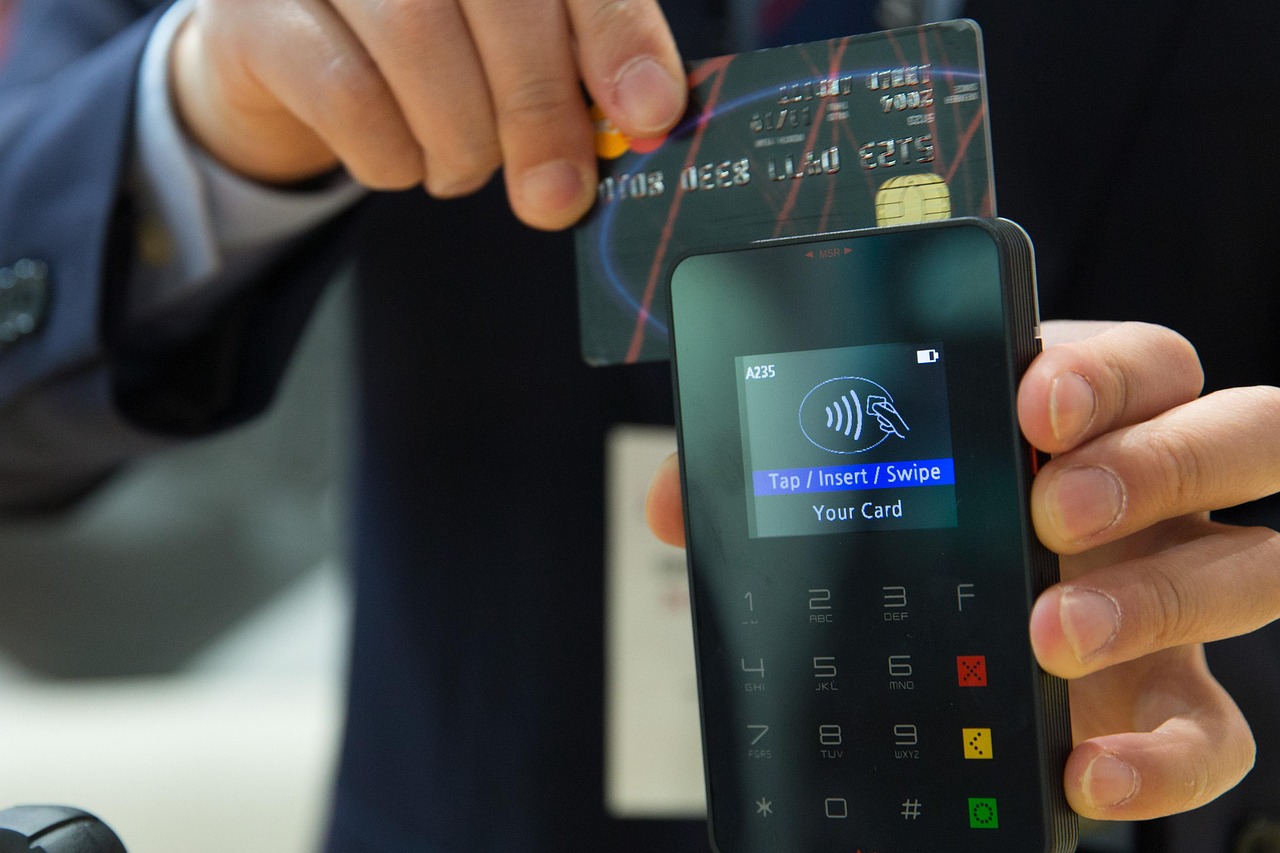
Android-based point-of-sale terminals have become the technology of choice for independent retailers, hospitality operators and growing multi-site businesses across the UK. Built on a familiar, flexible operating system, they combine full EPOS functionality with the portability, affordability and app-ecosystem depth that older legacy till systems simply cannot match. Whether you are opening your first shop or replacing an ageing countertop setup, this guide covers everything you need to make a confident, well-informed purchasing decision.
Written by the EPOS Direct UK team, who work with UK retailers, restaurateurs and independent business owners every day to design, supply and support point-of-sale solutions.
What Is an Android POS Terminal and How Does It Work?
An Android POS terminal is a touch-screen point-of-sale device running the Android operating system, purpose-built to handle transactions, inventory management, reporting and customer engagement. Unlike a general-purpose tablet, a commercial Android terminal is hardened for retail and hospitality environments — it ships with faster processors, industrial-grade touch screens, integrated receipt printers or printer ports, barcode scanner options, and connectivity for cash drawers and card payment peripherals.
The device runs dedicated EPOS software — either pre-installed or downloaded — and communicates with a cloud-based or on-premise back office. Sales data, stock levels and customer records sync in real time, meaning your morning reports are waiting for you before you arrive at the shop. Card payments are handled either through a built-in payment module or via a paired card machine connected over Bluetooth or USB — many modern Android terminals are all-in-one units that accept chip-and-PIN, contactless and mobile wallet payments without any additional hardware.
For a broader look at how integrated till and card payment systems work together, see our guide on combining a card machine and till system for UK businesses.
Key Benefits of Choosing an Android-Based Till System
Operators switching from Windows-based or proprietary legacy systems consistently cite the same advantages. Here are the ones that genuinely move the needle for UK businesses:
- Lower total cost of ownership. Android hardware is produced at scale globally, which keeps unit prices and replacement costs well below equivalent Windows or bespoke terminals.
- Faster software updates. Cloud-connected Android EPOS platforms push updates overnight, so your terminal is always running current software without scheduled maintenance windows.
- Portability and form factor flexibility. From compact handheld units for tableside ordering to large-screen countertop terminals and self-service kiosks, Android runs on every form factor.
- Rich integration ecosystem. Android's open architecture makes it straightforward to connect accounting packages (such as Xero or QuickBooks), loyalty platforms, online ordering channels and third-party delivery apps.
- Staff familiarity. Most employees already use Android smartphones, which dramatically reduces training time — particularly important for high-turnover hospitality environments.
- Offline resilience. Good Android EPOS platforms continue processing sales locally when the internet drops, syncing automatically when connectivity is restored.
If you are specifically considering options for a compact or solo operation, our guide to the best till systems for small businesses in the UK is a useful companion read.
Features UK Retailers and Hospitality Owners Should Prioritise
Not every Android terminal is created equal. The feature set that matters depends heavily on your sector, but the following are non-negotiable for most UK operations:
For Retail
- Integrated barcode scanning (1D and 2D) for fast product lookup and goods-in processing
- Variant and matrix management (size, colour, style) — essential for fashion and apparel; see our dedicated EPOS system guide for clothing shops for sector-specific detail
- Real-time stock level alerts and low-stock purchase order generation
- Customer accounts, purchase history and loyalty point accrual
- Multi-site stock visibility from a single back-office dashboard
- Click-and-collect and e-commerce channel integration
For Hospitality and Food Service
- Table plan management and covers tracking
- Course-by-course kitchen ticket printing or kitchen display system (KDS) output
- Split-bill, merge-table and pay-at-table workflows
- Modifier and allergen prompts at the point of order
- Integration with online ordering and delivery aggregator platforms
- Staff clock-in/clock-out and role-based access controls
Universal Must-Haves
- UK-compliant VAT reporting and Making Tax Digital (MTD) readiness — verify current MTD obligations via the HMRC website
- End-of-day Z-report and detailed sales analytics
- PCI-DSS compliant card payment processing
- Remote management capability so your supplier can diagnose issues without an engineer visit
You can explore the full feature set of our software platform at EPOS Direct's EPOS software hub, with vertical-specific demos available for retail, restaurants and pharmacy environments.
Android POS Terminal Costs: What UK Businesses Can Expect to Pay
Pricing varies considerably based on hardware specification, software tier, payment processing arrangement and support package. The table below gives honest indicative ranges for the UK market — treat these as guidance when budgeting, not as fixed quotes.
| Solution Tier | Typical Hardware Cost | Software / Subscription | Best Suited To |
|---|---|---|---|
| Entry-level single terminal | Typically from £300–£600 (one-off or leased) | From approximately £30–£60 per month | Market traders, pop-ups, sole traders |
| Mid-tier countertop system | Typically £600–£1,200 per terminal | Approximately £50–£100 per month per site | Independent retailers, cafés, small restaurants |
| Full hospitality bundle (terminal + KDS + handheld) | Typically £1,500–£3,500+ per site | Approximately £80–£150 per month | Restaurants, bars, hotels, multi-outlet F&B |
| Multi-site retail estate | Negotiated per terminal volume | Enterprise pricing; typically structured per site | Growing chains, franchises, department stores |
Many suppliers — including EPOS Direct — offer lease and finance options that spread hardware costs over 12–48 months, converting a capital outlay into a predictable monthly operating expense. Payment processing fees (typically charged as a percentage of turnover plus a fixed per-transaction amount) are separate from EPOS costs and depend on your acquiring bank or payment processor agreement.
If keeping overheads lean is a priority, our articles on the most affordable EPOS systems for small businesses and card machines with no monthly fee explore lower-cost configurations in detail.
How to Choose the Right Terminal for Retail vs Hospitality
The single most important question to answer before shortlisting hardware is: where and how will staff actually use this device? A clothing boutique where one person serves at a fixed counter has entirely different ergonomic and workflow requirements from a busy sixty-cover restaurant where servers need to take orders tableside and runners need to see kitchen tickets on a wall-mounted screen.
Retail Decision Criteria
Prioritise screen size (15-inch or larger for fast scanning), an integrated or cabled barcode scanner, a robust cash drawer connection, and receipt printing speed. If you run a fashion or lifestyle store, stock matrix management — tracking items by size and colour — is the feature most likely to save you hours each week. A retail-focused software demo can reveal exactly how these workflows feel in practice; book a retail EPOS software demo with EPOS Direct to see the interface before you commit.
Hospitality Decision Criteria
For restaurants, cafés and bars, handheld Android terminals that allow tableside ordering and payment are now effectively the industry standard for operations aiming to turn tables faster and reduce order errors. Look for terminals rated for repeated drops and spills, a battery life of at least eight hours under continuous use, and software that supports split bills and allergen flags natively. A restaurant EPOS software demo is the fastest way to validate that the workflow matches how your team actually operates.
What Does "Is It Easy to Set Up?" Really Mean?
Prospective buyers almost always ask about setup complexity — and rightly so. A terminal that takes two weeks to configure or requires an IT specialist to onboard staff defeats much of its own purpose. Good Android EPOS platforms are designed for guided self-setup: hardware arrives pre-configured, products can be imported from a spreadsheet, and payment terminals pair via a simple QR or code flow.
That said, realistic expectations matter. A single-terminal setup for a café can be operational within a day. A multi-terminal restaurant with kitchen display screens, a self-service kiosk and third-party delivery integrations will require a structured implementation process — typically managed by your supplier's onboarding team over several sessions. Ask any prospective supplier for a clear implementation timeline and confirm what is included in the support package before signing.
Setup, Support and Integration With UK Payment Providers
UK businesses must ensure their chosen terminal is compatible with their preferred payment acquirer or payment service provider. Leading Android EPOS platforms integrate natively with major UK payment processors; if you already have a merchant services agreement in place, confirm compatibility before purchasing hardware. Some all-in-one Android terminals include built-in payment processing — convenient for smaller operations, though you should compare per-transaction rates against your current arrangement.
Key questions to ask any supplier before purchasing:
- Which UK payment processors does the terminal integrate with natively, and how is pairing handled?
- What happens to sales data and transaction records if the internet connection drops mid-service?
- Is telephone and remote-access support included in the monthly fee, and what are the guaranteed response times?
- How are software updates managed — automatic overnight, or manual? Is there a maintenance window?
- What is the hardware warranty period, and what is the replacement process if a terminal fails during trading hours?
For businesses exploring mobile payment options alongside a fixed terminal, our guide to wireless card machines for small businesses covers complementary hardware worth considering.
If you would prefer to talk through your specific setup requirements rather than research alone, talk to an EPOS Direct expert online — the team can advise on hardware, software and payment integration for your exact business type and size.
Why EPOS Direct Is a Trusted Android POS Terminal Supplier in the UK
EPOS Direct has been supplying and supporting point-of-sale technology to UK businesses across retail, hospitality, pharmacy and beyond for many years. The team's approach is straightforward: understand the business first, then recommend hardware and software that genuinely fits — not the most expensive option, and not an off-the-shelf bundle that ignores sector-specific workflow requirements.
Every EPOS Direct system ships with UK-based setup support, ongoing telephone and remote assistance, and access to a proprietary software platform developed specifically for the demands of UK trading environments — including VAT handling, MTD compatibility and integration with popular UK accounting and payroll tools. Hardware is sourced from established Android terminal manufacturers and is covered by commercial warranty terms appropriate for always-on retail and hospitality environments.
You can browse current system configurations and pricing on the EPOS Direct UK home page, or go directly to sector-specific offers: view our retail EPOS offers or explore our hospitality and restaurant EPOS offers.
For a broader overview of the full EPOS Direct product range and the sectors we serve, the complete guide to EPOS Direct systems for UK businesses is a good starting point.
Ready to Find Your Ideal Android Till System?
Choosing the right Android POS terminal is one of the most impactful operational decisions you will make for your business — the right system reduces errors, accelerates service, gives you real-time visibility over stock and sales, and integrates seamlessly with the payment and accounting tools you already rely on. The wrong one creates daily friction and ongoing support headaches.
EPOS Direct's team is ready to help you get it right. Request a free demo to see the platform in action, or request a call back and a specialist will be in touch to discuss your requirements, answer your questions and put together a solution tailored to your business — with no obligation.
Frequently asked questions
- How much does an Android POS terminal typically cost in the UK?
- Prices vary depending on the hardware spec and software bundle. In the UK, entry-level Android POS terminals start from around £199–£349 for a basic handheld device. A complete countertop Android till system with a touchscreen display, receipt printer, and card reader typically ranges from £499 to £1,200. Monthly EPOS software subscriptions usually add £25–£80 per month depending on features. EPOS Direct offers tailored packages, so it's worth requesting a quote to match your exact business needs.
- Can an Android POS terminal accept card payments and connect to UK payment processors?
- Yes. Most modern Android POS terminals are designed to integrate with major UK payment processors including Worldpay, Square, Stripe, and PaymentSense, either through a built-in card reader or a paired PIN pad. Look for terminals that support contactless, chip and PIN, and Apple Pay or Google Pay to meet UK customer expectations.
- Is an Android till system reliable enough for a busy restaurant or retail shop?
- Absolutely. Android POS terminals are widely used in high-volume UK hospitality and retail environments. Modern Android-based systems offer offline mode so sales continue even during internet outages, rugged hardware options for high-use settings, and regular software updates. Choosing a supplier like EPOS Direct that provides UK-based technical support is key to minimising downtime.
