We use cookies to make your experience better.
To comply with the new e-Privacy directive, you agree to the privacy policy and our use of cookies


Benefits Till Systems: What to Look For and How to Choose the Right One for Your Business
Benefits Till Systems: A Complete Guide for UK Retailers and Hospitality Businesses
A modern electronic point-of-sale (EPOS) till system does far more than process payments — it acts as the operational backbone of a retail or hospitality business, streamlining everything from stock management and staff performance to customer loyalty and end-of-day reporting. For UK businesses evaluating their options, understanding what a capable till system genuinely delivers helps separate essential investment from unnecessary complexity. This guide covers everything you need to make a confident, well-informed decision.
What Is a Modern EPOS Till System and How Does It Work?
An EPOS (Electronic Point of Sale) till system combines hardware — touchscreen terminals, barcode scanners, receipt printers, cash drawers — with cloud-connected software that records every transaction in real time. Unlike legacy cash registers, a modern system pushes transaction data to a central dashboard accessible on any device, so owners and managers can monitor sales, stock levels, and team performance whether they are on the shop floor or working remotely.
The core workflow is straightforward: a product is scanned or selected, the system checks stock and applies any promotions automatically, the customer pays (by card, cash, or digital wallet), and the software updates inventory, sales totals, and loyalty balances simultaneously. This closed loop — scan, pay, update — is what transforms a simple payment terminal into a genuine business management tool.
Key Advantages of a Modern EPOS System for Your Business
The right till system delivers measurable gains across several areas that directly affect profitability. Below are the most impactful, based on what UK retailers and hospitality operators consistently report.
Faster, More Accurate Transactions
Manual entry errors and pricing inconsistencies disappear when products are scanned from a pre-configured database. Staff can process more customers per hour, reducing queue times — a factor that measurably affects repeat footfall in both retail and F&B environments.
Real-Time Stock Visibility
Every sale, return, or supplier delivery updates stock counts automatically. Managers receive low-stock alerts before a line runs out rather than discovering a gap during a busy trading period. This alone can eliminate the revenue lost to out-of-stock situations on fast-moving lines.
Integrated Payments
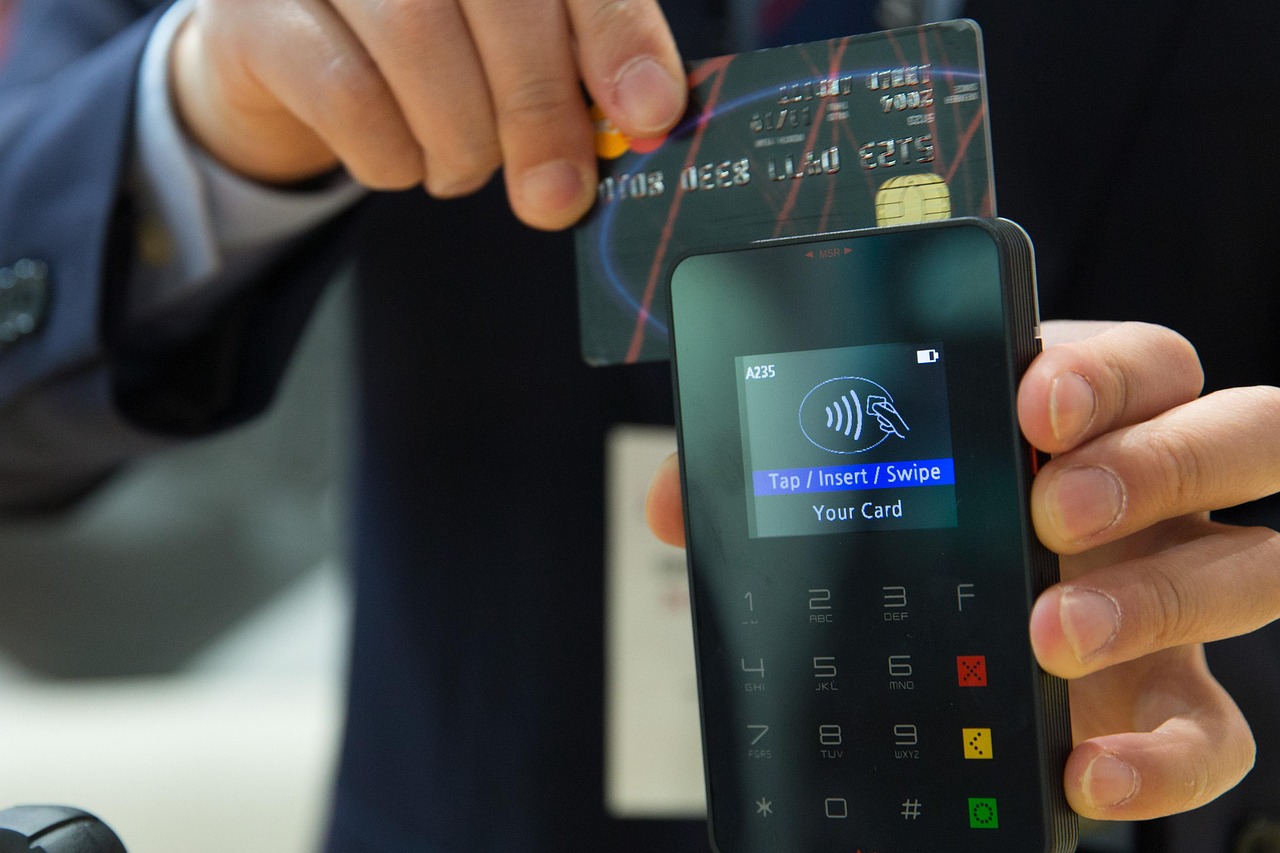
Combining your card machine with your till eliminates manual reconciliation between two separate systems. If you are weighing up your hardware options, our guide to a card machine and till system combined explains exactly why integration matters for accuracy and end-of-day speed.
Detailed Reporting and Business Intelligence
Sales-by-hour, best-selling products, staff performance, margin analysis, and void reports are all generated automatically. Decisions that once required manual spreadsheet work — which lines to promote, when to schedule extra staff, which suppliers are delivering on margin — become data-driven and fast.
Customer Loyalty and Retention
Built-in loyalty programmes, customer profiles, and targeted promotions turn one-time buyers into repeat visitors. The system tracks spend history, so personalised offers become straightforward rather than a manual exercise.
EPOS Till Systems for Retail: Features That Drive Sales
Retail environments demand speed, stock accuracy, and the flexibility to handle a broad product range across multiple categories or locations. The features that matter most include:
- Multi-location stock management — centralised visibility across warehouses, stockrooms, and shop floors, with transfer requests handled in the software.
- Barcode and SKU management — handling thousands of product variants (size, colour, weight) without manual workarounds.
- Promotions engine — automatically applying multi-buy discounts, time-limited offers, or loyalty points at the point of sale, with no staff intervention required.
- Returns and exchanges — processing refunds directly to the original payment method, with stock automatically reinstated.
- Supplier purchase orders — raising and receiving orders within the same system, so stock-on-hand figures are always current.
If your business sells clothing, accessories, or footwear, the variant management capabilities are particularly critical — see our dedicated article on the best EPOS systems for clothing shops in the UK for a sector-specific breakdown. You can also view a retail EPOS software demo to see these features in action before committing.
EPOS Till Systems for Hospitality: Faster Service, Happier Customers
In hospitality — restaurants, cafés, pubs, hotels, and takeaways — the priorities shift towards speed of service, accurate order routing, and table management. A purpose-built hospitality till system typically includes:
- Table and floor-plan management — visual layouts that show table status (vacant, occupied, waiting for payment) at a glance, reducing service errors.
- Kitchen Display Systems (KDS) and printer routing — orders sent directly to the correct kitchen or bar station the moment they are placed, eliminating handwritten dockets and missed items.
- Course and modifier management — allowing staff to specify cooking preferences, allergen flags, and upsell extras without leaving the terminal.
- Split bills and tab management — handling complex end-of-meal payments quickly, even across multiple payment methods.
- Online ordering and delivery integration — connecting in-house orders with delivery platforms so all orders land in one system, reducing double-entry errors.
If you operate a restaurant or café and want to see how the software handles a live service environment, an interactive restaurant EPOS software demo is the most efficient way to assess it. Specialist operators such as pharmacies have their own workflow requirements — a pharmacy EPOS software demo covers those specific needs in detail.
How to Choose the Right Till System for Your Business
Selecting a system involves matching capability to context. The following comparison table summarises the key criteria and how they map to different business types, helping you identify the most relevant configuration before speaking to a supplier.
| Selection Criterion | Independent Retailer | Multi-Site Retailer | Restaurant / Café | Pub / Bar |
|---|---|---|---|---|
| Stock management depth | Essential — variants and categories | Critical — centralised across sites | Moderate — menu items and modifiers | Moderate — drinks and cellar stock |
| Table / floor management | Not required | Not required | Essential | Useful for table service |
| Kitchen / bar printing or KDS | Not required | Not required | Essential | Essential |
| Integrated card payments | Strongly recommended | Essential | Essential | Essential |
| Loyalty and promotions engine | High value | High value | Useful | Useful |
| Cloud reporting and remote access | Useful | Essential | Useful | Useful |
| Offline mode (works without internet) | Recommended | Recommended | Essential | Essential |
| Ecommerce or online ordering integration | Increasingly important | Strongly recommended | High value | Moderate value |
Beyond the table above, ask prospective suppliers three practical questions before signing a contract: Does the system work offline if your broadband drops? What does onboarding and training look like in practice — is it self-serve or guided? And what does the support model look like after go-live, including response times and out-of-hours cover?
Small businesses have particular considerations around simplicity and budget — our guide to the best till systems for small businesses in the UK addresses those priorities directly. You can also explore the EPOS Direct home page for current offers and full product information across all sectors.
What Does a Till System Cost in the UK?
Pricing in the UK market varies considerably depending on the number of terminals, the software tier, and whether you opt for a capital purchase or a managed monthly arrangement. The figures below are honest indicative ranges — not quotes — to give you a realistic working budget before you request a formal proposal.
Typical Indicative Cost Ranges
- Entry-level single-terminal retail or café setup (hardware + software subscription): typically from around £300–£600 upfront for hardware, with software from approximately £30–£60 per month.
- Mid-range setup with integrated payments, loyalty, and reporting: most setups fall between £60 and £120 per month on a managed subscription, often with reduced or zero hardware cost depending on the contract.
- Multi-terminal or multi-site deployments: per-site costs reduce at scale; larger installations are typically quoted individually based on terminal count and feature requirements.
- Hardware-only purchases (terminal, scanner, printer, cash drawer): budget from approximately £400–£900 per complete till point, depending on specification.
Card processing rates are charged separately by the payment provider and are regulated in the UK — interchange fee caps for consumer card transactions are set by UK Finance rules derived from the Interchange Fee Regulation, which you can verify directly on the UK Government website. If keeping card machine costs lean is a priority, our article on card machines with no monthly fee is worth reviewing alongside your till budget. For businesses conscious of total cost of ownership, our guide to the most affordable EPOS systems for small businesses helps identify where to invest and where you can reasonably economise.
If mobile payment flexibility is part of your requirements — for markets, outdoor events, or tableside payments — our overview of the best wireless card machines for small businesses covers the options that pair well with a fixed EPOS setup.
Why EPOS Direct Is the Trusted Choice for UK Businesses
EPOS Direct has been supplying and supporting EPOS and POS systems to UK retailers, restaurants, pubs, cafés, and specialist operators for many years. The team's experience spans independent high-street shops through to multi-site hospitality groups, which means the advice you receive is grounded in real deployment scenarios rather than generic sales material.
What Sets EPOS Direct Apart
- UK-based support — access to a dedicated support team familiar with the specific operational pressures of UK retail and hospitality trading patterns, including seasonal peaks.
- Purpose-built software — the EPOS Direct software platform is designed specifically for UK business requirements, including VAT handling, Making Tax Digital compatibility, and localised payment processing. Explore the full EPOS software to assess the feature set in detail.
- Flexible commercial models — whether you prefer a capital purchase, a managed monthly subscription, or a bundled hardware-and-software package, the team will structure an arrangement that fits your cash flow.
- Sector-specific expertise — separate retail and hospitality offer packages mean you are not paying for features irrelevant to your sector. View retail EPOS offers or hospitality and restaurant EPOS offers based on your business type.
Ready to See What a Modern Till System Can Do for Your Business?
The difference between a functional till and a system that actively improves your business comes down to two things: the right software configuration for your sector, and a supplier who understands your operational context. EPOS Direct provides both.
The most efficient next step is to see the system working in a context that mirrors your own. Request a free demo tailored to your sector, or if you prefer to speak with someone first, talk to an expert online — the team will answer your specific questions without obligation and help you identify the configuration that best fits your business and budget.
Written by the EPOS Direct UK team, who work with UK retail and hospitality businesses every day to help them select, implement, and get the most from their EPOS and POS systems.
Frequently asked questions
- What features should I expect from a good till system for my shop or café?
- A quality till system should include an intuitive touchscreen interface, real-time inventory tracking, integrated card payment processing, sales reporting and analytics, staff management tools, and customer receipt options (print or email). For hospitality businesses, table management and kitchen display integration are also valuable features to look for.
- How much does a till system typically cost for a small UK business?
- In the UK, entry-level EPOS till systems typically start from around £300 to £600 for a basic hardware bundle, including a touchscreen terminal and receipt printer. Mid-range systems with full software licences, card readers and stock management often range from £800 to £1,500. Monthly software subscription plans are also available from approximately £20 to £80 per month depending on features. EPOS Direct offers flexible packages to suit different budgets, so it is worth requesting a tailored quote.
- Can a till system integrate with my existing accounting or stock management software?
- Yes, most modern EPOS till systems are designed to integrate seamlessly with popular accounting platforms such as Xero and QuickBooks, as well as stock management and e-commerce tools. When choosing a system, confirm which integrations are available out of the box and whether API access is offered for custom connections. EPOS Direct systems are built with integration flexibility in mind for UK businesses.
