We use cookies to make your experience better.
To comply with the new e-Privacy directive, you agree to the privacy policy and our use of cookies


Top Card Machines for Small Shops: Which One Is Right for Your Business?
The Best Card Machines for Small Shops in the UK
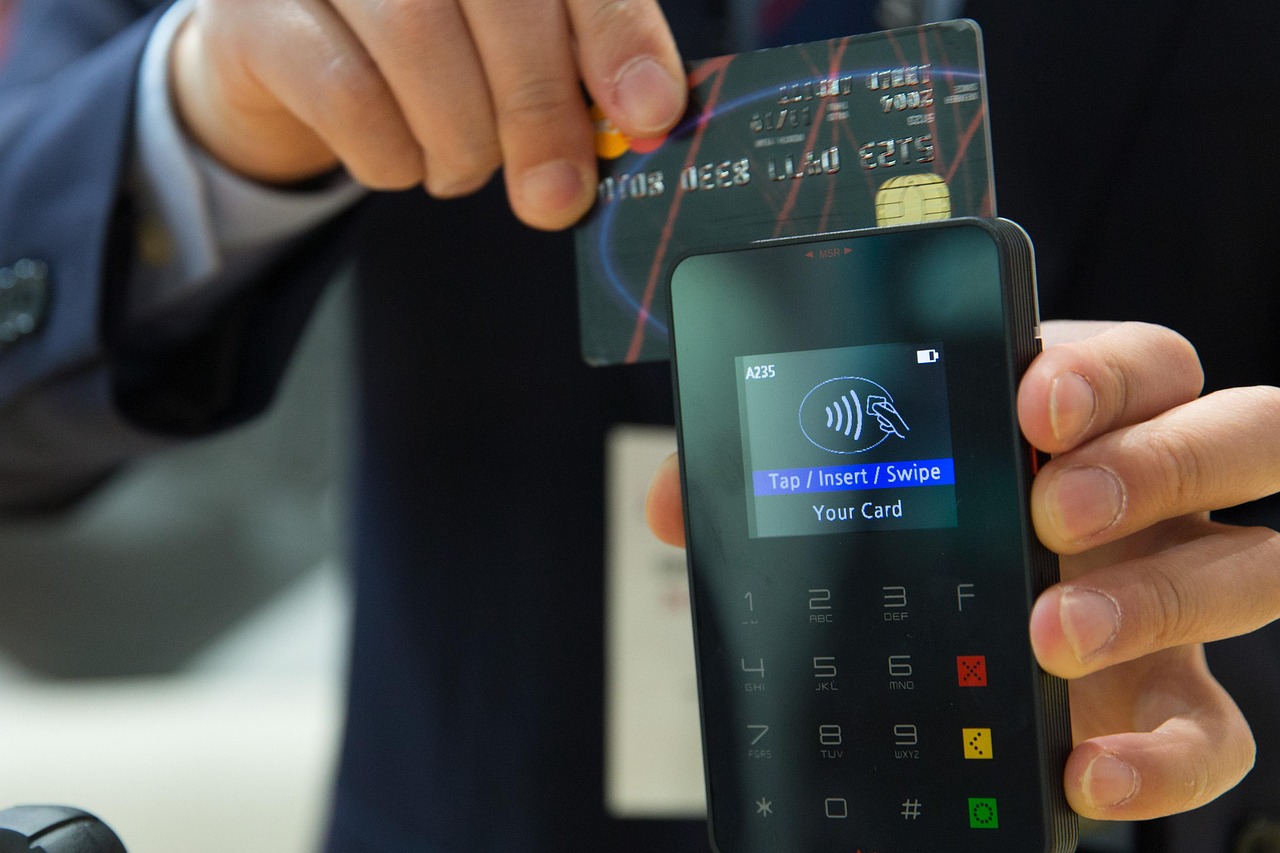
For small shop owners across the UK, accepting card payments is no longer optional — it is an expectation. The right card machine does far more than process transactions: it shapes queue times, cash-flow visibility, customer trust, and the accuracy of your end-of-day reports. This guide cuts through the noise to help independent retailers identify the payment solution that genuinely fits their business model, budget, and growth plans.
Why the Right Payment Solution Matters for Small Retailers
UK consumers increasingly pay by card, contactless, or mobile wallet, and a slow, unreliable, or poorly integrated payment terminal costs you sales — not just at the point of refusal, but in the customer experience that follows. Beyond raw acceptance rates, the card machine you choose affects:
- Stock accuracy — integrated terminals update inventory automatically; standalone machines do not.
- End-of-day reconciliation — mismatches between terminal totals and till reports eat up time every evening.
- Cash flow — settlement timescales vary significantly between payment providers, from next-day to several business days.
- Customer confidence — a professional, fast terminal signals reliability.
Choosing a card machine is, in practice, choosing a payment partnership — and the wrong one can be expensive to exit. Take it seriously from the outset.
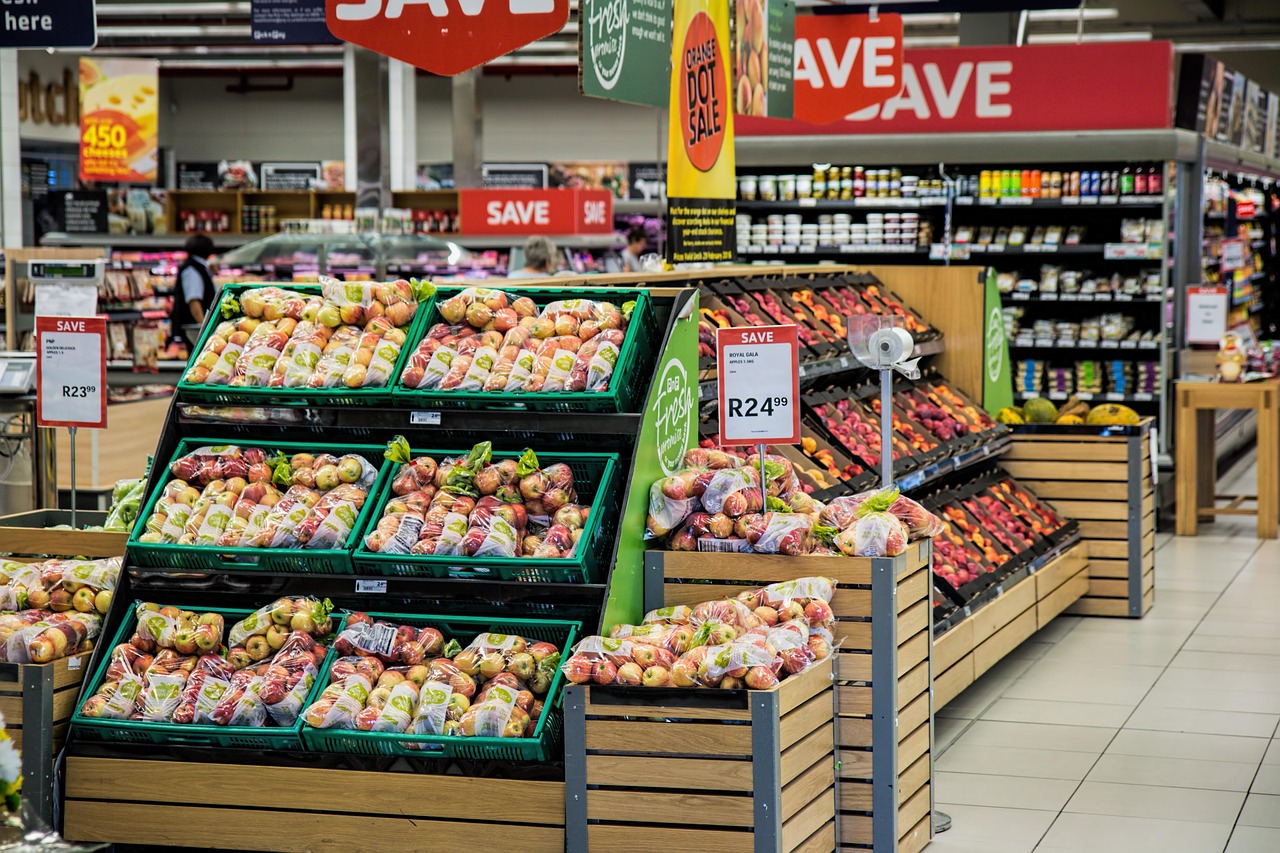
Types of Card Machines Available for Small Shops
Not every terminal suits every retail environment. Understanding the broad categories makes comparison meaningful.
Countertop Terminals
Fixed to the counter and powered by mains electricity, countertop terminals are the backbone of most small shops. They connect via Ethernet or Wi-Fi, offer reliable uptime, and tend to carry lower transaction fees than mobile alternatives. They are the natural choice for any shop with a defined checkout point.
Portable (Cordless) Terminals
Bluetooth or DECT-connected terminals work within a radius of roughly 50–100 metres of the base station. Ideal for café-style retail, farm shops, or market stalls with a nearby power source — they let staff take payment to the customer rather than directing the customer to the till.
Mobile (SIM-Based) Terminals
These run over a 4G or 5G mobile network independently of your broadband. They are built for outdoor markets, pop-up events, and mobile traders. Transaction fees are sometimes marginally higher, and battery life is a practical consideration for all-day trading.
Integrated Smart Terminals
Android-based smart terminals — sometimes called "all-in-one" devices — combine a payment terminal with a touchscreen till interface, inventory lookup, and receipt printing in a single unit. For a small shop that does not yet have a full EPOS system, a smart terminal can be a meaningful step up from a basic card reader without requiring significant hardware investment.
Key Features to Look For
When comparing options, a real buyer's checklist looks different from a manufacturer's marketing sheet. Prioritise the following:
- Contactless and mobile wallet support — Apple Pay, Google Pay and contactless card acceptance are non-negotiable for UK retail in 2025 and beyond.
- Connection reliability — does the terminal have a cellular fallback if your broadband drops? Payment downtime at peak hours is a tangible revenue loss.
- Settlement speed — check how quickly funds reach your bank account. Next-business-day settlement is standard with reputable providers; some offer same-day for a fee.
- Receipt options — printed, emailed, and SMS receipts; printed receipts still matter in grocery, pharmacy, and gifts.
- Integration capability — can the terminal connect to your EPOS software? This is critical if you want automated stock deductions and unified reporting.
- PCI DSS compliance — your provider should handle PCI DSS certification on your behalf; confirm this before signing anything. The PCI Security Standards Council (pcisecuritystandards.org) publishes the formal requirements.
- Customer-facing display — essential for itemised basket confirmation and tip prompts in certain retail categories.
Transaction Fees and Contract Costs: What to Expect
One of the most common questions from small shop owners is simply: "What will this actually cost me each month?" The honest answer is that it depends on your monthly card turnover, your contract type, and whether your machine is standalone or integrated. Here is a realistic picture of indicative UK market ranges — treat these as guidance, not quotes.
| Cost Element | Typical Indicative Range (UK) | Notes |
|---|---|---|
| Terminal rental (monthly) | Typically £10–£30 per month | Varies by contract length; longer terms usually reduce the monthly fee |
| Transaction fee (debit card) | Typically 0.3%–1.0% per transaction | Lower rates usually require a minimum monthly volume commitment |
| Transaction fee (credit card) | Typically 0.6%–2.0% per transaction | Interchange++ pricing is often cheaper for higher-volume shops |
| Monthly minimum charge | Typically £10–£25 per month | Applies when transaction fees fall below the minimum threshold |
| No-monthly-fee plans (pay-as-you-go) | No fixed cost; higher per-transaction rate | Better for very low card volumes; can be costly as volumes grow |
| Integrated EPOS + payment bundle | Typically from £30–£80 per month total | Includes EPOS software licence, hardware support, and terminal |
If you are comparing pay-as-you-go card readers against a monthly rental with lower per-transaction rates, the crossover point for most small shops tends to be somewhere between £2,000–£5,000 of monthly card turnover — above that level, a contracted rate typically offers better value. For a deeper look at no-fee options, our guide to card machines with no monthly fee for UK businesses explores when that structure genuinely saves money and when it costs more in the long run.
Always read the full contract before signing. Key things to check include: early termination fees, annual price review clauses, and whether the quoted rate covers all card types or only standard Visa and Mastercard debit.
Standalone Card Machines vs. Integrated EPOS Systems
Another question that comes up repeatedly: "Do I need a full EPOS system, or will a standalone card machine do?" The answer depends on how complex your shop's operation is — and how much manual admin you are willing to absorb.
When a Standalone Card Machine Is Enough
If you run a very small operation with a limited product range, high product familiarity (you know your prices by heart), and you reconcile sales by hand at the end of each day, a standalone terminal may be perfectly adequate. It is simple, low-cost, and quick to set up. The trade-off is that every card transaction is siloed: no automatic stock update, no customer purchase history, no unified sales reporting.
When an Integrated EPOS System Adds Clear Value
As soon as you are managing more than a few dozen SKUs, running promotions, tracking staff activity, or trying to understand which products actually drive margin, integration becomes valuable rather than optional. A connected EPOS system links your card payment directly to your product catalogue, your stock levels, and your reporting dashboard — in real time. Our detailed guide on combining a card machine with a till system walks through exactly how this works in practice, including the hardware and software components involved.
For small retailers who are weighing up the broader commitment of a full EPOS platform, the complete guide to EPOS systems for small businesses is a thorough starting point — covering everything from software features to realistic implementation timescales.
Comparison: Standalone Terminal vs. Integrated EPOS Solution
| Consideration | Standalone Card Machine | Integrated EPOS + Payment |
|---|---|---|
| Setup complexity | Low — plug in and go | Moderate — requires configuration |
| Upfront/monthly cost | Lower | Higher, but often offset by efficiency gains |
| Stock management | Manual | Automatic with every sale |
| Sales reporting | Basic totals only | Itemised, categorised, exportable |
| Promotions and discounts | Manual override at till | Rule-based, automated |
| Multi-staff accountability | Not supported | Individual logins, cashier reports |
| Scalability to multiple locations | Difficult | Designed for it |
| Suitable for | Very small or mobile operations | Most established small shops |
How EPOS Direct UK Supports Small Shop Payment Needs
EPOS Direct UK works with independent retailers across the United Kingdom, helping them move from fragmented payment and stock systems to a single, joined-up solution. Rather than selling a generic card reader and leaving you to figure out the rest, the team pairs payment hardware with purpose-built EPOS software — ensuring the terminal you use on the counter feeds live data directly into your stock reports, sales dashboards, and end-of-day summaries.
For small shops specifically, that means:
- Hardware that is sized and priced for independent retail, not enterprise chains
- EPOS software with an intuitive touchscreen interface that staff can learn quickly
- Ongoing UK-based support, not a chatbot and a help article
- Flexible options across sectors — from gifts and convenience to pharmacy and specialist retail
If you are curious about what the software looks like before committing, you can watch a retail EPOS software demo at your own pace, or browse our current retail EPOS offers to see what hardware and software bundles are available right now. You will find further details, seasonal promotions, and sector-specific information on the EPOS Direct UK home page.
If cost is a primary concern, it is worth reading our guide to affordable EPOS systems for small businesses in the UK, which lays out the most practical ways to keep total cost of ownership low without sacrificing the features that actually matter.
How to Choose and Get Started
A final practical question worth addressing: "Where do I actually begin?" Rather than jumping straight to a product page, work through these steps first.
- Estimate your monthly card turnover. This single number will tell you whether pay-as-you-go or a contracted rate makes more financial sense.
- Map your checkout workflow. Is there one fixed point of sale? Do staff need to move around the shop? Do you need a customer-facing display? Your physical environment narrows the terminal type quickly.
- Decide whether you need stock management. If you already have an EPOS system, you need a terminal that integrates with it. If you do not have one yet, this is the moment to consider whether a combined system is the smarter investment.
- Check contract terms carefully. Compare minimum term length, early exit fees, and annual review clauses — not just the headline transaction rate.
- Ask about support. Who do you call at 9am on a Saturday when your terminal is unresponsive and the shop opens in 20 minutes?
Once you have a clear picture of your requirements, the team at EPOS Direct UK can match you to the right hardware and software combination without overselling. You can talk to an expert online for a no-obligation conversation, or request a free demo to see the system in action before you make any decision.
The Bottom Line
The best card machine for a small shop is the one that fits how you actually trade — not the one with the lowest advertised transaction fee or the flashiest hardware. For most independent UK retailers, that means a terminal integrated with a capable EPOS system, supported by a provider who understands the realities of small retail and is reachable when things go wrong. EPOS Direct UK exists precisely to make that combination accessible, without enterprise-level complexity or pricing.
Ready to take the next step? Request a call back from the EPOS Direct UK team and let us help you find a payment and till solution built around your shop — not the other way around.
Written by the EPOS Direct UK team, who support independent retailers and small businesses across the United Kingdom with EPOS and payment solutions every day.
Frequently asked questions
- How much does a card machine cost for a small shop in the UK?
- Costs vary depending on the type and provider. Portable or countertop card machines from payment providers typically range from £0 upfront (on a monthly contract) to around £150–£300 to purchase outright. Monthly rental fees usually run between £15 and £40. Transaction fees in the UK generally sit between 1% and 2.5% per card payment, with fixed-rate providers like Square or SumUp charging around 1.69%–1.75% per transaction. Integrated EPOS card terminals may cost more upfront but reduce manual errors and speed up checkout.
- Do I need a separate card machine or can it work with my till system?
- You can use either. A standalone card machine works independently but means manually entering sale totals, which can cause errors. An integrated card machine connects directly to your EPOS till system so payments are automatically matched to the transaction — saving time, reducing mistakes and making end-of-day reconciliation much simpler. For most small shops processing more than 20–30 transactions a day, integration is well worth considering.
- What is the most reliable card machine for a small retail shop with patchy Wi-Fi?
- If your shop has unreliable Wi-Fi, look for a card machine that supports 4G connectivity as a fallback. Many modern portable terminals — including those paired with EPOS Direct systems — support dual connectivity so you won't lose sales during broadband outages. It's also worth checking whether the device can store and forward transactions offline, processing them once connectivity is restored.
