We use cookies to make your experience better.
To comply with the new e-Privacy directive, you agree to the privacy policy and our use of cookies


The Best Card Payment Machines for UK Retail & Hospitality Businesses
The Best Card Payment Machines for UK Businesses in 2025

Choosing the right card payment machine is one of the most commercially significant decisions a UK business makes — it affects customer experience, cash flow, operational efficiency, and the monthly cost base for years to come. The strongest solutions in 2025 combine low transaction fees, seamless integration with your point-of-sale software, and the flexibility to accept every major payment method your customers expect. This guide, written by the EPOS Direct UK team who work with British retailers and hospitality operators every day, cuts through the noise to help you identify the right fit for your business.
What to Look for in a Card Payment Machine for Your Business
Before comparing hardware, it pays to map your own requirements. The machine that suits a busy pub differs markedly from one serving a boutique clothing retailer or a mobile market trader. Evaluate each option against these core criteria:
- Accepted payment methods: Every modern machine should support chip-and-PIN, contactless, Apple Pay, Google Pay, and Samsung Pay as a baseline. If you serve international visitors, look for Amex acceptance too.
- Connectivity: Countertop machines typically run over Ethernet or Wi-Fi; portable machines rely on Wi-Fi; mobile machines use 4G/SIM. Consider your venue's infrastructure honestly before committing.
- Transaction speed: Slow terminals create queues. Look for authorisation times under three seconds, particularly if you operate in high-volume retail or hospitality.
- Integration capability: A card machine that does not talk to your EPOS or till system creates double-keying, reconciliation headaches, and staff errors. Native integration is far preferable to bolt-on workarounds.
- Security standards: All UK card terminals must be PCI DSS compliant. Verify that any provider you consider can confirm current PCI DSS certification — the PCI Security Standards Council website is the authoritative source for checking compliance levels.
- Support: 24/7 UK-based technical support is worth paying for. A terminal down on a Saturday night is a real cost, not a theoretical risk.
If you are also weighing up your broader point-of-sale setup, our guide to the best till systems for small businesses in the UK covers the full picture alongside payment hardware.
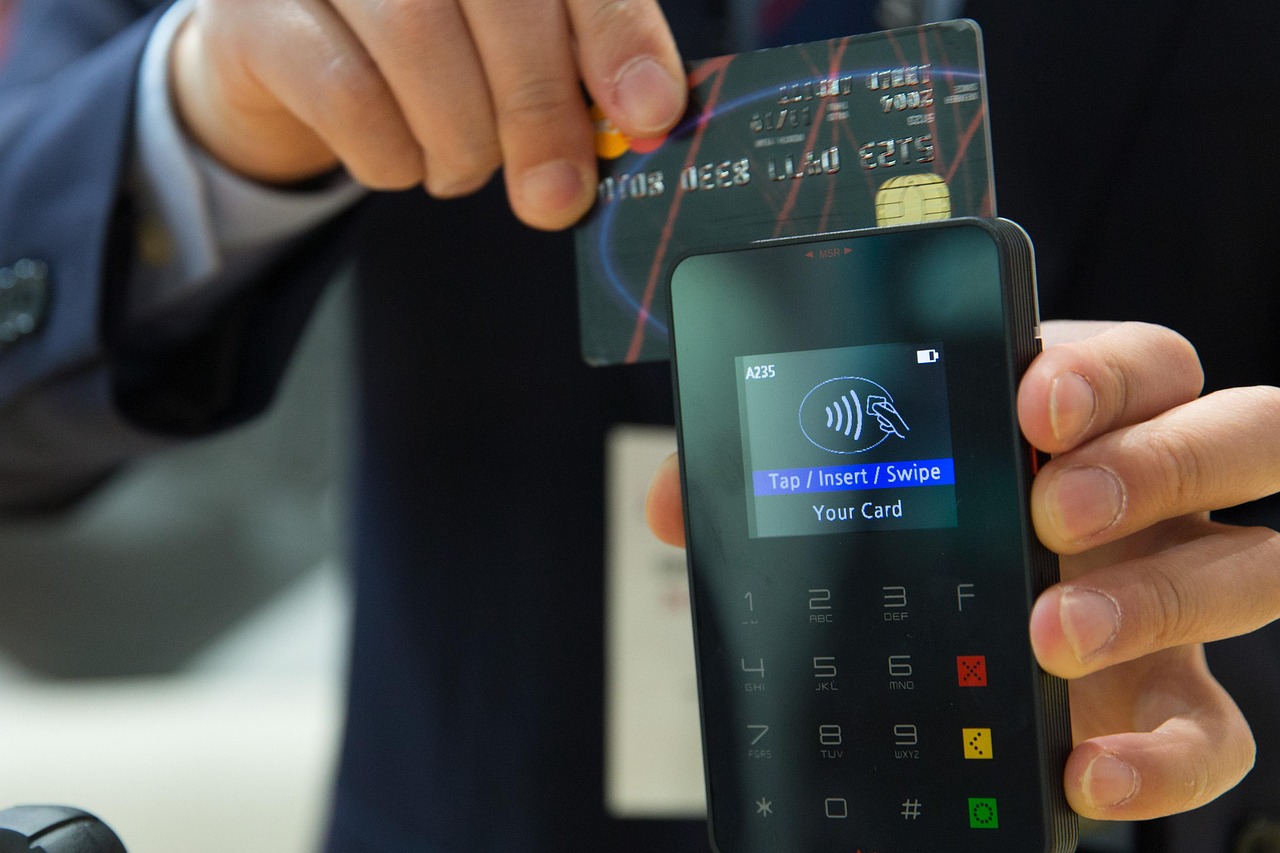
Types of Card Payment Machines: Countertop, Portable and Mobile Explained
The hardware category you choose shapes how your team works, so understanding each type's real-world strengths is essential.
Countertop Terminals
Fixed to a desk or counter via Ethernet or Wi-Fi, countertop machines are the workhorses of traditional retail, pharmacies, and front-of-house reception areas. They tend to offer the fastest connection speeds, the largest displays, and the most robust build quality. They are unsuitable anywhere customers or staff need to move the terminal away from a fixed point.
Portable (Wireless) Terminals
Portable machines connect via Wi-Fi and are designed to roam within a venue — ideal for table-side payments in restaurants, pay-at-pump scenarios, or multi-zone retail floors. Battery life and Wi-Fi range are the critical variables here. Our dedicated guide to the best wireless card machines for small businesses in the UK explores this category in detail if portability is your priority.
Mobile (SIM-Based) Terminals
Mobile terminals use a built-in SIM to connect over 4G, making them genuinely location-independent. They are the go-to choice for market traders, delivery drivers, mobile beauticians, tradespeople, and pop-up event operators. Some compact mobile readers pair via Bluetooth with a smartphone app, while others are fully self-contained handheld devices.
| Type | Best for | Connectivity | Typical monthly cost range | Key limitation |
|---|---|---|---|---|
| Countertop | Retail, pharmacy, reception | Ethernet / Wi-Fi | Typically £15–£35/month (rental) | Fixed location only |
| Portable (Wi-Fi) | Restaurants, bars, multi-zone retail | Wi-Fi | Typically £20–£45/month (rental) | Venue Wi-Fi dependent |
| Mobile (4G SIM) | Markets, events, mobile traders | 4G / SIM | Typically £15–£40/month (rental) | Ongoing data/SIM cost |
| Integrated EPOS terminal | Growing retail & hospitality businesses | Ethernet / Wi-Fi / 4G | Part of broader EPOS package; varies by provider | Higher upfront investment |
Note: all cost ranges above are indicative of typical UK market pricing and should be used for budgeting guidance only — actual quotes will depend on your transaction volumes, contract length, and chosen provider.
Transaction Fees, Contract Terms and Hidden Costs to Watch Out For
The headline transaction rate is rarely the whole story. A savvy buyer asks: what is the total cost of ownership across a realistic period of use?
Transaction Rates
UK card machine providers typically charge a percentage of each transaction, a flat pence-per-transaction fee, or a blended combination of the two. Consumer debit cards generally attract lower interchange costs than credit or corporate cards. Rates vary significantly between providers — as a rough market guide, many mid-market providers charge somewhere between 0.5% and 1.75% per transaction, though negotiated rates for higher-volume businesses can fall below this. Always request a schedule of fees in writing before signing.
Monthly Rental vs Outright Purchase
Monthly rental keeps upfront costs low but accumulates over a multi-year contract. Outright purchase (or lease-to-own) is often more economical for established businesses with predictable volumes. Check minimum contract lengths — 12, 18, and 24-month terms are common; some providers impose early termination charges that can be substantial.
Costs That Are Easy to Miss
- PCI DSS compliance fees (sometimes charged monthly even if you do nothing active)
- Chargeback handling fees
- Paper rolls or consumables for receipt printers
- Gateway or payment processing fees on top of terminal rental
- Charges for additional terminals at the same site
If avoiding a monthly standing charge is a priority, our guide to card machines with no monthly fee for UK businesses examines pay-as-you-go alternatives honestly — including their trade-offs at higher transaction volumes.
How Card Payment Machines Integrate With Your EPOS System
This is the question many buyers overlook until it causes operational pain. A card machine that operates in isolation from your EPOS means staff must key the same amount twice — once into the till, once into the terminal — creating a material risk of entry errors, reconciliation mismatches, and slower service.
Genuine integration, by contrast, means the EPOS sends the transaction amount directly to the card terminal, the terminal confirms authorisation, and the result flows back into your sales data and stock records automatically. End-of-day reconciliation becomes near-instant and auditable.
When evaluating any card machine, ask the provider specifically: does this terminal support integrated payments with my current or planned EPOS platform? What is the technical method — is it a direct API, a middleware layer, or a proprietary protocol? The answers will tell you how robust and future-proof the integration is.
Our comprehensive resource on combining a card machine with a till system covers integration architecture in depth, including what to look for in a seamlessly unified setup. You can also explore EPOS Direct's own software platform, built from the outset to work natively with integrated payment hardware.
Card Machine for Retail vs Hospitality: Which Solution Fits Best?
The operational demands of a shop floor and a restaurant service differ enough that a single blanket recommendation would be misleading.
Retail Environments
Retail businesses typically need a countertop terminal at each staffed till, fast transaction throughput, and direct integration with stock management so card sales update inventory in real time. Larger retailers may need multiple terminals networked across a single site, with a back-office dashboard aggregating sales data. For clothing and fashion retailers specifically, our guide to EPOS systems for clothing shops in the UK explains how payment, stock, and sizing data should work together. If you want to see the software in action, you can book a retail EPOS software demo directly.
Hospitality Environments
Restaurants, bars, and cafés have different priorities: table-side payment to reduce covers-per-hour, split-bill functionality, integration with kitchen display systems, and the ability to apply covers or service charges automatically at the point of payment. Portable or handheld terminals that sync with a table management system are usually the best fit. Hospitality operators can view our hospitality and restaurant EPOS offers or book a restaurant EPOS software demo to see the workflow live.
What Does a Card Payment Machine Cost in 2025?
Understanding the realistic cost envelope helps you budget accurately and avoid being swayed by artificially low headline rates.
- Entry-level pay-as-you-go readers: typically from around £20–£50 to purchase outright, with no monthly fee but higher per-transaction percentage rates (often 1.5%–1.75% or above). Suited to very low-volume or occasional sellers.
- Mid-market rental terminals: typically £15–£45 per month depending on terminal type and contract length, with negotiated transaction rates. This is the most common model for established SMEs.
- Integrated EPOS + payment packages: pricing varies by provider and the scope of the software package, but most small-business setups fall in the range of £50–£150 per month all-in, covering hardware rental, software licensing, and payment processing. Larger multi-terminal installations will naturally sit higher.
For a fuller picture of affordable complete systems, our guide to the most affordable EPOS systems for small businesses in the UK benchmarks what you should realistically expect to pay at each tier.
All figures above are indicative market guidance only and are not quotes. Your actual costs will depend on transaction volumes, contract terms, terminal count, and negotiated rates.
How to Get Started With a Card Payment Machine From EPOS Direct
EPOS Direct UK specialises in complete, integrated EPOS and payment solutions for UK retailers, hospitality businesses, pharmacies, and independent traders. Rather than selling a card terminal in isolation, the team works with you to match hardware, software, and payment processing into a single coherent system — reducing the vendor-management overhead that comes with stitching together multiple suppliers.
The process is straightforward:
- Discovery: Share your business type, transaction volumes, number of terminals needed, and any existing systems. You can talk to an expert online right now, or request a call back at a time that suits you.
- Demo: See the full integrated system in action before committing. Request a free demo to walk through the payment and EPOS workflow relevant to your sector.
- Proposal: Receive a clear written proposal covering hardware, software, payment processing rates, and contract terms — with no hidden fees.
- Installation and training: EPOS Direct handles setup, configuration, and staff training so your team is confident from day one.
You can also browse current promotions and configurations on the EPOS Direct UK home page, where retail and hospitality offers are updated regularly, or visit the retail EPOS offers page directly.
For businesses exploring a broader EPOS investment, our complete guide to EPOS systems for small businesses and the EPOS Direct complete guide to POS systems for UK businesses provide the strategic context to help you plan with confidence.
The Bottom Line
The best card payment machine for your business is not necessarily the one with the lowest headline rate — it is the one that processes payments reliably, integrates cleanly with your EPOS software, fits how your team actually works, and costs what you can honestly sustain across the contract period. Get those fundamentals right and the hardware choice becomes straightforward.
EPOS Direct UK has helped hundreds of British businesses navigate exactly this decision. Whether you run a single-site independent shop or a multi-location hospitality group, the team can match you with a fully integrated payment and EPOS solution tailored to your operation. Request your free demo today and see what a joined-up system looks like in practice.
Frequently asked questions
- How much does a card payment machine cost in the UK?
- Costs vary depending on the type and provider. In the UK, a basic countertop card machine can start from around £49 to £150 upfront, while portable or smart terminals range from £100 to £300+. Some providers offer machines free on a merchant services contract, though you may pay higher transaction fees of 1.5% to 2.5% per transaction. Always compare the total cost of ownership including monthly fees, rental charges, and per-transaction rates before committing.
- Do I need a separate card reader if I already have an EPOS system?
- Not necessarily. Many modern EPOS systems, including those from EPOS Direct, support integrated card payment terminals that connect directly to your till software. This means sales are automatically reconciled, reducing manual errors and speeding up the checkout process. It is worth checking compatibility before purchasing a standalone reader.
- Which card payment machine works best for a busy restaurant or cafe?
- For hospitality venues, a portable or pay-at-table card terminal is generally the best choice. These allow staff to take payments directly to the customer, reducing queues and improving the dining experience. Look for machines that support contactless, Apple Pay, Google Pay, and ideally integrate with your EPOS or table management software for seamless order and payment tracking.
