We use cookies to make your experience better.
To comply with the new e-Privacy directive, you agree to the privacy policy and our use of cookies


The Best EPOS Systems for UK Retail & Hospitality Businesses
The Best EPOS Systems for UK Retail and Hospitality in 2026

Choosing the right EPOS system is one of the most consequential decisions a UK retailer or hospitality operator makes — the wrong setup costs you time, margins and customer loyalty, while the right one quietly does the heavy lifting across payments, stock, reporting and staff management. For most UK businesses in 2026, a cloud-based EPOS system with integrated card payments, real-time reporting and sector-specific features represents the strongest all-round investment. Whether you run an independent boutique, a busy restaurant or a multi-site café group, this guide cuts through the noise to help you find the system that fits your operation — not someone else's.
Written by the EPOS Direct UK team, who work with independent retailers, hospitality operators and multi-site businesses across the United Kingdom every day.
What Makes a Great EPOS System for a UK Business?
A genuinely effective EPOS system is not simply a till with a card reader attached. For UK businesses, the core criteria come down to three things: reliability under real trading conditions, compliance with UK fiscal and payments regulation, and the ability to grow with you without forcing a costly hardware refresh every few years.
When evaluating any system, experienced buyers focus on:
- Offline resilience — the system must continue processing sales if the internet drops, with transactions syncing automatically once connectivity is restored.
- UK payment acceptance — full support for chip-and-PIN, contactless (including Apple Pay and Google Pay) and, increasingly, tap-to-phone via software-based terminals.
- VAT-ready reporting — automatic VAT breakdowns aligned with HMRC's Making Tax Digital (MTD) requirements. Always verify your own obligations at GOV.UK's VAT guidance.
- Sector-specific workflows — stock management for retail; table plans, modifiers and kitchen display systems for hospitality.
- Scalability — support for multiple terminals, users and sites without proportional increases in cost or complexity.
If you are still deciding between a dedicated EPOS setup and a simpler till, our practical buyer's guide to the best till systems for small businesses in the UK walks through the key differences and when each makes sense.
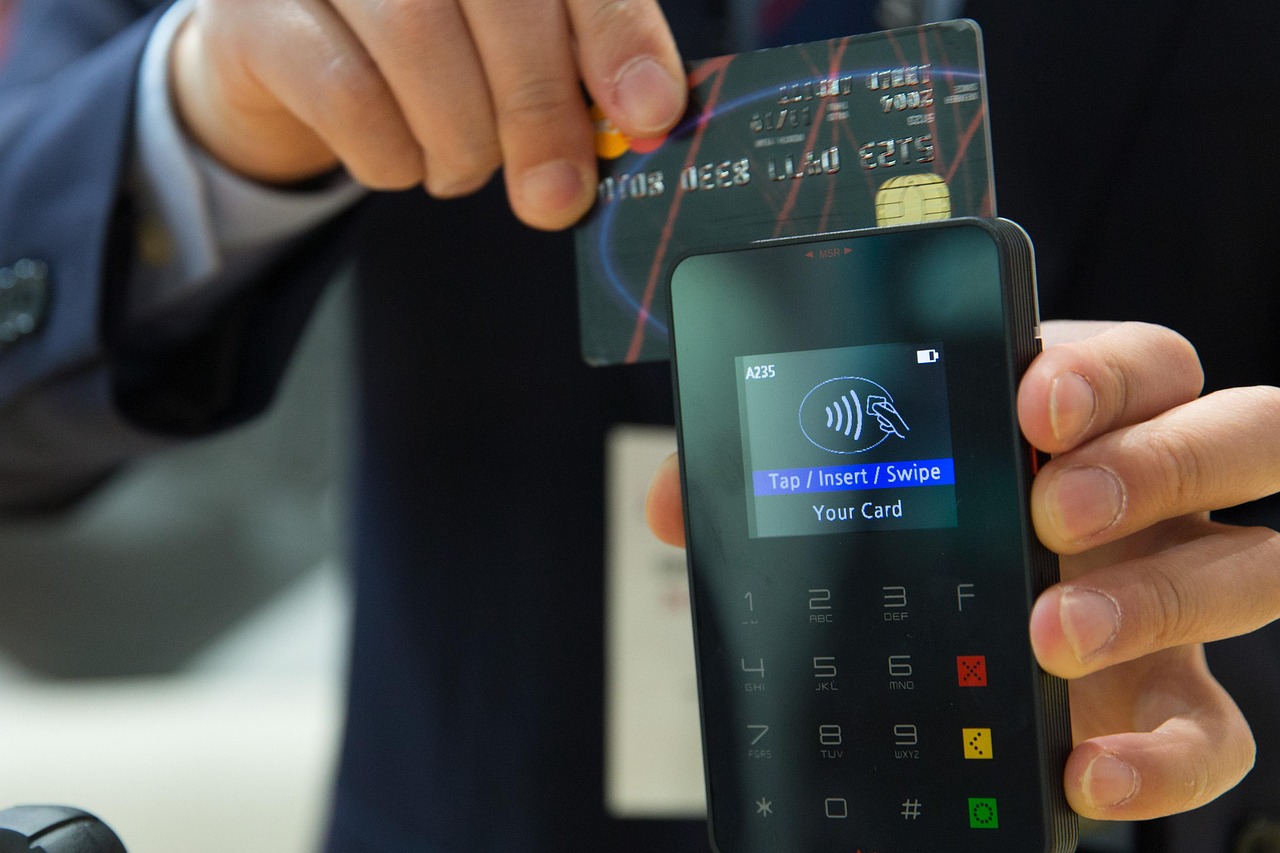
Best EPOS Systems for Retail: Features That Drive Sales
Retail EPOS systems earn their keep across the full trading day — from opening stock counts to end-of-day reconciliation. The features that genuinely move the needle for UK retailers go beyond simple sales processing.
Stock and Inventory Management
A strong retail EPOS platform tracks stock in real time at the point of sale, triggers low-stock alerts automatically and integrates with supplier ordering. For businesses selling across a physical shop and an online store, two-way sync with platforms such as Shopify or WooCommerce is increasingly non-negotiable.
Customer Loyalty and CRM
Built-in loyalty schemes — points-based or tiered — encourage repeat spend without requiring a separate subscription. The best systems capture purchase history against customer profiles, enabling targeted promotions and personalised receipts.
Multi-Till and Multi-Site Reporting
For retailers with more than one terminal or location, centralised reporting from a single back-office dashboard is essential. Look for systems that allow role-based access, so managers see store-level data and owners see the full picture.
You can explore the retail EPOS software demo from EPOS Direct to see these workflows in action before committing to anything. If integrated payments are a priority, our dedicated guide to EPOS systems with integrated card payments in the UK covers what to look for and which combinations deliver the lowest total cost.
Best EPOS Systems for Hospitality: Restaurants, Cafés and Bars
Hospitality EPOS systems carry a fundamentally different workload to retail. Speed, accuracy under pressure and clear communication between front-of-house and kitchen are the defining requirements — not just the ability to take a payment.
Table Management and Course Ordering
A visual table plan, the ability to split or merge covers, and flexible course-by-course ordering are baseline expectations for any full-service restaurant system in 2026. The best platforms fire orders directly to kitchen display screens or receipt printers, reducing verbal miscommunication and ticket errors.
Modifier and Allergen Handling
With allergen information requirements under UK law (Natasha's Law, in force since October 2021), the ability to flag and print allergen information at the point of order is not optional. Verify your specific obligations with the Food Standards Agency's allergen guidance.
Bar and Café Workflows
High-volume bar and café environments need fast-fire ordering, tab management and integrated card terminals that keep queues moving. Wireless handheld terminals — or QR-code-based table ordering — dramatically reduce wait times and increase average transaction values.
The restaurant EPOS software demo from EPOS Direct shows the full hospitality workflow, from table plan through to kitchen display and end-of-service reporting. Operators can also browse current hospitality and restaurant EPOS offers to understand what a complete system costs at different scales.
Cloud-Based vs Traditional EPOS: Which Is Right for You?
| Consideration | Cloud-Based EPOS | Traditional (On-Premise) EPOS |
|---|---|---|
| Access to data | Anywhere, any device, in real time | On-site terminals only by default |
| Software updates | Automatic, included in subscription | Manual, often charged separately |
| Upfront cost | Lower — hardware plus monthly fee | Higher — full licence cost typically paid upfront |
| Internet dependency | Requires connectivity (offline mode advised) | Functions without internet |
| Scalability | Add terminals and sites instantly | Scaling requires new licences or servers |
| Data security | Encrypted cloud storage, automatic backups | Depends on local backup discipline |
| Best suited to | Most modern UK SMEs and growing businesses | Businesses with unstable internet or specific legacy needs |
For the vast majority of UK businesses opening or upgrading in 2026, cloud-based EPOS offers a better total cost of ownership, greater flexibility and faster access to new features. Traditional on-premise systems retain a place where broadband reliability is genuinely poor or where a business has built significant workflow around existing infrastructure.
EPOS System Costs in the UK: What to Expect and Budget For
One of the most common questions buyers ask is simply: how much should I actually be spending? The honest answer is that costs vary considerably by hardware specification, software tier and the number of users — but broad UK market ranges are well established.
Indicative Cost Ranges (UK Market, 2026)
- Entry-level single-terminal setup — typically from around £300–£500 for hardware, plus a software subscription from approximately £20–£50 per month. Suited to sole traders or single-location businesses with straightforward needs.
- Mid-range retail or café setup — hardware bundles (touchscreen till, receipt printer, cash drawer, card reader) typically from £600–£1,200 upfront, with software subscriptions broadly in the £40–£100 per month range depending on features.
- Full-service restaurant or multi-terminal retail — complete systems including kitchen display screens, table management and multi-till licensing tend to fall between £1,500 and £3,500 for hardware, with monthly software costs scaling by terminal and site count.
- Multi-site operations — enterprise-tier arrangements are typically quoted individually; most providers offer per-site or per-terminal pricing at negotiated rates.
These figures are indicative guidance for budgeting purposes only and should not be treated as quotes. For a precise, obligation-free figure tailored to your business, request a free demo and personalised quote from EPOS Direct. If keeping initial outlay low is a priority, our guide to the most affordable EPOS systems for small businesses in the UK covers budget-conscious options in detail.
Must-Have EPOS Features: Payments, Reporting and Integrations
Beyond sector-specific functionality, a shortlist of universal features separates genuinely capable systems from those that look impressive on a sales sheet but frustrate in daily use.
Integrated Card Payments
Separating your EPOS software from your card processing creates reconciliation headaches and inflates your effective cost per transaction. Fully integrated card payments — where the terminal and till share a single transaction record automatically — are the cleanest solution and increasingly the industry standard. Our guide to combining a card machine and till system explains the integration options and their practical trade-offs.
Reporting and Analytics
Real-time sales dashboards, staff performance reports, product-level profitability and hourly trading patterns are the metrics that inform smarter buying, scheduling and pricing decisions. The best systems surface these automatically without requiring manual exports.
Third-Party Integrations
Key integrations to confirm before purchasing include: accounting software (Xero, Sage, QuickBooks), online ordering and delivery platforms, e-commerce storefronts, and payroll systems. An open API is a strong indicator that a system can grow alongside your technology stack.
Wireless and Mobile Terminals
For hospitality operators taking orders at the table, or retailers processing payments on the shop floor, wireless terminals are a significant revenue and experience upgrade. Our guide to the best wireless card machines for small businesses covers the options available in the UK market today.
Why UK Businesses Choose EPOS Direct
EPOS Direct has been supplying and supporting EPOS systems to UK businesses for over two decades, with a portfolio spanning independent retailers, national hospitality groups, pharmacies and specialist verticals. That longevity matters: it means the software has been shaped by the real-world feedback of thousands of UK operators rather than designed in the abstract.
A few practical reasons buyers consistently cite:
- UK-based support — dedicated account management and technical support from teams based in the UK, with response times matched to trading hours.
- Sector-specific software — separate software platforms optimised for retail, hospitality and pharmacy, rather than a single generic system stretched across every use case. Pharmacy operators can request a pharmacy EPOS software demo to see the purpose-built workflow.
- Transparent pricing — no hidden activation fees or unexpected price escalations at renewal.
- Complete hardware bundles — pre-configured, tested hardware packages mean businesses can be trading within days, not weeks.
- Flexible finance options — leasing and staged payment structures make enterprise-grade systems accessible to businesses at every scale.
You can explore the full range of capabilities and current offers on the EPOS Direct UK home page, or dive deeper into what the software platform delivers at software.eposdirect.co.uk. For businesses specifically evaluating options for smaller operations, our complete guide to EPOS systems for small businesses is a useful complement to this article.
Making the Right Decision for Your Business
The strongest EPOS system for your business is the one that fits your sector, your transaction volume and your growth trajectory — not the one with the longest feature list or the most aggressive introductory offer. Start by mapping your non-negotiables: the payment types you must accept, the integrations you cannot live without, and the reporting you need to run the business confidently. Then evaluate systems against those criteria, not against marketing claims.
EPOS Direct offers no-obligation consultations and live software demonstrations tailored to your sector and scale. Talk to an expert online to get specific answers for your business, or view current retail EPOS offers if you are ready to explore your options today. For businesses that prefer to start with a conversation, you can also request a call back at a time that suits you.
Frequently asked questions
- How much does an EPOS system typically cost for a small UK business?
- For a small UK business, expect to pay roughly £300–£800 for an entry-level EPOS hardware bundle (touchscreen terminal, receipt printer and card reader). Software licences typically run £20–£80 per month depending on features. Many providers, including EPOS Direct, offer finance options or bundled packages that spread the cost, making it accessible for startups and independents alike.
- Do I need a separate card payment terminal or does an EPOS system handle payments too?
- Most modern EPOS systems integrate directly with card payment terminals, allowing you to take chip-and-pin, contactless and mobile payments from the same device. Integrated payment hardware removes the need for a separate PDQ machine and speeds up checkout, reducing human error from manual card entry.
- Can I use an EPOS system to manage multiple shop or restaurant locations from one place?
- Yes. Cloud-based EPOS systems allow you to manage stock levels, staff rotas, sales reports and menus across multiple sites from a single online dashboard. This is particularly valuable for growing retail chains or restaurant groups that need real-time visibility across all locations without being on-site.
