We use cookies to make your experience better.
To comply with the new e-Privacy directive, you agree to the privacy policy and our use of cookies

The Best EPOS Systems for a Busy Pub: What UK Landlords Need to Know
The Best EPOS Systems for a Busy Pub: What UK Landlords Need to Know

Running a busy pub demands split-second service, tight stock control and a system that can handle a packed Saturday night without missing a beat. The right EPOS system transforms bar operations — reducing errors, accelerating service and protecting margins through real-time stock visibility. This guide walks UK landlords and pub managers through everything they need to evaluate, compare and confidently choose a hospitality EPOS solution built for high-volume environments.
Why a Standard Till Simply Won't Cut It in a High-Volume Pub
A basic cash register records sales. A purpose-built pub EPOS system manages the entire service operation — and the difference is felt the moment the bar fills up on a Friday evening. Standard tills lack the tab management, multi-terminal synchronisation and real-time reporting that define professional pub operation.
Consider what happens during a typical busy session: staff are holding open tabs across multiple customers, rounds are being added mid-transaction, the kitchen needs to know about food orders instantly, and card payments are happening simultaneously at two or three points in the room. A retail-grade till or basic point-of-sale app simply cannot orchestrate all of that without errors and delays that cost you both revenue and reputation.
Purpose-built hospitality EPOS platforms are designed with bar workflow at their core — fast item entry, tab-based selling, quick-fire round additions and integrated card payment terminals that don't slow the queue. If you're still weighing up entry-level options, our guide to the best till systems for small businesses in the UK offers useful context on where basic systems end and professional hospitality EPOS begins.
The Must-Have Features Every Busy Pub EPOS System Should Include
Not all hospitality EPOS systems are equal. When evaluating options for a high-footfall pub, prioritise these non-negotiable capabilities:
- Open tab management: Staff should be able to open a named or numbered tab instantly, add items throughout the session and settle at any point — without holding up the queue.
- Round management: Quick-add functionality that lets a bartender replicate or build on a previous round in two or three taps rather than re-entering every item.
- Multiple simultaneous terminals: A single-terminal system becomes a bottleneck. Look for cloud-based platforms that sync across two, three or more terminals in real time.
- Split bill functionality: Customers increasingly want to pay individually for their share. Your EPOS must handle this cleanly and quickly without manual arithmetic.
- Age verification prompts: Automated prompts for Challenge 25 compliance keep staff legally protected and ensure consistency — particularly important during busy periods when vigilance can slip.
- Kitchen display system (KDS) integration: Food orders should fire directly to a kitchen screen, eliminating paper tickets and reducing errors from verbal communication.
- Offline mode: Internet outages happen. Your EPOS must continue taking orders and payments locally, then sync automatically when connectivity restores.
- Real-time reporting: Managers need visibility of sales by product, category, staff member and time period — from behind the bar or remotely on a mobile device.
How to Handle Split Bills, Open Tabs and Round Management with the Right EPOS
This is where pub EPOS earns its keep. The workflow around tabs and rounds is fundamentally different from retail checkout, and systems that haven't been built specifically for hospitality tend to buckle here.
Open Tabs
A well-designed system lets staff open a tab with a customer name, card pre-authorisation or room number in a matter of seconds. Items are added incrementally throughout the visit. The tab screen should show a running total at a glance so staff can advise customers approaching a pre-auth limit without stopping service.
Round Management
Efficient round management means a bartender can pull up the last round, add or remove a drink and fire it to the bar printer or KDS immediately. Some systems allow staff to save "favourite rounds" against a tab — genuinely useful for regulars or large parties whose order rarely changes.
Split Bills
Split bill handling should allow division by item, by number of covers, or by custom amount. The best systems handle this in a single workflow rather than requiring staff to manually void and re-ring items — a clumsy workaround that creates queue pressure and till reconciliation headaches at end of day.
Stock Control and Wastage Tracking: Why It Matters Behind the Bar
Margins in UK pubs are under sustained pressure from duty, energy costs and changing consumer habits. Stock control is one of the most powerful levers a landlord has, and a capable EPOS system turns guesswork into data.
Every pint poured, every spirit measure dispensed and every bottle opened should decrement stock in real time. This gives you a live theoretical stock level against which you can compare physical counts — the variance between the two is your shrinkage, whether from wastage, spillage, over-pouring or theft. Industry guidance from organisations such as the British Institute of Innkeeping (BII) consistently identifies stock loss as one of the primary margin drains in managed pubs; your EPOS is the first line of defence.
Key stock features to look for:
- Ingredient-level stock depletion (e.g. cocktails reducing base spirit, mixer and garnish simultaneously)
- Low-stock alerts triggering automated purchase orders or supplier notifications
- Wastage logging with reason codes (spillage, breakage, comp) so you can distinguish accidental loss from avoidable loss
- Supplier management and goods-received notes within the EPOS back-office
- End-of-day variance reports that flag discrepancies by category or staff member
Integration with Card Payments, Kitchen Screens and Loyalty Schemes
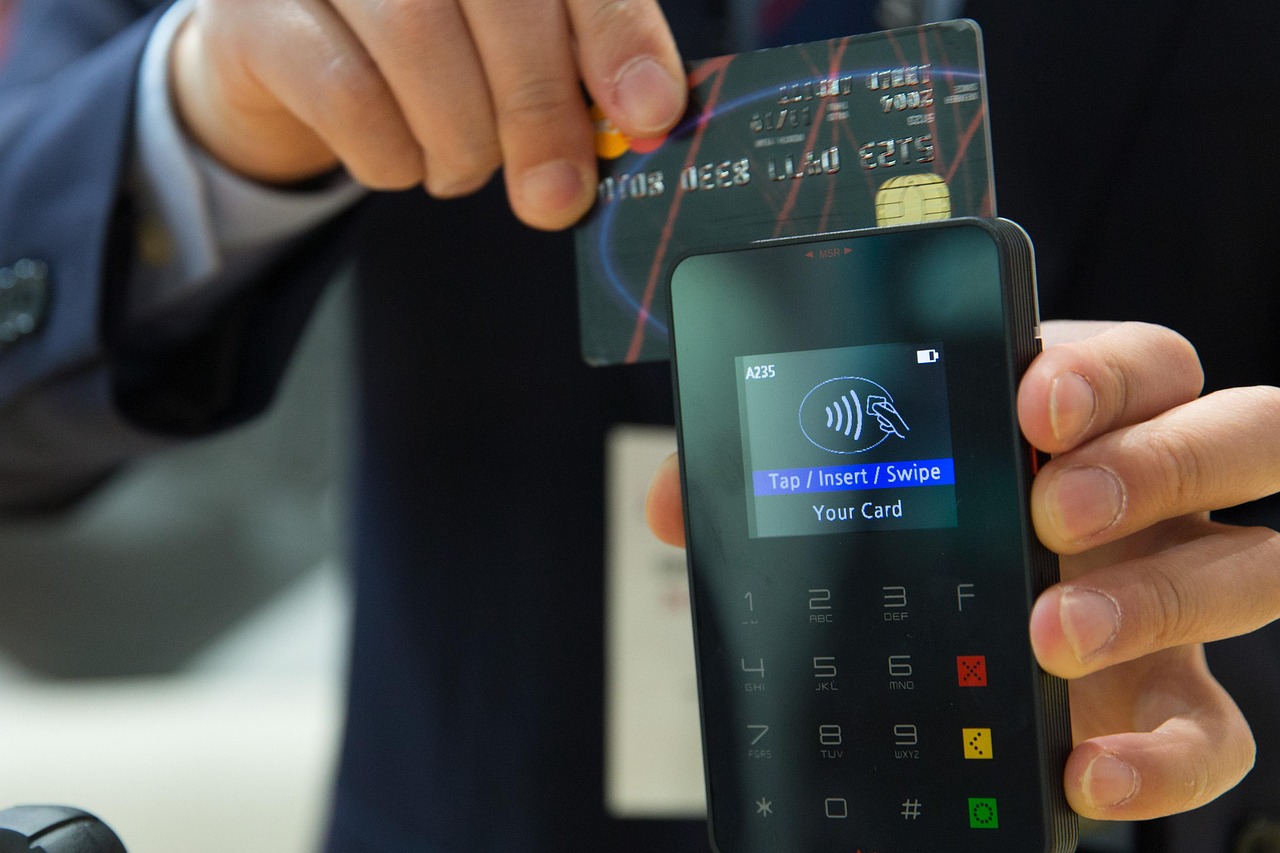
A pub EPOS system that doesn't integrate seamlessly with your card payment terminal creates reconciliation work and slows service. Integrated card payments mean the amount automatically passes from the EPOS to the terminal — no manual keying, no discrepancies, no end-of-night imbalance between the EPOS total and the merchant statement.
If you're evaluating standalone card machines alongside your EPOS decision, our guide to the best wireless card machines for small businesses in the UK covers the key considerations. For a deeper look at combining both into a single, streamlined system, see our comprehensive guide on card machines and till systems combined.
Kitchen Display Systems
A KDS replaces paper tickets with a digital screen in the kitchen showing orders in real time, colour-coded by elapsed time. This integration eliminates the "lost ticket" problem entirely and gives the kitchen a live view of what's coming — invaluable when you're serving Sunday lunches at volume alongside bar snacks.
Loyalty and CRM
Loyalty schemes drive repeat visits, and modern pub EPOS platforms allow you to build simple stamp-card-style programmes or more sophisticated spend-based reward systems directly within the software. Customer data collected at point of sale can also support targeted email or SMS marketing — a meaningful revenue driver for wet-led and food-led pubs alike.
Comparing Pub EPOS Approaches: Which Solution Tier Suits Your Operation?
| Operation Type | Recommended EPOS Approach | Key Requirements | Typical Complexity |
|---|---|---|---|
| Small community pub, low-to-medium footfall | Single terminal, cloud-based hospitality EPOS with tab management and integrated card payment | Tab management, basic stock control, offline mode | Low — straightforward setup, minimal staff training |
| Medium wet-led pub, regular busy sessions | Two or three terminals, full hospitality EPOS with multi-user sync and real-time reporting | Round management, variance reporting, split bills, age verification prompts | Medium — staff training recommended; back-office reporting review weekly |
| Large pub or pub-restaurant, high footfall with kitchen | Multi-terminal EPOS with KDS integration, table management, full stock control and loyalty module | KDS integration, ingredient-level stock depletion, table mapping, CRM/loyalty | Higher — dedicated system configuration, ongoing back-office management |
| Managed estate or multi-site pub group | Cloud-based EPOS with centralised multi-site reporting, group-level product management and staff permissions | Group reporting dashboard, centralised menu management, site-level P&L visibility | High — requires implementation support and ongoing account management |
How Much Does a Pub EPOS System Cost in the UK?
Pricing for hospitality EPOS in the UK typically follows one of two models: an upfront hardware purchase combined with a monthly software licence, or an all-inclusive monthly subscription that bundles hardware, software and support. Both are legitimate — the right choice depends on your cash flow position and how long you plan to remain at the same site.
Indicative pricing ranges (guidance only — actual quotes vary by provider and configuration):
- Entry-level single-terminal setup: typically from around £300–£600 upfront for hardware, with software subscriptions often from £30–£60 per month
- Mid-range two- to three-terminal pub system: hardware investment typically in the £800–£2,000 range; monthly software and support fees commonly between £60 and £150 per month
- Full multi-terminal pub-restaurant setup with KDS: hardware costs typically from £2,000 upward depending on terminal count; monthly fees often from £100–£250+
- All-inclusive monthly plans: some providers offer bundled hardware-and-software subscriptions typically from £50–£100 per month for a single terminal, scaling with additional terminals
Card payment processing fees are separate and depend on your merchant services agreement — these are not included in EPOS system costs. For context on card machines without fixed monthly fees, our article on card machines with no monthly fee explains the trade-offs. If affordability is a primary concern, our guide to the most affordable EPOS systems for small businesses in the UK is worth reading before you commit to any contract.
Always request an itemised quote that separates hardware, software, installation, training and ongoing support costs — bundled pricing can obscure significant differences between providers.
What Landlords and Pub Managers Actually Ask Before Buying
Can I run my EPOS system if my broadband goes down?
This is one of the most important resilience questions, and the answer varies by provider. Look specifically for a system with a genuine offline mode that continues processing sales and card payments locally, then syncs automatically when connectivity returns — not just a vague promise of "offline capability." Ask the provider to demonstrate this in your demo.
How long does it take to train new bar staff on a pub EPOS?
A well-designed hospitality EPOS should have your new staff productive in under an hour for core functions — order entry, tab management and card payment. More advanced functions like end-of-day reporting, stock adjustments and discount management typically require two to three hours of structured training. Ask providers what training materials and onboarding support are included in the package.
Will the system grow with me if I open another site?
If multi-site expansion is even a medium-term possibility, choose a cloud platform that supports multiple locations under a single account from the outset. Migrating systems later is disruptive and costly. A centralised back-office that shows group-level sales and stock data is a genuine strategic advantage as you scale.
Making the Right Choice: A Practical Decision Framework
Before requesting quotes, map your operation against these five criteria:
- Average covers and peak session throughput — determines the number of terminals you need
- Kitchen operation — if you serve food, KDS integration is essential, not optional
- Stock complexity — a cocktail bar or pub with a cellar of real ales needs ingredient-level stock tracking; a simple wet-led pub may need only product-level depletion
- Expansion plans — single site or potential multi-site should determine cloud architecture requirements
- Budget structure — upfront capital versus monthly OpEx determines whether a subscription or purchase model better suits your cash flow
Exploring the full range of EPOS Direct UK's offers and information is a practical starting point for understanding which configurations are available at different price points. You can also explore a restaurant and hospitality EPOS software demo to see the interface in action before committing to any conversation with a sales team.
Conclusion: The Right EPOS System is a Profit Engine, Not Just a Till
A capable pub EPOS system pays for itself through reduced wastage, faster service, fewer till errors and tighter stock control — tangible margin improvements that compound over months and years of operation. The pub EPOS market in the UK is mature and competitive, which means landlords have genuine choice; the task is matching the right tier of solution to the scale and complexity of your operation.
EPOS Direct UK works with pub and hospitality operators across the United Kingdom every day, helping businesses of all sizes configure systems that genuinely fit their workflow. To see what a purpose-built pub EPOS system looks like for your specific operation, view our hospitality EPOS offers, request a free demo, or talk to one of our experts online — no obligation, just straightforward guidance from people who know hospitality EPOS inside out.
Written by the EPOS Direct UK team, who support UK pub and hospitality operators in choosing, configuring and getting the most from their EPOS systems every day.
Frequently asked questions
- What features should I look for in an EPOS system for a high-volume pub?
- For a busy pub, your EPOS system needs to handle open tabs, split bills, and round management without slowing staff down. Look for a fast touchscreen interface, table and bar layout mapping, real-time stock depletion at the point of sale, kitchen display system (KDS) integration, and reliable card payment processing. Age verification prompts and happy hour pricing rules are also worth having built in.
- How much does a pub EPOS system typically cost in the UK?
- Costs vary depending on the size of your venue and the features you need. For a single-terminal setup, you can expect to pay roughly £500–£900 for the hardware upfront, with software licences typically ranging from £30 to £80 per month. Multi-terminal systems for larger pubs with kitchen screens and handheld ordering can run from £1,500 to £3,500+ for hardware, plus ongoing software fees. Many UK suppliers including EPOS Direct offer finance options or bundle deals that spread the cost.
- Can a pub EPOS system help reduce stock losses and over-pouring?
- Yes — a good pub EPOS system tracks every measure poured against every sale recorded, making it much easier to spot discrepancies between theoretical stock usage and actual usage. When integrated with a scale or measure dispenser, some systems can flag over-pouring in real time. Even without hardware integration, running end-of-day stock reports will quickly highlight where losses are occurring, whether through waste, theft, or incorrect pricing.
