We use cookies to make your experience better.
To comply with the new e-Privacy directive, you agree to the privacy policy and our use of cookies

The Best EPOS Systems for a Busy Pub in the UK: What to Look For and Who Delivers
The Best EPOS Systems for Busy UK Pubs: Features, Costs and Top Picks

For a busy UK pub — multiple bar stations, rapid rounds, split bills, age-verification prompts and a kitchen running simultaneously — the right EPOS system is not a luxury; it is the operational backbone of the business. The best pub EPOS setups combine fast, intuitive touchscreen ordering, integrated payments, real-time stock control and robust reporting into a single platform that keeps service flowing even at peak capacity. This guide walks pub owners and managers through exactly what to look for, what to expect to pay and how to avoid the costly mistakes that trip up operators at the point of purchase.
Why a Standard Till Simply Cannot Keep Up in a High-Volume Pub Environment
A basic electronic cash register processes a sale. That is largely where its usefulness ends. A pub serving two hundred covers on a Friday evening needs far more: table management, bar tabs, dispense notes to the cellar, age-verification alerts for Challenge 25, and real-time visibility of what stock is depleting fastest. Without these capabilities, bar staff are left making manual judgements, managers have no live data, and the business haemorrhages margin through waste, over-pouring and slow service.
The operational pressures are also regulatory. UK licensing law requires licensees to maintain responsible service practices, and an EPOS system with built-in age-verification prompts and refusal logging provides a defensible audit trail that a simple till cannot offer. If you are still relying on a legacy cash register, our guide on how to switch from a cash register to a modern EPOS system sets out the transition process in detail.
The Must-Have Features Every Busy Pub EPOS System Should Include
Not every feature matters equally in every venue. A 300-capacity sports bar has different needs from a 60-seat gastropub. That said, there is a core feature set that any high-volume licensed premises should insist upon before committing to a system.
Bar and Table Management
- Open tabs and split billing: staff must be able to open a tab against a card or name, add items across a session and split the final bill between multiple payers without manual arithmetic.
- Visual table plan: a colour-coded floor map showing which tables are occupied, awaiting orders or ready to turn — essential for gastropubs and dining areas.
- Course firing: the ability to send starters, mains and desserts to the kitchen printer or KDS (kitchen display screen) at the right time, not all at once.
Speed and Reliability at the Bar
- One-touch favourites and product shortcuts so bartenders are not scrolling through menus mid-rush.
- Offline mode that keeps the system processing sales if the internet connection drops — a non-negotiable in older pub buildings with patchy connectivity.
- Fast-boot touchscreens rated for counter use, with spill-resistant or IP-rated housings.
Stock and Cellar Management
- Ingredient-level depletion so that a pint of lager automatically reduces the relevant keg volume, not just a generic "draught beer" category.
- Automated low-stock alerts and reorder triggers that feed directly into purchasing decisions.
- Waste logging to capture over-pours, returns and spillage — figures that directly affect GP percentage.
Integrated Card Payments
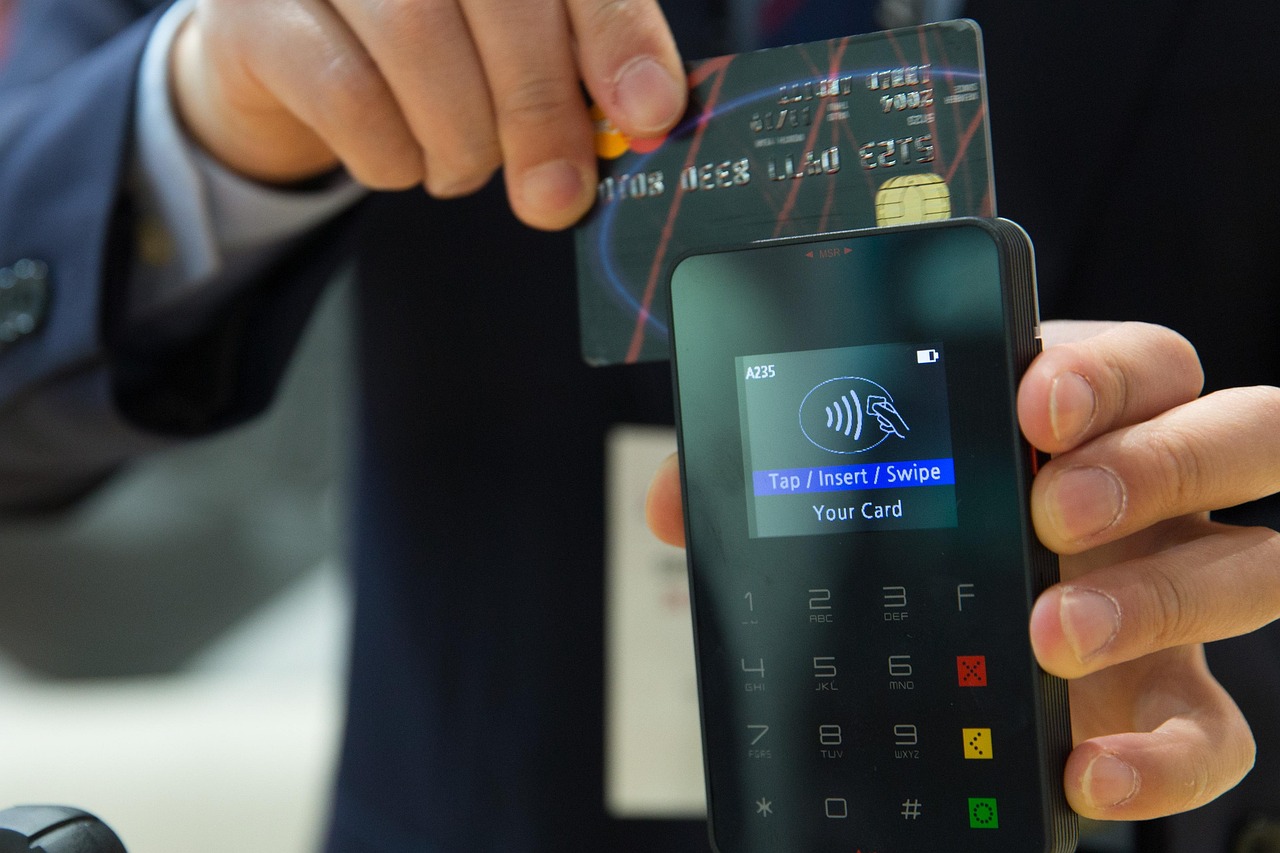
Handling card transactions through a separate, non-integrated machine introduces reconciliation errors and slows service. For guidance on choosing the right payment hardware alongside your EPOS, see our comparison of the best wireless card machines for UK businesses. For a deeper look at how payments integrate directly into your till, our guide to EPOS systems with integrated card payments covers the key considerations.
Reporting and Compliance
- End-of-day Z reports, hourly trading summaries and category-level sales breakdowns.
- Staff clock-in/clock-out with individual till tracking to monitor voids, discounts and no-sales.
- Age-verification prompts at the point of sale with date-of-birth logging for Challenge 25 compliance.
How to Compare EPOS Systems: Hardware, Software and Payment Processing
Comparing systems purely on the monthly subscription price is one of the most common — and expensive — mistakes pub operators make. A more reliable framework is to evaluate each of the three components independently before assessing the total cost of ownership.
| Component | What to assess | Red flags to watch for |
|---|---|---|
| Hardware | Touchscreen size and brightness, IP rating, receipt printer speed, KDS compatibility, number of terminal licences included | Consumer-grade tablets with no commercial warranty; proprietary hardware that locks you to one provider |
| Software | Ease of menu building, table management depth, offline capability, reporting granularity, integration with accounting packages (e.g. Xero, Sage) | No offline mode; limited reporting tiers hidden behind higher-cost plans; no hospitality-specific features |
| Payment processing | Transaction fee structure, contactless and mobile wallet support, tipping functionality, settlement speed | Long-term payment lock-in with punitive exit fees; percentage-based fees with no monthly cap |
| Support | UK-based telephone support hours, on-site installation and training, SLA response times | Support only via email or chat; no UK engineers for on-site callouts; first-line support outsourced overseas |
| Scalability | Ability to add terminals, integrate handheld ordering, connect to kitchen displays, and expand to multiple sites | Per-feature pricing that makes growth disproportionately expensive; no multi-site dashboard |
If you want to see how leading solutions stack up side by side, our comprehensive competitor comparison guide provides a detailed breakdown.
Honest UK Pricing Breakdown: What a Pub EPOS System Actually Costs
Pricing varies considerably depending on the number of terminals, the software tier and whether you buy outright or subscribe. The figures below are honest indicative ranges based on the UK market; they are not exact quotes and your specific configuration will affect the final cost. Always request a written proposal before committing.
Typical Cost Ranges for a UK Pub Setup
- Entry-level single-terminal setup (touchscreen till, receipt printer, cash drawer, basic software): typically from around £500–£900 outright, or from approximately £30–£60 per month on a subscription.
- Mid-tier pub setup (two bar terminals, kitchen printer, integrated card reader, stock management, full reporting): typically in the region of £1,500–£3,500 outright, or from roughly £80–£150 per month on a subscription plan.
- Full multi-terminal pub/gastropub configuration (three or more terminals, KDS, handheld ordering, table management, multi-site reporting): typically £4,000–£8,000+ for a hardware purchase, or from approximately £150–£300+ per month on a managed subscription.
Transaction fees on integrated payment processing typically range from around 1% to 1.75% per transaction in the UK market, though rates vary by provider, card type and monthly volume — always request a blended rate illustration against your actual turnover.
The buy-versus-subscribe question is worth examining carefully. Our article on monthly EPOS subscription versus outright purchase walks through the financial case in detail, including the break-even analysis most suppliers will not volunteer.
How EPOS Direct Supports UK Pubs From Installation to Ongoing Service
EPOS Direct is a UK-based EPOS specialist with a dedicated hospitality division, supporting licensed premises from single-site pubs to multi-outlet bar groups. The support model is designed around the reality of pub operations: installations are planned around your trading hours, on-site training is included as standard, and UK-based technical support is available when you need it most — not just during office hours.
The software platform includes purpose-built pub and bar features: tab management, round tracking, Challenge 25 prompts, ingredient-level stock depletion, and a reporting suite that can be accessed remotely from a phone or tablet. You can explore the software in depth and book a live walkthrough via the restaurant and hospitality EPOS software demo.
For hardware and bundled packages tailored specifically to pub and hospitality environments, the EPOS Direct hospitality and restaurant EPOS offers page sets out current configurations and pricing options. If you would prefer to speak with someone directly, you can talk to an EPOS expert online without any obligation.
Common Mistakes Pub Owners Make When Choosing an EPOS System
Drawing on the experience of helping hundreds of UK licensed premises, these are the recurring errors that result in costly system replacements within the first two years.
- Choosing a retail-first system for a hospitality environment. Many generic EPOS platforms are built around product scanning and inventory, not tabs, rounds and kitchen comms. A system without genuine hospitality DNA will always require workarounds. Our guide to the best till systems for small UK businesses helps distinguish retail and hospitality use cases clearly.
- Underestimating the number of terminals needed. A single terminal at a busy bar creates a bottleneck every time one staff member is mid-transaction. A rough rule of thumb: one terminal per two bar staff working concurrently at peak.
- Ignoring the true cost of payment processing. A low monthly software fee can be entirely offset by unfavourable card transaction rates. Always model the total annual cost including payments against your realistic card turnover.
- Not testing offline mode before purchase. Pub buildings — particularly older ones — regularly experience Wi-Fi interruptions. A system that goes offline when the broadband does is a serious operational liability on a busy Saturday evening.
- Skipping staff training. A sophisticated system used at 30% of its capability because staff were not properly trained delivers mediocre results. Insist on on-site training as part of the installation package, not an optional add-on.
- Locking into long contracts without testing support quality. Support responsiveness matters most at 11pm on a Friday. Ask suppliers for their average response time for critical issues and whether they offer out-of-hours telephone support before signing anything.
Next Steps: Getting the Right EPOS Setup for Your Pub
The ideal starting point is a candid conversation about your specific setup: how many bar positions you run, whether you have a kitchen or food offering, your current payment processing arrangement and your budget. From there, a properly scoped proposal — covering hardware, software, payments and support — gives you a like-for-like basis to compare.
You can browse current pub and bar configurations, including bundled hardware and software deals, on the EPOS Direct UK home page. When you are ready to see the software in action before committing, request a free demo and an expert will walk you through the platform using a configuration matched to your venue type.
Written by the EPOS Direct UK team, who work with licensed premises, hospitality operators and retailers across the United Kingdom every day. All pricing figures are indicative market ranges only and do not constitute a formal quotation. For an accurate proposal tailored to your venue, request a call back and a specialist will be in touch.
Frequently asked questions
- What features should I prioritise in an EPOS system for a busy pub?
- For a high-volume pub, the most critical features are fast transaction processing, table and tab management, split-bill functionality, real-time stock control for drinks, staff login permissions, and integration with your card payment terminal. Kitchen or bar printer routing is also essential if you serve food. Look for a system that works reliably offline so a broadband blip during a Friday rush does not bring service to a halt.
- How much does a pub EPOS system typically cost in the UK?
- Costs vary depending on the size of your pub and the number of terminals you need. For a single-terminal setup, expect to pay roughly £500–£900 for hardware (touchscreen till, receipt printer, cash drawer) with software either included or charged at £30–£80 per month on a subscription. Multi-terminal setups for larger pubs with a main bar, second bar and outdoor area can run from £1,500 to £3,500 or more for hardware, plus ongoing software and support fees. EPOS Direct UK offers tailored quotes so you only pay for what your venue actually needs.
- Can a pub EPOS system integrate with my existing card payment machine?
- Yes, most modern pub EPOS systems support integrated card payments, which means the amount is sent automatically from the till to the card reader — eliminating keying errors and speeding up service. In the UK, common integrations include terminals from providers such as Dojo, Paymentsense and Worldpay. When choosing a system, confirm which payment processors it supports and whether there are any additional integration fees, as these can add to the total cost.
