We use cookies to make your experience better.
To comply with the new e-Privacy directive, you agree to the privacy policy and our use of cookies


Monthly EPOS Subscription vs Outright Purchase: Which Is Right for Your Business?
Is a Monthly EPOS Subscription Worth It for Your UK Business?
For most UK businesses weighing up a point-of-sale investment, a monthly EPOS subscription offers a genuinely compelling balance of cash-flow flexibility, ongoing software support, and predictable running costs — making it worth serious consideration before committing capital to an outright purchase. Whether it is the right model for you depends on your business size, growth trajectory, and how much you value flexibility versus long-term savings. This guide sets out the honest trade-offs so you can make a confident, well-informed decision.
What Does a Monthly EPOS Subscription Actually Include?
Understanding exactly what sits inside a monthly plan is the first step to evaluating its value. Subscription-based EPOS packages typically bundle several components that, purchased separately, would represent a significant upfront outlay.
- Hardware: A touchscreen terminal, cash drawer, receipt printer, and barcode scanner are commonly included, often on a lease or rental basis, meaning the provider retains ownership.
- EPOS software licence: Cloud-based software with regular feature updates, security patches, and compliance improvements — without you paying for each version separately.
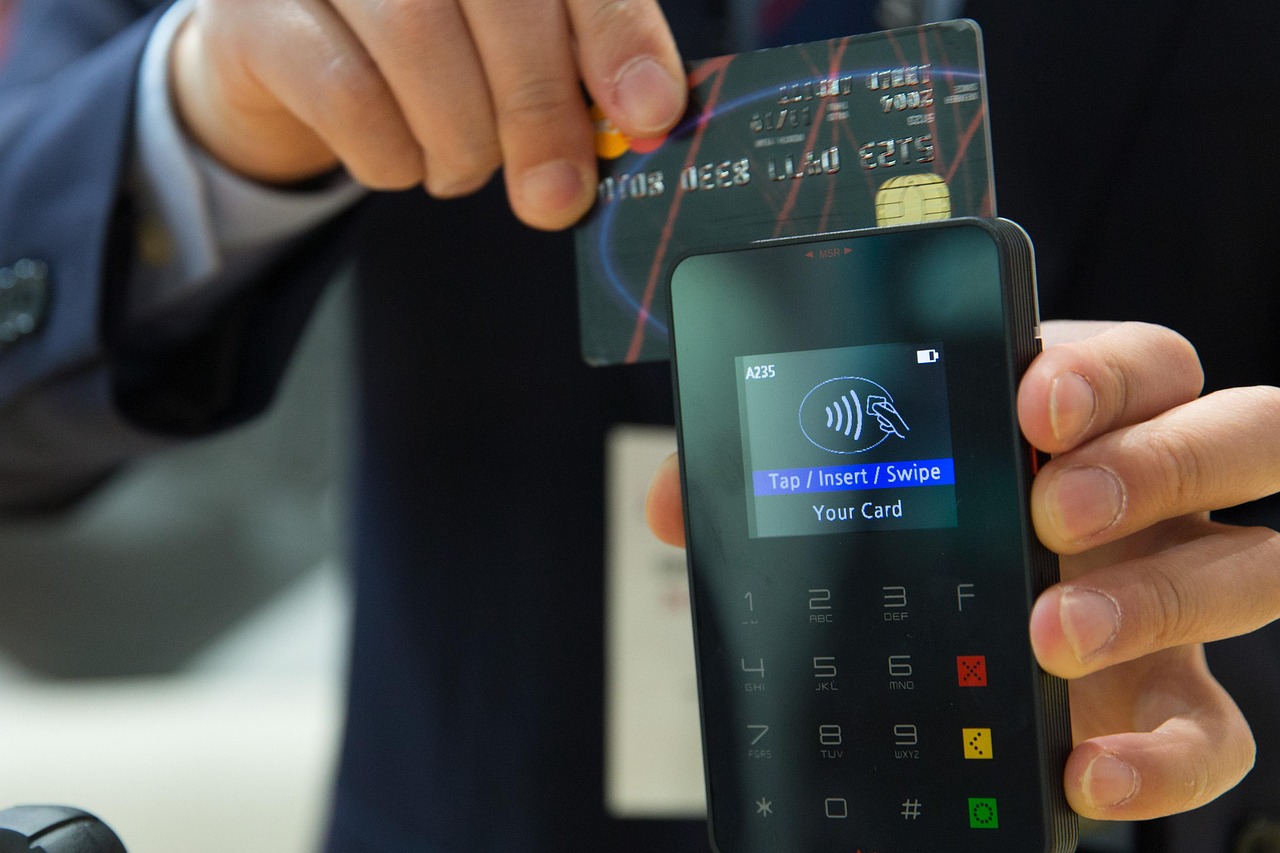
- Payment processing integration: Many plans integrate directly with a card reader or payment gateway, streamlining your end-of-day reconciliation. See our guide to the best EPOS systems with integrated card payments in the UK for a detailed breakdown of how this works in practice.
- Technical support: Access to a helpdesk, often with extended hours or 24/7 cover depending on the tier.
- Software training: Onboarding sessions and, with premium tiers, ongoing staff training resources.
Not every provider bundles all of these equally. Always request a written breakdown of what is — and is not — included before signing.
Monthly Subscription vs Outright Purchase: A Cost Comparison for UK Businesses
One of the most common questions business owners raise is straightforward: does paying monthly end up costing more than buying outright? The honest answer is that over a long enough period, a subscription will typically exceed the capital cost of owned hardware. The question is whether the additional cost buys you enough value — and for many businesses, it does.
Indicative UK Market Costs (Guidance Only)
The figures below are indicative ranges based on typical UK market conditions as of 2025–2026. They are not quotes and will vary by provider, hardware specification, and contract terms.
| Approach | Typical Upfront Cost | Typical Monthly Cost | Approx. 3-Year Total | Best For |
|---|---|---|---|---|
| Entry-level subscription (single terminal) | Typically from £0–£199 | From £30–£70/month | Approximately £1,300–£2,700 | New businesses, start-ups, seasonal traders |
| Mid-tier subscription (1–3 terminals) | Typically from £99–£399 | From £70–£150/month | Approximately £2,700–£5,800 | Growing independents, cafés, boutique retailers |
| Premium subscription (multi-site / full feature set) | Typically from £299+ | From £150–£300+/month | Approximately £5,700–£11,100+ | Multi-terminal restaurants, chains, pharmacies |
| Outright hardware purchase + software licence | Typically from £800–£3,000+ | From £15–£60/month (software only) | Approximately £1,340–£5,160 | Established businesses with stable IT setup |
These figures are for guidance only. Contact EPOS Direct UK to request a call back for a personalised quote based on your specific requirements.
The critical variable is time. If you plan to use the same system for five or more years with no foreseeable changes, outright purchase can represent better value. If your business is scaling, pivoting, or in a sector prone to regulatory change — hospitality and pharmacy are good examples — subscription flexibility often justifies the premium.
Key Benefits of Paying Monthly for Your EPOS System
1. Preserving Working Capital
A lower (or zero) upfront cost means your capital stays available for stock, marketing, staffing, or fit-out. For a new café or independent retailer, this alone can be decisive. Our guide to the best till systems for small businesses in the UK explores how cash-flow-friendly procurement options affect early-stage trading.
2. Predictable, Budgeable Expenditure
A fixed monthly line item is far easier to model than sporadic capital replacement. When your receipt printer fails at year three of a purchased system, the repair or replacement cost is unplanned. Under a subscription, hardware maintenance typically falls to the provider.
3. Access to Current Software Without Version Upgrades
Cloud-based subscriptions mean your software is continuously updated. You receive new features, security patches, and compliance changes — such as Making Tax Digital requirements, which HMRC continues to extend across more business types — automatically and without separate licensing costs.
4. Scalability Without a Step-Change Investment
Adding a second terminal, a self-service kiosk, or a new site under a subscription model is typically a conversation about upgrading your plan rather than commissioning a capital purchase. That agility matters enormously in the first two to three years of growth.
5. Integrated Support Reduces Downtime Risk
A till that stops working during a Friday lunchtime rush is not a minor inconvenience — it is lost revenue and damaged customer trust. Subscription plans almost always include priority technical support, which is difficult to replicate cost-effectively when you own hardware outright.
Hidden Costs and Drawbacks to Watch Out For
Responsible evaluation means confronting the potential downsides before you commit. These are the areas most likely to catch businesses off-guard.
- Contract lock-in: Many subscription agreements run for 12, 24, or 36 months with early-exit fees. Read the termination clauses carefully before signing.
- Payment processing rates: Some providers tie a subscription to proprietary payment processing with rates that may not be the most competitive available. Understand what card transaction fees apply and whether you can use your preferred acquirer.
- Per-user or per-feature pricing: A headline monthly figure can escalate once you add staff accounts, loyalty modules, or advanced reporting. Always request a fully itemised quote for your anticipated usage.
- Ownership at end of term: With most subscriptions, you do not own the hardware at contract end. If the provider's pricing changes materially, you may have limited leverage.
- Connectivity dependency: Cloud-dependent systems require a reliable internet connection. Confirm that your chosen system has an offline mode for processing sales during outages.
If predictable monthly costs without a long-term contract is a priority, it is also worth reading our comparison of the best card machines with no monthly fee to understand the full spectrum of payment hardware options alongside your EPOS decision.
Which UK Business Types Benefit Most from a Subscription Model?
The subscription model is not universally optimal — but for certain sectors and stages it is a close-to-obvious choice.
Hospitality and F&B
Restaurants, cafés, bars, and quick-service outlets benefit from the high-support environment a subscription provides. Menu changes, cover management, kitchen display integration, and compliance with allergen labelling regulations all place heavy demands on software that needs to evolve continuously. View EPOS Direct's hospitality and restaurant EPOS offers to see what a subscription tier looks like in this sector.
Independent Retail
For boutique retailers, gift shops, and fashion independents, the ability to scale terminals for peak trading — Christmas, school holidays, seasonal promotions — without a capital outlay makes subscription particularly attractive. Our complete guide to EPOS systems for small businesses outlines the full decision framework for this sector.
Start-Ups and New Market Entrants
A business in its first year cannot predict volume, staffing levels, or even whether its current location will remain permanent. A subscription that can be upgraded, relocated, or in worst-case scenarios wound down with minimum penalty is a natural fit.
Pharmacies and Regulated Retail
Pharmacy EPOS operates under strict dispensing and labelling compliance requirements. Subscription-based systems where software compliance is the provider's responsibility — not yours — reduce a significant operational risk. Request a pharmacy EPOS software demo to see how this translates in practice.
What to Look for in a Monthly EPOS Plan Before You Sign
A real buyer's checklist focuses on specifics that contract language can obscure. Before committing, ask the following questions directly.
- What exactly is included in the monthly fee? Get an itemised written breakdown: hardware, software, support hours, payment processing, and training.
- What are the exit terms? Understand minimum contract length, notice period, and any early-termination fee expressed in actual currency terms.
- Does the system work offline? Confirm that sales can be processed and stored locally during internet outages, syncing when connectivity is restored.
- Who owns the hardware? Clarify what happens to terminals, printers, and peripherals at contract end or if you cancel early.
- How does software update and who pays for it? Cloud subscriptions should include updates as standard; verify this is not subject to future price increases.
- Can you integrate your existing card machine? If you already have a preferred payment provider, check compatibility before assuming you must switch. For context, our guide to combined card machine and till systems explains the integration options in detail.
If you want to explore options before speaking to a provider, exploring EPOS Direct's software platform gives a clear picture of what a modern cloud system includes at each tier.
How EPOS Direct UK's Subscription Options Compare
EPOS Direct UK offers subscription-based EPOS plans designed around the specific needs of UK retailers, hospitality businesses, and pharmacies — not generic, one-size solutions. Key differentiators include:
- Sector-specific software: Dedicated modules for retail, restaurant, and pharmacy rather than a generic platform stretched across all three.
- UK-based support: Technical assistance from a team who understand UK trading practices, VAT obligations, and payment regulations.
- Transparent plan structures: No hidden per-feature charges for core functionality — what you see in the plan is what you get.
- Hardware flexibility: Options to mix subscription and outright purchase components depending on your cash-flow preferences.
- Scalable architecture: Plans designed to grow from a single terminal to multi-site deployments without requiring a full system migration.
You can explore the full range of current offers and information on the EPOS Direct UK home page, or for retail-specific requirements, view the retail EPOS offers directly.
The Verdict: Is a Monthly Subscription the Right Route?
A monthly EPOS subscription is worth it when cash-flow preservation, ongoing software currency, and included technical support matter more than the long-term cost saving of outright ownership. For the majority of UK start-ups, growing independents, hospitality venues, and pharmacies, those factors are decisive — and the predictability of a fixed monthly cost has its own measurable operational value. Where a subscription becomes harder to justify is for a well-established business with stable, low-complexity requirements, an existing reliable system, and the capital reserves to absorb hardware replacement costs without strain.
The single most important step is to get a fully itemised quote for your actual scenario — not a headline figure — and to read the contract terms before signing anything. EPOS Direct UK's team works with businesses across retail, hospitality, and pharmacy every day and can help you model the true cost of each approach for your situation. Talk to an expert online or request a free demo to see exactly what a subscription-based EPOS system from EPOS Direct UK includes — with no obligation and no pressure.
Written by the EPOS Direct UK team, who support UK businesses across retail, hospitality, and pharmacy with EPOS and POS systems every day.
Frequently asked questions
- How much does a monthly EPOS subscription typically cost in the UK?
- Costs vary by provider and hardware tier. In the UK you can expect to pay roughly £15–£50 per month for software-only or cloud EPOS plans, rising to £40–£120 per month when hardware rental is bundled in. Enterprise or multi-site setups can exceed £150 per month. Always check whether payment processing fees are included or charged separately, as these can add 0.5–1.5% per transaction on top.
- Can I cancel a monthly EPOS contract if my business circumstances change?
- It depends on the contract terms. Some providers offer rolling monthly agreements with 30 days' notice, while others lock you in for 12–36 months with early-termination fees. Before signing, ask for the minimum commitment period, any cancellation charges, and whether hardware must be returned or can be purchased at the end of the term.
- Is it cheaper in the long run to buy an EPOS system outright rather than subscribe?
- For most established businesses, buying outright tends to be cheaper over three or more years. A standalone EPOS terminal plus software licence may cost £500–£1,500 upfront, whereas a 36-month subscription at £60 per month totals £2,160. However, subscriptions often include automatic software updates, hardware replacements and support, which can offset the price gap — especially for businesses that cannot afford a large capital outlay or want predictable monthly costs.
