We use cookies to make your experience better.
To comply with the new e-Privacy directive, you agree to the privacy policy and our use of cookies


The Best EPOS Systems for Fish and Chip Shops: A UK Buyer's Guide
The Best EPOS Systems for Fish and Chip Shops in the UK
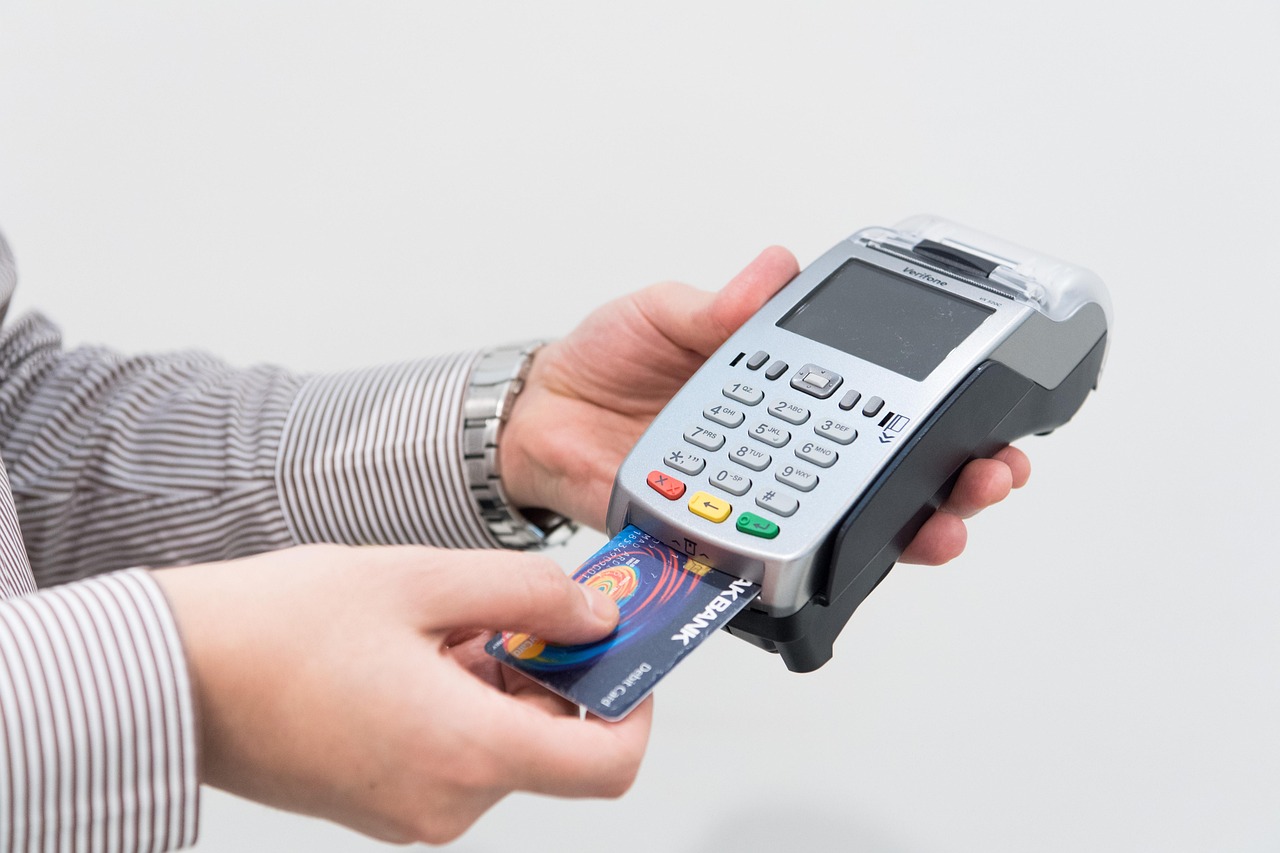
A well-chosen EPOS system can be the difference between a queue that flows smoothly and one that loses customers before they reach the counter. For fish and chip shops — where speed, portion accuracy and peak-hour pressure define the business — a generic till simply will not do. The right chippy EPOS system combines rapid order entry, kitchen display integration, stock control for high-turnover ingredients, and seamless card payment in one compact, reliable setup built for the UK fast-food environment.
Why Fish and Chip Shops Have Unique EPOS Requirements
Fish and chip shops operate under conditions that most retail or even restaurant EPOS systems are not designed to handle. Orders are short, rapid and repetitive; customers expect their food within minutes; and the margin between profit and waste on fresh fish, potatoes and oil is unforgiving. Unlike a sit-down restaurant, there is rarely time for a cashier to navigate complex menu trees or correct keying errors under pressure.
Beyond speed, a chippy typically juggles a mix of walk-in trade, telephone orders and — increasingly — third-party delivery platforms, all converging on the same small kitchen at once. Managing this without a dedicated system leads to missed orders, over-portioning and inaccurate end-of-day reconciliation. A specialist EPOS setup brings discipline to what can otherwise feel like controlled chaos during the Friday evening rush.
If you are also weighing up options for a broader hospitality business, our guide to EPOS systems for small businesses covers the wider landscape of what modern POS technology can do for independent UK operators.
Key Features to Look for in a Chippy EPOS System
Not every feature matters equally in a takeaway environment. Before speaking to any supplier, it is worth knowing which capabilities will genuinely earn their keep in a fish and chip shop and which are better suited to a full-service restaurant.
Speed-Optimised Menu Layout
The touchscreen interface should allow a cashier to build a typical order — fish, chips, a side and a drink — in three taps or fewer. Look for large, clearly labelled product buttons, colour-coded categories (fish, sides, beverages, extras) and the ability to apply quick modifiers such as "large portion" or "no vinegar" without opening sub-menus.
Kitchen Display System (KDS) Integration
A printed kitchen ticket works, but a kitchen display screen connected directly to the till eliminates the risk of a lost or grease-smeared docket. Orders appear instantly the moment payment is taken, with timers alerting fryers when preparation time is running long. This single upgrade can meaningfully reduce ticket times during busy periods.
Telephone and Online Order Management
The system should let staff log telephone orders against a collection time without tying up the counter till. Equally important is the ability to pull in orders from third-party delivery platforms — Uber Eats, Just Eat and Deliveroo — into a single queue, removing the need to manage three separate tablets on the counter.
Ingredient-Level Stock Control
Fish and chip shops deal in perishables. Every portion of cod or haddock sold should decrement a stock count so that the owner can spot wastage, track daily usage against purchases, and reorder before the evening rush exposes an empty chest freezer. Effective stock reporting is explored in more detail later in this article.
Integrated Card Payments
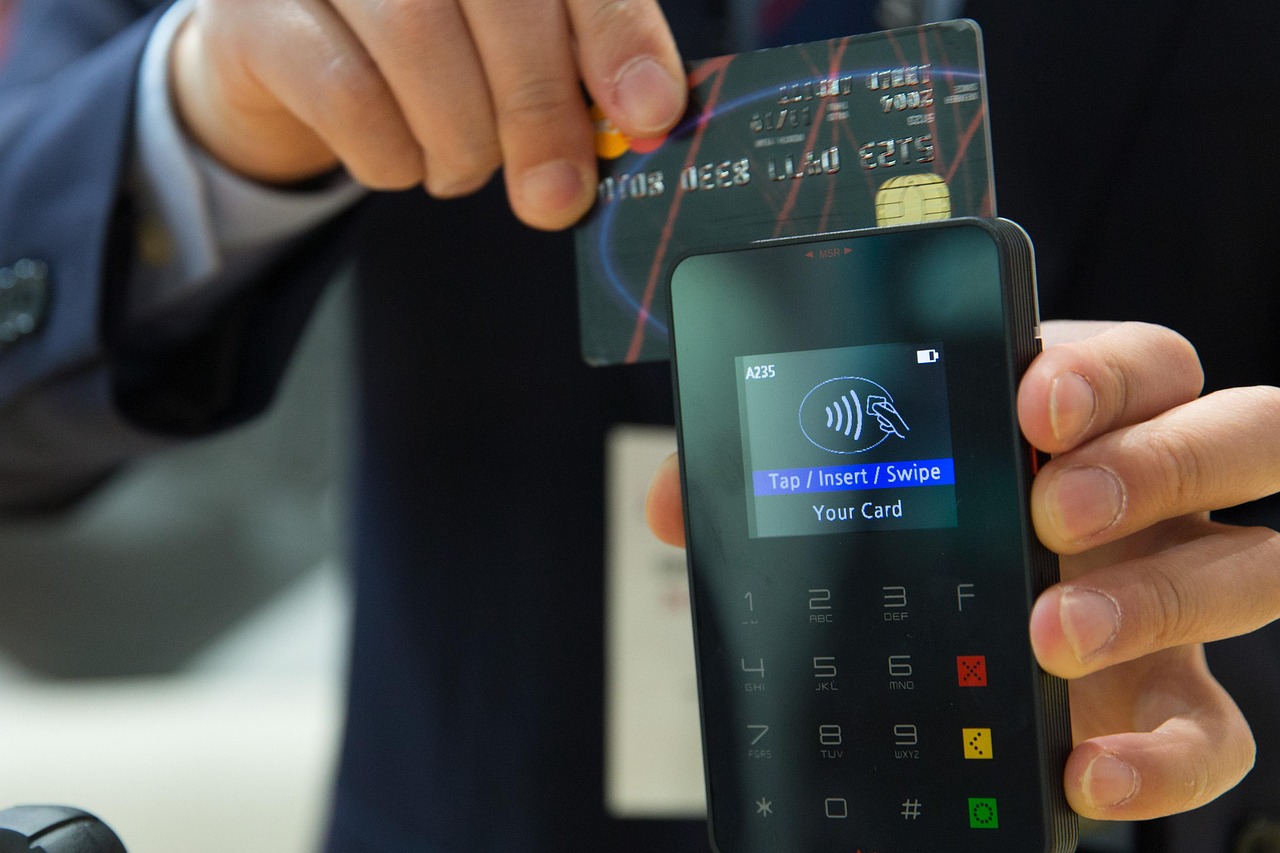
With cash usage declining steadily across UK hospitality, the ability to process contactless and chip-and-PIN payments without switching between devices is now essential. A card machine built into the EPOS workflow — rather than a standalone terminal — keeps queues moving and reconciliation clean. Our detailed comparison of card machine and till system combinations explains exactly how integrated payments differ from paired-but-separate solutions.
How EPOS Systems Handle Fast-Service and Queue Management
Queue management in a fish and chip shop is not about sophisticated table-booking software — it is about eliminating every unnecessary second between a customer reaching the counter and a bag being handed over. A well-configured EPOS system contributes to this in several practical ways.
- Split-screen order and payment: The cashier can begin ringing through the next customer's order while the previous transaction completes on the payment terminal, keeping the line moving continuously.
- Favourites and meal deals: Pre-programmed bundles (for example, a family meal deal or a student special) reduce keystrokes to a single button, cutting average transaction time significantly during peak hours.
- Order numbering and customer displays: A customer-facing display confirms the order total and assigns a collection number, giving customers confidence their order is in the system and reducing counter queries.
- Caller ID integration: Some EPOS platforms integrate with the shop telephone line so that a returning customer's name and past order populate the screen the moment they ring — a meaningful time-saver for regulars with complex preferences.
For a broader look at how modern till systems serve fast-paced independent businesses, the practical buyer's guide to till systems for small businesses is a useful companion read.
Integrated Payments, Kitchen Displays and Online Orders
The strongest chippy EPOS setups treat payments, kitchen communication and online order management as a single connected workflow rather than three separate tools bolted together. Here is what that looks like in practice.
Payment Integration
When the card machine is natively integrated with the EPOS software — rather than connected via a third-party bridge — every transaction is reconciled automatically. End-of-day Z-reads match the payment terminal total without manual cross-referencing, which is a significant time saving for an owner closing up at midnight after a busy service. If you are evaluating standalone card payment options alongside a till, our guide to wireless card machines for small businesses covers the leading options available in the UK market.
Kitchen Display Screens
A kitchen display system connected to the EPOS removes paper entirely from the preparation workflow. Orders arrive on screen the moment they are placed — whether from the counter, a telephone booking or an online delivery platform — and the fryer can acknowledge and complete them with a single tap. Colour changes and audible alerts flag orders approaching their target preparation time, giving the kitchen team real-time visibility without constant back-and-forth with the counter.
Third-Party Delivery Platform Aggregation
Many fish and chip shops now generate a meaningful proportion of revenue through delivery platforms. The risk without an aggregated EPOS is order duplication, missed tickets and a fragmented end-of-day sales picture. A capable system pulls every channel — walk-in, phone, Uber Eats, Just Eat — into one order queue and one set of sales reports, giving the owner an accurate, consolidated view of the business.
Ready to see this in action? You can explore our restaurant EPOS software with a live demo to understand how the order flow works in a real fast-service environment.
EPOS Reporting and Stock Control for Fish and Chip Shops
Reporting is where a quality EPOS system pays for itself many times over. For a fish and chip shop, the most valuable reports are not the elaborate analytics dashboards beloved by coffee-shop chains — they are the practical daily and weekly figures that help an owner make smarter buying and staffing decisions.
Sales Reports That Actually Matter
- Hourly sales breakdown: Identifies true peak periods so staffing and frying schedules can be aligned to real demand rather than assumption.
- Best and worst-selling items: Highlights menu lines that underperform and may be contributing to unnecessary waste.
- Payment method split: Shows the ratio of cash to card, which informs whether cash-handling costs are in proportion to the revenue cash actually generates.
- Void and refund log: Flags errors and potential staff training needs before they become costly habits.
Stock Control for Perishable Ingredients
Configuring the EPOS to track stock at ingredient level — rather than simply recording a product sale — allows the owner to monitor usage of fresh fish, batter mix and oil in real time. When actual stock on hand diverges from what the system expects, that gap represents either waste, theft or an unrecorded purchase, each of which merits attention. Weekly stock takes become faster and more meaningful when the EPOS provides a baseline to compare against.
Visit the EPOS Direct home page to explore the full range of hardware and software options, including configurations purpose-built for fast-food and takeaway environments.
What Does an EPOS System Cost for a Chip Shop in the UK?
Cost is one of the first questions any owner asks, and it deserves a straight answer rather than a deflection. Prices vary based on the number of terminals, the software package chosen and whether hardware is purchased outright or taken on a subscription model.
| Setup Type | Typical Monthly Cost (Indicative) | Best Suited To | What's Usually Included |
|---|---|---|---|
| Entry-level single terminal | Typically from £30–£60/month (software only, hardware purchased separately or bundled) | Small single-site chip shop with straightforward menu | Touchscreen till, basic reporting, card integration |
| Mid-range takeaway bundle | Typically £60–£120/month (all-inclusive bundle) | Established chippy with telephone orders and delivery platform orders | EPOS terminal, KDS, integrated payments, online order aggregation, stock control |
| Multi-terminal or multi-site | Typically £120–£250+/month depending on configuration | Larger operations or small chains with multiple sites | Multiple tills, centralised reporting, loyalty, staff management |
All figures above are indicative ranges typical of the UK market as of 2025–2026 and are provided for guidance only. Actual costs depend on your specific requirements, chosen hardware and contract terms. Request a tailored quote for accurate pricing.
Hardware costs — touchscreen terminals, receipt printers, kitchen display screens and cash drawers — are often available as part of a financed or subscription bundle, spreading the upfront outlay. Owners who prefer to own their hardware outright typically pay a one-off hardware fee alongside a lower ongoing software subscription. For a broader look at budget-conscious options, our guide to affordable EPOS systems for small UK businesses covers the range available at different price points.
Transaction fees on card payments are separate from EPOS software costs and vary by payment provider. Always confirm the blended card rate alongside the software price to understand the true cost of ownership. If monthly fees are a concern, our guide to card machines with no monthly fee is worth reading before you commit.
Practical Questions Every Chip Shop Owner Should Ask Before Buying
Will it work if the internet goes down on a Friday night?
This is non-negotiable for a takeaway business. Any EPOS system you consider should offer offline mode — the ability to continue processing orders and card payments even when the broadband connection drops — with automatic data synchronisation once connectivity is restored. Ask this question explicitly during any demo or sales conversation.
How easy is it to update the menu for seasonal specials?
Fresh fish availability changes with the season. A good EPOS system allows the owner or manager to add, remove or reprice items in minutes from a browser-based back office, without needing to call technical support or wait for a software update. If modifying the menu requires specialist knowledge, it will simply not happen often enough to reflect what is actually on sale.
What training and ongoing support is available?
Staff turnover in the fast-food sector is a reality of the industry. The EPOS system you choose should be intuitive enough that a new member of staff can be operational within an hour, and the supplier should offer accessible telephone and online support during the hours your shop actually trades — including Friday and Saturday evenings when problems are most likely and most costly.
Why UK Takeaways and Fast-Food Shops Trust EPOS Direct
EPOS Direct has been supplying and supporting EPOS systems to UK independent businesses — including takeaways, fast-food shops and hospitality operators — for many years. The team understands the operational realities of a busy chippy in a way that generic software vendors simply do not: the Friday-night pressure, the importance of offline resilience, the need for a kitchen display that fryers can actually read through a cloud of steam.
The EPOS Direct platform combines touchscreen till hardware, integrated card payments, kitchen display support, online order management and detailed back-office reporting in a single, scalable system. Support is provided by a UK-based team who work with fast-food and hospitality businesses every day and understand the urgency when something needs resolving during a busy service.
Our hospitality EPOS software is built for speed and simplicity at the counter, with a back office powerful enough to give owners the business intelligence they need to manage margins, reduce waste and grow confidently. You can view our current hospitality and restaurant EPOS offers or talk to one of our specialists online to discuss your specific setup.
The Direct Answer: Which EPOS System Is Best for a Fish and Chip Shop?
The best EPOS system for a fish and chip shop is one that prioritises speed at the counter, integrates natively with card payments and kitchen display screens, manages telephone and delivery platform orders in a single queue, and provides meaningful stock and sales reporting without complexity. EPOS Direct offers purpose-built configurations for UK fast-food and takeaway businesses that meet all of these criteria in a single, supported solution.
Ready to Upgrade Your Chip Shop Till System?
Whether you are replacing a tired cash register, switching from a system that no longer meets your needs, or setting up your first EPOS for a new site, the EPOS Direct team is ready to help you find the right configuration for your business. There is no one-size-fits-all answer in fast food, and the right setup depends on your menu complexity, order volume and budget.
Request a free demo from EPOS Direct to see the system in action with a real fast-service menu, or request a call back and one of our UK-based specialists will walk you through the options that make sense for a fish and chip shop like yours.
Written by the EPOS Direct UK team, who work with UK takeaway, fast-food and hospitality businesses every day to help them find EPOS and POS solutions that genuinely fit how they operate.
Frequently asked questions
- What features does a chip shop EPOS system actually need?
- A chip shop EPOS system should handle rapid order entry for a fast-moving queue, support split payments (cash and card), integrate with a kitchen display screen or receipt printer for order fulfilment, and allow easy menu customisation for portion sizes and daily specials. Optional delivery and online ordering integration is increasingly valuable for takeaways that use platforms like Just Eat.
- How much does a till system cost for a fish and chip shop in the UK?
- In the UK, a basic single-terminal EPOS setup for a chip shop typically starts from around £300 to £600 for entry-level hardware with monthly software fees from £20 to £50 per month. A full system with a touchscreen till, card payment terminal, receipt printer and kitchen display screen usually ranges from £800 to £1,500 upfront, with some providers offering leasing or monthly rental plans from approximately £30 to £80 per month all-inclusive. EPOS Direct offers tailored quotes based on your shop's specific requirements.
- Can a chip shop EPOS system integrate with online ordering and delivery platforms?
- Yes, many modern EPOS systems support integration with online ordering platforms such as Just Eat, Uber Eats and Deliveroo, as well as standalone online ordering websites. This means orders flow directly into your till or kitchen display without staff needing to manually re-enter them, reducing errors and speeding up service during busy periods.
