We use cookies to make your experience better.
To comply with the new e-Privacy directive, you agree to the privacy policy and our use of cookies


Top EPOS Systems for UK Pubs: What to Look For and Which to Choose
Top EPOS Systems for UK Pubs: What to Look For and Which to Choose

Choosing the right EPOS system for a pub is fundamentally different from buying a generic retail till — and getting it wrong is expensive. The best pub EPOS systems handle split tabs, open rounds, age-verification prompts and high-volume bar service without slowing your staff down during a Saturday-night rush. This guide cuts through the noise to explain exactly what to look for, what it costs, and why so many UK pub operators choose EPOS Direct.
Why Pubs Need a Specialist EPOS System
A standard retail till records a sale, prints a receipt and moves on. A pub environment demands considerably more. Customers run tabs across multiple rounds, staff serve four drinks simultaneously while keeping track of who owes what, and a Challenge 25 prompt must appear reliably every time a young-looking customer orders alcohol. None of these workflows exist in off-the-shelf retail software.
Beyond the bar itself, pub operators must manage cellar stock — tracking kegs, spirits and mixers alongside food covers if a kitchen is involved. The system also needs to handle happy-hour pricing, promotional discounts and HMRC-compliant VAT reporting without manual workarounds. A hospitality-specific EPOS platform is purpose-built for all of this from the ground up.
If you are earlier in your research and want a broader view of point-of-sale technology, our complete guide to EPOS and POS systems for UK businesses gives useful context before you narrow your focus to the pub sector specifically.
Key Features to Look For in a Pub EPOS System
Not every feature offered by a hospitality EPOS vendor will matter equally to a pub. The following are the capabilities that genuinely move the needle for bar operations:
- Open-tab management: The ability to open a named or numbered tab, add rounds to it throughout the evening, and settle at the end — including splitting the bill between customers — is non-negotiable.
- Quick-fire product buttons: Bartenders cannot be hunting through nested menus during a busy service. Your software should allow single-tap ordering for your top-selling products, with logical layout customisable per till.
- Age-verification prompts: The system must trigger a mandatory Challenge 25 (or Challenge 21) prompt whenever an age-restricted product is added to an order. This is both a legal safeguard and a licensing-compliance requirement.
- Mixed-order handling: Many pubs serve food as well as drinks. The system should be able to route food orders to a kitchen printer while drinks are served immediately at the bar — without the two workflows colliding.
- Real-time stock depletion: Every poured pint and measured spirit should decrement the relevant stock level automatically, alerting managers when a product approaches reorder level.
- Multi-till and multi-zone support: Larger venues with a main bar, a garden bar and a restaurant section need all tills reporting into a single back-office dashboard.
- Detailed sales reporting: Revenue by product, by hour, by server and by day lets you make confident ordering and staffing decisions based on actual data rather than gut feel.
Hardware Options: Tills, Handheld Devices and Bar Printers
Pub EPOS hardware has to be robust. Spills happen, volumes are high and the hardware is often operated by multiple staff members across a long shift. The key hardware components to consider are:
Touchscreen Bar Tills
A 15-inch or larger capacitive touchscreen till mounted behind the bar is the centrepiece of most pub setups. Look for a fanless, sealed unit that is resistant to grease and moisture. Stainless-steel-bezel or IP-rated enclosures are available for high-risk bar environments.
Handheld Order Devices
For table service in a pub dining area or beer garden, handheld tablets or dedicated EPOS handhelds allow staff to take orders and send them directly to the bar and kitchen. This dramatically reduces errors compared with shouted or handwritten orders and speeds up table turns.
Receipt and Kitchen Printers
Thermal receipt printers at the bar produce customer receipts quickly and without ink costs. In pubs with a kitchen, a separate thermal kitchen printer — or a kitchen display screen — ensures food orders are clearly communicated. Look for printers with a high paper roll capacity to reduce mid-service interruptions.
Cash Drawers and Card Readers
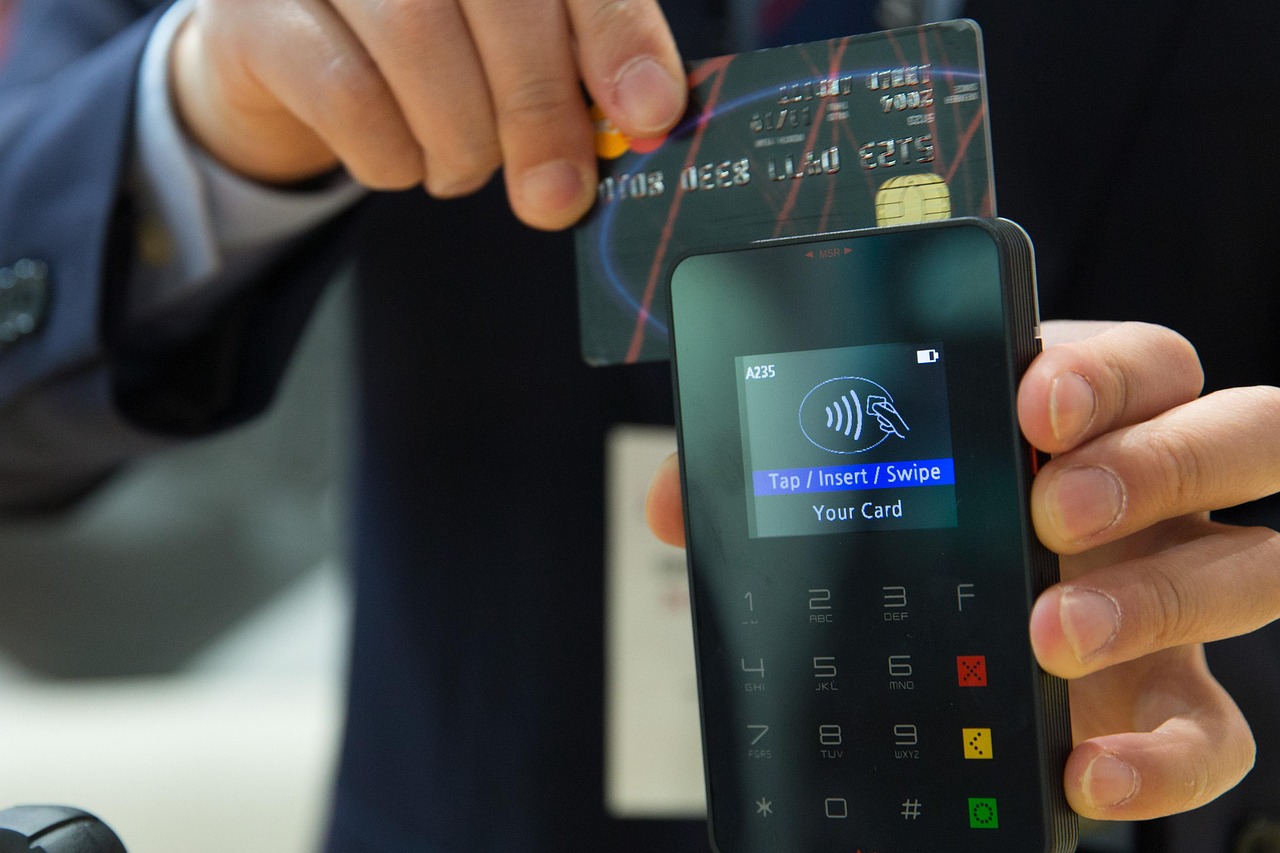
A heavy-duty cash drawer integrated with the till ensures cash reconciliation at the end of each shift. Paired with a countertop or wireless card machine that integrates natively with your EPOS software, this removes the need to double-enter transactions. Our guide to combined card machine and till systems explains how integrated payments work and why they matter for accuracy.
How Pub EPOS Software Handles Tabs, Rounds and Age Verification
This is the area where hospitality EPOS software diverges most sharply from general-purpose POS tools, and it is worth understanding in some depth before you commit to a platform.
Tab and Round Management
Good pub software allows a bartender to open a tab with a customer's name, card pre-authorisation, or a tab number, then keep adding rounds without settling between each order. At the end of the evening, the tab can be printed, reviewed, adjusted for any errors and settled in a single transaction. Some systems allow a tab to be transferred between tills — useful when a customer moves from the bar to a table.
Age Verification
Under the Licensing Act 2003 (England and Wales), it is illegal to sell alcohol to anyone under 18 or to purchase alcohol on behalf of someone under 18. A well-configured EPOS system enforces a Challenge 25 prompt at the point of sale, requiring the server to confirm that ID has been checked and accepted before the transaction can complete. Critically, this prompt should be impossible to bypass without manager authorisation, and the system should log every verification event for audit purposes. Always verify your specific licensing obligations with your local licensing authority or a qualified licensing solicitor.
Promotions and Happy-Hour Pricing
Scheduled price changes — for example, a happy-hour rate between 5 pm and 7 pm on weekdays — should be automated within the software, activating and deactivating without manual intervention. This prevents staff from accidentally applying promotional pricing outside the designated window.
Integrations That Matter: Payments, Stock Control and Accounting
A pub EPOS system that operates in isolation creates unnecessary administrative overhead. The integrations below are the ones that UK pub operators consistently identify as the most operationally valuable:
- Integrated card payments: Native integration with a payment processor means card transactions appear directly in your EPOS reports with no manual reconciliation. If you are weighing up payment hardware options, our guide to the best wireless card machines for small businesses covers the key considerations.
- Cellar and stock management: A dedicated stock module tracks unit-level consumption against purchases, flagging variance that may indicate wastage, spillage or — less charitably — shrinkage.
- Accounting software integration: Direct feeds to platforms such as Xero or Sage eliminate the double-keying of sales figures and simplify VAT returns. This is particularly valuable for pub operators managing food and drink at different VAT rates.
- Loyalty and gift card schemes: Building a regular customer base is central to pub profitability. An integrated loyalty module allows customers to accumulate points on spend and redeem them seamlessly at the till.
- Online ordering: For pubs offering table ordering via QR code or a branded app, integration between the online ordering platform and the EPOS system keeps everything in a single sales ledger.
You can explore the EPOS Direct software platform to see how these integrations are implemented in practice, or book a restaurant and hospitality EPOS software demo to see the tab and stock features in a live environment.
How Much Does a Pub EPOS System Cost in the UK?
Pricing varies considerably depending on the size of the venue, the number of tills, the hardware specification and whether you purchase outright or opt for a subscription model. The figures below are honest indicative ranges based on typical UK market configurations — not quotes, and subject to change. Always request a tailored proposal for your specific setup.
| Setup Type | Typical Hardware Cost | Typical Monthly Software Fee | Best Suited To |
|---|---|---|---|
| Single-till entry system | From approximately £500–£900 | From approximately £30–£60/month | Small community pubs, single-bar venues |
| Mid-range 2–3 till setup | From approximately £1,200–£2,500 | From approximately £60–£120/month | Busy local pubs, pubs with a food offer |
| Full hospitality system (4+ tills, kitchen printer, handhelds) | From approximately £3,000–£6,000+ | From approximately £120–£250/month | Gastropubs, multi-zone venues, managed houses |
Some suppliers offer leasing or rental arrangements that spread hardware costs, which can be useful for new openings managing capital carefully. Be clear on what is included in a monthly fee — support, software updates, cloud back-up and payment processing may be bundled or itemised separately. Our guide to affordable EPOS systems for small businesses explores how to assess total cost of ownership rather than headline price alone.
Operators who want no ongoing monthly software fee should also read our overview of card machines with no monthly fee to understand where payment costs can be reduced alongside EPOS running costs.
Selecting the Right System: A Practical Decision Framework
Before speaking to any supplier, answer the following questions honestly — they will sharpen your brief and prevent you from being sold features you do not need:
- Do you serve food as well as drinks? If yes, you need kitchen printer routing and the ability to handle mixed-VAT transactions from day one.
- How many tills do you need, and where? A pub with a main bar, a snug and a garden requires a system that supports multiple till points on a single licence, not multiple separate subscriptions.
- What does your busiest hour look like? If your bar serves 200 covers in 90 minutes on a Friday evening, till speed and network reliability are your top priorities — not feature count.
- Which accounting package do you already use? Confirm your EPOS shortlist integrates natively with it before committing.
- How important is staff management? If you need clocking in/out, covers per server and tip allocation, verify the EPOS platform handles this or integrates with a rota tool that does.
If you are also running a retail side — a bottle shop or off-licence attached to the pub — the considerations around retail EPOS are covered in our complete guide to EPOS systems for small businesses.
Why UK Pub Operators Choose EPOS Direct
EPOS Direct is a UK-based EPOS specialist with direct experience supporting hospitality businesses across England, Scotland and Wales. Unlike generalist technology resellers, the team understands the operational rhythms of pub service — from lunchtime covers to late-night bar rushes — and configures systems accordingly rather than delivering a generic out-of-the-box setup.
Key reasons pub operators return to EPOS Direct include:
- Purpose-built hospitality software with native tab management, age-verification prompts and stock depletion — not a retail system with hospitality bolt-ons
- Flexible hardware packages covering single-till setups through to multi-zone installations, with robust, bar-ready touchscreen terminals
- Integrated payment processing that feeds directly into your sales reports, removing end-of-day reconciliation headaches
- UK-based support available when you need it — including during evening and weekend service when your busiest trading happens
- Transparent pricing with clear indication of what is included in any monthly fee
You can browse current hardware and software packages on the EPOS Direct home page, where you will find the latest offers and detailed product information. Hospitality-specific packages — including configurations designed for pubs, bars and restaurants — are available through our hospitality EPOS offers page.
Conclusion
A pub EPOS system is not a nice-to-have — it is the operational backbone of a profitable, compliant and well-run venue. The right system speeds up bar service, enforces age verification automatically, keeps stock accurate and gives you the data to make confident business decisions. Getting the specification right from the outset is far less costly than retrofitting or switching systems mid-trade.
EPOS Direct's team works with UK pub operators every day, helping them specify, install and get the most from their EPOS setup. To see the software in action before you commit, request a free demo at a time that suits you, or talk to an expert online about your venue's specific requirements. There is no obligation — just straightforward guidance from people who understand what a busy pub actually needs.
Written by the EPOS Direct UK team, who help UK hospitality and retail businesses find, configure and get the most from their EPOS systems every day.
Frequently asked questions
- What features should a pub EPOS system have that a standard retail till does not?
- A pub EPOS system needs tab management so staff can open and hold orders against a customer or table, round-splitting functionality, quick-fire drink menus optimised for speed during busy periods, age verification prompts for Challenge 25, and kitchen or bar printer routing so drinks orders go straight to the bar and food to the kitchen. It should also handle happy-hour pricing, split payments and void authorisation — none of which a basic retail till typically offers out of the box.
- How much does a pub EPOS system cost in the UK?
- Costs vary depending on the size of your pub and the hardware you need. As a general guide, a single-terminal pub EPOS setup in the UK typically starts from around £499–£799 for a basic touchscreen till with software licence included. Multi-terminal systems for larger pubs with handheld ordering devices, bar printers and integrated card payment can range from £1,200 to £3,500 or more. Many suppliers, including EPOS Direct, offer finance options or monthly payment plans to spread the cost, and ongoing software support is often available from around £30–£60 per month per terminal.
- Can I use a pub EPOS system to manage my stock and reduce wastage?
- Yes — a good pub EPOS system will track stock in real time as drinks are poured and sold, alerting you when barrels, bottles or mixers run low. Some systems link directly to your suppliers for automatic reorder triggers. Over time, comparing your recorded sales against your physical stock counts helps you identify wastage, over-pouring or potential theft, which can make a significant difference to margins in a wet-led venue.
