We use cookies to make your experience better.
To comply with the new e-Privacy directive, you agree to the privacy policy and our use of cookies


Best EPOS System for Restaurants in the UK 2026: Top Picks & Buying Guide
Best EPOS System for Restaurants in the UK (2026 Guide)

Choosing the right EPOS system is one of the most consequential operational decisions a UK restaurant owner can make. The best systems do far more than process payments — they coordinate your front-of-house, communicate with the kitchen, manage stock in real time, and give you the reporting insight to run a tighter, more profitable operation. This guide cuts through the noise to help you find the system that genuinely fits your venue, your team, and your ambitions.
What to Look for in a Restaurant EPOS System
A restaurant has demands that retail simply does not share: simultaneous table orders, modifier-heavy menus, timed covers, split payments between large parties, and a kitchen that needs to receive orders accurately and instantly. Before comparing products, ground your decision in the operational realities of your own site.
- Table and floor plan management: Your system should mirror your actual layout so servers can route orders correctly without confusion.
- Kitchen Display System (KDS) compatibility: Printed dockets get lost or ignored. A live display screen in the kitchen reduces errors and speeds up pass times significantly.
- Menu flexibility: Allergen tracking, modifiers (cooking preferences, portion sizes, substitutions), timed menus, and seasonal specials should all be configurable without developer involvement.
- Integrated payments: Fragmented payment hardware creates reconciliation headaches. Look for a system where card transactions flow directly into your till records.
- Reporting and analytics: Cover counts, average spend per head, best-selling dishes by day-part — this data helps you optimise staffing, ordering, and menu design.
- Offline resilience: Internet outages happen. Your EPOS should keep processing orders and payments even when connectivity drops.
If you operate a smaller independent venue, it is also worth reviewing our practical guide to the best till systems for small businesses in the UK, which covers the core principles that apply across hospitality and retail alike.
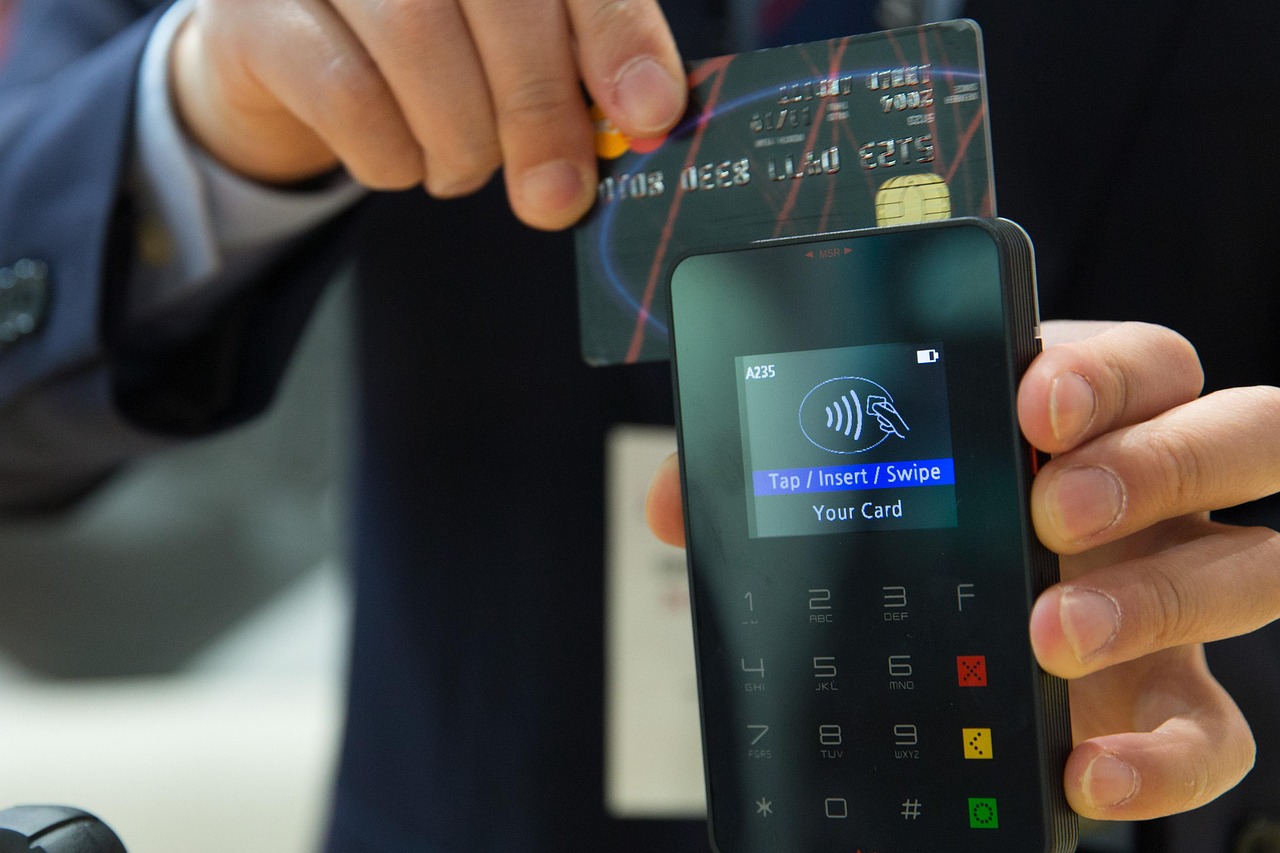
Top EPOS Approaches for UK Restaurants Compared
Rather than rank individual products by name — a comparison that dates quickly — the table below maps the main solution tiers against the criteria that matter most to restaurant operators. Use it to identify which category suits your venue before exploring specific providers.
| Solution Tier | Best For | Table Management | KDS Support | Offline Mode | Typical Monthly Cost (Indicative) | Contract Flexibility |
|---|---|---|---|---|---|---|
| Entry-level tablet EPOS | Cafés, food trucks, pop-ups | Basic or none | Limited | Partial | From approx. £20–£50/month | Monthly rolling common |
| Mid-range cloud EPOS | Independent restaurants, gastropubs | Full floor plan | Yes | Good | Approx. £60–£150/month | 12–24 month typical |
| Full hospitality EPOS suite | Multi-room venues, groups, hotels with F&B | Advanced multi-zone | Yes, multi-station | Robust | Approx. £150–£400/month | 24–36 month typical |
| Integrated EPOS + payment terminal bundle | Any venue wanting one supplier | Depends on tier | Available as add-on | Good to excellent | Varies; hardware often included in bundle | Contract-based |
Note: figures above are indicative market ranges for UK hospitality, not quotes. Actual pricing depends on the number of terminals, add-ons, and negotiated terms. See the cost section below for a fuller breakdown.
Must-Have Features: Table Management, Split Bills and Kitchen Display
Three features separate a genuinely restaurant-grade EPOS from a generic point-of-sale system. If a system cannot handle all three well, it will create friction at exactly the moments your team can least afford it.
Table Management
A visual floor plan, configurable by your actual layout, lets staff open a tab against a table number instantly. Good table management tracks how long each cover has been seated, flags tables approaching a time limit, and allows easy transfers between sections when you need to reorganise on a busy night. The best systems let you merge or split tables and assign servers without switching screens.
Split Bills
Split billing is a non-negotiable expectation in UK dining. Your EPOS should handle splitting by item, by equal share, and by custom amount — all in a few taps. Partial payments across multiple card readers should reconcile automatically, not require manual arithmetic at the end of the shift.
Kitchen Display Systems
A Kitchen Display System replaces printed dockets with a live, prioritised screen at each kitchen station. Orders appear the moment a server confirms them at the till; chefs can mark dishes as ready; the front-of-house receives a notification. The operational impact is measurable: fewer misfired dishes, faster pass times, and an immediate reduction in the verbal relay between floor and kitchen. If you are evaluating a system, ask for a live demonstration — you can watch a restaurant EPOS software demo to see how an integrated KDS functions in practice.
Cloud-Based vs Traditional EPOS: Which Suits Your Restaurant?
This is one of the most common questions from operators upgrading from older hardware. The short answer: for most UK restaurants opening or upgrading today, cloud-based EPOS is the right default — but there are specific contexts where a hybrid or locally-installed system still has merit.
Cloud-Based EPOS
- Menus and pricing updated instantly from a browser — no engineer required.
- Reporting accessible remotely, ideal for multi-site owners or operators who are not always on-site.
- Software updates deploy automatically, keeping you compliant with changes such as HMRC's Making Tax Digital requirements.
- Lower upfront hardware cost in most configurations.
- Reliant on internet connectivity — a strong broadband connection (or 4G failover) is essential.
Traditional (Locally Installed) EPOS
- Data stored locally; no dependency on third-party cloud servers.
- Preferred by some larger, established operators with existing IT infrastructure.
- Updates and changes typically require on-site support or remote access by a technician.
- Higher upfront investment, lower ongoing software fees in some models.
For most independent restaurants and growing groups, cloud EPOS delivers the best balance of flexibility, cost, and ongoing support. If you are also exploring payment hardware, our guide to combined card machine and till systems explains how integrated setups reduce complexity at the point of sale.
How Much Does a Restaurant EPOS System Cost in the UK?
Cost is invariably the first question, and the honest answer is that it depends significantly on the size of your operation, the number of terminals, and whether you opt for a bundled hardware-and-software package or purchase components separately. The following ranges are indicative of the broader UK hospitality market and should be used for budgeting orientation only — not as guaranteed prices.
Software Subscriptions
Cloud EPOS software for restaurants typically starts from around £30–£60 per month for a single terminal with basic features, rising to £100–£300+ per month for full hospitality suites with KDS integration, loyalty, and advanced reporting. Multi-site licences are usually negotiated rather than listed.
Hardware
- Touchscreen terminal: typically from around £300–£800 per unit, depending on specification.
- Kitchen display screen: typically from around £250–£500 per screen.
- Receipt printer: typically from around £80–£200.
- Handheld order device: typically from around £200–£500 per device.
Many providers — including EPOS Direct — offer bundled packages where hardware costs are reduced or spread across a contract term, making the upfront outlay considerably more manageable. Our guide to affordable EPOS options for small businesses explores how to get strong functionality without overspending.
Payment Processing
Card processing fees in the UK are typically quoted as a percentage of transaction value plus a pence-per-transaction charge. Integrated payment terminals are sometimes bundled into restaurant EPOS packages; in other configurations, you source your card machine separately. If payment costs are a priority, our guide to the best wireless card machines for small businesses covers the key considerations in detail.
To get an accurate figure for your specific setup, the most effective step is to speak directly with a specialist. You can talk to an expert online or view our current hospitality and restaurant EPOS offers to see what is available at your budget level.
How to Switch to a New EPOS System Without Disrupting Service
Operators often delay a necessary upgrade because the idea of a switchover mid-trading feels risky. With the right planning, it does not need to be.
- Audit your current data: Export your menu, pricing, and customer data from your existing system before go-live. Verify completeness before decommissioning anything.
- Schedule installation during a low-traffic window: A Tuesday lunch close, or a planned dark day, gives your team time to run through the new system without pressure.
- Train your team before the first live shift: Even two hours of hands-on practice with real scenarios — opening a tab, sending a KDS order, processing a split bill — dramatically reduces first-day errors.
- Run parallel systems briefly if possible: On your first live service, keeping a paper backup for critical functions gives confidence without compromising the new system's integrity.
- Use your provider's support line: A reputable EPOS supplier will have UK-based support available during your first trading days. Confirm this before you sign.
If you manage a business across multiple sectors — perhaps a venue with a retail component — it is worth noting that many of the switching principles are consistent across industries. Our article covering EPOS systems for small businesses addresses the broader transition framework in more detail.
Why Choose EPOS Direct for Your Restaurant?
EPOS Direct is a UK-based EPOS and POS specialist with dedicated expertise across the hospitality sector. Unlike general-purpose payment providers that treat restaurants as an afterthought, EPOS Direct's hospitality solutions are built around the specific operational demands of UK food and beverage businesses — from independent bistros to multi-site restaurant groups.
- Purpose-built restaurant software: Full table management, KDS integration, allergen flagging, modifier-heavy menus, and flexible timed pricing are standard, not optional extras.
- Integrated hardware and software: One supplier, one support relationship. No finger-pointing between a hardware vendor and a software company when something needs resolving.
- UK-based support: Real people, based in the UK, who understand the regulatory and operational context of running a UK restaurant — from VAT reporting requirements to the nuances of hospitality tipping rules.
- Scalability: Whether you are a single-site operator today or planning expansion, the platform scales with you without requiring a disruptive migration.
You can explore the full range of EPOS Direct solutions — for restaurants, retail, and more — on the EPOS Direct UK home page, where you will find current offers and detailed information for your business type.
The Bottom Line
A well-chosen restaurant EPOS system pays for itself — in faster table turns, fewer order errors, better stock control, and the reporting clarity that lets you make smarter decisions every week. The right choice depends on your venue size, service style, and growth plans, but the non-negotiables are consistent: reliable table management, genuine KDS integration, flexible billing, and a supplier with credible UK hospitality expertise.
EPOS Direct ticks every one of those boxes. If you are ready to see the system in action, request a free demo today — or, if you would prefer to talk through your specific requirements first, request a call back from the EPOS Direct UK team. We help restaurant operators across the UK find the right system every day, and we would be glad to help you find yours.
Written by the EPOS Direct UK team, specialists in EPOS and POS systems for UK businesses across hospitality, retail, and beyond.
Frequently asked questions
- What is the best EPOS system for a small restaurant in the UK?
- For small UK restaurants, the best EPOS system combines an intuitive touchscreen till, table management, and integrated card payments in one affordable package. EPOS Direct offers tailored starter bundles with no hidden fees, making it a strong choice for independents and cafes alike.
- Do restaurant EPOS systems in the UK work without internet?
- Most modern restaurant EPOS systems offer offline mode so you can continue taking orders and payments even if your internet drops. EPOS Direct's systems store transactions locally and sync automatically when connectivity is restored, protecting your revenue during outages.
- How much does a restaurant EPOS system cost in the UK?
- Restaurant EPOS system costs in the UK vary from around £300–£500 for a basic single-terminal setup to £1,500+ for multi-terminal configurations with kitchen display screens and integrated payments. EPOS Direct offers flexible purchase and leasing options to suit all budgets.
