We use cookies to make your experience better.
To comply with the new e-Privacy directive, you agree to the privacy policy and our use of cookies


The Best EPOS Systems for Small Businesses in the UK (2026 Guide)
Best EPOS Systems for Small Businesses in the UK

Choosing the right EPOS system is one of the most consequential technology decisions a small business owner makes — the right setup streamlines sales, sharpens stock control and surfaces the insights that drive growth, while the wrong one creates daily friction and hidden costs. For UK small businesses, the market offers everything from lean, software-only solutions to full counter-top hardware bundles, and the best choice depends entirely on your sector, transaction volume and ambitions. This guide cuts through the noise with practical, experience-led advice so you can make a confident, well-informed decision.
Written by the EPOS Direct UK team, who work with independent retailers, restaurateurs, café owners and specialist traders across the United Kingdom every day.
What to Look for in an EPOS System as a Small Business
Before comparing products, it pays to define what "best" actually means for your operation. A boutique gift shop has entirely different priorities to a busy café or a pharmacy counter. That said, certain criteria apply universally.
Core features every small business should insist on
- Ease of use: Your team should be transacting confidently within an hour of setup, not a week. Look for an intuitive touchscreen interface and a shallow learning curve.
- Reliable stock management: Real-time inventory tracking prevents overselling, reduces shrinkage and saves hours of manual counting — essential even if you hold only a few hundred SKUs.
- Integrated payments: A card machine that talks directly to your till removes reconciliation errors and speeds up every transaction. Explore the options in our guide to combining a card machine and till system for a complete picture.
- Reporting and analytics: Daily sales summaries, best-seller reports and staff performance dashboards help you make decisions based on data, not instinct.
- Scalability: The system you buy on day one should still serve you when you open a second site or double your product range.
- Responsive UK-based support: When a terminal goes down during Saturday lunch service, you need a real person on the phone — not a help-centre article.
Questions worth asking any supplier
- Is the software updated automatically, and are updates included in the subscription?
- What happens to my sales data if I lose internet connectivity mid-shift?
- Can I trial the software before committing to hardware?
For a deeper dive into hardware and software combinations, our complete 2026 guide to EPOS systems for small businesses covers every major configuration.
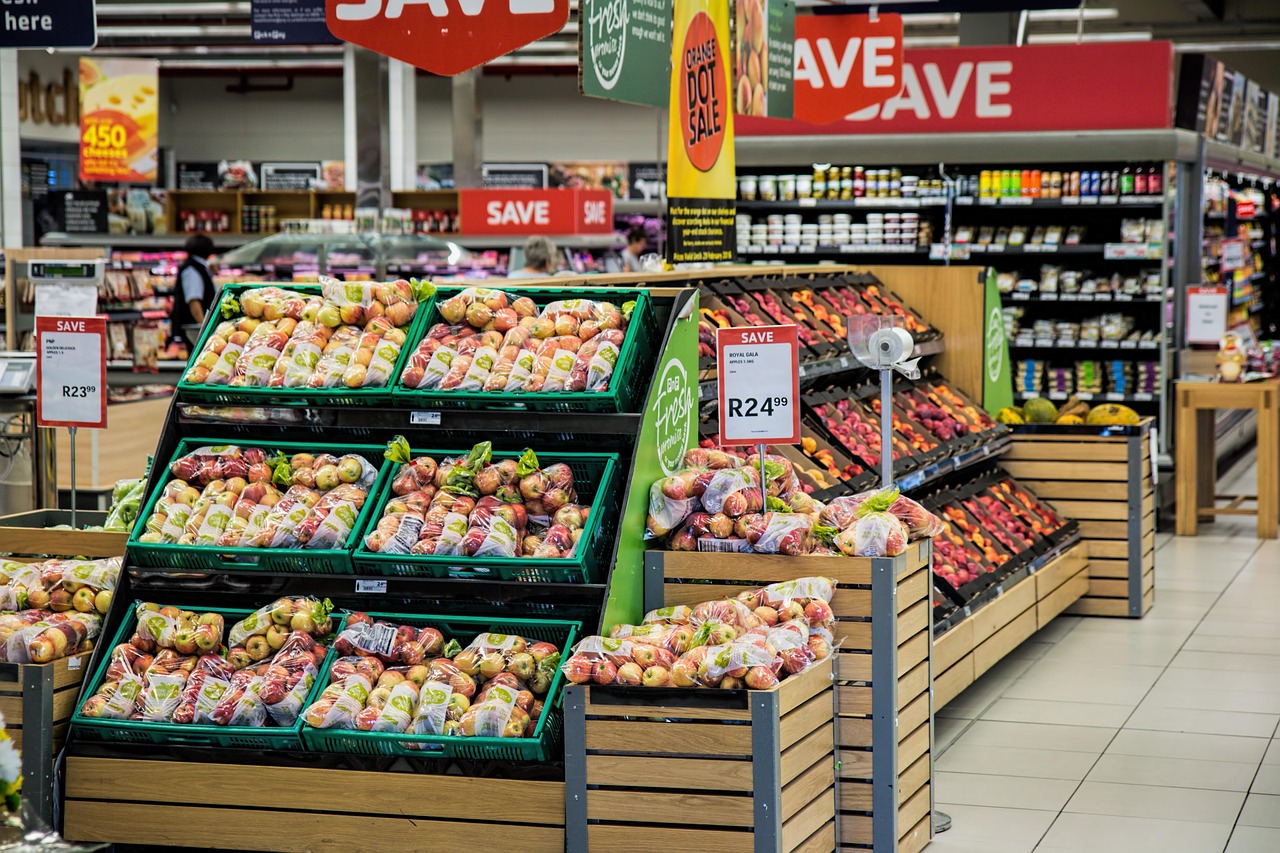
Top EPOS Systems for Small UK Retailers
Independent retail — clothing boutiques, convenience stores, gift shops, sports outlets — demands fast checkout, precise stock control and flexible promotions. The non-negotiables for retail EPOS include a barcode scanner, receipt printer, customer display, and the ability to run discounts and loyalty schemes without convoluted workarounds.
Cloud-based retail EPOS platforms now dominate the small-business market because they push updates remotely, sync multi-site inventory in real time and typically carry lower upfront costs than legacy systems. If you sell clothing and accessories, our dedicated article on the best EPOS systems for clothing shops in the UK explores size-and-colour matrix management, a feature many generic systems handle poorly.
For retail operators ready to see what modern software looks like in practice, the retail EPOS software demo from EPOS Direct is a useful starting point, and you can browse current hardware bundles on the retail EPOS offers page.
Best EPOS Solutions for Small Hospitality and Catering Businesses
Cafés, restaurants, takeaways, pubs and food-to-go counters face a distinct set of pressures: table management, kitchen printing, modifier handling (extra shot, no onions, allergen flags), and the relentless pace of a lunchtime rush. A hospitality EPOS must keep up with all of that without demanding attention from front-of-house staff.
Features that define a strong hospitality EPOS
- Kitchen display system (KDS) or kitchen printer integration: Orders route directly to the kitchen the moment they are taken, eliminating shouted tickets and lost paper.
- Table planning: A visual floor-plan view shows occupancy, covers and order status at a glance.
- Modifier and allergen management: Natasha's Law (in force since October 2021 in the UK) requires full ingredient labelling on pre-packed-for-direct-sale foods — your EPOS should make allergen flagging straightforward. Verify the current requirements at the Food Standards Agency website (food.gov.uk).
- Split billing and open tabs: Non-negotiable for pubs, cocktail bars and restaurants with walk-in trade.
- Integrated online ordering: Many small F&B operators now run a parallel delivery or click-and-collect channel; an EPOS that feeds those orders directly into the same system prevents double-entry chaos.
You can see a working demonstration of dedicated hospitality software via the restaurant EPOS software demo, and current hospitality hardware packages are listed on the hospitality and restaurant EPOS offers page.
EPOS Hardware vs Software: What Does Your Business Actually Need?
Many small business owners arrive at this decision unsure whether they need to invest in dedicated hardware at all. The honest answer: it depends on transaction volume, environment and how your customers expect to pay.
| Setup Type | Ideal For | Typical Hardware | Key Advantage | Limitation |
|---|---|---|---|---|
| Software on a tablet/iPad | Market stalls, pop-ups, very small cafés | Consumer tablet + Bluetooth receipt printer + card reader | Lowest upfront cost; highly portable | Consumer hardware is less durable; limited peripheral integration |
| All-in-one touchscreen terminal | Independent retailers, cafés, delis | Purpose-built terminal + cash drawer + scanner + printer | Robust, purpose-built, faster throughput | Higher initial outlay; less portable |
| Multi-terminal counter setup | Busy restaurants, larger retail stores | 2+ terminals + kitchen printer/KDS + customer display | Handles peak volume; shared back-office data | Requires network infrastructure; greater setup complexity |
| Hybrid (fixed + handheld) | Table-service restaurants, queue-busting retail | Counter terminal + handheld ordering device | Staff mobility; faster table turns | Higher total cost; relies on stable Wi-Fi |
For a practical breakdown of till options across different business sizes, our guide to the best till systems for small businesses in the UK is worth reading alongside this article.
How Much Does an EPOS System Cost for a Small Business in the UK?
Cost is almost always the first question, so here is an honest picture of what the UK market currently looks like for small-business buyers.
Indicative price ranges (guidance only — always request a personalised quote)
- Software subscription: Typically from around £20–£80 per month for a single-terminal licence, depending on the feature tier and whether payment processing is bundled.
- Entry-level hardware bundle (single terminal, receipt printer, cash drawer): Most setups fall in the region of £400–£900 as a one-off purchase, or are available on monthly payment plans from some suppliers.
- Mid-range retail or hospitality bundle (terminal, scanner, printer, card machine, customer display): Broadly £700–£1,500 as an outright purchase, with leasing or subscription-hardware options reducing the day-one spend.
- Card processing fees: Vary by volume and provider; card machine rental and transaction rates are separate costs to factor in. Our guide to the best wireless card machines for small businesses covers what to look for, and if fee structures are a concern, see also our overview of card machines with no monthly fee.
- Installation and training: Some suppliers include this; others charge separately. Confirm upfront.
For a more detailed budget breakdown, our article on affordable EPOS systems for small businesses in the UK works through the total cost of ownership rather than just the sticker price.
The most cost-effective path for many small businesses is a cloud-based software subscription paired with a hardware bundle from a specialist supplier — you avoid a large capital outlay while retaining access to ongoing updates and support.
Cloud-Based vs Traditional EPOS: Which Is Right for You?
Legacy, server-based EPOS systems still exist in the market, but for the vast majority of new buyers a cloud-based solution is the stronger choice. Here is why — and where the trade-offs lie.
Cloud-based EPOS
- Data is stored remotely and accessible from any device with a browser — useful for multi-site owners checking takings from home.
- Updates deploy automatically; you always have the latest features and security patches without calling an engineer.
- Offline mode (available in quality systems) allows transactions to continue if internet drops, syncing when connectivity is restored.
- Lower upfront cost; scales from one terminal to many without server investment.
Traditional (on-premise) EPOS
- Data lives locally — some businesses in sectors with strict data-handling requirements (pharmacies, for example) value this.
- Does not depend on internet connectivity for core functions.
- Typically higher upfront cost; software updates may incur fees.
- Suited to very stable, single-site environments where the operator has IT capability in-house.
For most independent UK retailers and hospitality operators, a cloud-based system from a trusted UK supplier offers the best balance of capability, resilience and value. Pharmacy owners should explore the specialist pharmacy EPOS software demo to see how sector-specific compliance requirements are handled.
Why UK Small Businesses Choose EPOS Direct
EPOS Direct has been supplying and supporting EPOS systems to independent businesses across the United Kingdom for many years. The combination of purpose-built hardware, continuously developed cloud software and UK-based customer support means small business owners get a coherent, end-to-end solution rather than a patchwork of third-party integrations.
What sets EPOS Direct apart for small business buyers
- Sector-specific software: Separate, purpose-built platforms for retail, hospitality and pharmacy — not a one-size-fits-all product stretched to fit every use case.
- Transparent pricing: Clear bundle options without hidden fees; all available to explore on the EPOS Direct home page where you'll find current offers and further information.
- Hands-on demos: Live software demonstrations — not pre-recorded videos — so you see exactly how the system behaves in your workflow before committing.
- Ongoing UK support: A real support team, reachable when it matters, with product knowledge that goes beyond reading from a script.
- Scalable from day one: Whether you're launching a first store or consolidating three sites onto a single platform, the architecture grows with you.
To see the full range of EPOS Direct's software capabilities, visit the EPOS software overview, or for a broader look at the company's product and service range, the complete guide to EPOS Direct and its POS systems for UK businesses is a thorough starting point.
Making Your Decision with Confidence
The right EPOS system for a small UK business is one that handles your busiest moments without friction, gives you the stock and sales data you need to grow, and comes backed by support you can actually reach. That means prioritising ease of use, sector-fit software and a supplier with genuine UK expertise — not just the lowest headline price.
If you're ready to see what a modern, purpose-built EPOS system looks like in practice, request a free demo from EPOS Direct, or talk to an expert online to discuss your specific requirements. Prefer to speak by phone? Request a call back and a member of the team will get in touch at a time that suits you. EPOS Direct helps independent UK businesses make confident, well-matched technology choices — every day.
Frequently asked questions
- How much should I expect to pay for an EPOS system as a small business in the UK?
- Costs vary depending on your setup. A basic cloud-based EPOS solution with one terminal can start from around £300 to £500 for hardware, with monthly software fees ranging from £20 to £80 per month. More complete bundles — including a touchscreen till, receipt printer, barcode scanner, and card payment integration — typically range from £800 to £2,000 upfront. EPOS Direct UK offers flexible packages tailored to small business budgets, and free quotes are available to help you understand the true cost for your specific needs.
- Do I need a separate card payment terminal or does an EPOS system handle payments too?
- Many modern EPOS systems — including those from EPOS Direct UK — integrate directly with card payment terminals, meaning your sales, receipts, and payments are all processed through one unified system. This removes the need for a separate card machine in most cases, reduces reconciliation errors, and speeds up checkout. Always confirm that your EPOS provider supports integrated payments or has partnerships with UK payment processors such as Worldpay, Dojo, or Stripe.
- Can I use an EPOS system if I run both a physical shop and an online store?
- Yes. Many EPOS systems designed for small businesses now support omnichannel selling, allowing you to sync your in-store inventory with your online shop in real time. This means stock levels, pricing, and product data stay consistent across both channels. When evaluating systems, look for native integrations with platforms like Shopify, WooCommerce, or Wix, or ask your provider — such as EPOS Direct UK — whether an API or third-party connector is available.
