We use cookies to make your experience better.
To comply with the new e-Privacy directive, you agree to the privacy policy and our use of cookies


Top Till Systems for UK Retail & Hospitality Businesses: A Buyer's Guide
The Best Till Systems for UK Retail and Hospitality Businesses

Choosing the right till system is one of the most consequential decisions a UK retailer or hospitality operator can make — it shapes how quickly you serve customers, how clearly you see your business, and how confidently you scale. The strongest modern systems combine reliable point-of-sale hardware with cloud-based software, integrated payments, and real-time reporting, giving independent businesses the same operational clarity that larger chains have long enjoyed. This guide cuts through the noise to help you identify the solution that genuinely fits your business, your budget, and your sector.
What to Look for in a Modern Till System
A till is no longer simply a cash drawer and a receipt printer. The best systems act as a central nervous system for your business, connecting sales, stock, staff and customers in one place. Before comparing hardware or monthly fees, ground your decision in these core criteria:
- Ease of use: Staff should be processing transactions confidently within minutes, not hours. Touchscreen interfaces with logical layouts dramatically cut training time — a critical advantage when hospitality and retail teams have high turnover.
- Stock management: Real-time inventory tracking prevents overselling, flags low stock automatically, and saves the hours spent on manual stock counts. For retail, this is non-negotiable.
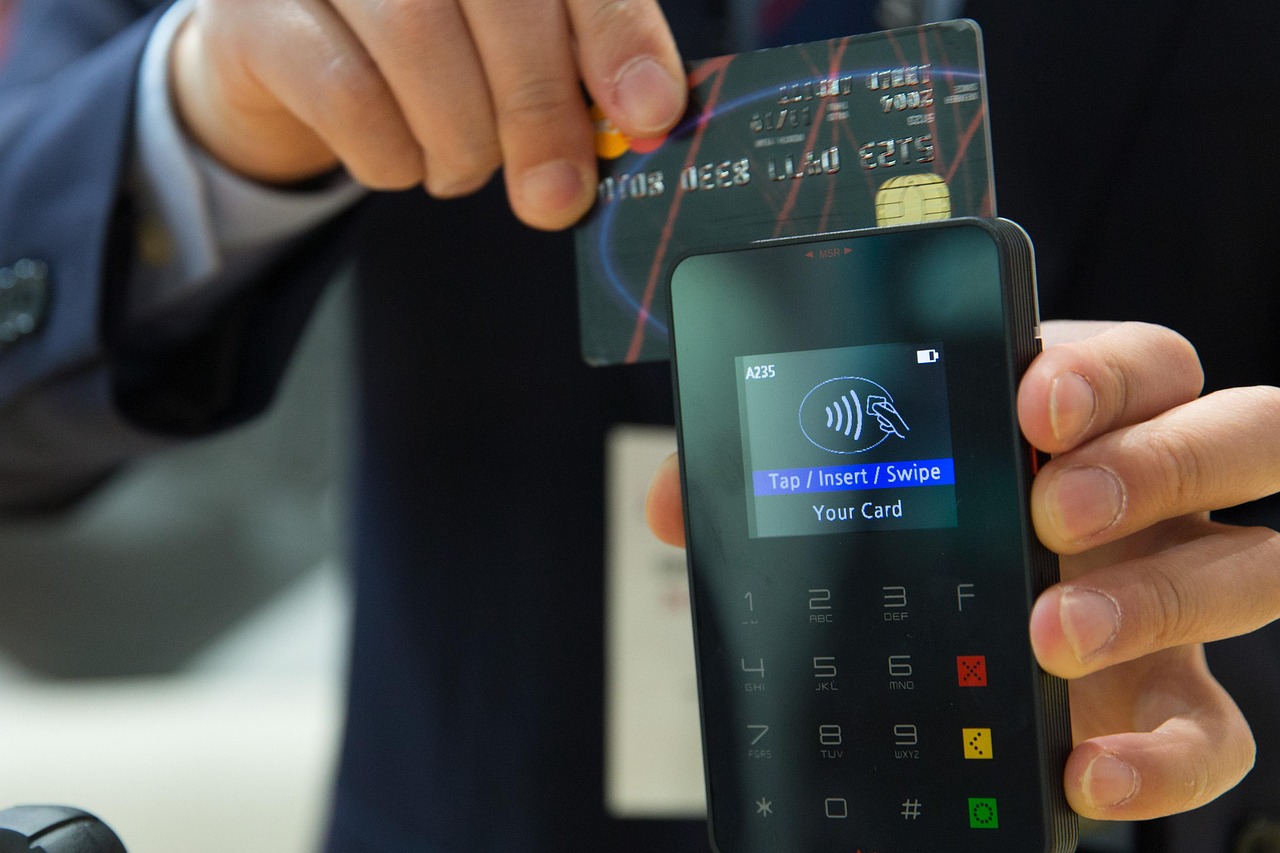
- Integrated payments: A till and card machine that communicate natively eliminate end-of-day reconciliation headaches and reduce human error. See our guide to a card machine and till system combined for a deeper look at why integration matters.
- Reporting and analytics: Meaningful data — hourly sales, best-selling SKUs, gross margin by category, staff performance — should be available at a glance, ideally on a mobile dashboard you can check anywhere.
- Scalability: Whether you run one site today or plan to open three more in two years, your system should grow without requiring a costly re-platform.
- Support: UK-based support, available during your trading hours, is worth paying for. A till that goes down on a Saturday afternoon without accessible help is a serious commercial problem.
Cloud-Based vs Traditional EPOS: Which Is Right for Your Business?
This is the question most buyers wrestle with longest, and the answer has shifted decisively in recent years. Traditional, server-based EPOS systems store data locally, which once felt more secure but now means higher upfront costs, manual software updates, and no access to your data remotely. Cloud-based systems — now the clear market direction — store data online, update automatically, and allow you to monitor your business from your phone at midnight if you choose.
| Factor | Cloud-Based EPOS | Traditional (Server-Based) EPOS |
|---|---|---|
| Upfront hardware cost | Lower — typically leased or subscription-based | Higher — server and licences purchased outright |
| Software updates | Automatic, included in subscription | Manual; often charged separately |
| Remote access | Full access from any device, anywhere | Limited or requires VPN setup |
| Scalability | Add locations or tills quickly | Requires additional hardware and IT work |
| Offline trading | Most modern systems cache locally during outages | Fully local — unaffected by internet issues |
| Ongoing cost | Predictable monthly subscription | Lower monthly cost; large occasional upgrade bills |
| Best suited to | Most modern retail and hospitality businesses | Businesses with unreliable broadband or very specific legacy needs |
For most UK businesses opening or upgrading today, cloud-based EPOS is the right starting point. If you're unsure which architecture suits your specific situation, talk to an expert online who can assess your connectivity, footfall, and trading patterns before you commit.
Top Till System Features That Save Time and Boost Sales
Beyond the basics, a handful of features separate genuinely useful systems from ones that merely process payments. These are the capabilities worth insisting on:
Promotions and Discount Engine
The ability to programme meal deals, multi-buy offers, loyalty discounts, and timed happy-hour pricing directly into the till — without staff needing to calculate anything — protects margin and removes friction at the point of sale.
Customer Relationship Management (CRM)
A built-in customer database allows you to track purchase history, run targeted email campaigns, and build a loyalty programme without paying for a separate platform. For cafés and independent retailers, repeat customers are disproportionately valuable.
Kitchen Display Systems and Table Management
In hospitality, a kitchen display system (KDS) replaces paper tickets, reduces errors, and speeds up service. Paired with a table management module, staff can split bills, transfer covers, and manage waitlists from the till itself.
Integrated Online Ordering
For F&B operators, a till that connects directly to your online ordering or delivery platform means orders flow straight to the kitchen without manual re-entry — eliminating a common source of costly mistakes.
Multi-Site Management
If you trade from more than one location, managing pricing, menus, and promotions centrally — with per-site reporting — is transformative. Look for systems where head-office controls can be pushed to all tills simultaneously.
Till Systems for Retail: What UK Shop Owners Need to Know
Retail till systems face a distinct set of demands: large and frequently changing product catalogues, barcode scanning, supplier integrations, and the need to handle returns cleanly. The most common pain points we hear from UK shopkeepers are stock discrepancies, slow checkout during peak periods, and end-of-day reconciliation that takes too long.
A strong retail EPOS system should handle variants — sizes, colours, materials — as seamlessly as simple single-SKU products. It should integrate with your ecommerce platform so that online and in-store stock is always synchronised. And it should generate purchase orders automatically when stock falls below a defined threshold, so you're never caught short before a busy weekend.
For clothing retailers specifically, the variant management and seasonal stock planning features of a well-configured system are particularly valuable — our guide to the best EPOS systems for clothing shops in the UK explores this in detail. Independent retailers looking for a broader overview will also find practical guidance in our piece on EPOS systems for small businesses.
Ready to see how a retail system would work in practice for your shop? Book a retail EPOS software demo to walk through the key workflows with a specialist.
Till Systems for Hospitality: Restaurants, Cafés and Bars
Hospitality EPOS systems carry requirements that retail systems simply weren't designed for: course management, allergen flagging, split billing, timed rounds, covers and reservations — all under the pressure of a busy service. The best systems for this sector are purpose-built, not adapted from a generic platform.
Key considerations for hospitality operators include:
- Allergen compliance: UK food businesses have legal obligations under the Food Information to Consumers (FIC) Regulation and the Natasha's Law rules introduced in 2021. An EPOS system that surfaces allergen information at the point of ordering supports compliance — always verify your specific obligations with the Food Standards Agency (food.gov.uk).
- Speed of service: Tableside ordering via handheld terminals or customer-facing QR ordering reduces wait times and increases average spend by removing the friction of flagging down a server.
- Wet vs dry stock management: Bars and gastropubs need stock control that tracks bottles, kegs, and measures — not just covers or product lines.
- Shift and tip reporting: HMRC requires accurate records of tips and tronc arrangements. A system that logs these automatically simplifies compliance and payroll.
Explore our hospitality and restaurant EPOS offers to see current packages, or take a restaurant EPOS software demo to experience the full workflow before making any commitment.
How Much Does a Till System Cost in the UK?
This is the question every buyer asks early and every salesperson answers vaguely. Here is an honest framework for budgeting — figures are indicative ranges based on the UK market and should be treated as guidance rather than quotes, as actual pricing depends on hardware specification, number of tills, software tier, and contract terms.
Indicative UK Market Ranges
- Entry-level tablet-based systems: Typically from around £15–£30 per month on a software subscription, plus a one-off hardware cost that can range from approximately £200 to £500 for a basic touchscreen terminal, stand, and receipt printer. Suitable for sole traders, market stalls, and very small cafés.
- Mid-tier retail or hospitality EPOS: Most single-site businesses fall in the range of £30–£80 per month for software, with hardware bundles (terminal, scanner, printer, cash drawer) typically from £500 to £1,200. This tier delivers full stock management, CRM, and reporting.
- Multi-site or high-volume operations: Enterprise-grade configurations with multiple terminals, KDS screens, customer displays, and advanced integrations can run from £100 per month and upwards, with hardware investment scaling accordingly.
Payment processing fees (charged per transaction by your payment provider) sit separately from the above and typically range from around 1% to 2% per card transaction for most UK businesses, though negotiated rates vary. If monthly fees are a concern, it is worth reading our guide to card machines with no monthly fee to understand where trade-offs lie.
For budget-conscious businesses, our comparison of the most affordable EPOS systems for small businesses in the UK offers frank guidance on where to spend and where to save. And for a practical all-in buyer's guide specifically for smaller operators, see the best till systems for small businesses in the UK.
Why EPOS Direct Is Trusted by Thousands of UK Businesses
EPOS Direct is a UK-based EPOS and POS systems specialist with a long track record of supporting independent retailers, hospitality operators, pharmacies, and service businesses across the country. Unlike generalist tech providers, the EPOS Direct team works exclusively in this space — which means the advice, configuration, and ongoing support you receive comes from people who understand your specific trading environment.
What distinguishes EPOS Direct in a crowded market:
- Purpose-built software: EPOS Direct's own software platform is developed for UK business conditions — including Making Tax Digital (MTD) compatibility, VAT reporting, and sector-specific workflows for retail, hospitality, and pharmacy.
- Integrated hardware and software: Systems are supplied and configured as complete, tested solutions rather than components you assemble yourself. This reduces setup time and the risk of compatibility issues.
- UK-based specialist support: Support is available during business hours from a team that knows the product — not a generic overseas helpdesk.
- Transparent pricing: Packages are structured to be clear from the outset, with no hidden activation fees or surprise upgrade costs.
- Free demos: Every prospective customer can explore the software in a live demo environment before committing — removing the guesswork from a significant business investment.
Pharmacies and healthcare retailers should note that EPOS Direct also offers a specialist configuration for that sector — explore the pharmacy EPOS software demo to see how dispensary and front-of-house workflows are handled.
For a full overview of the brand, solutions, and available resources, visit the complete guide to EPOS Direct and POS systems for UK businesses.
Making the Right Decision for Your Business
The ideal till system is the one that fits your sector, simplifies your daily operations, and gives you clear data to make better decisions — not necessarily the cheapest, the flashiest, or the one with the longest feature list. Start by mapping your must-have requirements, be honest about your broadband reliability and technical comfort level, and always ask to see the software running before you sign anything.
EPOS Direct makes that easy. You can request a free demo at no obligation, or visit the EPOS Direct UK home page for more offers and information. If you'd prefer to talk through your specific requirements with a specialist first, request a call back and a member of the team will be in touch — no pressure, no jargon, just honest guidance from people who work with UK businesses every day.
Written by the EPOS Direct UK team, who help retail and hospitality businesses across the United Kingdom find, configure, and get the most from their EPOS and POS systems every day.
Frequently asked questions
- How much should I expect to pay for a till system in the UK?
- Costs vary depending on the setup. A basic tablet-based till system can start from around £300–£500 for hardware, with software subscriptions typically ranging from £20 to £80 per month. A full EPOS bundle with a touchscreen terminal, receipt printer, barcode scanner, and cash drawer usually costs between £600 and £1,500. EPOS Direct offers flexible packages with no hidden fees, and our team can tailor a quote to your specific business needs.
- Do I need an internet connection for my till system to work?
- Many modern EPOS systems, including those from EPOS Direct, offer offline mode functionality, meaning your till can still process sales during a broadband outage and sync data automatically once reconnected. For cloud-based features like real-time reporting and multi-site management, a reliable internet connection is recommended.
- Can I use the same till system across multiple shop locations?
- Yes. Cloud-based EPOS systems are designed for multi-site businesses, allowing you to manage stock, sales reports, and staff permissions centrally from one dashboard. EPOS Direct supports multi-location setups with a single subscription, making it a practical choice for growing retail chains or restaurant groups across the UK.
