We use cookies to make your experience better.
To comply with the new e-Privacy directive, you agree to the privacy policy and our use of cookies

The Best Till Systems for Cafés: What UK Owners Need to Know
The Best Till Systems for Cafés in the UK: A Complete Buyer's Guide

A café lives or dies on pace — the speed of service, the accuracy of orders, the ease of payment. The right EPOS system does far more than process transactions: it manages your menu, integrates payments, tracks stock and gives you the reporting insight to make smarter decisions every shift. This guide, written by the EPOS Direct UK team who work with café owners across the country every day, walks you through exactly what to look for, what it costs, and how to choose the solution that fits your operation — whether you run a single espresso counter or a multi-site coffee brand.
Why the Right Till System Is One of Your Most Important Decisions
Most café owners focus on the fit-out, the coffee programme and the menu before they think seriously about their EPOS setup. That is understandable — but a poorly chosen system creates friction at the exact moment a customer hands over their card. Slow receipt printing, staff unable to quickly split bills, no integration with your card reader: each bottleneck chips away at both revenue and reputation.
Beyond the counter, a capable café till system quietly does the heavy lifting you do not want to do manually: flagging when oat milk is running low, reconciling end-of-day takings, identifying which items generate the best margin. Choosing well at the outset saves hours every week and removes one of the most common sources of operational stress.
For a broader look at how these principles apply across small businesses generally, our practical buyer's guide to till systems for small businesses in the UK is worth reading alongside this article.
Key Features to Look for in a Café EPOS System
Not every feature matters equally to every café. A specialty coffee shop with ten items on the menu has different needs from a bustling all-day brunch spot. That said, the following capabilities should appear on every serious shortlist.
Table and Counter Management
Even counter-service cafés benefit from table management when they offer table delivery of food orders. Look for a system that lets staff assign items to a table number, send orders directly to the kitchen printer or display, and split bills flexibly without creating confusion.
Menu Customisation and Modifiers
A good café till must handle the granularity of café service: milk alternatives, shot counts, size variants, allergen flags. Modifiers should be configurable without needing a developer — your front-of-house staff will thank you the first time a menu change does not require a support call.
Integrated Payments
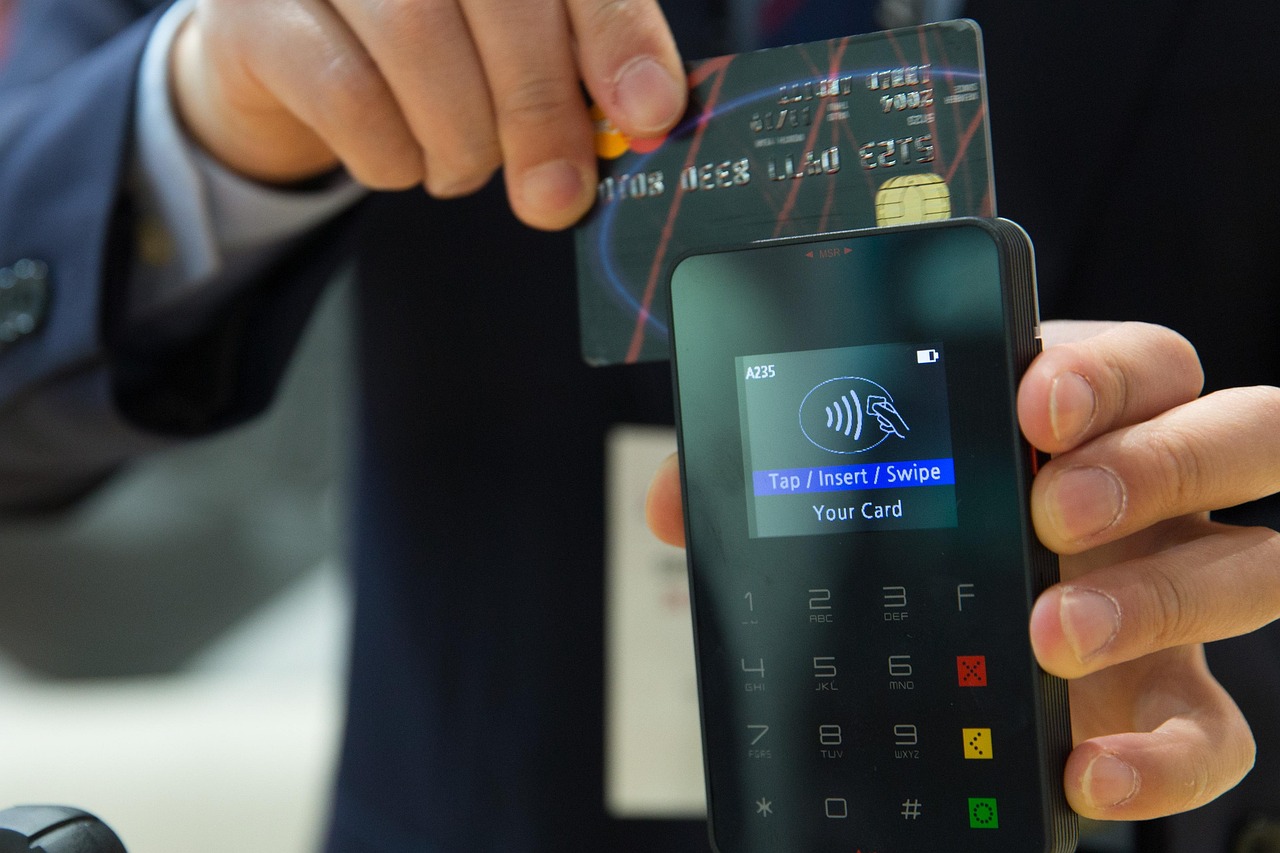
Payment integration — where your card machine talks directly to the till software — eliminates manual keying errors and speeds up every transaction. If you are evaluating payment hardware separately, our guide to combined card machine and till systems explains how integrated setups work and why they matter.
Real-Time Inventory Management
Stock depletion tracking at the ingredient level lets you monitor usage patterns, reduce waste and avoid the awkward moment of telling a customer their chosen dish is off. Better systems will alert you when items fall below a threshold you set.
Loyalty and CRM Tools
Regulars are the backbone of any café. Built-in loyalty programmes — stamp cards, points schemes, email capture — are no longer a luxury feature; they are a practical retention tool that most modern EPOS platforms include as standard or via a low-cost add-on.
Reporting and Analytics
Your till should answer questions like: which hour of the day is most profitable, which staff member has the highest average transaction value, and which items are frequently abandoned at the point of modification. Actionable reporting saves guesswork.
Cloud-Based vs. Traditional Till Systems: Which Suits a Café Better?
This is one of the first questions café owners ask — and the honest answer is that cloud-based systems are the right choice for almost all modern cafés. Here is why.
Cloud-Based EPOS
Data is stored remotely and accessible from any device with a browser or app. Updates happen automatically, meaning you are never running outdated software. You can check yesterday's takings from home, adjust your menu remotely ahead of a seasonal change, or monitor multiple sites from a single dashboard. If your internet drops, most good cloud systems cache transactions locally and sync when connectivity returns.
Traditional (On-Premise) Till Systems
Traditional systems store data locally on your hardware. They are robust in low-connectivity environments and have no dependency on a monthly cloud subscription — but they require manual software updates, offer limited remote access, and can become expensive to maintain as hardware ages. For most cafés, these limitations outweigh the benefits.
| Criteria | Cloud-Based EPOS | Traditional On-Premise |
|---|---|---|
| Remote access to data | Yes — any device, anywhere | Limited or none |
| Software updates | Automatic and continuous | Manual, often chargeable |
| Offline resilience | Good (most cache locally) | Excellent — no dependency |
| Multi-site management | Straightforward from one login | Complex, requires extra setup |
| Upfront hardware cost | Lower (often lease/subscription) | Higher (outright purchase typical) |
| Ongoing monthly cost | Software licence fee applies | Lower after initial investment |
| Scalability | Easily add terminals or sites | Requires significant re-investment |
How Much Does a Café Till System Cost in the UK?
Cost is a genuine concern for every independent café owner, and it pays to understand what drives the price before committing to anything. For detailed guidance on keeping costs manageable, our guide to affordable EPOS options for small businesses in the UK is a useful starting point.
Indicative Cost Ranges
- Entry-level cloud EPOS (tablet-based, single terminal): typically from around £20–£50 per month for software, with hardware either leased or purchased outright from approximately £300–£600 for a starter bundle including tablet, stand, receipt printer and cash drawer.
- Mid-range full EPOS system (touchscreen terminal, card integration, kitchen printer): most single-site café setups fall in the region of £50–£150 per month for software and support, with hardware investment typically between £800 and £1,500 depending on specification.
- Multi-terminal or multi-site setups: costs scale per terminal and per site; indicatively from £100–£250 per month for software across a modestly sized operation, with hardware priced accordingly.
These are market-typical indicative figures to help you budget — actual pricing will depend on the specific configuration, contract length and support package you choose. View our current hospitality and café EPOS offers for transparent, up-to-date pricing on EPOS Direct packages.
If you are also evaluating payment terminals and want flexibility on payment costs, our guide to card machines with no monthly fee explains the trade-offs worth understanding before you sign anything.
What to Expect from Setup, Training and Ongoing Support
Even the most intuitive EPOS system needs proper onboarding. A surprisingly common reason cafés underuse their till software is that staff were never properly trained beyond the basics of taking a payment.
Installation
A reputable provider should handle hardware installation, network configuration and initial menu setup — either on-site or guided remotely. Your menu, modifiers, pricing tiers and kitchen routing should be configured and tested before go-live, not left as homework for the owner.
Staff Training
Front-of-house training should cover transaction processing, split bills, voids and refunds, applying discounts and running end-of-day reports. Management training should go deeper: inventory management, reporting dashboards, user permissions and menu editing. Ask your provider whether training is included or charged separately.
Ongoing Support
For a café, the critical support window is the hours you trade — not 9 to 5 Monday to Friday. Confirm that your provider offers telephone and remote support during your trading hours, and understand the response time commitment for hardware faults. A till that is down on a Saturday morning is a serious problem; your support arrangement should reflect that.
You can talk to an EPOS Direct expert online at any point to ask specific questions about support coverage before making a decision.
Practical Questions Every Café Buyer Should Ask Before Choosing
Does the system handle peak-hour volume without slowing down?
Café rushes — 8–9am, Saturday brunch — place sudden demands on your hardware and software. Test or demo the system under simulated load. Confirm that the card reader communicates with the till in under two seconds and that kitchen printing is instantaneous. Latency at the counter costs you sales and patience.
How easy is it to update the menu yourself?
Menus in cafés change frequently — seasonal specials, daily soups, changing supplier prices. You need to be able to add, remove or reprice an item in under two minutes without needing technical support. Ask the provider to show you this during any demo — if it requires a support ticket, that is a red flag.
Will it integrate with the other tools I already use?
Consider your accounting software (Xero, QuickBooks and Sage are common in UK hospitality), any delivery or ordering platforms, and your payroll system. Good EPOS platforms offer direct integrations or reliable API connections; poor ones leave you re-entering data manually at the end of every week.
For a broader view of how modern EPOS software works across different business types, explore the EPOS Direct software platform and see which integrations are available for café and hospitality operators. You can also book a restaurant and café EPOS software demo to see the full capability in a live environment before committing.
Why EPOS Direct Is Trusted by UK Café Owners
EPOS Direct is a UK-based provider with a dedicated hospitality division supporting cafés, coffee shops and food-led venues across the country. Unlike generic app-based solutions, EPOS Direct combines purpose-built hospitality software with UK-sourced hardware, integrated payment processing and UK-based customer support — all under one roof, from a single supplier.
The EPOS Direct platform is built to handle the specific rhythms of café service: quick-fire counter transactions, modifier-heavy drink orders, table service, loyalty programmes and kitchen routing — with real-time cloud reporting accessible from any device. Setup is handled by the EPOS Direct team, training is included, and ongoing support is available during trading hours.
For café owners who want to see the full range of current offers and configurations available, visit the EPOS Direct UK home page for the latest packages, promotions and product information. Those considering how EPOS solutions compare across different retail and hospitality contexts will also find value in the complete guide to EPOS Direct systems for UK businesses.
Making the Right Choice for Your Café
The most capable café EPOS system is the one that fits your specific operation — your menu complexity, your counter setup, your staffing model and your growth ambitions. Cloud-based systems with integrated payments, intuitive menu management and solid UK support cover the needs of the vast majority of UK café owners at a realistic price point. Avoid being seduced by feature lists you will never use, and be rigorous about support quality — because that matters most when something goes wrong at 8am on a Monday.
EPOS Direct UK works with café owners at every stage: from first-time buyers equipping a new venue to established operators replacing legacy systems. Request a free demo to see the platform in action with a configuration tailored to your café, or request a call back and a member of the team will walk you through the options at a time that suits you.
Frequently asked questions
- What features should a good till system have for a busy café?
- A café till system should handle fast transaction processing, split bills, table or counter ordering, modifier options for drinks (e.g. milk types, shot extras), integrated card payments, and end-of-day reporting. Cloud-based systems also allow you to monitor sales remotely, which is ideal if you run multiple locations or want real-time visibility from your phone.
- How much does a till system typically cost for a café in the UK?
- Costs vary depending on the setup. A basic tablet-based EPOS starter kit can start from around £300 to £500 as a one-off hardware cost, with monthly software subscriptions typically ranging from £20 to £60 per month for a single terminal. More comprehensive systems with kitchen display screens, integrated card readers, and multi-user licences can range from £800 to £2,000 upfront. EPOS Direct offers tailored packages to suit different café sizes and budgets, so it's worth requesting a custom quote.
- Can a café till system integrate with delivery platforms and loyalty programmes?
- Yes, many modern EPOS systems designed for cafés support integrations with third-party delivery platforms, loyalty and rewards apps, and accounting software such as Xero or QuickBooks. When comparing systems, check which integrations are included in the base plan and which require add-ons, as this can affect the total monthly cost.
